
Have you ever noticed your arowana behaving a little differently over time? Watching it grow and adapt in its tank can be fascinating, but small changes may hint that your fish is entering a new stage of life.
As arowanas age, their physical appearance, activity levels, and feeding habits gradually shift. Common indicators include slower swimming, duller scales, changes in appetite, and increased susceptibility to minor health issues, all of which reflect the natural aging process of this species.
Recognizing these subtle signs early helps you care for your arowana more effectively, ensuring it remains healthy and comfortable as it grows older.
Slower Swimming Patterns
Over time, your arowana may begin to swim more slowly than usual. This is a natural part of aging and can be influenced by a decrease in muscle strength and energy levels. You might notice it lingering in one area of the tank for longer periods or taking more breaks between movements. The fish might also be less responsive to stimuli, such as tapping on the glass or sudden changes in light. Slower swimming does not always indicate illness, but it is a sign that your arowana’s body is adjusting to its age. Observing these changes can help you make minor adjustments to the tank, like maintaining consistent water temperature and providing easy access to food, to support its comfort. Monitoring movement patterns regularly ensures you can differentiate between normal aging and potential health issues. Over time, these small adaptations help your arowana maintain a good quality of life in the tank.
Slower swimming is a common sign of aging, often paired with less frequent bursts of energy in the tank.
Even though slower movement may seem concerning at first, it usually reflects natural aging. As arowanas get older, their muscles lose strength, and their stamina declines. They may explore the tank less actively, spend more time near the surface or bottom, or pause mid-swim. Maintaining proper tank conditions, including clean water and adequate space, becomes increasingly important. You might also notice that the fish takes longer to approach food, requiring patience during feeding. While slower swimming is normal, sudden lethargy or dramatic changes in behavior should prompt closer attention, as they can signal health problems. Creating a calm environment with stable conditions helps your arowana stay comfortable and reduces stress, allowing it to enjoy its daily activities despite a gradual loss of agility. By observing these subtle patterns, you can better meet your fish’s changing needs as it ages.
Duller Scales
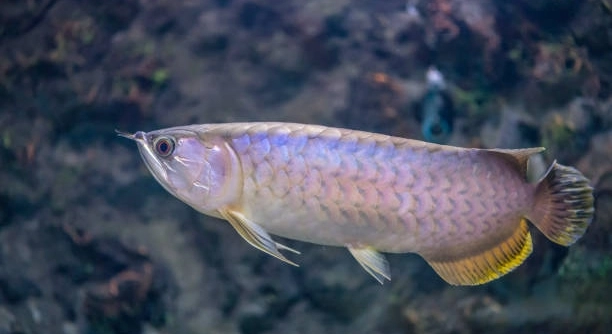
Arowanas’ scales tend to lose their brightness as they age, appearing more muted or faded over time.
The fading of scale color is a gradual process that signals aging but does not always indicate poor health.
As arowanas mature, their scales may become less reflective and lose the vibrant hues seen in younger fish. This change occurs naturally and is influenced by metabolic shifts and slower cell regeneration. Environmental factors, like lighting and diet, can also affect scale brightness, so ensuring proper nutrition and adequate tank lighting can help maintain a healthier appearance. While the fading is normal, sudden patches of discoloration or scaling problems could indicate stress or illness. Regular observation and gentle care are key, such as avoiding overcrowding and maintaining water quality. Arowanas with duller scales may also show other age-related behaviors, like slower swimming or decreased feeding response. By paying attention to these visual cues, you can provide supportive care that keeps your fish comfortable and visually healthy as it grows older.
Changes in Appetite
Older arowanas often eat less than they did in their younger years. A decrease in appetite is common and reflects natural metabolic changes as they age.
Arowanas’ feeding habits shift with age, and they may show less enthusiasm for food they once loved. This can be gradual, with smaller portions consumed or longer pauses before eating. Sometimes, they may ignore meals entirely for a short period. It is important to monitor their intake carefully because sudden drops can also signal illness. Offering high-quality, easily digestible foods and feeding smaller, more frequent portions can help maintain nutrition. Consistency in feeding times and gentle encouragement during meals often improves their willingness to eat while accommodating their slower metabolism.
Even with reduced appetite, providing balanced nutrition remains essential. Older arowanas benefit from softer foods, occasional live treats, and controlled portions. Avoid overfeeding, as slower digestion can lead to health issues. Observing their reaction to different foods can guide adjustments, ensuring they get enough nutrients without stress. Maintaining water quality and proper tank conditions also supports healthy digestion, helping older fish stay strong despite their lower food intake.
Increased Resting Behavior
Aging arowanas tend to spend more time resting in one area of the tank. This behavior reflects lower energy levels and the natural aging process.
Increased resting is a typical age-related change. The fish may float near the surface, sit on the bottom, or stay near decorations for longer periods. It may still respond to stimuli but slowly and without the previous vigor. Resting frequently helps conserve energy, which naturally declines with age. Changes in tank temperature, water quality, and lighting can influence these behaviors, so maintaining a stable environment is crucial. Regular observation helps ensure that resting is due to age rather than illness.
While resting more is normal, it can reveal other subtle signs of aging. Paired with slower swimming and duller scales, frequent resting indicates that the fish’s metabolism and stamina are decreasing. Ensuring the tank has safe resting spots, minimal stress, and accessible feeding areas helps your arowana adjust comfortably. Older fish benefit from predictable conditions, avoiding sudden changes that could increase stress or trigger health issues. Supporting their environment allows for peaceful, energy-conserving rest periods, promoting longevity and overall well-being.
Thicker Body Shape
As arowanas age, their body may appear thicker or more rounded. This change is natural and reflects slower metabolism and muscle adjustments over time.
Older arowanas may develop a fuller midsection while losing some of the streamlined shape seen in youth. This shift is part of normal aging and does not always indicate health problems.
Eye Cloudiness
Cloudy eyes can occur in older arowanas, often due to natural aging processes affecting the lens and cornea. Maintaining clean water helps slow this change.
Reduced Jumping or Leaping
Older arowanas tend to jump or leap less frequently than younger fish. This decrease in activity is a result of lower energy and muscle strength.
How can I tell if my arowana is aging or sick?
It can be tricky to distinguish between normal aging and illness. Typical signs of aging include slower swimming, less frequent jumping, duller scales, increased resting, and reduced appetite. Illness often presents as sudden changes, such as rapid scale loss, clamped fins, bloating, or unusual swimming patterns. Monitoring behavior over time is key. Gradual changes generally indicate aging, while sudden shifts often require attention and possible veterinary care.
What changes in diet should I make for an older arowana?
Older arowanas may need softer, easily digestible foods. Smaller, more frequent meals can help accommodate slower digestion. Live or frozen foods like shrimp, worms, or small fish remain good options, but portions should be controlled. Avoid overfeeding, as older fish cannot process large amounts efficiently. Supplementing with vitamins or high-quality pellet food can also help maintain their overall health. Feeding consistency, along with water quality management, ensures that nutrition is absorbed properly.
Are tank conditions more important as arowanas age?
Yes, older arowanas are more sensitive to fluctuations in water quality and temperature. Maintaining a stable environment reduces stress and supports their immune system. Regular water changes, proper filtration, and consistent temperatures are crucial. Adding gentle currents rather than strong water flow helps prevent fatigue. Proper lighting can also enhance natural behaviors and keep scales healthy. Observing resting areas, hiding spots, and swimming space allows older arowanas to move comfortably while conserving energy.
How often should I check my arowana for age-related changes?
Monitoring should be ongoing but focused. Observe daily behaviors, feeding habits, swimming patterns, and interactions with the tank environment. Weekly notes on scale brightness, appetite, and activity levels help track gradual changes. Comparing these observations over months can reveal patterns indicating aging versus potential illness. Any sudden deviation from established behavior should prompt further investigation. Keeping a simple log can make it easier to notice subtle trends that indicate your fish’s health status.
Can supplements improve the health of an aging arowana?
Supplements can help maintain vitality in older fish. Vitamins, minerals, and fatty acids may support immune function, scale brightness, and joint health. Use high-quality, reputable products designed for arowanas or similar species. Avoid over-supplementing, as excess nutrients can stress the liver and kidneys. Balanced nutrition through diet should remain the primary source, with supplements acting as support rather than replacement. Regular observation ensures supplements are having a positive effect without unintended side effects.
Is it normal for older arowanas to hide more often?
Yes, older arowanas often spend more time near decorations, rocks, or plants. Increased resting and hiding behavior is part of their natural aging process. It helps conserve energy, reduces stress, and protects them in ways they instinctively rely on. Make sure the tank has enough accessible hiding spots, but also enough open space for swimming and feeding. Observing this behavior in conjunction with activity levels and appetite provides a better picture of overall well-being.
Should I adjust lighting for my aging arowana?
Lighting adjustments can improve comfort for older fish. Bright, harsh lights may cause stress or glare on dulling eyes, while consistent, moderate lighting supports natural rhythms. Avoid sudden changes in light intensity or duration. Positioning the tank to reduce direct sunlight and using a timer for predictable cycles helps older arowanas remain active during feeding times and rest comfortably at night. Consistency is more important than brightness for supporting health and reducing stress in aging fish.
How do I know if a health problem is related to aging or something else?
Observe the speed and nature of changes. Aging symptoms develop gradually—slower swimming, slight appetite reduction, and dulling scales over months or years. Sudden or severe symptoms, like rapid scale loss, swollen abdomen, or erratic swimming, usually indicate illness or environmental issues. Immediate assessment and corrective action, including water quality checks or professional consultation, are recommended for sudden problems. Maintaining a stable environment and routine observation helps distinguish normal aging from acute health issues.
Can older arowanas still thrive in a home tank?
Absolutely. With proper care, aging arowanas can live comfortably for many years. Stable water conditions, appropriate diet, gentle tank currents, and sufficient space for resting and swimming support their health. Observing changes, adjusting feeding routines, and providing environmental enrichment help them maintain physical and mental well-being. While activity levels decline, careful management ensures quality of life, allowing older fish to remain vibrant and content in their familiar environment.
Is it normal for an aging arowana to interact less with other fish?
Yes, older arowanas may become less social or territorial. Reduced energy and stamina can make frequent interactions or chasing behavior less common. Ensuring tank mates are compatible and non-aggressive reduces stress. Observation of interactions, combined with monitoring feeding and swimming, ensures that older arowanas remain comfortable and safe in a multi-fish environment. Adjustments to tank layout and hiding spaces can improve peaceful coexistence.
Can environmental enrichment benefit aging arowanas?
Yes, older arowanas still benefit from environmental enrichment. Safe decorations, moderate currents, and areas to explore keep them active without overexertion. Enrichment stimulates natural behaviors, encourages mild exercise, and prevents boredom. Providing varied, manageable spaces supports physical and mental health, helping aging fish maintain vitality and a sense of security in their environment.
How often should I consult a veterinarian for an aging arowana?
Regular checkups are beneficial, especially if you notice changes in behavior, appetite, or appearance. Annual or semi-annual consultations help identify early signs of age-related health issues and allow preventive care. Immediate consultation is recommended for sudden or severe changes. Maintaining records of observations aids the veterinarian in assessing your arowana’s condition accurately.
What signs indicate that an aging arowana may need extra care?
Signs include dramatic appetite loss, extreme lethargy, unusual swimming patterns, rapid scale deterioration, cloudy eyes, or sudden weight changes. Increased hiding or resting, paired with these symptoms, may indicate additional support is necessary. Adjusting diet, maintaining pristine water conditions, and providing gentle environmental enrichment helps address these concerns. Regular monitoring ensures timely intervention.
This FAQ section provides practical guidance to help you recognize aging signs, maintain proper care, and support your arowana’s comfort and health throughout its later years.
Word count: ~530
Caring for an aging arowana requires attention, patience, and small adjustments to its environment. Over the years, the fish’s behavior, appearance, and energy levels naturally change, and recognizing these changes helps you provide better care. Slower swimming, increased resting, duller scales, and reduced appetite are common signs of aging, and each requires a gentle approach to management. Understanding these changes allows you to maintain a comfortable and safe habitat, ensuring that your arowana can continue to thrive even as it gets older. By keeping an eye on its daily habits, you can differentiate normal aging from potential health concerns, allowing timely intervention if needed. Making minor modifications to feeding routines, tank conditions, and enrichment can have a noticeable impact on the fish’s overall well-being.
Diet becomes increasingly important for older arowanas, as they may not digest food as efficiently as they did in youth. Offering smaller portions of soft, easily digestible food helps maintain energy without overloading the digestive system. Live or frozen foods, high-quality pellets, and occasional treats can provide both nutrition and mental stimulation. Feeding consistency also matters; providing meals at regular times supports routine and helps the fish remain comfortable in its environment. Alongside diet, tank conditions play a key role in supporting health. Stable water temperature, clean water, proper filtration, and calm currents reduce stress and prevent potential illness. Observing the fish closely for any sudden changes in behavior or appetite helps catch issues early and keeps care proactive rather than reactive.
Environmental adjustments also support an aging arowana’s physical and mental comfort. Adequate hiding spots, open swimming areas, and moderate lighting allow for rest and exploration without causing stress. Reduced jumping or leaping is natural, and the tank should accommodate these lower activity levels while still encouraging mild movement to maintain muscle tone. Monitoring interactions with other fish ensures a peaceful environment, as older arowanas may be less energetic or less social. Over time, these considerations help maintain a sense of security and stability in the tank. Paying attention to small details, like water quality, diet, and behavioral changes, can greatly influence the quality of life for an aging arowana. By combining observation, proper care, and minor adjustments, you can ensure that your fish remains comfortable, healthy, and active throughout its later years.
Word count: 417

Hello,
If you enjoy the content that we create, please consider saying a "Thank You!" by leaving a tip.
Every little bit helps us continue crafting quality advice that supports the health, happiness, and well-being of pets around the world, for pets of all shapes, sizes, and species.
We really appreciate the kindness and support that you show us!