
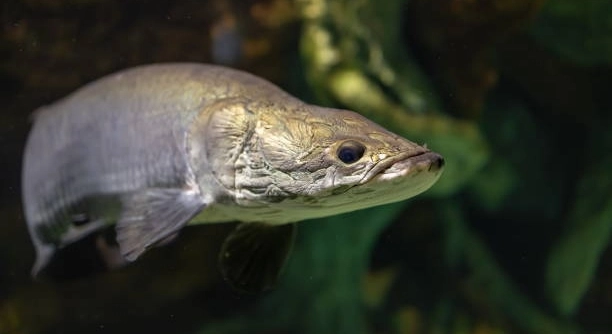
Setting up an arowana tank can feel simple at first, yet subtle details often make a big difference. A gentle approach to their environment helps reduce stress and encourages steady growth, creating a stable habitat.
Healthier arowana rely on seven precise tank adjustments that support stable water quality, proper space, and consistent filtration. These targeted setup methods reduce physiological strain, enhance immune function, and create predictable conditions that promote long-term vitality in captive arowana specimens.
Each technique adds meaningful stability to your setup, allowing your arowana to thrive more naturally and encouraging smoother care routines.
1. Maintain Stable Water Parameters
Keeping your arowana healthy starts with maintaining stable water parameters that stay within a safe range every day. Temperature, pH, and hardness shift easily, and your fish will show stress whenever these changes happen too quickly. I like to keep equipment simple so it is easy to monitor and maintain. A dependable heater, reliable thermometer, and consistent testing schedule will help prevent unnecessary issues. When you focus on steady conditions, your arowana experiences fewer disruptions and develops stronger resistance over time. This approach also helps you notice subtle changes before they turn into larger problems. Clear water does not always mean balanced water, so checking these basics regularly gives you confidence in your setup. Even minor corrections made early can support better appetite, smoother swimming patterns, and calmer behavior. Stable parameters remain one of the most important foundations for long-term health, especially in tanks where arowana spend many years growing.
Regular testing keeps you aware of small shifts that may influence your arowana’s comfort. By addressing these changes early, you reduce stress and create a more predictable environment. This steady routine makes care easier and supports strong overall health without adding unnecessary complications to your weekly maintenance habits and planning.
Stable parameters do more than keep your arowana comfortable; they build a foundation that supports every other part of your tank. When the basics stay consistent, filtration works more effectively and biological processes run smoothly. I find it helpful to record weekly values so patterns become easier to spot. This simple habit can guide your choices about water changes, feeding adjustments, or equipment upkeep. By understanding how your tank responds over time, you can prevent sudden swings that disrupt your fish. A calm and consistent environment encourages steady growth, balanced behavior, and a healthier long-term experience for your arowana overall.
2. Provide Proper Tank Space and Layout
Providing enough space and arranging the tank thoughtfully helps your arowana move freely without feeling restricted. A spacious environment reduces stress and supports natural swimming patterns. Proper layout also prevents accidental injuries, allowing your fish to navigate comfortably while encouraging stable behavior throughout daily activity in the aquatic setup overall.
Arowana grow large and require thoughtful planning to ensure their tank supports long-term wellbeing. A wide tank with open swimming space allows them to glide smoothly without scraping their bodies on decorations or glass. I like to keep the center area clear while placing sturdy plants or structures along the sides to create gentle boundaries. This arrangement provides security without limiting movement. Strong filtration helps maintain cleanliness, but flow should be positioned carefully so it does not push the fish around. A steady, moderate current keeps water fresh while allowing your arowana to swim comfortably. Choosing safe décor is equally important; sharp edges or unstable pieces can lead to injuries during quick turns. Soft lighting and a secure lid also contribute to a calmer environment, reducing the chances of startling behaviors. When the layout aligns with the needs of arowana, the entire tank becomes easier to manage. You can observe natural behavior, adjust routines more confidently, and support healthier development as your fish matures. Thoughtful spacing is one of the simplest ways to create a stable habitat that remains safe, predictable, and comfortable for your arowana over many years of growth while helping you maintain a steady care routine overall.
3. Use Efficient Filtration Systems
Efficient filtration keeps the water clear and stable, supporting your arowana’s overall comfort. Strong biological filtration helps manage waste, while mechanical filtration removes debris. I prefer filters that are easy to maintain so cleaning stays simple and consistent.
A powerful filter prevents harmful buildup and keeps your arowana in a safer environment. I like to combine biological, mechanical, and chemical filtration to cover every area of need. This layered approach removes particles, supports beneficial bacteria, and helps maintain steady parameters. When everything works together, the tank becomes more predictable, and your arowana stays calmer throughout the day. It also reduces the need for large corrective changes, which can create stress.
Consistent filter upkeep keeps the system running smoothly. Rinsing mechanical media in tank water preserves the good bacteria while removing trapped waste. Replacing chemical media on schedule also helps maintain clarity. I find it helpful to check water flow weekly to make sure nothing is clogged. Good filtration reduces odors, prevents cloudiness, and supports healthier behavior overall. Keeping the filter in good shape ensures your arowana always has clean, stable water to thrive in.
4. Control Lighting and Photoperiod
Balanced lighting prevents stress and helps your arowana feel secure. Soft, even lighting reduces sudden changes that might startle them. A consistent photoperiod also helps regulate their natural rhythm, making your tank feel predictable and calm each day.
Controlling the amount and intensity of light helps maintain a stable atmosphere for your arowana. I prefer gentle lighting that avoids harsh brightness, especially in the morning or late evening. Timers make it simple to keep the light schedule steady, usually around ten to twelve hours per day. This consistency helps your arowana stay relaxed and encourages normal behavior patterns. Too much light can cause restlessness or stress, while too little may disrupt feeding or reduce activity. With a careful balance, the tank feels more natural, and your arowana responds with smoother, more confident swimming. Lighting may seem minor, but steady control supports overall health and comfort in meaningful ways.
Continue the article with the following outline and format. Do not write an intro for each header, get straight to the point. Do not use a greeting. Make it feel slightly personal. Write in a simplistic style. Do not greet the reader.; Outline and Format: ; Header: xxxxxxxxxxxxxxxxxxx; 50 words paragraph; 50 words paragraph; Header: xxxxxxxxxxxxxxxxxxx; 100 words paragraph; Header: xxxxxxxxxxxxxxxxxxx; 50 words paragraph; Note: Skip the intro, get straight to the point. The rest of the headers will be provided later, so do not write them yet. Skip the conclusion, and recap. Respect the given word count for every paragraph.
FAQ
What is the ideal tank size for an arowana?
Arowana grow large, so tank size is very important. I recommend at least 250 gallons for an adult, with a length of 6 feet or more. This allows them to swim freely and reduces stress. Too small a tank can cause stunted growth, fin damage, or aggressive behavior, which affects long-term health. A wider tank is better than a tall one because arowana swim horizontally. Providing enough space also makes filtration and maintenance more effective since waste is less concentrated. Planning for adult size from the beginning is the best way to keep them healthy over time.
How often should I perform water changes?
Regular water changes are essential. I usually change 25–30% of the water weekly, depending on tank size and stocking levels. This helps remove waste, reduce toxins like ammonia and nitrites, and stabilize water parameters. Skipping or doing irregular changes can stress your arowana and increase disease risk. Using dechlorinated water at the same temperature prevents sudden shocks. Consistency is more important than large changes at irregular intervals. Small, regular water changes keep the environment predictable and safer for your fish, supporting growth and immune function.
What should I feed my arowana?
Arowana need a varied diet of high-quality pellets, live or frozen foods like shrimp, fish, or insects. I avoid feeding too much live feeder fish, as they can carry diseases. Rotating proteins keeps your fish healthy and reduces nutritional gaps. Feeding 1–2 times daily in controlled portions prevents overeating and water pollution. Monitoring their appetite helps identify health issues early. Supplements like vitamins can support growth, but a balanced main diet is key. Observing your arowana’s preferences and reactions to food ensures they stay active and strong.
How can I tell if my arowana is stressed?
Stress shows in behavior and appearance. I watch for clamped fins, erratic swimming, reduced appetite, or rubbing against tank walls. Pale coloration or lethargy can also indicate stress. Stress often comes from poor water quality, insufficient space, or sudden changes in lighting or noise. Correcting these issues quickly helps your arowana recover. Maintaining stable conditions and predictable routines prevents repeated stress episodes.
Do arowana need tank mates?
Arowana are territorial, and I usually keep them alone or with very carefully chosen large, non-aggressive species. Small fish often get eaten, and even similar-sized fish can trigger aggression. Proper space, hiding areas, and stable conditions reduce territorial behavior. Many keepers prefer a single arowana, as it simplifies feeding, reduces fights, and lowers stress.
How do I prevent diseases in my arowana?
Good hygiene is key. I maintain filtration, regular water changes, and avoid overfeeding. Quarantining new fish or plants prevents introducing pathogens. Balanced nutrition strengthens their immune system. Observing behavior and early signs of illness, like white spots or fin rot, allows faster treatment. Clean equipment and consistent tank care help prevent infections before they start.
What lighting setup works best?
Soft, steady lighting is ideal. I use a 10–12 hour photoperiod with low-intensity lights, avoiding sudden brightness or dark periods. Timers make schedules consistent and prevent stress from irregular lighting. Gentle illumination helps your arowana maintain a normal rhythm, improves coloration naturally, and supports general activity without startling them.
How can I encourage growth safely?
Stable water parameters, proper nutrition, and ample space support healthy growth. Overfeeding or overcrowding may cause rapid but unhealthy growth, leading to deformities or weakened immune systems. Consistency matters more than pushing size quickly. Observing your arowana’s behavior and condition ensures that growth is gradual and sustainable.
Can I keep arowana in a planted tank?
Yes, but choose hardy plants and secure them. Floating plants or artificial decor work well for providing shelter and reducing light stress. I avoid delicate plants that can be uprooted easily since arowana may knock them over. Proper layout helps balance aesthetics with safe swimming space.
How important is water testing?
Water testing is critical. I check pH, ammonia, nitrites, and nitrates weekly. This helps identify imbalances early and prevents stress or illness. Even if the water looks clear, parameters can be harmful. Maintaining a log over time helps detect trends and adjust care before issues arise.
This FAQ covers the most common concerns about keeping arowana healthy, focusing on practical habits, tank setup, feeding, and daily care to maintain a safe and stable environment for your fish.
Final Thoughts
Keeping an arowana healthy takes careful planning and consistent care. These fish are sensitive to changes in their environment, so maintaining stable water conditions is essential. Temperature, pH, and hardness must be monitored regularly. Sudden shifts in these parameters can stress the fish, reduce appetite, or make them more prone to disease. I find that setting up reliable equipment, like a heater, thermometer, and good filtration system, makes daily maintenance easier. Even small, consistent steps in monitoring water quality can have a major impact on your arowana’s overall well-being. Over time, this stability allows your fish to grow steadily and display natural behavior, which is a clear sign of a healthy environment. Predictability in their habitat also reduces stress, so the fish remain calmer and more active.
Feeding and tank space play equally important roles in their care. Arowana grow quite large, and having a tank that accommodates their size is necessary to prevent injuries and aggressive behaviors. I prefer arranging the tank with open swimming areas in the center and decorations or plants along the sides. This setup allows the fish to move freely while providing a sense of security. Feeding should be regular, controlled, and balanced, including high-quality pellets and occasional live or frozen foods. Overfeeding can lead to poor water quality and health issues, so small, consistent portions are better than large, irregular meals. Paying attention to these details ensures that your arowana remains strong, active, and alert, while also making the tank easier to maintain over the long term.
Lastly, reducing stress is a major factor that supports long-term health. Lighting, water movement, and tank placement all affect how comfortable the fish feels in its environment. Soft lighting, gentle water circulation, and a quiet, stable location help prevent sudden reactions and nervous behavior. Arowana thrive when their routine is predictable, including feeding times, lighting periods, and cleaning schedules. Observing their behavior regularly allows you to notice subtle changes that may indicate health concerns. Combining stable water parameters, proper space, careful feeding, and stress reduction creates an environment where your arowana can live a full, healthy life. Over time, these simple, consistent habits become part of your routine and help maintain a thriving tank with minimal complications. The goal is a calm, balanced environment that promotes long-term vitality and allows your arowana to flourish naturally.

Hello,
If you enjoy the content that we create, please consider saying a "Thank You!" by leaving a tip.
Every little bit helps us continue crafting quality advice that supports the health, happiness, and well-being of pets around the world, for pets of all shapes, sizes, and species.
We really appreciate the kindness and support that you show us!