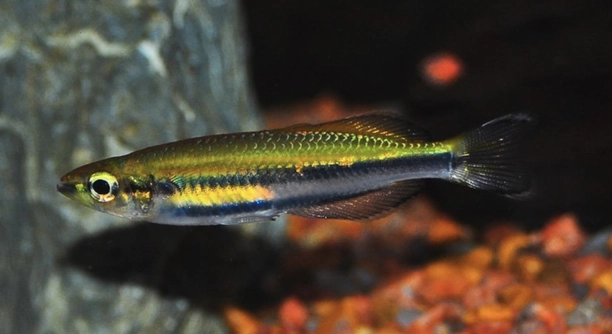
7 Signs Your Rainbowfish Likes the Setup

Have you ever noticed your rainbowfish swimming energetically and wondered if they are happy with their tank setup? Observing their daily behavior can reveal subtle signs of comfort and satisfaction in their environment. Rainbowfish display comfort in a well-set tank through consistent swimming patterns, vibrant coloration, and active interactions with both tank mates and their … Read more
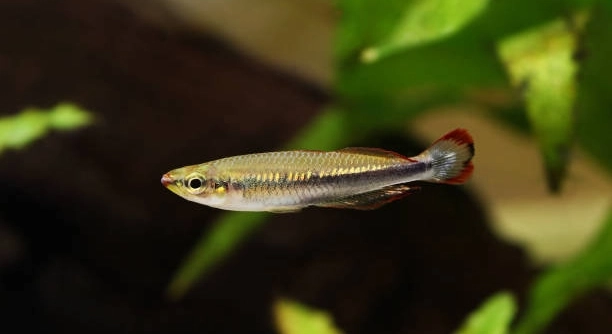
How to Calm Down a Nervous Rainbowfish

Keeping a rainbowfish in a home aquarium can be a joyful experience, yet these small, colorful creatures are often prone to stress. Their nervous behavior may appear sudden, leaving owners unsure of how to respond effectively. To calm a nervous rainbowfish, it is essential to minimize sudden movements around the tank and reduce environmental stressors. … Read more

7 Reasons Rainbowfish Might Refuse to School

Rainbowfish are known for their bright colors and lively group behavior in home aquariums. Observing them swim together is often relaxing, but sometimes these fish refuse to school, leaving owners puzzled and concerned. Rainbowfish may refuse to school due to stress, illness, inadequate tank conditions, incompatible tank mates, poor water quality, lack of hiding spaces, … Read more

Are Rainbowfish Bored Without Enrichment?

Rainbowfish are colorful, active fish that bring life to any aquarium. Many owners enjoy watching them swim, but their behavior can change when their environment lacks stimulation. Their daily routine may become predictable and dull without interaction. Rainbowfish can exhibit signs of boredom when kept in unstimulating environments. Lack of enrichment, such as plants, hiding … Read more

Can Rainbowfish Sense Emotions in the Tank?

Have you ever noticed your rainbowfish moving around the tank with a calm grace that makes you wonder about their inner world, creating a peaceful rhythm in your home aquarium each and every single day. Rainbowfish exhibit basic forms of social awareness that reflect environmental conditions rather than true emotional recognition. Their reactions arise from … Read more

7 Signs Your Rainbowfish Feels Lonely (+Fixes)

Caring for rainbowfish can reveal subtle changes in their behavior that suggest something is off, encouraging you to notice signs that may reflect emotional strain and a need for better support in their aquarium today. Loneliness in rainbowfish often appears through reduced activity, fading coloration, or increased skittishness, all linked to insufficient social interaction. Providing … Read more

Can a Rainbowfish Live Alone? (Pros & Cons)

Do you ever find yourself setting up a small freshwater tank and wondering how your Rainbowfish will adapt? These colorful fish bring life to any aquarium, but their social needs are sometimes misunderstood by new hobbyists. Rainbowfish can survive alone, but they thrive better in groups. Keeping them solitary may lead to stress, reduced activity, … Read more

Can Rainbowfish Learn Simple Routines?

Rainbowfish are small, colorful freshwater fish often kept in home aquariums. Observing their behavior can be enjoyable, and some fish owners notice that these fish respond to daily routines or feeding patterns. Their movements are lively and engaging. Rainbowfish can learn simple routines through consistent repetition and environmental cues. They respond to signals like feeding … Read more

7 Unexpected Behaviors and What They Mean

Do you ever notice small habits in people that seem unusual but leave you unsure what they mean? These little behaviors can carry messages about emotions, thoughts, and hidden intentions, offering insight into human interactions and relationships. Unexpected behaviors often reflect underlying feelings, psychological patterns, or social cues. Recognizing these actions allows for better understanding … Read more

What It Means When Fish Swim Backwards

Have you ever noticed a fish moving in the opposite direction of the rest of its tank or stream? This unusual behavior can be surprising and sometimes concerning to observe in aquatic environments. Fish swimming backwards is often a sign of stress, illness, or environmental imbalance. It can indicate issues with water quality, internal parasites, … Read more