
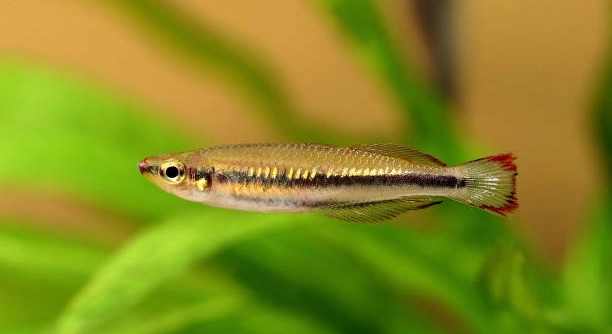
Rainbowfish are small, colorful freshwater fish often kept in home aquariums. Observing their behavior can be enjoyable, and some fish owners notice that these fish respond to daily routines or feeding patterns. Their movements are lively and engaging.
Rainbowfish can learn simple routines through consistent repetition and environmental cues. They respond to signals like feeding times or the presence of specific objects, showing measurable behavioral patterns that indicate memory and adaptability in controlled aquarium settings.
Learning about these behaviors can help owners create a more structured and stimulating environment, supporting the fish’s well-being and making aquarium care more predictable.
How Rainbowfish Recognize Daily Patterns
Rainbowfish can notice patterns in their environment, such as the timing of feedings or movements around their tank. Over several days, they may start swimming toward a particular spot when they sense food is coming. This behavior shows that even small fish have the ability to learn from repetition. Owners often report that their fish gather near the surface when they enter the room, anticipating feeding time. Light changes, tank cleaning routines, or other daily events can also influence their activity. Repetition is key for them to form habits, and consistency helps reinforce these behaviors. Observing these responses can be rewarding and can give insight into how their memory works. Studies suggest that fish can remember simple tasks for several hours or even days, making it possible to create predictable routines that they understand and react to naturally in the aquarium.
Rainbowfish thrive when routines are consistent, as it reduces stress and supports natural behavior patterns.
Providing predictable schedules not only encourages learning but also strengthens the fish’s confidence in their environment, making them more active and engaged.
Using Simple Signals to Encourage Routine
Small visual or auditory signals can guide rainbowfish behavior effectively.
Placing a distinctive object near the feeding area or tapping the tank gently can help the fish associate actions with outcomes. Consistency in these cues is critical; if the signal is repeated in the same way each time, rainbowfish begin to respond reliably. Over time, they learn that certain signals predict feeding or other events. Using these signals allows owners to structure interactions, providing both stimulation and predictability. Positive reinforcement, like timely feeding following a signal, strengthens the behavior. Avoid sudden changes in signals, as it can confuse the fish and disrupt learned routines. Observing responses carefully ensures that the cues are effective and do not cause unnecessary stress. With patience and consistent timing, these fish can adapt to simple routines that enhance their daily activities.
Feeding Time Consistency
Rainbowfish respond strongly to regular feeding schedules. Feeding at the same times each day helps them anticipate meals, reducing stress and encouraging natural activity patterns in the tank.
Keeping feeding consistent allows rainbowfish to develop predictable behavior. When they know when and where food will appear, they become more confident swimmers, exploring the tank without fear. Over time, they may even approach the area where food is usually offered before it is delivered. This behavior shows that their memory and recognition skills are effective for simple routines. Using small portions at set times also supports their health, preventing overeating and maintaining water quality.
It is important to avoid sudden changes in timing or quantity. Unexpected alterations can confuse the fish and disrupt learned routines. Maintaining a structured feeding schedule not only encourages routine learning but also strengthens the overall well-being of the fish, making them more active and responsive in their environment.
Environmental Cues and Signals
Visual and tactile cues help rainbowfish recognize routines. Subtle changes in the tank, like moving decorations or tapping gently, can signal upcoming events.
Fish quickly learn to associate these cues with feeding or other activities. Repetition is essential, and using consistent signals allows rainbowfish to predict outcomes reliably. Over time, they can respond with specific behaviors, such as swimming toward the top or gathering near a certain area. Signals should remain simple and uniform to prevent confusion, and monitoring their responses ensures the cues are effective. This approach enhances their cognitive engagement and supports natural learning patterns.
Observing Behavior Changes
Rainbowfish often show noticeable changes when they adapt to routines. Their swimming patterns become more predictable, and they may gather in specific areas before feeding times.
These small adjustments indicate that the fish are learning and remembering events. Consistent observation helps owners understand their habits and respond appropriately, enhancing care.
Positive Reinforcement Techniques
Rewarding rainbowfish immediately after a desired behavior strengthens routine learning. Small portions of food given right after following a signal or cue help the fish associate the action with a positive outcome. Over time, repeated reinforcement improves consistency, making the fish more responsive and confident. Patience is key, as some fish may take several sessions to adapt fully. Positive reinforcement works best with simple, clear signals and should be used alongside regular schedules. Avoid overfeeding, as it can harm water quality and fish health. Combining timing, cues, and rewards creates an effective system for teaching simple routines.
Adapting Routines Over Time
Routines can be adjusted gradually to fit changing schedules or tank conditions.
FAQ
Can rainbowfish learn complex tricks like other pets?
Rainbowfish are capable of learning simple routines and responding to cues, but they are not suited for complex tricks like dogs or cats. Their learning is mostly based on repetition and predictable environmental signals. They can recognize feeding times, light changes, or small movements near the tank, but expecting elaborate behaviors is unrealistic. Keeping training simple and consistent produces the best results and reduces stress for the fish.
How long does it take for rainbowfish to learn a routine?
Learning speed depends on the consistency of cues and the individual fish. Most rainbowfish begin showing recognition of feeding or environmental cues within a few days. Regular repetition strengthens memory, and consistent timing helps them anticipate events more reliably. Some fish may take longer, so patience is essential. Observing their behavior daily allows adjustments to cues, ensuring routines are learned effectively.
What types of signals work best for teaching routines?
Visual and tactile signals are most effective. Gentle tapping on the tank, approaching the feeding area, or placing a distinct object can act as cues. Signals should be simple and consistent. Using too many signals or changing them frequently can confuse the fish, delaying learning. Over time, rainbowfish learn to associate the cue with the expected outcome, like feeding.
Is positive reinforcement necessary for rainbowfish?
Yes, it helps solidify learning. Feeding immediately after a fish responds correctly to a cue strengthens the behavior. This technique encourages the fish to repeat actions that result in a positive outcome. Positive reinforcement should be used alongside consistent routines and simple cues. Overfeeding must be avoided to maintain health and water quality.
Can all rainbowfish species learn routines equally well?
Most common rainbowfish species show the ability to learn simple routines, but some may respond faster than others. Factors include temperament, age, and individual differences. Younger, more active fish may adapt quicker, while older or shy individuals might take longer. Consistent repetition and observation ensure every fish has the opportunity to learn.
What happens if the routine is interrupted?
Interruptions can confuse rainbowfish and may temporarily stop the behavior. They often need several consistent repetitions to regain the pattern. Minor changes in feeding time or cues are usually tolerated, but sudden or repeated interruptions can slow learning. Maintaining as much consistency as possible helps them retain routines.
How can routines improve rainbowfish well-being?
Structured routines reduce stress and provide mental stimulation. Predictable feeding and activity schedules encourage natural behavior, making fish more confident and active. Consistent cues also help prevent aggression and anxiety caused by uncertainty. Over time, a well-established routine promotes overall health, supporting long-term growth and vitality.
Are there signs that a fish is not adapting to routines?
Yes, signs include erratic swimming, hiding, or lack of response to cues. These behaviors may indicate stress, illness, or ineffective signals. Observing changes and adjusting routines gradually can help. Ensuring the tank environment is stable, clean, and suitable for the species also supports learning and reduces stress.
Can multiple fish learn routines together?
Yes, rainbowfish in groups often pick up cues by observing each other. Fish may follow the behavior of a more active or confident individual. However, overcrowding or competition for food can interfere, so careful management of tank size and feeding portions is important to maintain effective learning for all fish.
Do rainbowfish remember routines long-term?
Rainbowfish can retain simple routines for several hours or days if cues are consistent. Forgetting may occur if routines are irregular or interrupted for extended periods. Regular repetition strengthens memory and helps the fish maintain learned behaviors. A stable environment enhances long-term retention and reinforces predictable patterns.
How can I track progress in routine learning?
Daily observation is key. Note behaviors like swimming to the feeding area, responding to signals, or anticipating activities. Keeping a simple log of feeding times, cues, and fish responses can help measure improvement. Adjusting signals or timing based on observations ensures routines remain effective and the fish stay engaged.
Are there risks in training rainbowfish?
The main risks are stress and overfeeding. Using too many cues, inconsistent schedules, or excessive food can harm health and water quality. Keeping training simple, consistent, and gentle minimizes stress and supports positive outcomes. Observing fish behavior ensures routines remain safe and beneficial.
Can routines help with aquarium management?
Yes, routines make care predictable and manageable. Scheduled feeding, tank cleaning, and environmental cues streamline daily tasks. Predictable routines reduce stress for the fish, making the aquarium easier to maintain and creating a healthier, more stable environment.
How important is patience in teaching rainbowfish?
Patience is crucial. Fish learn slowly and respond best to gradual, consistent cues. Expecting immediate results can lead to frustration or errors in signaling. Observing progress, adjusting routines carefully, and rewarding correct responses ensures effective learning over time.
What should I avoid when establishing routines?
Avoid sudden changes, excessive cues, overfeeding, and inconsistent schedules. These factors confuse the fish and can slow learning. Maintaining simple, predictable patterns supports memory and encourages natural, stress-free behavior. Observing responses and making gradual adjustments is the most effective approach.
Can rainbowfish learn multiple routines at once?
It is possible but challenging. Introducing one routine at a time increases success, as multiple simultaneous cues can overwhelm the fish. Once a routine is learned reliably, additional routines can be introduced gradually, ensuring the fish retain and respond to each signal effectively.
Do environmental factors affect routine learning?
Yes, water temperature, lighting, tank decorations, and social interactions influence learning. A stable, comfortable environment helps rainbowfish focus on cues and respond consistently. Stressful or fluctuating conditions reduce attention and slow learning. Maintaining optimal conditions supports both physical health and routine learning.
How can I make routines enjoyable for rainbowfish?
Simple, predictable patterns and gentle cues reduce stress and encourage engagement. Observing their natural behavior and rewarding correct responses with small portions of food creates positive reinforcement. Avoiding harsh or erratic signals ensures the fish remain confident and active while learning routines.
Is routine learning the same for all ages of rainbowfish?
Younger fish may learn more quickly due to higher activity levels and curiosity, while older fish might need more repetition. Both age groups benefit from consistent schedules, but adjusting expectations based on age helps ensure effective learning without causing stress.
How often should routines be reinforced?
Daily reinforcement is ideal, especially in the early stages. Repetition strengthens memory and helps fish respond reliably. Once routines are established, occasional reinforcement maintains learned behavior, but skipping days too often may cause the fish to forget or become less responsive.
What is the simplest way to start routine training?
Begin with a consistent feeding schedule, using a single visual or tactile cue. Reward the fish immediately after responding correctly. Observe behaviors and repeat consistently until the fish reliably anticipates and reacts to the signal. Gradually, routines can expand to include other simple tasks.
Can stress interfere with learning?
Yes, stress from poor water quality, overcrowding, or sudden changes reduces attention and slows learning. Maintaining a calm, stable tank environment ensures fish are focused and responsive, making routine learning more effective and supporting overall well-being.
Are there long-term benefits to routine learning?
Yes, predictable routines improve mental stimulation, reduce anxiety, and support natural behaviors. Fish become more confident, active, and healthier. Structured routines also make tank management easier and create a more harmonious environment, benefiting both the fish and the caretaker.
Can rainbowfish forget learned routines?
Yes, irregular schedules or prolonged disruptions can lead to forgetting. Reintroducing cues consistently helps the fish relearn routines. Maintaining stable patterns minimizes memory loss and supports long-term retention of simple behaviors.
Is it possible to teach feeding routines to multiple tanks?
Yes, but each tank requires consistent cues and schedules. Differences in fish behavior, tank layout, and lighting may necessitate adjustments. Applying the same principles of consistency, repetition, and positive reinforcement ensures success across multiple environments.
How can I tell if a cue is effective?
An effective cue consistently elicits the desired response. Fish may swim to a feeding area, gather near a signal, or display anticipation behaviors. If responses are inconsistent, the cue may need simplification, repetition, or better timing. Observation ensures signals are clear and functional.
Do rainbowfish communicate routine cues to each other?
Yes, fish may follow or mimic the behavior of tank mates. Observing one fish responding to a cue can prompt others to join, reinforcing learned routines within a group. This social aspect can aid in faster adaptation, especially in well-maintained, stress-free environments.
Can routine learning reduce aggressive behavior?
Yes, predictable routines provide structure and reduce anxiety, which often leads to aggression. When fish know what to expect, they focus on the routine rather than competing over resources. Consistent feeding schedules and clear cues help maintain harmony within the tank.
How do I balance routine learning with natural behaviors?
Routines should support, not replace, natural activity. Feeding, cueing, and gentle interaction encourage learning while leaving space for swimming, exploring, and socializing. Observing behavior ensures routines complement, rather than restrict, the fish’s natural instincts.
What is the most common mistake when teaching routines?
The most common mistake is inconsistency. Changing feeding times, signals, or cues too frequently confuses fish and slows learning. Patience, repetition, and clear, simple signals are key to developing predictable routines that rainbowfish can follow successfully.
Can routines improve tank aesthetics and maintenance?
Yes, predictable behaviors make feeding and cleaning easier. Fish gather predictably, making it simpler to monitor health, clean efficiently, and maintain water quality. Structured routines create a calmer tank environment, enhancing both appearance and the well-being of the fish.
Are rainbowfish capable of adapting routines to changing environments?
Yes, with gradual adjustments. Sudden changes can cause stress, but slowly shifting feeding times or cues allows fish to adapt while retaining learned behavior. Observation and patience are essential for maintaining effective routines during environmental changes.
Can routines help in preventing health issues?
Consistent feeding and predictable care routines reduce stress, which supports immune function. Regular observation during routines helps detect illness early. Healthy routines contribute to balanced nutrition, stable water conditions, and overall well-being, reducing the likelihood of disease.
How can I make multiple routines coexist without confusion?
Introduce one routine at a time, ensure clear, distinct cues, and allow each behavior to stabilize before adding new ones. Monitor responses carefully and maintain consistency. Gradual layering of routines helps fish adapt without becoming overwhelmed or stressed.
Is it possible to teach environmental routines like lighting or tank cleaning?
Yes, fish can learn to anticipate light changes or tank maintenance through consistent cues. Gentle signals before cleaning or adjusting lights help fish prepare, reducing stress and promoting predictable behavior patterns. Consistency is key to success.
Do rainbowfish prefer certain types of reinforcement?
Food is the most effective reinforcement, but timing and consistency are equally important. Small portions given immediately after a correct response strengthen learning. Overfeeding must be avoided, and reinforcement should always be paired with clear, repeatable cues.
How does social behavior affect routine learning?
Rainbowfish in groups often learn faster due to observation. Dominant or confident individuals can lead others to respond to cues. Ensuring balanced social dynamics and avoiding overcrowding improves learning outcomes, as all fish have the opportunity to observe and participate in routines.
Can routines help reduce tank stress during changes like new fish introduction?
Yes, maintaining familiar feeding and environmental routines provides stability. Predictable patterns help fish feel secure and reduce anxiety during transitions, making introductions smoother and minimizing aggressive or erratic behavior. Gradual reinforcement of existing routines supports adjustment.
What is the best way to introduce a new cue?
Introduce cues slowly and consistently, paired with immediate reinforcement. Observe responses and repeat daily until the behavior is reliably associated with the cue. Avoid adding multiple new cues simultaneously, as this can confuse the fish and reduce learning efficiency.
How do I measure the success of routine learning?
Success is shown through predictable, consistent responses to cues. Fish gather in expected areas, react to signals without hesitation, and anticipate events like feeding. Recording observations over time ensures routines are effective and helps refine cues or timing if necessary.
Can rainbowfish learn without direct human interaction?
Yes, consistent environmental cues and feeding schedules alone can teach routines. While interaction can help reinforce behavior, fish primarily learn through repetition and predictable patterns in their surroundings. Monitoring behavior ensures cues are effective even with minimal handling.
How long can rainbowfish retain learned routines without reinforcement?
They may remember simple routines for a few days if not reinforced. Extended gaps or irregular schedules can lead to forgetting. Regular repetition strengthens memory, and gradual maintenance ensures long-term retention of learned behaviors.
Do different tank setups affect routine learning?
Yes, layout, decorations, and space influence movement and cue recognition. A clear, consistent environment helps fish associate signals with specific outcomes. Cluttered or frequently changing tanks can slow learning and reduce responsiveness to cues. Stable setups enhance routine success.
Can rainbowfish learn to anticipate non-feeding events?
Yes, they can respond to environmental signals like light changes, gentle tapping, or tank maintenance cues. Predictable, repeated signals allow them to prepare and display anticipatory behaviors, showing their ability to learn beyond feeding routines.
Is there a limit to how many routines rainbowfish can learn?
There is a practical limit. Too many simultaneous routines can confuse the fish. Focusing on a few simple, essential routines ensures reliable learning and minimizes stress. Gradual introduction of new routines after mastery is most effective.
Do routine-learning benefits extend to breeding behavior?
Structured routines can indirectly support breeding by reducing stress and creating a predictable environment. Fish are more confident and active, which can encourage natural mating behavior. Consistent care, feeding, and cues create optimal conditions for reproduction.
How do water quality changes affect routine learning?
Fluctuating water conditions cause stress, reducing attention and learning. Maintaining stable parameters like temperature, pH, and cleanliness ensures fish remain responsive to cues and retain learned behaviors. Stress-free environments support memory and routine performance.
Can routine learning help with tank population management?
Yes, predictable feeding and behavior patterns make it easier to monitor fish health, detect illness, and manage group dynamics. Structured routines aid in maintaining balance and minimizing aggression, supporting overall tank stability and welfare.
Is routine learning more effective with certain feeding methods?
Yes, small, frequent feedings with immediate reinforcement work best. Overfeeding or irregular methods reduce effectiveness. Using a consistent approach allows fish to connect cues with positive outcomes efficiently, supporting memory retention and predictable behavior.
How can I avoid overstimulation while teaching routines?
Limit the number of cues, use simple signals, and avoid frequent sudden changes. Gradual, consistent reinforcement ensures fish remain focused and engaged without stress. Monitoring responses ensures routines are effective and safe.
Can rainbowfish routines influence sleep patterns?
Yes, predictable light and feeding schedules help regulate activity and rest cycles. Consistent cues support natural rhythms, ensuring fish are active when expected and rest adequately, promoting health and stability within the tank.
How do I prevent competition issues during routine learning?
Provide enough space and food for all fish, and use signals that allow simultaneous participation. Avoid overcrowding and monitor social interactions to ensure that learning opportunities are equitable and stress-free for the entire group.
Are there signs of boredom if routines are too simple?
Yes, fish may appear less active or explore less if stimulation is insufficient. Adding gentle environmental variation or new cues gradually can maintain engagement without disrupting established routines.
Can rainbowfish routines be combined with other enrichment activities?
Yes, predictable cues can be paired with toys, decorations, or plants to encourage exploration. Combining routines with environmental enrichment promotes mental stimulation and supports natural behavior while maintaining structure and consistency.
How can I adjust routines for seasonal changes?
Gradually modify light schedules, feeding times, or environmental cues to match seasonal variations. Maintaining gradual, predictable changes ensures fish adapt without stress, preserving learned behaviors while accommodating natural seasonal cycles.
What is the role of observation in maintaining routines?
Continuous observation helps track behavior, identify signs of stress, and ensure cues remain effective. Adjusting routines based on observed responses supports consistent learning, prevents confusion, and enhances the overall health of rainbowfish.
Can rainbowfish routines support multi-species tanks?
Yes, but cues and feeding schedules must account for other species’ behavior. Consistent, clear signals and appropriate resource distribution reduce competition, stress, and confusion, allowing all fish to benefit from structured routines.
Is it possible to automate routines for rainbowfish?
Automated feeders, timers, and light systems can maintain consistency. Automation ensures predictability, reduces human error, and supports routine learning. Regular observation is still necessary to confirm fish are responding correctly and remain healthy.
How does tank size influence routine learning?
Larger tanks may require more defined cues and repetition to ensure all fish recognize routines. Smaller tanks allow quicker association, but overcrowding can hinder learning. Proper spacing and clear signal placement support effective routine adoption.
Can routine learning affect lifespan?
Indirectly, yes. Reduced stress, consistent feeding, and a stable environment support health and natural behavior, potentially contributing to longer, healthier lives. Routine learning enhances overall well-being rather than directly extending lifespan.
Do rainbowfish prefer predictable environments over constant novelty?
Yes, stability supports learning and reduces stress. Predictable cues and routines create a secure environment, allowing fish to focus on natural behavior and respond reliably to training without confusion or anxiety.
How often should routines be reviewed or updated?
Periodic review ensures cues remain effective and relevant. Updates should be gradual to avoid stress. Observing fish behavior helps determine when adjustments are needed, maintaining engagement and reinforcing learned behaviors.
Can routine learning improve tank harmony?
Yes, predictable behavior reduces stress and competition, fostering a calmer, more stable environment. Fish respond to consistent cues and schedules, making group interactions smoother and improving overall tank dynamics.
What is the key to successful routine learning in rainbowfish?
Consistency, simplicity, and patience are essential. Clear signals, regular repetition, and positive reinforcement allow fish to recognize patterns, adapt confidently, and maintain learned behaviors while supporting their health and well-being.
How long should training sessions last?
Keep sessions short and focused, usually a few minutes per routine. Overly long or frequent sessions can stress fish. Short, consistent interactions paired with immediate reinforcement are most effective for learning simple routines.
Are there specific times of day best for training routines?
Feeding times or naturally active periods work best. Fish are more attentive when not resting or stressed. Consistent timing helps them anticipate cues and strengthens the association between signals and outcomes.
Can routine learning reduce stress from human presence?
Yes, predictable patterns associated with care reduce anxiety. Fish become familiar with signals for feeding or interaction, responding calmly and confidently to humans without fear or erratic behavior.
How should I adjust routines for sick or recovering fish?
Simplify cues, reduce frequency, and monitor closely. Gentle reinforcement supports learning while avoiding stress. Maintaining a predictable environment aids recovery and helps the fish retain familiar behaviors despite temporary health challenges.
Can routine learning affect feeding hierarchy in groups?
Yes,
Rainbowfish are small, lively fish that can adapt to simple routines with consistent care. Observing their behavior over time shows that they respond well to repeated patterns, such as feeding schedules and gentle environmental cues. These routines allow the fish to anticipate events, which reduces stress and supports more natural behavior in the tank. By providing predictable daily activities, owners can help their fish feel secure and confident. Structured routines are especially useful for beginners, as they make tank management easier while giving the fish a stable environment to thrive. Even small actions, like approaching the tank or tapping gently before feeding, can become part of a routine that the fish recognize and respond to over time.
Consistency is the key to successful routine learning in rainbowfish. Using clear and simple signals paired with immediate reinforcement helps the fish associate cues with specific outcomes. Over time, they can begin to react reliably, showing that memory and recognition are present even in small freshwater fish. Positive reinforcement, such as feeding immediately after a correct response, strengthens the learned behavior and encourages repetition. Consistency also applies to feeding times, light changes, and cleaning routines. Irregular schedules or sudden changes can confuse the fish and slow the learning process. With patience and observation, it is possible to gradually establish routines that benefit both the fish and the caretaker. Watching the fish respond to signals, swim predictably, or gather near the feeding area can be rewarding and offers insight into their cognitive abilities.
Establishing routines for rainbowfish is not just about teaching them to respond to cues. It also improves their overall well-being and contributes to a healthier, more harmonious tank environment. Predictable schedules reduce stress, encourage activity, and allow the fish to engage in natural behaviors. Multiple fish in a tank can even learn routines together, following cues by observing one another. Maintaining a stable environment, with appropriate lighting, feeding, and social conditions, helps reinforce learned behaviors and prevents confusion or competition. Gradually adjusting routines when necessary, while keeping signals simple and consistent, ensures the fish can adapt without stress. By focusing on repetition, positive reinforcement, and observation, owners can create a supportive environment where rainbowfish feel secure, active, and healthy, making care more manageable and the aquarium more enjoyable to maintain.

Hello,
If you enjoy the content that we create, please consider saying a "Thank You!" by leaving a tip.
Every little bit helps us continue crafting quality advice that supports the health, happiness, and well-being of pets around the world, for pets of all shapes, sizes, and species.
We really appreciate the kindness and support that you show us!