
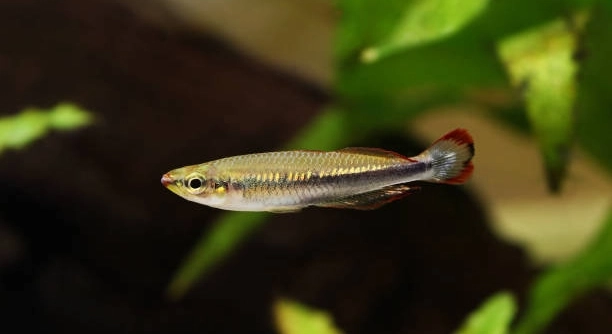
Keeping a rainbowfish in a home aquarium can be a joyful experience, yet these small, colorful creatures are often prone to stress. Their nervous behavior may appear sudden, leaving owners unsure of how to respond effectively.
To calm a nervous rainbowfish, it is essential to minimize sudden movements around the tank and reduce environmental stressors. Consistent water quality, proper hiding spots, and gentle interactions help create a stable environment that promotes relaxation and natural behavior.
Learning these techniques ensures a healthier, more comfortable life for your fish while making your aquarium a more peaceful and enjoyable space for observation.
Understanding Rainbowfish Stress
Rainbowfish are highly sensitive to changes in their environment. Sudden movements near the tank, loud noises, or aggressive tank mates can make them anxious. Even minor fluctuations in water temperature or pH can trigger stress responses. Observing their behavior closely helps identify patterns of nervousness early. Signs include darting movements, hiding excessively, or clamped fins. By recognizing these early indicators, you can adjust the tank conditions accordingly. Providing plants or decorations as hiding spots allows the fish to retreat when they feel threatened, reducing overall stress. Overcrowding should be avoided since it can intensify nervous behavior. Maintaining consistent feeding routines and avoiding sudden changes in diet also contributes to a calmer fish. Even the placement of the tank in a busy area can affect their comfort, so a quiet, stable location is recommended.
Small adjustments in their environment can greatly reduce anxiety and improve daily behavior.
Creating a stable environment requires attention to multiple factors. Water temperature should remain consistent within the species’ preferred range, and regular testing ensures pH, ammonia, nitrite, and nitrate levels stay safe. Avoid sudden decorations or tank rearrangements that could startle them. Feeding at predictable times with proper portions helps them feel secure and reduces competition. Introducing new fish gradually and monitoring interactions prevents aggression and stress. Subtle lighting changes or the presence of gentle tank currents can influence activity levels. Using floating plants or small caves provides both visual barriers and refuge areas. Observing their swimming patterns and adjusting the environment based on their responses ensures long-term calmness. These measures collectively promote natural behavior, reduce stress, and make the fish more interactive and comfortable. Over time, a well-managed tank encourages both their physical health and mental well-being.
Gentle Handling Techniques
Handling rainbowfish should be minimal to prevent stress and potential injury.
When interaction is necessary, use soft, slow movements and avoid sudden tapping on the glass. Nets should be gentle, and transferring fish should be done with care. Gradually acclimating them to new water or tanks reduces shock. Consistent routines in feeding, cleaning, and observation help the fish anticipate daily activities, which reduces anxiety. Limiting direct handling to essential tasks preserves their natural behavior. Even introducing new items or equipment should be done gradually to prevent startling them. Properly spacing out maintenance activities prevents overstimulation. Overall, calm and deliberate actions in all interactions support their comfort and encourage a more relaxed aquarium environment.
Adjusting Tank Environment
Proper tank setup reduces rainbowfish stress. Avoid overcrowding, provide hiding spots, and maintain consistent water conditions. Gentle lighting and stable placement of decorations help fish feel secure, while regular monitoring ensures a healthy environment that encourages natural behavior.
Plants and small caves serve as effective retreats, allowing fish to escape perceived threats. Water temperature should remain within their preferred range, and pH levels should be checked frequently. Avoid sudden rearrangements or introducing new items abruptly. Using quiet filters and minimizing vibrations in the tank also helps keep them calm. Observation of swimming patterns can guide adjustments for comfort and stress reduction.
Introducing floating plants or gentle water currents can further support their well-being. Adjusting tank conditions gradually, rather than making sudden changes, helps rainbowfish adapt without anxiety. A predictable feeding schedule combined with consistent water maintenance strengthens their sense of security. Over time, these environmental considerations create a stable habitat that encourages relaxed and healthy behavior, enhancing both the fish’s comfort and the overall enjoyment of the aquarium.
Feeding Practices for Calm Fish
Small, frequent feedings prevent stress from competition and overfeeding. Consistent schedules allow fish to anticipate meals and reduce anxiety during feeding times.
Use high-quality flakes, pellets, or frozen foods suitable for rainbowfish. Feed in small amounts that they can consume quickly to avoid leftover food polluting the tank. Rotating food types ensures proper nutrition and keeps fish engaged without causing digestive issues. Monitor their eating behavior to identify shy or nervous individuals and adjust feeding methods accordingly, possibly feeding them separately if necessary. Overfeeding can lead to water quality problems, which increases stress, so precise portions are crucial.
Observing their response during feeding helps maintain a calm environment. Gradually introducing new foods allows fish to adapt without panic. Avoid sudden changes in diet or feeding location. Ensuring clean water during feeding periods minimizes stress from poor conditions. By combining proper portions, consistent timing, and attentive observation, rainbowfish can remain relaxed and maintain healthy growth. These practices create a stable, predictable routine that supports both their physical and behavioral health in the aquarium.
Reducing Noise and Vibrations
Rainbowfish are sensitive to loud sounds and vibrations. Keeping the aquarium in a quiet area away from heavy foot traffic or appliances helps maintain a calm environment.
Minimizing tapping on the glass and avoiding sudden movements nearby prevents startling the fish. Soft background noise, like a gentle filter hum, is less stressful and allows them to swim naturally without anxiety.
Monitoring Water Quality
Regular water testing is essential to prevent stress. Checking ammonia, nitrite, nitrate, and pH levels ensures a safe habitat. Consistent water changes help maintain stability and prevent sudden fluctuations.
Keeping the water clean reduces the risk of illness and supports overall calm behavior. Observing the fish during these maintenance routines helps identify early signs of stress or discomfort, allowing timely adjustments to their environment. Proper filtration and gradual changes during water adjustments are key to maintaining a peaceful, healthy tank.
Avoiding Aggressive Tank Mates
Selecting compatible fish is crucial. Aggressive or territorial species can cause continuous stress and nervous behavior in rainbowfish.
FAQ
How can I tell if my rainbowfish is stressed?
Signs of stress in rainbowfish include hiding frequently, clamped fins, rapid swimming, or loss of appetite. Color fading and unusual lethargy are also indicators. Observing these behaviors regularly helps catch stress early and allows for timely adjustments in their environment.
What is the best tank size for rainbowfish to prevent stress?
Rainbowfish thrive in tanks that offer ample swimming space. A minimum of 30 gallons is recommended for a small group. Overcrowding can increase nervous behavior and aggression. Providing enough room for each fish reduces stress and promotes healthy social interaction.
How often should I check water parameters?
Water should be tested at least once a week for pH, ammonia, nitrite, and nitrate levels. Sudden fluctuations in water chemistry are a common source of stress. Regular testing and partial water changes maintain a stable environment and support calm behavior.
Can sudden lighting changes affect rainbowfish?
Yes, sudden changes in lighting can startle rainbowfish. Gradual transitions between light and dark periods help them adjust naturally. Using a timer for aquarium lights ensures consistency and reduces anxiety, allowing fish to develop predictable activity patterns.
Are hiding spots necessary for rainbowfish?
Providing hiding spots like plants, caves, or decorations is essential. These areas give fish a sense of security and reduce nervous behavior. Hiding spots also help during social interactions, offering refuge from more dominant tank mates.
How should I introduce new fish to the tank?
New fish should be quarantined and introduced gradually to prevent stress. Floating them in a bag or using a divider allows the rainbowfish to observe the newcomers without immediate contact. Close observation ensures aggression is minimized and stress levels remain low.
What is the proper feeding routine to keep rainbowfish calm?
Feed small amounts two to three times daily. Overfeeding can lead to water quality issues, which increases stress. High-quality flakes, pellets, or frozen foods provide balanced nutrition. Observing their eating behavior helps identify nervous individuals and adjust feeding techniques if necessary.
How do water temperature and pH affect nervous behavior?
Rainbowfish are sensitive to both temperature and pH changes. Maintaining stable conditions within their preferred range prevents stress. Sudden shifts can cause panic, hiding, or erratic swimming. Regular monitoring and gradual adjustments help the fish remain relaxed and healthy.
Can tank location impact stress levels?
Yes, placing the tank in a quiet area away from frequent activity or vibrations helps reduce nervous behavior. Avoiding high-traffic zones, loud appliances, or constant tapping on the glass keeps the environment calm and predictable for rainbowfish.
What should I do if my rainbowfish remains stressed despite adjustments?
Persistent stress may indicate health issues or incompatible tank mates. Reviewing tank conditions, water quality, and social dynamics is essential. Consulting an experienced aquarist or veterinarian can provide guidance to identify underlying problems and ensure the fish recovers its calm behavior.
How long does it take for a nervous rainbowfish to calm down?
The adjustment period varies depending on individual temperament and environmental conditions. With consistent care, proper hiding spots, stable water parameters, and minimal disturbances, most rainbowfish gradually display calmer behavior over several days to weeks. Patience and attentive observation are key.
Is handling rainbowfish ever necessary?
Handling should be minimal and only for essential tasks like tank transfers or health checks. Use slow, gentle movements and soft nets. Minimizing handling reduces stress and prevents injury, allowing fish to maintain natural swimming patterns and healthy behavior.
Do seasonal changes affect rainbowfish behavior?
Seasonal temperature fluctuations or changes in light duration can influence activity levels. Gradually adjusting tank conditions to mimic natural patterns helps prevent stress. Stable water conditions and consistent routines throughout the year support calm, healthy rainbowfish.
Can tank decorations reduce stress further?
Yes, thoughtful placement of plants, rocks, and caves creates visual barriers and retreat areas. These provide security during interactions with other fish and reduce exposure to sudden movements or shadows, helping nervous rainbowfish remain relaxed.
How important is routine observation for maintaining calm fish?
Regular observation allows early detection of stress, illness, or aggression. Noticing subtle changes in swimming patterns, appetite, or coloration enables timely interventions. A consistent observation routine ensures a stable, healthy, and peaceful environment for rainbowfish.
This FAQ provides clear steps and considerations to minimize stress and keep rainbowfish calm, supporting both their health and natural behavior.
Final Thoughts
Maintaining a calm and healthy environment for rainbowfish requires attention to several key factors. Stress can develop from even small changes in their surroundings, so consistent care is essential. Water quality plays a major role in their comfort, and monitoring parameters like temperature, pH, ammonia, nitrite, and nitrate levels ensures a stable habitat. Regular water changes help keep the environment clean and predictable. Overcrowding should be avoided, and the tank should provide enough swimming space for each fish. Hiding spots, such as plants, caves, or decorations, allow them to retreat when they feel anxious. Gentle lighting, minimal vibrations, and quiet surroundings reduce nervous behavior, helping rainbowfish feel safe and relaxed. Paying attention to these environmental factors creates a foundation for natural and healthy behavior, allowing the fish to thrive.
Feeding routines and diet also significantly impact their stress levels. Small, consistent feedings prevent competition and overfeeding, both of which can increase anxiety. Using high-quality food suitable for rainbowfish supports proper nutrition and overall health. Introducing new foods gradually allows them to adjust without panic, and observing their eating behavior helps identify more nervous individuals who may need special attention. Even the way you interact with the fish matters. Minimizing handling and using slow, gentle movements prevent startling them. When transfers or maintenance are necessary, careful techniques and patience reduce stress. By combining proper feeding, handling, and monitoring, rainbowfish are more likely to maintain calm and display natural behavior patterns, which ultimately contributes to their longevity and well-being.
Consistent care and observation are essential for keeping rainbowfish comfortable. Paying attention to subtle changes in behavior, such as hiding, clamped fins, or unusual swimming patterns, can indicate stress or health issues. Gradual adjustments in tank setup, lighting, or temperature help them acclimate without panic. Introducing new fish or decorations should always be done carefully to avoid disrupting the balance of the tank. Over time, these small but deliberate actions create a predictable and secure environment, which encourages calm and confident behavior. Maintaining a peaceful tank is not just about reducing stress but also about fostering a habitat where rainbowfish can flourish naturally. Patience and consistency in care allow you to enjoy their beauty and lively movements, knowing that their comfort and well-being are always a priority. With careful attention, your rainbowfish can live a healthy, calm, and active life in a stable and thoughtfully maintained aquarium.

Hello,
If you enjoy the content that we create, please consider saying a "Thank You!" by leaving a tip.
Every little bit helps us continue crafting quality advice that supports the health, happiness, and well-being of pets around the world, for pets of all shapes, sizes, and species.
We really appreciate the kindness and support that you show us!