
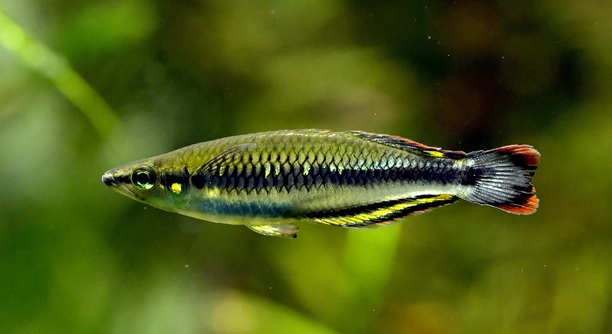
Rainbowfish are colorful, active fish that bring life to any aquarium. Many owners enjoy watching them swim, but their behavior can change when their environment lacks stimulation. Their daily routine may become predictable and dull without interaction.
Rainbowfish can exhibit signs of boredom when kept in unstimulating environments. Lack of enrichment, such as plants, hiding spots, or interactive objects, may lead to reduced activity, less social interaction, and changes in feeding behavior. Providing environmental variety supports their wellbeing.
Adding simple elements to an aquarium can make a significant difference in rainbowfish behavior. Observing how they respond to new objects or plants reveals the importance of a varied habitat for their overall health.
Understanding Rainbowfish Behavior
Rainbowfish are naturally active and social creatures. In a bare tank, they may swim less or hide more often, showing signs of stress or boredom. I have noticed that adding even a few decorations, such as plants or rocks, makes them more curious and lively. These fish respond to movement and changes around them, so rotating ornaments or introducing safe hiding spots can keep them engaged. Their colors also seem brighter when they are active and stimulated. Feeding times become more interactive when there are objects to explore or areas to investigate. Observing their social interactions, like chasing or schooling together, can indicate they feel comfortable and mentally engaged. Without enrichment, rainbowfish may exhibit repetitive or slow swimming, which suggests their environment is too plain. Simple adjustments in their habitat can significantly improve their overall wellbeing. Small changes are easy to implement but yield noticeable results in behavior and appearance.
Providing plants, rocks, or small decorations encourages activity. A varied environment keeps rainbowfish curious and reduces stress effectively.
Environmental enrichment for rainbowfish goes beyond simple decorations. Introducing floating plants, tunnels, or leaf litter allows them to explore and mimic natural behaviors. These objects offer hiding spots, territories, and spaces for social interaction. I have observed that even rearranging the tank occasionally keeps their behavior dynamic and prevents them from becoming inactive. Live plants also improve water quality and provide subtle stimuli that maintain their interest. Feeding in different areas or using food puzzles encourages natural foraging behavior, which can reduce aggression and improve their physical health. Boredom often leads to dull colors or lethargic movements, but these environmental changes counteract those effects. Observing the fish interact with enriched spaces highlights the connection between mental stimulation and physical health. Consistency in providing a changing but safe environment is key. This helps rainbowfish thrive, feel secure, and display their full potential in activity and coloration.
Signs Your Rainbowfish Needs Enrichment
Reduced swimming and hiding often indicate boredom or stress in rainbowfish. They may ignore food or avoid social interaction.
Fish showing repetitive swimming patterns, fading color, or increased aggression are often unstimulated. Observing these behaviors early helps correct environmental shortcomings. Proper enrichment restores activity levels and social harmony, keeping rainbowfish healthy and visually vibrant in their habitat. Regular monitoring and minor changes ensure they remain engaged and comfortable, ultimately enhancing both their mental and physical wellbeing.
Creating an Engaging Aquarium
Adding plants, rocks, and tunnels immediately increases rainbowfish activity. They explore more, interact with their surroundings, and display brighter colors. Even small changes in arrangement can spark curiosity. Rotating decorations periodically keeps the tank from feeling static and helps prevent boredom.
Live plants, artificial ornaments, and varied substrates create a stimulating environment. I’ve noticed that rainbowfish spend more time exploring when they have hiding spots or elevated areas. Floating plants provide shade and mimic natural conditions, while rocks and caves offer safe spaces for resting. Switching positions of these items every few weeks encourages them to investigate, improving both mental and physical activity. Even simple decorations like smooth stones or small driftwood can give them new places to swim around. Enrichment also supports natural behaviors, like schooling, chasing, and territorial exploration, which keep the fish engaged.
Food-based enrichment is another effective strategy. Introducing live or frozen foods, scattering flakes in different areas, or using small feeding puzzles encourages foraging behavior. I’ve seen my rainbowfish become more alert and energetic during mealtimes when food is not always in the same spot. Varying feeding times slightly also helps maintain their curiosity. These small efforts reduce repetitive swimming and lethargy. Over time, they respond with livelier movements and improved social interaction. The combination of environmental and food enrichment ensures a balanced, stimulating habitat that promotes overall wellbeing and encourages natural behaviors consistently.
Monitoring Activity and Health
Regularly observing swimming patterns and color vibrancy shows their engagement level. Sudden lethargy or faded colors can indicate boredom or stress.
Keeping track of behavior helps identify problems early. I check daily how often they explore, interact with objects, or respond to food. If activity decreases, I rearrange decorations or introduce new enrichment. Monitoring social interactions is also useful. Aggression or isolation may mean they need more hiding spots or environmental complexity. Small, consistent adjustments maintain interest and prevent stress. A healthy, active rainbowfish is more colorful, social, and responsive, which reflects the success of enrichment strategies.
Choosing the Right Plants
Live plants provide shade and hiding spots that rainbowfish use frequently. They also improve water quality and make the aquarium feel more natural. Including a variety of tall and short plants encourages exploration and gives the fish places to rest or play.
Artificial plants can be useful when maintenance of live plants is difficult. Smooth, non-toxic decorations prevent injuries while still offering shelter. Mixing both live and artificial plants creates a dynamic environment that keeps rainbowfish engaged and reduces stress. Regularly rearranging them adds new areas to explore without changing the tank entirely.
Toys and Accessories
Adding tunnels, rocks, and floating objects stimulates exploration and activity. Rainbowfish use these items to hide, swim around, or investigate, which promotes natural behavior. I’ve noticed my fish become livelier when small changes are made, even just shifting rocks or adding a new decoration.
Feeding as Enrichment
Varying food type and presentation encourages active foraging. Scattering flakes or using feeding toys engages rainbowfish mentally and physically. Small changes in feeding locations keep them alert and curious. Rotating live, frozen, or pellet foods also ensures balanced nutrition while supporting natural hunting instincts.
Observation Tips
Watch for repeated patterns or avoidance behaviors, which indicate boredom or stress. Noting these signs helps maintain a healthy, active aquarium.
FAQ
How do I know if my rainbowfish is bored?
Boredom in rainbowfish often shows through changes in behavior. They may swim in repetitive patterns, hide more than usual, or show reduced interest in food. Colors may become dull, and social interactions can decrease. I have observed that even small changes in the tank, like rearranging decorations, can revive their activity.
What types of enrichment are best for rainbowfish?
A mix of live plants, artificial decorations, rocks, and tunnels works well. Floating plants add shade and mimic natural habitats. Smooth rocks or driftwood provide resting or hiding spots. Food-based enrichment, like scattering flakes or using feeding puzzles, encourages natural foraging and keeps their minds active.
How often should I change the aquarium setup?
Changing the tank layout every few weeks helps maintain interest. I usually move decorations or introduce new hiding spots periodically. Too frequent changes can stress the fish, so small, gradual adjustments are better than drastic rearrangements.
Can rainbowfish get stressed from too much enrichment?
Yes, overcrowding the tank with decorations or constant changes can cause stress. Observing their behavior is key. If they hide excessively or show aggressive interactions, reduce the number of objects or simplify the layout temporarily. A balanced environment is always best.
Are live plants necessary for rainbowfish?
Live plants are not strictly necessary but are highly beneficial. They improve water quality, provide natural hiding spots, and create a stimulating environment. Artificial plants can substitute if maintenance is difficult, but combining both often produces the best results.
What role does social interaction play in enrichment?
Rainbowfish are social and do best in small groups. Interactions like schooling, chasing, or displaying colors are natural behaviors. Lack of companions or social stimuli can lead to boredom. I keep at least six in my tank to encourage healthy social behavior and prevent loneliness.
How can feeding improve enrichment?
Varying food types and presentation makes feeding a stimulating activity. Live or frozen foods, scattered flakes, and small feeding puzzles encourage foraging. Changing feeding locations or adding obstacles promotes natural hunting behavior and keeps rainbowfish mentally engaged while maintaining proper nutrition.
How do I monitor enrichment effectiveness?
Observe swimming patterns, color vibrancy, and social interactions regularly. Active exploration, bright colors, and engaged schooling indicate a healthy, enriched environment. Lethargy, repetitive swimming, or aggression suggest changes are needed. Keeping notes on behavior helps track improvements or declines over time.
Can enrichment prevent health issues?
Yes, enrichment supports mental and physical health. Active fish are less likely to overeat, become stressed, or develop disease. Exercise from exploring and foraging strengthens muscles, while varied environments reduce stress-related illnesses. I have noticed that rainbowfish in enriched tanks are generally more vibrant and energetic.
Is it expensive to provide enrichment?
Not necessarily. Simple plants, rocks, and small decorations are affordable. Even rearranging existing items regularly counts as enrichment. Food-based activities often require minimal extra cost. Small, thoughtful changes are usually enough to keep rainbowfish active and content.
How long does it take to see results from enrichment?
Results are often noticeable within a few days to weeks. Fish may start exploring more, interacting socially, or showing brighter colors. I have observed immediate curiosity when introducing a new tunnel or plant, with more sustained activity following consistent environmental updates.
Can rainbowfish adapt to plain tanks?
They can survive, but their mental stimulation and overall wellbeing may be compromised. Plain tanks often lead to boredom, reduced activity, and dull colors. Adding even small amounts of enrichment can drastically improve behavior, social interaction, and general health.
Are there risks to using artificial decorations?
Only if they are sharp or made from unsafe materials. Smooth, non-toxic ornaments are best. I make sure any additions are free of rough edges or chemicals that could harm the fish. Properly cleaned and safe objects enhance the tank without risk.
Is enrichment more important than tank size?
Both matter. A larger tank provides more space for swimming, but even a small tank can be stimulating with the right enrichment. I focus on balancing space and objects, ensuring rainbowfish can explore freely without overcrowding or feeling confined.
How do I introduce enrichment to shy rainbowfish?
Introduce changes gradually. I start with one new object at a time and observe how they react. If they explore it over a few days, I may add more. For very timid fish, leaving familiar decorations in place while slowly adding new elements works best to avoid stress.
Does enrichment affect breeding?
Yes, a stimulating environment encourages natural behaviors, including breeding. Hiding spots, plants, and gentle water currents create secure areas for laying eggs. Healthy, engaged fish are more likely to exhibit natural courtship and spawning behaviors compared with unstimulated fish.
Can enrichment reduce aggression?
Properly arranged hiding spots and environmental variety can reduce conflict. When each fish has territory or access to cover, there is less competition. I noticed that adding caves and plants reduced chasing and aggressive displays in my tank, making the group calmer overall.
Should enrichment differ for young versus adult rainbowfish?
Young fish benefit from open swimming areas and small hiding spots, while adults appreciate larger shelters and more complex structures. Gradually increasing enrichment complexity as they grow keeps them active and mentally stimulated throughout their life stages.
Are there signs that enrichment is working?
Yes, active exploration, bright coloration, frequent schooling, and curiosity during feeding indicate success. I notice my rainbowfish spend less time hiding and more time interacting with both the environment and each other when enrichment is effective. Consistent observation ensures long-term results.
Can enrichment replace social interaction?
No, enrichment complements social needs but does not replace them. Rainbowfish require companions to exhibit natural schooling and social behaviors. I keep multiple fish together while also providing objects and food-based activities for mental stimulation. This combination maintains both social and environmental engagement.
How do I balance enrichment and maintenance?
Select decorations and plants that are easy to clean and safe for the fish. I rotate or rearrange items without adding excessive work, and live plants are trimmed regularly. Food-based enrichment is also simple, requiring minimal cleanup while providing mental stimulation.
Can enrichment improve overall happiness in rainbowfish?
Yes, engaging environments reduce stress, encourage natural behaviors, and enhance coloration. I’ve observed that fish in enriched tanks are more active, social, and responsive. Even small adjustments, like adding plants or varying feeding routines, contribute to their overall wellbeing and contentment.
What is the simplest way to start enrichment?
Start with a few plants, a rock, or a small tunnel. Observe how the fish interact and gradually add more elements. I find that even minor changes make a noticeable difference in behavior and activity, giving rainbowfish a more interesting and fulfilling habitat.
How often should I rotate enrichment items?
Rotation every few weeks keeps fish curious without causing stress. I usually move a plant or decoration slightly each time. This prevents monotony while maintaining familiarity, which encourages exploration, activity, and overall mental stimulation in the aquarium.
Does enrichment affect lifespan?
Indirectly, yes. Active and stress-free fish are less prone to disease and physical decline. Proper mental stimulation supports health, reduces aggression, and encourages exercise, all of which contribute to a longer, healthier life for rainbowfish.
Final Thoughts
Rainbowfish are active, social fish that thrive when their environment is engaging. A bare tank can quickly lead to boredom, stress, and reduced activity. Simple enrichment, such as plants, rocks, tunnels, or floating objects, encourages exploration and natural behaviors. I have observed that even small additions make a noticeable difference. Fish begin to interact more with their surroundings, swim with purpose, and display brighter colors. Providing areas to hide and explore mimics their natural habitat, which helps them feel secure. Mental stimulation is just as important as physical space, and enrichment gives them both. Even minor adjustments, like moving decorations or introducing new feeding routines, can transform their daily behavior. Rainbowfish respond quickly to positive changes, showing increased curiosity, social interaction, and overall engagement with their environment. This highlights how much their wellbeing depends on a carefully thought-out aquarium setup.
Food-based enrichment is another key factor for maintaining active and healthy rainbowfish. Scattering flakes, offering live or frozen foods, and using feeding puzzles encourage natural foraging behavior. I have noticed that my fish become more alert and energetic when feeding is interactive rather than predictable. Rotating feeding locations and types of food keeps them interested and prevents repetitive patterns. Active foraging also promotes physical exercise, which contributes to overall health. Fish that are mentally and physically stimulated are less likely to develop stress-related issues or exhibit signs of lethargy. Combining environmental and feeding enrichment ensures rainbowfish remain engaged throughout the day, maintaining both mental and physical wellbeing. A consistent yet varied approach keeps the aquarium lively and supports their natural instincts. It also strengthens the bond between the fish and their surroundings, making the tank feel more dynamic and alive.
Monitoring rainbowfish behavior is crucial to understanding the effectiveness of enrichment. Observing swimming patterns, social interactions, and color vibrancy provides insight into their overall health. I keep an eye on activity levels and note any changes in behavior, which helps identify when additional enrichment is needed. Signs such as repetitive swimming, fading colors, or avoidance behaviors indicate boredom or stress. Making small, gradual changes can restore interest and engagement. Over time, enriched environments reduce aggression, support social interactions, and enhance natural behaviors like schooling, exploring, and foraging. Even small, simple adjustments make a significant difference in the lives of rainbowfish, proving that a thoughtful, stimulating habitat directly impacts their health and happiness. Creating a balanced aquarium with a mix of decorations, plants, and feeding challenges ensures rainbowfish are active, engaged, and thriving.

Hello,
If you enjoy the content that we create, please consider saying a "Thank You!" by leaving a tip.
Every little bit helps us continue crafting quality advice that supports the health, happiness, and well-being of pets around the world, for pets of all shapes, sizes, and species.
We really appreciate the kindness and support that you show us!