
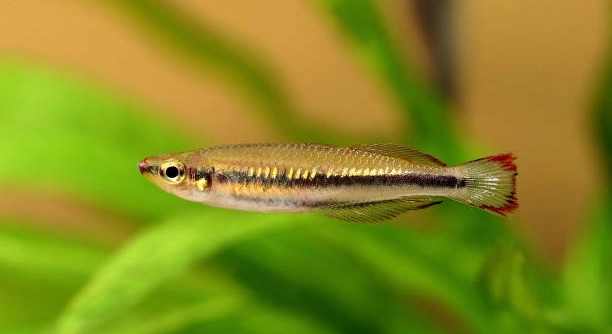
Do you ever find yourself setting up a small freshwater tank and wondering how your Rainbowfish will adapt? These colorful fish bring life to any aquarium, but their social needs are sometimes misunderstood by new hobbyists.
Rainbowfish can survive alone, but they thrive better in groups. Keeping them solitary may lead to stress, reduced activity, and muted coloration. A small school provides social interaction, promotes natural behaviors, and supports overall health and wellbeing.
Understanding the pros and cons of solitary housing will help you make informed decisions for your Rainbowfish’s care and happiness in your aquarium setup.
Understanding Rainbowfish Social Behavior
Rainbowfish are naturally social creatures that prefer the company of others. In the wild, they swim in schools, which helps them feel secure and reduces stress. When kept alone, Rainbowfish may hide more often and show less activity, which can affect their overall health. Social interaction encourages natural behaviors such as foraging, playful swimming, and color display, which are often muted in solitary fish. Observing Rainbowfish in groups can be rewarding, as their interactions are lively and dynamic. Even a small group of three to five fish can significantly improve their wellbeing, making them more active and visibly vibrant. Lack of social stimulation can sometimes lead to health issues or shortened lifespan. It is also important to consider tank size and water conditions, as these factors influence how well Rainbowfish adapt to either solitary or group living. Ensuring a suitable environment enhances their comfort and longevity in captivity.
Maintaining a group improves Rainbowfish activity and coloration, making their behavior more natural and lively compared to solitary individuals.
Groups encourage Rainbowfish to explore the tank more actively. In a social setting, they display a variety of behaviors that are essential for their mental and physical health. Solitary fish may show signs of stress such as reduced appetite or lethargy. Providing visual stimuli, plants, and hiding spots can also help, but these do not replace the benefits of schooling. Observing social interactions can help you understand their preferences and adapt tank conditions accordingly. Overall, supporting their social needs ensures a healthier, more vibrant aquarium.
Pros of Keeping a Rainbowfish Alone
Some aquarists prefer keeping a Rainbowfish alone to simplify tank management or avoid conflicts. Solitary housing can reduce aggression, especially in smaller tanks where space is limited.
A lone Rainbowfish can survive independently if water quality and diet are properly maintained. While they may appear calmer, they often exhibit less vibrant coloration and reduced activity levels. With consistent care, including proper temperature and nutrition, a single Rainbowfish can live comfortably. Providing enrichment like plants, decorations, and visual stimulation is essential to prevent boredom and stress. Though solitary living is possible, it does not replicate natural behaviors or social dynamics seen in groups. Choosing this approach requires careful observation and dedication to maintaining optimal conditions. Aquarists must monitor signs of stress and adjust care routines accordingly. This method may suit tanks with very limited space but is less ideal for long-term behavioral enrichment. Proper attention ensures that even solitary Rainbowfish remain healthy and responsive, though they may never reach the full vibrancy seen in schools.
Cons of Keeping a Rainbowfish Alone
Solitary Rainbowfish often show signs of stress, including hiding, reduced activity, and muted coloration. Lack of social interaction can affect their overall health, making them more vulnerable to disease or shorter lifespans in captivity.
Rainbowfish are naturally inclined to school, and isolation deprives them of essential social behaviors. In a group, they engage in coordinated swimming, establish pecking orders, and display bright colors that indicate health and vitality. Alone, these behaviors are suppressed, leading to boredom and lethargy. Stress from isolation may also weaken their immune system, making them more susceptible to illness. Providing enrichment like plants or decorations helps, but it cannot replace interaction with other fish. Observing a Rainbowfish alone reveals quieter, less dynamic behavior compared to those in groups, which can be discouraging for aquarists who enjoy active, colorful displays.
Some solitary Rainbowfish adapt over time, but their growth and overall vibrancy are often reduced. Without companions, they may show minimal interaction with their environment, spending long periods in hiding. While proper diet, water quality, and enrichment can mitigate some negative effects, the absence of schooling limits their full behavioral potential. Long-term solitary care requires consistent monitoring to ensure they remain healthy and stimulated. For many, the benefits of social housing outweigh the convenience of keeping a single fish. Choosing solitary living should be balanced with awareness of these limitations.
Tips for Keeping a Rainbowfish Alone
Careful tank setup and environmental enrichment are essential for solitary Rainbowfish to thrive and remain healthy.
Providing ample swimming space, plants, and hiding spots helps reduce stress and encourages activity. Maintaining stable water conditions, including temperature, pH, and filtration, is critical. A varied diet supports coloration and immune function, compensating for the lack of social stimulation. Observing the fish closely allows early detection of stress or illness. Interactive enrichment, such as rearranging decorations periodically, can simulate exploration. Even solitary Rainbowfish benefit from visual interaction with their reflection or other non-aggressive fish species. Regular monitoring and adjustments to the tank environment ensure that their physical and mental wellbeing is supported, helping them remain active, colorful, and healthy despite living alone.
Ideal Tank Conditions for a Solitary Rainbowfish
A larger tank helps a solitary Rainbowfish feel comfortable and reduces stress. Providing hiding spots and live plants creates a sense of security, which encourages natural behavior and activity.
Stable water parameters are crucial. Maintaining appropriate temperature, pH, and cleanliness helps prevent illness and supports long-term health.
Feeding a Rainbowfish Alone
A varied diet is important for a solitary Rainbowfish to stay healthy and vibrant. High-quality flakes, frozen foods, and occasional live treats provide essential nutrients and support coloration and energy levels.
Monitoring Behavior and Health
Regular observation is necessary to ensure a solitary Rainbowfish remains active and healthy. Watch for changes in swimming patterns, appetite, or coloration, which may indicate stress or illness. Prompt adjustments in care can prevent long-term health issues and maintain overall wellbeing.
Tank Mates Considerations
If introducing tank mates, choose peaceful species that will not stress the Rainbowfish. Avoid aggressive or overly active fish to ensure a calm environment for solitary living.
FAQ
Can a Rainbowfish live alone long-term?
Yes, a Rainbowfish can survive alone if tank conditions are carefully maintained. However, long-term solitary living is not ideal for their natural behavior or coloration. They may become less active and display muted colors compared to those kept in groups.
Will a Rainbowfish get depressed if alone?
Rainbowfish do not experience depression like humans, but they can become stressed or bored when isolated. Stress may lead to hiding, reduced appetite, and lethargy. Providing environmental enrichment, like plants and decorations, can help, but social interaction remains the most effective way to reduce stress.
How many Rainbowfish should be kept together?
A small group of three to five Rainbowfish is often recommended. This allows them to interact naturally, swim actively, and display vibrant colors. Larger groups can be used if the tank is spacious, but overcrowding should be avoided to prevent aggression or water quality issues.
Can a solitary Rainbowfish still show vibrant colors?
They can, but colors may be less intense than in a group setting. Proper diet, lighting, and water quality can help enhance their coloration, though social interaction plays a key role in maintaining brightness and vibrancy.
Is it safe to mix a solitary Rainbowfish with other fish?
Yes, but choose peaceful, non-aggressive species. Avoid fish that nip fins or dominate the tank, as this can stress the Rainbowfish and reduce their activity and health. Observe interactions closely during the initial introduction.
What tank size is suitable for a single Rainbowfish?
A minimum of 20 gallons is recommended for a solitary Rainbowfish. More space allows them to swim freely, explore, and reduce stress. Adding plants, rocks, and hiding spots helps create a comfortable environment that simulates their natural habitat.
How often should I feed a solitary Rainbowfish?
Feed them small portions twice a day. Offer a varied diet that includes high-quality flakes, frozen foods, and occasional live treats. Proper nutrition supports their health, activity, and coloration, especially when they lack social stimulation.
Can a solitary Rainbowfish reproduce?
A single Rainbowfish cannot reproduce alone. Mating requires a male and female to trigger natural breeding behaviors. Even if kept with other species, reproduction will not occur without compatible Rainbowfish partners.
How can I tell if my solitary Rainbowfish is stressed?
Signs of stress include hiding, clamped fins, loss of appetite, and dull coloration. Erratic swimming or rubbing against objects can also indicate discomfort. Adjusting tank conditions and providing enrichment can help alleviate stress.
Are solitary Rainbowfish more prone to illness?
Yes, isolation-related stress can weaken the immune system, making them more susceptible to disease. Maintaining clean water, stable conditions, and a nutritious diet reduces this risk. Regular monitoring is essential to catch issues early and ensure their wellbeing.
Can a Rainbowfish adapt to being alone?
Some Rainbowfish adapt over time, but adaptation does not replace natural social behaviors. They may become less active and less vibrant. Providing stimulation through plants, decorations, and occasional visual interaction with reflections or non-aggressive fish can support mental engagement.
Do solitary Rainbowfish require different water parameters?
Water requirements are similar to those in groups, but stability is more critical. Temperature, pH, and cleanliness must be carefully maintained, as solitary fish may be more sensitive to changes or poor conditions. Regular testing ensures a healthy environment.
Is it better to keep Rainbowfish in groups or alone?
While solitary care is possible, keeping Rainbowfish in groups is generally better for their behavior, health, and color display. Social interaction encourages natural activities and reduces stress, making group housing the preferred approach for long-term wellbeing.
Rainbowfish are beautiful and lively additions to freshwater aquariums, and their care depends greatly on understanding their social needs. While they can survive alone under proper conditions, solitary living often limits their natural behaviors. Rainbowfish are inherently social, thriving in small groups where they can swim together, display vibrant colors, and engage in interactions that keep them active and mentally stimulated. Without companions, solitary Rainbowfish may hide more, swim less, or show muted coloration, which can make their overall appearance and behavior seem less dynamic. Environmental enrichment, such as live plants, decorations, and hiding spots, can help offset some of these challenges, but it cannot fully replace the benefits of social interaction.
Maintaining a solitary Rainbowfish requires careful attention to water quality, diet, and tank setup. Stable parameters, including temperature, pH, and cleanliness, are essential for reducing stress and supporting health. A varied diet with high-quality flakes, frozen foods, and occasional live treats helps maintain energy levels and coloration. Providing a spacious tank with ample swimming room allows the fish to move comfortably and reduces feelings of confinement. Regular observation is critical, as changes in swimming patterns, appetite, or color may indicate stress or illness. Even with optimal care, solitary Rainbowfish may not reach the full vibrancy and activity levels that they display in small groups. Awareness of these limitations helps set realistic expectations for their behavior and appearance when living alone.
Deciding whether to keep Rainbowfish alone or in groups depends on the aquarist’s tank size, experience, and care routine. Solitary care can be manageable for smaller tanks or situations where space is limited, but it requires dedication to maintaining a stable and enriching environment. Group housing, however, aligns more closely with their natural instincts and promotes a lively, healthy, and visually appealing aquarium. Understanding the pros and cons of solitary versus social living allows aquarists to make informed decisions that support the fish’s wellbeing. Proper planning, consistent care, and attention to their social and environmental needs ensure that Rainbowfish remain healthy, active, and colorful, whether kept alone or in a small school.

Hello,
If you enjoy the content that we create, please consider saying a "Thank You!" by leaving a tip.
Every little bit helps us continue crafting quality advice that supports the health, happiness, and well-being of pets around the world, for pets of all shapes, sizes, and species.
We really appreciate the kindness and support that you show us!