7 Triggers That Can Shock Rasboras Instantly
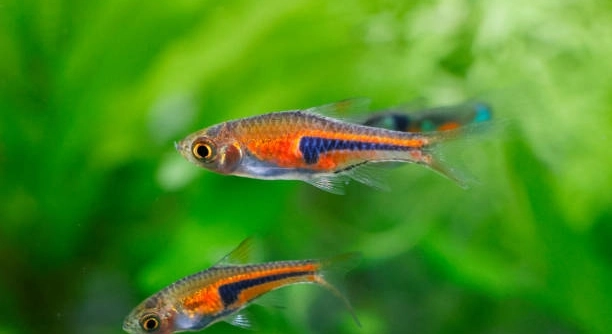
Do you enjoy keeping rasboras but notice they sometimes react suddenly to their environment? Even small changes in water, light, or surroundings can cause a noticeable shock, leaving your fish stressed and unsettled. Rasboras are sensitive to abrupt changes in their habitat. Common triggers include sudden light shifts, rapid water temperature fluctuations, strong currents, loud … Read more

7 Common Myths About Harlequin Rasboras

Harlequin rasboras are small, colorful fish that brighten up any aquarium. Many hobbyists enjoy keeping them, yet there are numerous misunderstandings about their care and behavior that can confuse new and experienced fish owners alike. Several myths about harlequin rasboras persist in the aquarium community. Common misconceptions include their tolerance for poor water conditions, dietary … Read more

Do Rasboras Prefer Long Tanks Over Tall?

Rasboras are small, active fish that bring color and life to any home aquarium. Their movement patterns and swimming habits make the choice of tank shape important for their well-being and overall comfort. Rasboras generally prefer long tanks over tall ones because they allow more horizontal swimming space, which aligns with their natural schooling behavior. … Read more

7 Ways to Encourage Natural Rasbora Behavior

Rasboras are small, peaceful fish that thrive in groups and natural environments. Watching them swim in harmony can be relaxing, but it often requires some care to support their natural behavior. A proper setup helps them feel secure. Encouraging natural rasbora behavior involves replicating their preferred environment, providing proper diet, maintaining water quality, and offering … Read more

How to Encourage Rasboras to Swim More

Rasboras are small, peaceful fish that bring life and color to any aquarium. Watching them swim gracefully can be relaxing, but sometimes they stay still and hide. Encouraging them to move more improves their health and vitality. The most effective way to encourage rasboras to swim more involves creating an enriched environment. Providing ample swimming … Read more

Are Rasboras Good for Community Tanks?

Have you ever considered adding small, colorful fish to a peaceful aquarium while hoping they coexist calmly with others and maintain balance, beauty, and harmony throughout a shared community tank environment designed for everyday homes. Rasboras are well suited for community tanks due to their peaceful temperament, small size, and schooling behavior. They thrive alongside … Read more

Why Do Rasboras Suddenly Lose Interest in Food?

Rasboras are small, lively fish that brighten any aquarium. They usually have a healthy appetite and eagerly accept most foods. Sometimes, however, they suddenly stop eating, leaving owners concerned and unsure of the reason behind this change. A sudden loss of appetite in rasboras is often caused by changes in water conditions, stress, illness, or … Read more

Why Are Rasboras Staying Near the Heater?

Rasboras are small, lively fish that many aquarium owners enjoy watching. Sometimes, these fish tend to gather near the heater instead of swimming around freely in their tank. Observing this behavior can be puzzling. Rasboras staying close to the heater is usually a response to cooler water temperatures in the tank. Warmer areas provide comfort … Read more

7 Harmless Tankmates Rasboras Get Along With

Small, peaceful fish like rasboras are a popular choice for community aquariums. Their calm nature makes them easy to care for, and they adapt well to various tank setups. Choosing the right companions is essential for harmony. Rasboras are compatible with a range of non-aggressive species, including neon tetras, corydoras, otocinclus, guppies, kuhli loaches, cherry … Read more

7 Reasons Rasboras Stop Grouping Together

Keeping rasboras in a healthy, happy school can be rewarding, but sometimes they stop grouping together. These small, peaceful fish thrive in social settings, and changes in behavior can signal stress or environmental issues. Rasboras stop schooling due to stress, poor water conditions, lack of proper tank mates, illness, insufficient space, or abrupt changes in … Read more