
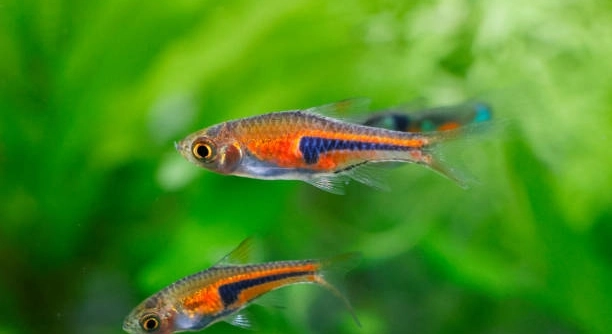
Rasboras are small, lively fish that brighten any aquarium. They usually have a healthy appetite and eagerly accept most foods. Sometimes, however, they suddenly stop eating, leaving owners concerned and unsure of the reason behind this change.
A sudden loss of appetite in rasboras is often caused by changes in water conditions, stress, illness, or dietary issues. Identifying the underlying factor is essential for restoring their feeding behavior and ensuring their overall health and well-being.
Observing subtle behavioral and environmental changes can help pinpoint the cause. This knowledge allows for practical steps to restore normal feeding habits.
Monitoring Health and Behavior
Regular observation of rasboras is essential for maintaining their appetite and overall well-being. Look for signs of illness such as faded colors, clamped fins, unusual swimming patterns, or lethargy. Water testing should be done frequently to ensure parameters like ammonia, nitrite, nitrate, pH, and temperature remain stable. Sudden changes in these conditions can stress the fish and reduce feeding interest. Keep an eye on interactions between tank mates, as aggression or competition can discourage eating. Note which foods are consistently rejected or accepted. Keeping a simple log of behavior, feeding habits, and water parameters can reveal patterns that might otherwise be overlooked. Prompt attention to any irregularities often prevents minor issues from developing into serious problems. Providing a calm environment and a balanced diet supports both physical health and a steady appetite.
Stress and minor illness are often identified early through careful observation. Quick action can prevent bigger problems.
A consistent monitoring routine allows owners to notice gradual changes in behavior or appetite. By tracking water conditions, food preferences, and social interactions, you can respond quickly to anything unusual. Small adjustments, such as isolating a sick fish, modifying the diet, or improving tank conditions, often restore normal feeding patterns. Observing feeding times, the quantity consumed, and activity levels provides valuable insight into overall health. Immediate attention to issues, even if minor, helps maintain a healthy and stable aquarium environment. Keeping records also makes it easier to detect recurring patterns that may affect appetite.
Preventing Future Appetite Issues
Maintaining stable tank conditions reduces the risk of feeding problems.
Preventing appetite loss involves consistent care and proactive steps. Regular water changes, monitoring temperature and pH, and keeping the tank clean are fundamental. Avoid overcrowding, and provide plenty of hiding spaces to reduce stress. A varied diet ensures rasboras receive all necessary nutrients, and feeding smaller amounts multiple times a day encourages consistent eating. Observing their behavior helps detect early signs of discomfort or illness. Avoid sudden changes in food type or environment, as rasboras are sensitive to abrupt disruptions. Gradual adjustments, combined with attentive observation, keep them healthy. Implementing these measures supports long-term feeding habits and minimizes the chance of sudden appetite loss. Consistency, patience, and attention to detail are key factors in maintaining healthy, active fish.
Understanding their specific preferences, tank setup, and responses to diet can prevent many common feeding problems. Ensuring water quality remains stable, maintaining a stress-free environment, and offering a varied diet are essential steps. Even small changes, like adjusting feeding frequency or improving hiding spaces, can have a significant impact on appetite. Observation and record-keeping help detect subtle signs of health or behavioral issues before they worsen. By addressing minor concerns early, owners can prevent feeding disruptions and maintain a balanced, thriving aquarium. Over time, these preventive measures create a stable environment where rasboras remain active, healthy, and consistently interested in food.
Adjusting Diet for Rasboras
Small, frequent feedings encourage consistent eating habits. Offering finely crushed flakes or micro-pellets helps ensure the fish can easily consume their meals. Rotate between frozen and live foods to maintain interest and provide proper nutrition. Avoid overfeeding, which can harm water quality and reduce appetite.
Observing which foods are accepted quickly allows for adjustments. Some rasboras prefer live or frozen options like daphnia, brine shrimp, or bloodworms, while others readily eat high-quality flakes. Gradually introducing new foods in small amounts prevents waste and reduces stress. Balanced nutrition supports overall health, coloration, and activity levels. Consistency in feeding times and portion sizes reinforces routine and encourages regular appetite. Maintaining a varied diet ensures rasboras receive essential nutrients, preventing deficiencies that can lead to lethargy or loss of interest in food.
Even minor changes in food texture or type can impact eating behavior. Offering a mix of foods in appropriate portions helps rasboras maintain appetite. Watching their preferences and adjusting accordingly ensures they receive the nutrients needed for healthy growth and activity. A consistent routine combined with varied diet options creates a stable environment for feeding, reducing the likelihood of sudden appetite loss. Small adjustments often have a noticeable impact, making feeding times more predictable and enjoyable for the fish.
Tank Environment and Comfort
Stable water conditions improve appetite and reduce stress in rasboras. Proper filtration, regular water changes, and optimal temperature are key factors.
Providing hiding spots and open swimming areas creates a secure environment. Plants, rocks, and decorations can reduce stress and encourage natural behavior. Avoid sudden movements or loud noises near the tank, as these can frighten the fish and discourage eating. Overcrowding should be avoided, as competition for food or territory often lowers appetite. Maintaining consistent lighting, water parameters, and temperature helps rasboras feel safe and comfortable, making them more willing to feed regularly. Observing how they interact with the environment helps identify areas for improvement.
Even small adjustments in the tank setup can influence feeding behavior. Adding gentle filtration, ensuring stable water parameters, and providing varied terrain improves comfort. Adequate swimming space and safe hiding spots reduce stress and encourage natural behaviors, including eating. Regular monitoring of water temperature, pH, and cleanliness prevents sudden disruptions that might affect appetite. Creating a calm and stable environment, combined with appropriate diet, strengthens feeding routines and overall health. Over time, rasboras respond positively to thoughtful changes, showing increased activity, improved coloration, and consistent interest in food.
Identifying Illness Early
Unusual behavior often signals illness. Lethargy, clamped fins, faded colors, or erratic swimming can indicate stress or infection. Early recognition helps address problems before they worsen.
Monitoring feeding patterns is crucial. A sudden refusal of food combined with physical changes often points to disease, requiring prompt attention and treatment.
Quarantine and Treatment
Isolating sick rasboras prevents the spread of disease. Use a separate tank with stable water conditions to monitor and treat affected fish. Administer medication according to the specific illness, whether bacterial, fungal, or parasitic. Keep the quarantine tank clean, and observe daily for changes in behavior or appetite. Adjust dosage carefully and remove uneaten medication to maintain water quality. Supporting recovery with proper nutrition and stress-free conditions improves outcomes. Recovery can take days to weeks depending on the illness, so patience and close monitoring are essential to ensure the fish return to normal feeding habits and overall health.
Seasonal Changes
Temperature fluctuations can affect appetite. Rasboras may eat less during colder months or sudden shifts in temperature.
Encouraging Social Feeding
Rasboras are schooling fish. Feeding them in groups encourages natural behavior and increases interest in food.
FAQ
Why are my rasboras ignoring food even though they seem healthy?
Even healthy-looking rasboras can temporarily lose interest in food. Minor stress from water changes, tank cleaning, or new additions can cause a short-term appetite drop. Observing behavior and maintaining stable water parameters often helps them resume feeding without intervention.
How long is it normal for rasboras to stop eating?
A brief period of one or two days is usually not a concern. Longer than three days may indicate stress, illness, or water quality issues. Monitoring their behavior, checking water parameters, and observing interactions with tank mates can help identify the cause.
Can water quality really affect their appetite that much?
Yes. Rasboras are sensitive to ammonia, nitrite, nitrate, temperature, and pH fluctuations. Even small changes can stress them, causing reduced interest in food. Frequent testing and gradual adjustments prevent sudden declines in feeding behavior.
Should I change their diet if they stop eating?
Introducing variety often helps. Offering finely crushed flakes, micro-pellets, frozen or live foods like brine shrimp and daphnia can encourage feeding. Avoid overfeeding, as excess food can worsen water conditions and increase stress. Gradual introduction of new foods works best.
Do rasboras eat less in winter or colder water?
Yes, seasonal or temperature changes can slow metabolism, leading to reduced appetite. Maintaining stable, optimal temperature and feeding smaller portions more frequently helps ensure they get enough nutrition without overfeeding.
Is it normal for some rasboras to eat while others refuse?
Yes, differences in temperament, hierarchy, or stress tolerance can cause uneven feeding. Observe interactions and provide multiple feeding spots to ensure all fish have access to food without competition.
How can I tell if my rasboras are sick?
Signs include faded colors, clamped fins, unusual swimming, lethargy, or sudden loss of appetite. Early recognition allows prompt treatment and prevents further health decline. Quarantine tanks are helpful for observation and care.
What role does stress play in feeding behavior?
Stress from overcrowding, aggressive tank mates, or sudden environmental changes can cause rasboras to stop eating. Providing hiding spots, stable water, and gentle handling reduces stress and supports regular feeding habits.
How often should I feed them if they are refusing food?
Feed small amounts once or twice daily while monitoring their response. Avoid large portions, as uneaten food can decay and harm water quality, which may worsen appetite loss. Patience is key during this adjustment period.
Can changing the tank setup improve feeding habits?
Yes, providing open swimming areas, adequate hiding spots, and stable lighting creates a secure environment. Rasboras respond positively to thoughtful adjustments, often resuming normal eating behavior when they feel safe and comfortable.
Should I use medication if they refuse food?
Only if illness is confirmed. Using medication unnecessarily can stress the fish and disrupt tank balance. Observe symptoms carefully and follow dosage instructions in a quarantine setup to ensure safety.
How do I encourage shy rasboras to eat?
Feed in quiet areas, reduce tank disturbances, and try offering live or frozen foods near their preferred hiding spots. Gradually, shy individuals often gain confidence and resume normal feeding behavior.
Can tank mates affect feeding habits?
Yes. Aggressive or fast-eating fish can intimidate rasboras. Ensure multiple feeding spots, or separate timid individuals temporarily, to reduce competition and support consistent feeding.
What are the signs of recovery after a feeding problem?
Improved activity, bright colors, normal swimming patterns, and consistent acceptance of food indicate recovery. Maintaining clean water, stable conditions, and appropriate diet ensures continued health and appetite.
Is it normal for rasboras to nibble instead of eat fully?
Yes. Minor changes in feeding style can occur due to stress or environmental changes. Consistency, patience, and observing patterns help determine if adjustments are needed to restore normal feeding.
How do I prevent appetite issues in the future?
Maintain stable water conditions, avoid sudden changes, provide a varied diet, and monitor behavior regularly. Thoughtful tank management reduces stress and supports long-term health and consistent feeding habits.
Rasboras are delicate, active fish that thrive in stable, well-maintained environments. Their appetite is a key indicator of overall health, so sudden changes in feeding behavior should not be ignored. Many factors can influence their interest in food, including water quality, stress, illness, and diet. Maintaining stable water parameters is essential, as even minor fluctuations in temperature, pH, or hardness can cause stress that reduces appetite. Regular water testing and careful observation of the tank help ensure the environment remains suitable for the fish. Overcrowding or aggressive tank mates can also impact feeding habits, so creating a balanced community is important. Providing hiding spots, plants, and open swimming areas allows rasboras to feel safe and reduces stress, which in turn supports regular feeding.
Diet plays a significant role in keeping rasboras healthy and interested in food. Offering a variety of foods, including finely crushed flakes, micro-pellets, and frozen or live options like brine shrimp or daphnia, ensures they receive proper nutrition and encourages consistent feeding. Introducing new foods gradually helps prevent rejection and avoids sudden disruptions in appetite. Small, frequent feedings are preferable to large, infrequent meals, as this reduces stress and waste while allowing the fish to consume food comfortably. Observing which foods are accepted most readily provides insight into individual preferences and dietary needs. Attention to portion size is also critical, as uneaten food can quickly degrade water quality, leading to additional stress and further loss of appetite. Regular monitoring of both feeding habits and environmental conditions supports long-term health and stability in the tank.
Patience and careful observation are essential when managing appetite issues in rasboras. Behavioral changes, minor illness, or temporary stress can lead to short-term feeding problems, but consistent care often restores normal eating patterns. Early identification of physical symptoms, such as faded colors, clamped fins, or unusual swimming, allows for timely action and treatment if needed. Maintaining a calm, consistent environment with stable water parameters, appropriate tank mates, and adequate hiding spaces reduces stress and promotes feeding. Record-keeping, including notes on diet, water quality, and behavior, can help detect patterns and prevent future problems. By combining proper nutrition, careful observation, and a supportive environment, rasboras are more likely to remain active, healthy, and consistently interested in food, creating a thriving and balanced aquarium.

Hello,
If you enjoy the content that we create, please consider saying a "Thank You!" by leaving a tip.
Every little bit helps us continue crafting quality advice that supports the health, happiness, and well-being of pets around the world, for pets of all shapes, sizes, and species.
We really appreciate the kindness and support that you show us!