
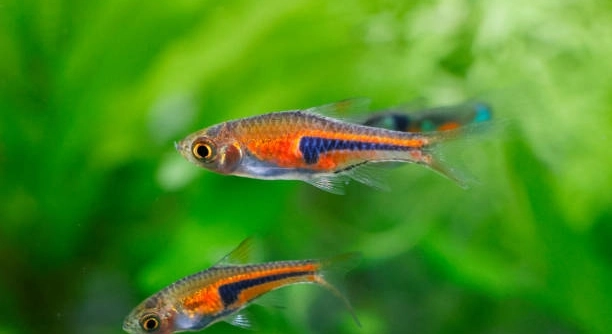
Do you enjoy keeping rasboras but notice they sometimes react suddenly to their environment? Even small changes in water, light, or surroundings can cause a noticeable shock, leaving your fish stressed and unsettled.
Rasboras are sensitive to abrupt changes in their habitat. Common triggers include sudden light shifts, rapid water temperature fluctuations, strong currents, loud noises, introduction of new tank mates, chemical changes, and excessive handling. Recognizing these factors can prevent unnecessary stress and mortality.
Identifying these triggers will help maintain a stable environment and promote your rasboras’ overall health and comfort in their aquarium.
Sudden Light Changes
Rasboras are highly sensitive to light, and sudden changes can startle them instantly. Turning on bright aquarium lights without a gradual increase or exposing them to direct sunlight can trigger stress responses. Even shadows cast by moving objects outside the tank can make them dart or hide. Maintaining a consistent light schedule helps them adjust and feel secure. Using dimmers or timed lights can prevent abrupt shifts, keeping their behavior calm and predictable. Over time, sudden flashes or flickering can also affect their coloration and feeding habits. Observing their reactions during light changes allows you to adjust intensity or duration to suit their comfort. Rasboras thrive in stable environments, so minimizing unexpected visual stimuli is key.
Gradual light adjustments are safer, reducing stress and helping rasboras maintain natural behavior patterns in the tank.
Careful placement of the tank away from direct sunlight, combined with a timer for artificial lights, ensures a consistent environment. Monitoring their movements when lights change can guide adjustments, improving their overall well-being and keeping them active but not alarmed.
Rapid Water Temperature Fluctuations
Rasboras react strongly to sudden temperature shifts, even a few degrees can be stressful.
Maintaining a stable temperature between 22–28°C is essential. Rapid changes from cold or hot water additions, heater malfunctions, or room temperature swings can shock them. Using a reliable heater with a thermostat, checking water before introducing it, and acclimating new water slowly prevents temperature stress. Sudden drops can reduce their immune response, making them more vulnerable to disease. A stable environment allows them to swim, feed, and interact naturally. Monitoring daily temperature ensures their habitat remains safe, minimizing unexpected reactions. Consistency in water temperature directly supports their health and behavior, reducing stress-induced hiding or erratic swimming. Adjustments should be slow and deliberate, ideally over 15–30 minutes, to allow them to acclimate without shock. Temperature fluctuations are often unnoticed but can have a lasting impact if not managed properly.
Regular checks and careful water changes are crucial. Keeping a thermometer visible helps maintain the right temperature range, preventing sudden stress and maintaining your rasboras’ natural vitality.
Strong Currents
Strong currents can overwhelm rasboras, making them swim frantically or hide. Tank pumps, filters, or added decorations that redirect water flow may create sudden surges they cannot anticipate.
Rasboras prefer gentle, steady currents that mimic their natural streams. Too much force can tire them, reduce feeding efficiency, and increase stress. Positioning filters away from their main swimming areas and using flow regulators helps maintain calm water movement. Observing their swimming patterns after adjusting flow indicates whether the current is suitable. Plants and decorations can act as natural buffers, breaking up fast water streams and providing resting spots. Avoid placing pumps near open areas where currents are strongest. A balanced flow allows them to explore and interact without being forced into hiding or frantic swimming, supporting their health and natural behavior.
Consistent, mild water movement promotes oxygenation while preventing sudden stress responses. Adjusting equipment gradually ensures they adapt comfortably without shock, keeping their environment stable and safe.
Loud Noises
Loud noises near the tank can startle rasboras instantly, causing them to scatter or hide for extended periods.
Household sounds like vacuum cleaners, televisions, or music at high volumes create vibrations they perceive as threats. Even sudden bangs or slams against walls can trigger panic responses. Using a quiet location for the aquarium reduces exposure to these stressors. Rasboras detect vibrations through their lateral line system, making them highly sensitive to sudden acoustic changes. Over time, repeated loud disturbances can alter swimming patterns and feeding habits, impacting overall health. Providing plants and décor offers hiding spots that help them feel secure, absorbing some of the vibrations.
Minimizing noise exposure supports calm behavior and reduces long-term stress. Regular observation ensures the tank remains a safe, peaceful environment, encouraging natural activity and feeding.
Introduction of New Tank Mates
Adding new fish can shock rasboras, especially if the newcomers are larger or more aggressive. Sudden changes in social dynamics may cause hiding or frantic swimming.
Rasboras are sensitive to unfamiliar movements and scents. Gradual introductions, using a quarantine tank or divider, help them adjust. Observing interactions closely prevents stress or injury.
Chemical Changes in Water
Chemical changes, such as chlorine, ammonia spikes, or pH shifts, can startle rasboras and harm their health. Even small alterations from tap water, medications, or cleaning products affect their comfort. Consistent water testing and partial water changes maintain a safe chemical balance. Sudden additions of fertilizers, treatments, or salts should be avoided or introduced slowly. Rasboras rely on stable water conditions to swim, feed, and interact naturally. A rapid chemical shift triggers stress responses that can weaken immunity and reduce lifespan. Monitoring water parameters daily ensures quick corrective actions, keeping the aquarium safe. Using dechlorinators and maintaining proper filtration supports long-term water stability.
Excessive Handling
Frequent or rough handling can immediately stress rasboras, making them dart or hide.
FAQ
What should I do if my rasboras are suddenly stressed?
If rasboras show signs of stress like rapid darting, hiding, or loss of color, check for immediate environmental changes. Assess lighting, temperature, water chemistry, and tank activity. Correcting abrupt shifts and maintaining a calm, stable environment helps them recover. Adding plants or decorations as hiding spots can reduce anxiety. Avoid sudden handling or water changes while they are stressed, and monitor behavior closely for improvement over the next hours.
Can sudden light changes really harm my rasboras?
Yes, abrupt light changes can startle rasboras and trigger stress responses. Bright lights turned on too quickly or moving the tank into direct sunlight can cause frantic swimming, hiding, or reduced feeding. Gradual light adjustments and consistent schedules help them adapt and maintain normal behavior. Using floating plants or dimmers can soften light intensity, providing a secure environment that reduces shock.
How quickly should I acclimate new water?
Water should be added slowly, ideally over 15–30 minutes, to prevent temperature and chemical shock. Sudden additions, even if filtered or treated, can disturb pH, hardness, or temperature, affecting rasboras’ comfort. Using a drip acclimation method or slowly mixing new water with tank water minimizes stress. Careful monitoring during this period ensures the environment remains safe. This practice is particularly important when performing partial water changes or introducing water from different sources.
Do loud noises affect rasboras long-term?
Repeated loud noises can have a lasting effect on rasboras. Vibrations from household appliances, slamming doors, or music can trigger panic and hiding behavior. Chronic stress can reduce feeding, weaken immunity, and cause long-term behavioral changes. Placing the aquarium in a quiet area and using dense decorations to absorb vibrations provides a safer environment. Regular observation ensures that they remain calm and active.
Are certain tank mates better than others?
Yes, peaceful, small fish that swim at similar levels are ideal companions. Larger or aggressive species can intimidate rasboras, triggering hiding or panic responses. Gradual introductions and using dividers initially allow acclimation without conflict. Observing social interactions ensures all fish coexist without stress. Avoid overcrowding, as this can also increase tension and reduce comfort for rasboras.
How can I tell if water chemistry is causing stress?
Signs include sudden hiding, loss of appetite, erratic swimming, or color fading. Regularly test for pH, ammonia, nitrite, and nitrate levels. Sudden spikes or drops can shock rasboras instantly. Correcting imbalances gradually, using dechlorinators, and maintaining consistent filtration supports stability and reduces stress. Daily monitoring helps prevent long-term health issues.
Is handling my rasboras ever safe?
Minimal handling is safe, but frequent or rough contact causes immediate stress. Use nets gently and only when necessary, such as during tank cleaning or medical treatment. Avoid chasing or touching them directly. Providing hiding spots and allowing natural swimming reduces the need for handling and keeps stress low.
How can I prevent sudden stress triggers?
Maintain stable lighting, water temperature, and chemistry. Introduce new tank mates slowly and provide hiding places. Limit exposure to loud noises and avoid sudden movements near the tank. Regular observation helps detect early signs of stress. Gradual changes and a predictable environment ensure rasboras remain calm, active, and healthy over time.
What are the most common signs of shock in rasboras?
Indicators include rapid darting, clamped fins, hiding, loss of appetite, or color fading. Erratic swimming and staying at the tank bottom are also common. Immediate assessment of environmental factors—lighting, water parameters, noise, and tank activity—can identify the source. Taking corrective measures quickly helps them recover.
Can temperature swings be fatal for rasboras?
Sudden drops or spikes in temperature can severely stress rasboras, weakening immunity and increasing disease risk. Maintaining 22–28°C with a reliable heater and thermometer is crucial. Gradual changes during water adjustments prevent shock. Observing behavior after temperature changes ensures they adapt safely and remain healthy.
Rasboras are delicate fish that respond quickly to changes in their environment. Their natural instincts make them sensitive to light, temperature, noise, and the presence of other fish. Even small disruptions in the tank can cause visible stress, such as darting, hiding, or reduced appetite. Understanding these triggers is key to creating a calm, stable environment that promotes their health and well-being. Observing their behavior daily allows you to notice early signs of stress, so adjustments can be made before issues worsen. Consistency in their habitat helps rasboras feel secure and reduces sudden shock reactions.
Maintaining stable water conditions is one of the most important aspects of caring for rasboras. Sudden changes in temperature, pH, or chemical levels can have immediate negative effects, while gradual adjustments allow the fish to adapt safely. Using a reliable heater, filtration system, and testing water regularly ensures that their habitat remains consistent. Light exposure should also be controlled, with gradual transitions and timers to simulate natural day and night cycles. Loud noises, strong currents, and frequent handling should be minimized, as these factors can quickly overwhelm rasboras and trigger stress. Providing plants, decorations, and hiding spots helps them feel secure and allows natural behavior without fear of sudden threats.
When introducing new tank mates, water, or equipment, it is important to do so carefully. Gradual acclimation reduces the likelihood of shock and allows rasboras to adjust without panic. Avoid overcrowding and aggressive species that may intimidate them. Even small adjustments, like using a divider or slowly mixing new water, can prevent stress. Observing their reactions and making corrections promptly ensures their long-term health and comfort. By paying attention to these details, you create a safe, predictable environment where rasboras can thrive, swim naturally, feed normally, and remain active. With consistent care, their behavior becomes stable, and stress is minimized, leading to a healthier, more enjoyable aquarium for both the fish and the caretaker.

Hello,
If you enjoy the content that we create, please consider saying a "Thank You!" by leaving a tip.
Every little bit helps us continue crafting quality advice that supports the health, happiness, and well-being of pets around the world, for pets of all shapes, sizes, and species.
We really appreciate the kindness and support that you show us!