
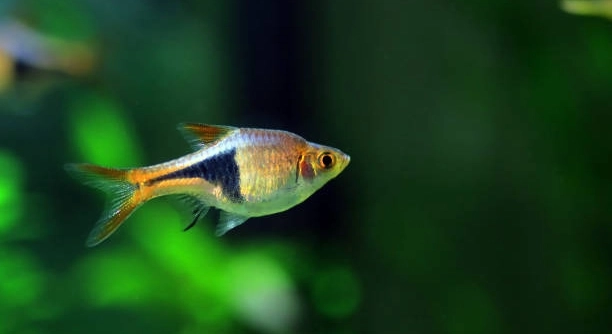
Keeping rasboras in a healthy, happy school can be rewarding, but sometimes they stop grouping together. These small, peaceful fish thrive in social settings, and changes in behavior can signal stress or environmental issues.
Rasboras stop schooling due to stress, poor water conditions, lack of proper tank mates, illness, insufficient space, or abrupt changes in their environment. Each factor disrupts their natural social behavior, causing them to scatter instead of swimming together harmoniously.
Understanding why rasboras separate can help improve their tank environment and overall well-being. Observing their behavior carefully reveals small but important signs of trouble.
Poor Water Conditions
Water quality is the most common reason rasboras stop schooling. Even minor fluctuations in temperature, pH, or ammonia levels can stress them. I noticed my own rasboras drifting alone when I skipped a water change. They need clean, stable water to feel safe. Regular testing and small, consistent water changes make a huge difference. Chlorine or heavy metals in tap water can also upset their balance. Adding a dechlorinator and monitoring nitrate levels keeps their environment stable. Filtration plays a role too; a gentle current works best. Overfeeding can pollute the tank quickly, causing the water to deteriorate and the fish to scatter. Observing their behavior daily helps detect subtle signs of stress before problems grow. Even small adjustments, like checking the heater or aeration, can encourage them back into a group. Maintaining water quality is not complicated, but consistency is key. Rasboras respond well when their environment remains steady and predictable.
Keeping the water clean helps rasboras feel secure and swim together naturally. Stability is essential.
Even when everything seems fine, subtle changes in water conditions affect schooling behavior. Temperature swings, high nitrates, or leftover food can stress rasboras, causing them to isolate. Watching them daily allows early detection, letting you correct minor issues quickly. I once observed that just reducing leftover food improved their group swimming noticeably. Proper filtration, gentle water flow, and consistent temperature create an environment that encourages their natural social behavior. Small, regular water changes prevent toxin buildup, while testing kits ensure the water remains within safe parameters. Rasboras are sensitive to sudden changes, so avoiding abrupt chemical additions or rapid temperature shifts is important. Over time, a stable tank keeps them active and cohesive as a school. Their comfort directly reflects in their willingness to group together, and attention to water quality is the most effective way to support that behavior.
Stress from Tank Mates
Aggressive or overly active tank mates can make rasboras uneasy. Even minor harassment causes them to swim separately and hide more often.
Stress from other fish can disrupt their schooling. Territorial species or larger fish create an environment where rasboras do not feel safe.
I once added a few larger cichlids to my tank, and my rasboras immediately stopped schooling. They spent most of their time in corners, darting away whenever the bigger fish came near. Rasboras need calm, compatible companions to swim in harmony. Fast-moving or nippy fish create constant stress, breaking up their natural group formation. Smaller, peaceful fish like tetras or small barbs generally coexist well, allowing rasboras to feel secure. Properly arranging hiding spots with plants and décor also helps them regain confidence. When they have safe spaces to retreat, they are more likely to swim in a coordinated group. Observing interactions and separating incompatible species quickly ensures the rasboras’ comfort. Keeping tank mates compatible is crucial to maintaining their natural schooling behavior.
Illness and Parasites
Sick rasboras often stop grouping together. Lethargy, faded color, or unusual swimming are signs that something is wrong. Prompt treatment and isolation can prevent the issue from spreading to the rest of the tank.
Illness in rasboras can be caused by bacterial infections, parasites, or fungal growth. When one fish becomes sick, it often separates from the school to conserve energy or avoid confrontation. I noticed my rasboras behaving oddly after introducing a new fish that later showed signs of disease. Quarantining new additions and observing them for a few weeks reduces this risk. Proper diet and maintaining optimal water conditions strengthen their immune system, helping prevent illness. Timely action is critical because infections can spread quickly in a small tank environment.
Parasites also make rasboras uneasy, causing them to hide or isolate. Small external parasites may irritate their skin or fins, affecting normal schooling behavior. Treating the tank with suitable medication and improving water hygiene usually restores their confidence and social activity. Consistent observation helps detect problems early, keeping the school intact and healthy.
Inadequate Tank Space
A cramped tank forces rasboras to swim separately and avoid each other. Overcrowding increases stress and aggression, making schooling impossible. Properly sized tanks encourage natural behavior and reduce conflicts between fish.
Rasboras need enough space to swim freely and form cohesive groups. In smaller tanks, limited swimming area causes them to scatter, as each fish competes for territory or hiding spots. I once kept a dozen rasboras in a 10-gallon tank, and they rarely grouped together. After upgrading to a larger tank, I observed them swimming in tight schools almost immediately. Plants and decorations also influence movement patterns; densely packed tanks can restrict their paths, forcing separation. Ensuring sufficient open swimming space and a balanced layout promotes their social behavior. Careful monitoring of stocking levels prevents overcrowding and helps maintain harmony.
Tank size directly impacts their comfort and ability to school. A larger, well-structured environment reduces stress, allowing them to display natural group behavior. Providing adequate space and thoughtfully placing décor improves visibility, movement, and overall confidence, encouraging rasboras to swim closely as a cohesive school.
Sudden Environmental Changes
Rasboras react strongly to sudden changes in their tank environment. Rapid temperature shifts, new lighting, or rearranged decorations can make them uneasy and break up their group swimming.
Even minor changes, like moving plants or introducing new equipment, can disrupt their routine. I noticed my rasboras scattering whenever I cleaned the substrate too aggressively. Gradual adjustments help them adapt without stress.
Inconsistent Feeding
Irregular feeding schedules can stress rasboras and affect their schooling behavior. When food is unpredictable, fish may compete or become anxious.
I found that feeding at consistent times each day helped my rasboras feel secure. They swam together more consistently when they could anticipate mealtime. Consistent portions prevent aggression and support healthy group dynamics.
Low Light Conditions
Dim or uneven lighting causes rasboras to feel insecure and separate. Proper illumination helps them see each other clearly and maintain their natural schooling behavior.
Overcrowding
Too many fish in one tank leads to stress and territorial disputes. Rasboras cannot swim freely, which causes them to isolate.
FAQ
Why do my rasboras suddenly stop schooling?
Rasboras may stop swimming together due to stress, illness, poor water quality, overcrowding, or changes in their environment. I’ve seen them scatter when I introduced new decorations too quickly. Gradual adjustments and stable water conditions usually help them return to normal schooling behavior.
Can water temperature affect rasboras’ schooling?
Yes, sudden drops or spikes in water temperature can make rasboras uneasy. They feel safer and swim closely when the temperature is stable. I keep a reliable heater and thermometer to avoid fluctuations, which helps maintain their natural group behavior consistently.
Does the number of tank mates influence their behavior?
Definitely. Aggressive or very active fish can stress rasboras, causing them to isolate. Peaceful tank mates encourage schooling. I once observed them hiding from larger, territorial fish, but when moved to a calm tank with small tetras, they immediately swam together.
How important is tank size for rasboras?
Tank size is crucial. Cramped tanks prevent them from swimming freely, leading to scattered behavior. I noticed my rasboras only swam in cohesive groups after moving from a 10-gallon tank to a 20-gallon tank, with plenty of open swimming space and plants for hiding.
Can illness cause rasboras to separate?
Yes. Sick or parasite-infected fish often leave the school. Lethargy, faded color, and unusual swimming patterns are signs. Isolating the affected fish and treating the tank prevents the spread and helps the rest feel secure enough to regroup.
Do feeding habits impact schooling?
Irregular feeding or overfeeding can stress rasboras. They may compete for food or hide when unsure of the schedule. Feeding at consistent times with measured portions keeps them calm and encourages natural group swimming, as I noticed in my own tank.
How do lighting and decorations affect schooling?
Poor lighting or sudden rearrangements can make rasboras feel insecure. Even moving a few plants can disrupt their routine. Gentle, consistent lighting and stable decorations help them swim together confidently. I learned that subtle changes over a few days work best.
Can water quality really cause rasboras to scatter?
Absolutely. High ammonia, nitrites, or nitrates, along with leftover food or debris, can stress them. Regular water testing, small water changes, and proper filtration keep the water safe. After adjusting my tank, my rasboras returned to tight schooling almost immediately.
What should I do if they stop grouping?
First, check water quality, tank mates, and tank size. Observe for signs of illness. Make gradual environmental adjustments and maintain feeding consistency. In my experience, combining these steps restores normal schooling behavior within a few days to a week.
Are rasboras naturally prone to separating?
Not usually. They are schooling fish by nature, and separation is often a sign of stress or discomfort. When they feel safe, with compatible companions, clean water, and enough space, they swim closely as a cohesive group, as I’ve observed repeatedly.
How long does it take for rasboras to regroup?
It depends on the cause. Minor adjustments in water conditions or tank layout may show results in a few days. Recovery from illness or stress can take longer, up to two weeks. Consistency and observation are key to helping them return to normal schooling.
Can overcrowding ever be fixed without moving fish?
Partially. Adding more hiding spots and rearranging decorations can reduce stress temporarily, but ultimately, a larger tank or fewer fish is the best solution. I noticed significant improvement only after adjusting stocking levels in my own setup.
Do rasboras have individual personalities affecting schooling?
Yes, some are more timid or dominant, which can influence group behavior. Even in healthy conditions, a few fish may wander more than others. Observing patterns helps identify if behavior is normal or stress-induced.
How can I prevent schooling problems in the future?
Maintain stable water conditions, compatible tank mates, proper tank size, consistent feeding, and gradual environmental changes. Regular observation and early intervention prevent most issues. I’ve found that attention to these details keeps my rasboras active, healthy, and schooling naturally.
Is it normal for rasboras to separate temporarily?
Occasionally, yes. Short-term separation can occur during feeding, exploring, or minor stress. Long-term separation usually signals a problem that needs addressing. I’ve seen my rasboras regroup quickly after minor disturbances when conditions remained stable.
What role do plants and hiding spots play?
Plants and decorations provide safety, reducing stress and encouraging schooling. Dense planting can help shy fish feel secure, while open swimming areas allow them to form tight groups. Balancing cover and space has always improved my rasboras’ group behavior noticeably.
Rasboras are naturally social fish that thrive in groups. When they stop schooling, it is often a clear signal that something in their environment is not ideal. Observing their behavior carefully is the first step to identifying potential issues. Changes in water quality, temperature, or lighting can make them feel unsafe, leading to separation. Overcrowding or incompatible tank mates can also cause stress, making it hard for them to maintain their natural swimming patterns. Even minor adjustments, like regular water testing, consistent feeding schedules, and gradual environmental changes, can make a noticeable difference. Ensuring that each factor is stable helps rasboras feel secure, which encourages them to swim together in harmony once again.
Illness and parasites are another common reason rasboras stop grouping. When a fish becomes sick, it often isolates itself from the school, which is a natural response to conserve energy and avoid confrontation. This separation can serve as a warning sign for the caretaker that action is needed. Quarantining new fish, maintaining optimal water conditions, and providing a balanced diet are effective ways to prevent illness. If a fish shows signs of stress or disease, prompt treatment is crucial to prevent the problem from affecting the rest of the school. Watching for changes in color, energy levels, and swimming behavior allows you to intervene early, keeping the group healthy and cohesive. In my experience, rasboras recover their social behavior quickly once their health concerns are addressed and the environment stabilizes.
Creating a tank that supports natural schooling behavior involves careful planning and consistent care. Providing adequate space, a balanced number of tank mates, and sufficient hiding spots encourages rasboras to feel safe. Open swimming areas are just as important as plant cover, as they allow the fish to form tight groups without feeling crowded. Gradual adjustments to tank decorations or equipment prevent sudden stress that can cause separation. Over time, consistency in water conditions, feeding routines, and tank management builds trust and security among the fish. Watching them swim together in a coordinated school becomes a sign that their environment meets their needs. By understanding these factors and paying attention to the small details, it is possible to maintain a healthy, active, and harmonious school of rasboras for the long term.

Hello,
If you enjoy the content that we create, please consider saying a "Thank You!" by leaving a tip.
Every little bit helps us continue crafting quality advice that supports the health, happiness, and well-being of pets around the world, for pets of all shapes, sizes, and species.
We really appreciate the kindness and support that you show us!