
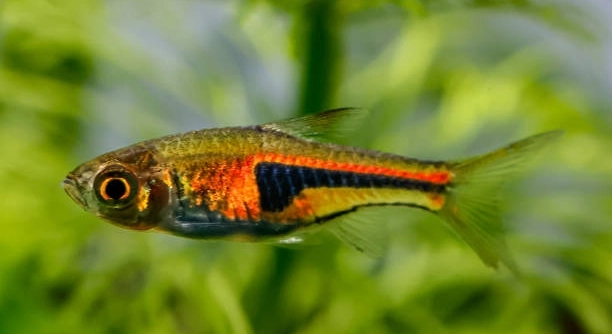
Have you ever considered adding small, colorful fish to a peaceful aquarium while hoping they coexist calmly with others and maintain balance, beauty, and harmony throughout a shared community tank environment designed for everyday homes.
Rasboras are well suited for community tanks due to their peaceful temperament, small size, and schooling behavior. They thrive alongside similarly calm species, contribute minimal aggression, and adapt reliably to stable water conditions commonly maintained in freshwater aquariums worldwide today.
Understanding compatibility, care requirements, and tank setup will help aquarists create calm environments that support healthy, long term community success.
Temperament and Behavior in Shared Tanks
Rasboras are known for their calm behavior, which makes them easy to place in mixed aquariums. I have always found their schooling nature reassuring, as they move together without bothering other fish. They rarely show territorial habits and spend most of their time swimming in open water. This reduces stress for bottom dwellers and slower species. Their small mouths also limit fin nipping, which is a common concern in community setups. When kept in proper group sizes, they appear more confident and less reactive. This consistency helps maintain balance inside the tank. Peaceful behavior is especially important in shared systems where space is limited. Rasboras adapt well to routine feeding schedules and do not compete aggressively for food. Overall, their predictable conduct supports a stable and harmonious aquarium environment for many compatible freshwater species under typical household maintenance conditions with consistent care and observation over time in smaller tanks setups.
Because they favor calm surroundings, rasboras pair best with species that share similar temperaments. I prefer combining them with small tetras, corydoras, or gentle livebearers. Avoiding aggressive fish prevents stress, injuries, and disrupted schooling behavior in community tanks and supports long term stability for every inhabitant involved within shared aquariums.
Tank size and layout also influence how rasboras behave in a community setting. I have noticed they display better color and movement when given horizontal swimming space. Plants provide security, while open areas allow schooling. Gentle filtration keeps water clean without creating strong currents. Stable parameters reduce tension among tank residents. Rasboras tolerate a range of conditions, but consistency matters most. Sudden changes can affect their appetite and activity. Providing soft lighting further encourages natural behavior. When these elements align, rasboras integrate smoothly and contribute to a calm, visually balanced aquarium that feels orderly and easy to maintain daily upkeep.
Care Requirements and Long Term Compatibility
Rasboras remain healthy when basic care needs are met consistently. I focus on clean water, quality flakes or micro pellets, and regular observation. Weekly maintenance supports immune strength and reduces losses. Their hardiness makes them suitable for aquarists seeking reliable community fish in shared freshwater tanks with routine schedules established.
Long term success with rasboras in community tanks depends on thoughtful planning and restraint. I have learned that overcrowding causes more problems than species choice. Maintaining appropriate group sizes allows natural schooling and lowers anxiety. Tank mates should match their peaceful nature and environmental preferences. Temperature stability, gentle water flow, and consistent feeding routines support overall health. It is also important to quarantine new arrivals to prevent disease spread. Rasboras respond well to gradual changes rather than sudden adjustments. When stress is minimized, they show steady growth and longer lifespans. Community tanks benefit from observing interactions regularly and adjusting stock when necessary. Rasboras rarely dominate resources, which helps maintain balance. Their presence often encourages calmer behavior in other small fish. With patience and simple upkeep, they remain dependable additions to shared aquariums for many years without demanding specialized care or constant intervention. This approach suits keepers who value predictability and calm displays. I appreciate how rasboras reward consistency rather than experimentation. By respecting their limits and observing subtle changes, aquarists can sustain peaceful tanks that remain visually pleasing, functional, and stable across changing seasons and varying household routines with minimal effort and clear maintenance habits over time indoors safely maintained.
Ideal Tank Mates for Rasboras
Rasboras coexist best with small, calm species that share similar water needs. I usually choose peaceful tetras, corydoras, and dwarf gouramis. These fish ignore rasboras and occupy different tank levels, which reduces competition, supports steady feeding routines, and keeps movement evenly distributed across the aquarium without causing stress or aggression.
Small schooling fish work well because their behavior mirrors rasboras. Harlequin rasboras especially blend well with ember tetras and rasboras of other varieties. Bottom dwellers like kuhli loaches help balance activity without crowding. I avoid fish with long fins, since occasional nips can happen. Matching adult size matters more than appearance. When tank mates remain under similar stress levels, feeding time stays calm. Balanced stocking prevents dominance. Watching early interactions helps catch issues before they escalate. Removing one incompatible fish often restores harmony quickly and maintains stable routines within shared tanks long term for consistent household aquarium conditions over time.
Tank size influences compatibility as much as species choice. In smaller tanks, even peaceful fish may feel crowded. I keep rasboras in groups of six or more to spread attention. Larger schools reduce skittish behavior. Providing visual barriers with plants limits direct contact. Open swimming areas prevent chasing. Stocking slowly allows biological balance. I have seen stable communities fail when additions happen too fast. Patience supports healthier social patterns. Consistent lighting and feeding schedules also reduce tension among mixed species and promote predictable behavior during daily maintenance routines over long periods in shared freshwater aquariums at home for stability overall.
Common Mistakes to Avoid
Overstocking is the most frequent issue I notice in community tanks with rasboras. Adding too many fish at once strains filtration and increases stress. Skipping quarantine introduces disease quickly. Inconsistent water changes affect schooling behavior. Strong currents exhaust smaller fish. Choosing incompatible tank mates often leads to hiding and poor feeding habits. I have learned these mistakes slowly reduce color, activity, and long term survival rates within shared aquarium setups when left uncorrected for months.
Another common problem is neglecting group size requirements. Keeping too few rasboras increases anxiety and erratic swimming. I once reduced a school and noticed immediate stress responses. Water parameter swings also cause problems. Sudden temperature or pH changes affect appetite and immunity. Overfeeding creates waste and destabilizes water quality. Relying on appearance rather than behavior leads to poor choices. Rasboras need calm surroundings to thrive. Loud environments and constant tapping disturb them. Simple routines prevent most issues. Consistency matters more than complex equipment. Stable care supports longevity and balanced interaction. I focus on observation, small adjustments, and patience rather than frequent changes because steady environments encourage predictable behavior and long term health in peaceful community aquariums maintained at home with consistent daily habits over years.
Water Conditions and Tank Setup
Rasboras require stable water conditions to remain calm and healthy in community tanks. I maintain temperatures between 72 and 78 degrees with gentle filtration. Consistent pH and weekly water changes prevent stress, reduce illness risk, and support steady schooling behavior across mixed freshwater setups over long term care routines daily.
Soft lighting and planted areas improve comfort for rasboras in shared aquariums. I rely on fine leaved plants and open swimming space. Moderate flow keeps debris moving without forcing constant effort, allowing fish to conserve energy and display natural color patterns consistently during daily observation periods at home tanks environments.
Feeding Practices in Community Tanks
Proper feeding supports rasboras without disrupting community balance. I use small flakes and micro pellets that sink slowly. Feeding once or twice daily prevents waste buildup. Overfeeding causes water quality decline quickly. Supplementing with frozen foods improves color. Removing uneaten food protects filtration efficiency. Consistent schedules reduce competition. Watching feeding behavior reveals early health issues. Calm feeding times help rasboras remain confident among tank mates. This approach supports digestion and limits aggression during shared meals in community tanks over extended maintenance periods with stable routines maintained carefully by attentive aquarists in home freshwater systems for long term success overall stability.
Monitoring Health and Behavior
Observation plays a key role in maintaining rasboras within community tanks. I check swimming patterns, coloration, and appetite daily. Early signs of stress appear subtle. Addressing issues promptly prevents losses and preserves social balance among peaceful species sharing limited aquarium space under consistent care routines at home setups long term.
FAQ
Are rasboras truly peaceful in community tanks?
Rasboras are consistently calm when kept in appropriate conditions. I have observed that they rarely chase or harass other fish, even during feeding. Their schooling nature keeps their focus inward rather than on tank mates. Problems usually arise only when space is limited or tank mates are overly active. In balanced setups, rasboras maintain steady movement and avoid conflict. Their behavior supports calm environments, making them reliable choices for shared aquariums with gentle species and predictable routines.
How many rasboras should be kept together?
Rasboras feel most secure in groups of six or more. Smaller numbers often lead to nervous swimming and hiding. I noticed clear improvements in color and activity once proper group sizes were established. Larger schools spread attention and reduce stress. In spacious tanks, keeping eight to twelve individuals creates more natural behavior. Adequate numbers help them integrate better with other fish and maintain confidence during feeding and daily activity.
Can rasboras live with larger fish?
Rasboras can live with slightly larger fish if those species are calm and non territorial. I avoid pairing them with fast or aggressive swimmers. Size difference alone is not the issue. Temperament matters more. Fish that ignore rasboras and occupy different tank zones usually coexist well. Careful observation during the first weeks helps confirm compatibility. If rasboras begin hiding or skipping meals, adjustments are often needed.
What tank size works best for rasboras in a community setup?
A minimum of ten gallons can support a small group, but larger tanks provide better results. I prefer twenty gallons or more for mixed species tanks. Extra space allows schooling without crowding and reduces competition. Horizontal swimming length matters more than height. Adequate room helps maintain stable water quality. Larger tanks also make it easier to correct minor issues without stressing fish.
Do rasboras need heavily planted tanks?
Rasboras do not require dense planting, but they benefit from some cover. I use plants to break lines of sight and provide resting areas. Open swimming space remains important. A balance between plants and open water works best. Floating plants soften lighting, which seems to calm them. Decorations should not restrict movement. Simple layouts often outperform cluttered designs in community tanks.
What are common signs of stress in rasboras?
Stress appears through faded color, rapid swimming, or hiding near corners. I also watch for reduced appetite. These signs often indicate overcrowding, poor water quality, or incompatible tank mates. Addressing issues early prevents long term problems. Small changes, like adjusting flow or removing one fish, can restore normal behavior quickly. Consistent observation helps catch subtle changes before they escalate.
Are rasboras suitable for beginners?
Rasboras are suitable for beginners who follow basic care routines. They tolerate minor variations better than many small fish. I recommend them for those learning community tank management. Simple feeding, regular water changes, and stable conditions are enough. Their predictable behavior makes it easier to notice problems early. With steady care, rasboras remain healthy and visually pleasing without demanding advanced experience or complex equipment.
Final Thoughts
Rasboras fit naturally into community tanks when their basic needs are respected. Their calm movement, small size, and steady schooling behavior contribute to an aquarium that feels balanced rather than chaotic. I have found that they rarely draw attention in negative ways, yet they still add life and flow to the tank. When placed with compatible species, rasboras seem to settle in quickly and maintain consistent routines. This predictability makes daily care feel manageable and less stressful. They do not require specialized equipment or constant adjustments, which suits shared tanks well. Stable water conditions, proper group sizes, and thoughtful stocking choices create an environment where rasboras can remain active and visible without becoming dominant or withdrawn. Their presence supports a sense of order that benefits other peaceful fish as well.
Community tanks succeed when simplicity guides decisions. Rasboras respond best to steady care rather than frequent changes. I have learned that resisting the urge to rearrange, overstock, or experiment too often leads to better outcomes. Observing behavior tells more than testing equipment constantly. When rasboras swim together calmly and feed without hesitation, it usually signals that conditions are right. Minor issues often resolve with small corrections rather than major interventions. This reinforces how important consistency is for shared aquariums. Rasboras do not demand attention, but they reward it through stable behavior and long term health. Their adaptability allows them to adjust to routine household environments without constant supervision. This makes them dependable residents in tanks designed for balance rather than display alone.
Choosing rasboras for a community tank is a practical decision rooted in compatibility and ease of care. They blend rather than compete, which supports long lasting harmony among tank mates. I appreciate how they encourage patience and observation instead of reaction. Over time, their steady presence helps define the rhythm of the aquarium. When aquarists focus on stable conditions, appropriate companions, and moderate stocking, rasboras remain consistent contributors to the overall system. They may not dominate attention, but they quietly support the structure of a peaceful tank. For those aiming to maintain a calm, reliable community setup, rasboras align well with that goal. Their role is subtle, yet meaningful, and that balance often defines a successful shared aquarium over the long term.

Hello,
If you enjoy the content that we create, please consider saying a "Thank You!" by leaving a tip.
Every little bit helps us continue crafting quality advice that supports the health, happiness, and well-being of pets around the world, for pets of all shapes, sizes, and species.
We really appreciate the kindness and support that you show us!