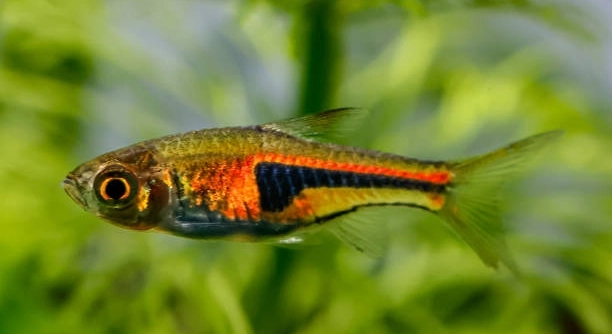
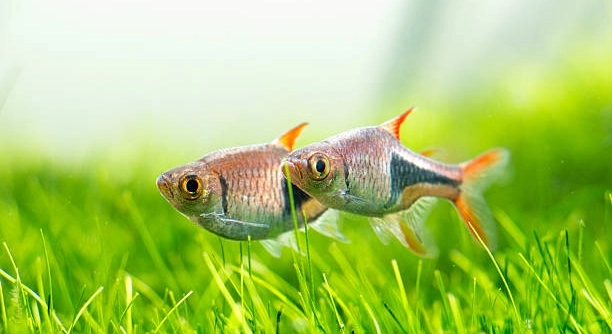
Can Rasboras Feel Shock from Water Changes?

Many fish owners enjoy keeping small, peaceful species like rasboras. Maintaining their tank often involves water changes, but sudden shifts in water conditions can sometimes cause stress for these delicate fish. Rasboras can experience shock from abrupt water changes. Sudden differences in temperature, pH, or chemical composition can stress their bodies, affecting their swimming behavior, … Read more
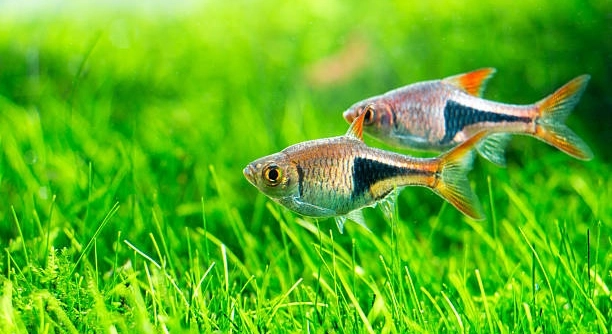
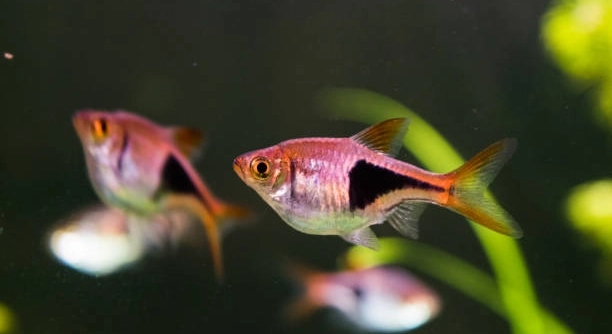
How to Tell If a Rasbora Is Male or Female

Rasboras are small, colorful fish that brighten up any aquarium. Observing their behavior and physical traits can help you understand them better and make your fishkeeping experience more enjoyable and rewarding. Male and female rasboras can be distinguished by body shape, coloration, and fin size. Males are typically slimmer with brighter colors, while females are … Read more

7 Signs Your Rasbora Tank Needs a Change

Many aquarium keepers enjoy calm rasbora tanks, yet subtle changes can signal deeper problems. Water quality, fish behavior, and tank balance often shift, making it easy to overlook warnings that routines fail to meet needs. The primary indication that a rasbora tank requires change involves declining environmental stability. Poor water parameters, waste accumulation, and inadequate … Read more

7 Subtle Shifts in Rasbora Schooling Behavior

Have you ever watched a school of rasboras glide through your aquarium and noticed subtle differences in their movements? These small shifts can indicate changes in their environment, mood, or overall health. Observing them carefully reveals fascinating patterns. Rasbora schooling behavior can shift subtly due to factors such as water quality, social dynamics, feeding routines, … Read more

Can Rasboras Thrive in Planted Tanks?

Rasboras are small, peaceful fish that add vibrant colors to any aquarium. They adapt well to a variety of water conditions and enjoy swimming in groups, making them a lively addition to planted tanks. Their calm nature complements lush greenery. Rasboras can thrive in planted tanks when provided with stable water parameters, moderate lighting, and … Read more

7 Things Rasboras Do When They’re Curious

Rasboras are small, active fish that bring life to any aquarium. Their behavior can be subtle yet engaging, showing glimpses of personality that many fish owners find fascinating and charming in daily observation. When rasboras are curious, they often explore new objects, swim closer to movements, inspect unfamiliar areas, and interact with tank mates. These … Read more

What Triggers Rasboras to Chase Each Other?

Rasboras are small, lively fish that often bring movement and energy to a home aquarium. Their playful interactions can be fascinating to watch, especially when they chase each other around with surprising speed and coordination. Rasboras typically chase each other due to social hierarchy, territory establishment, and mating behaviors. This activity helps reinforce dominance, encourage … Read more

Why Is My Rasbora Breathing Heavily?

Are your rasboras showing signs of heavy breathing, flaring gills, or unusual swimming patterns in the tank? Observing these changes can be concerning for any fish owner, as they often signal underlying issues in their aquatic environment. Heavy breathing in rasboras is typically caused by low oxygen levels, poor water quality, or disease. Identifying the … Read more

7 Feeding Habits to Watch in Rasboras

Rasboras are small, colorful fish that brighten home aquariums. Their feeding habits can affect their health and behavior. Observing how they eat helps ensure they thrive and maintain vibrant colors, making your aquarium a lively display. Monitoring feeding habits in rasboras is essential for maintaining their health and preventing nutritional imbalances. Key behaviors include eating … Read more

Why Do Rasboras Sometimes Freeze in Place?

Rasboras are small, peaceful fish that add color to home aquariums. Watching them swim gracefully is calming, but sometimes they suddenly stop moving, leaving owners a little puzzled and concerned about their wellbeing. Rasboras sometimes freeze in place due to stress, sudden changes in water temperature, or low oxygen levels. This behavior is a natural … Read more