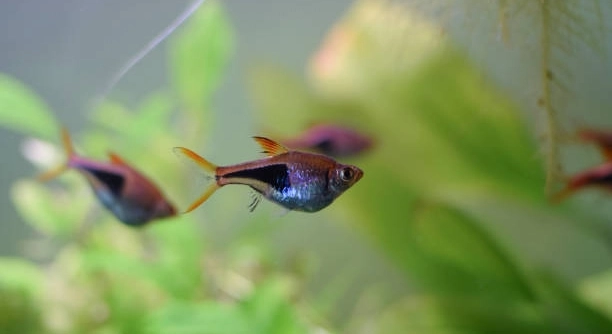
Why Is One Rasbora Always Swimming Alone?
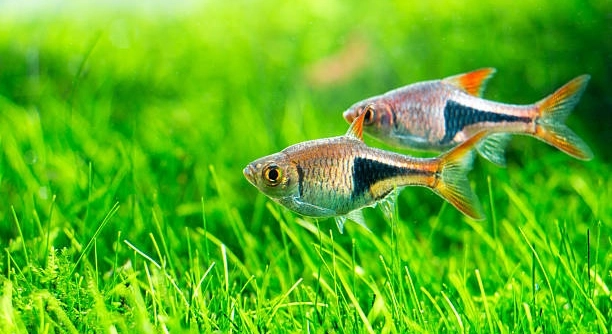
One rasbora swimming alone can catch your attention, especially when the rest of the school moves together in harmony. Observing this behavior may leave you wondering about its cause and what it might mean for your fish’s wellbeing. A rasbora may swim alone due to stress, illness, or social hierarchy within the school. Environmental factors, … Read more

Do Rasboras Respond to Calm Music?

Do your rasboras swim around your tank calmly, yet you wonder if the atmosphere affects their behavior? Many aquarists enjoy creating a peaceful environment, and music may be one subtle way to influence their mood and activity. Rasboras can show mild behavioral responses to calm music, displaying reduced stress and more relaxed swimming patterns. Studies … Read more

7 Visual Changes That Signal Stress

Do you ever notice small changes in your appearance during busy or difficult periods, even when daily routines stay the same and rest feels limited and uneven across long weeks at work and home settings? Visual changes can signal stress because prolonged psychological pressure affects circulation, muscle tension, skin condition, posture, and facial expression. These … Read more

7 Easy Ways to Keep Rasboras Entertained

Rasboras are small, active fish that brighten any aquarium with their lively presence. They enjoy movement and interaction, making it important for owners to provide activities that keep them mentally and physically engaged. Keeping rasboras entertained can be achieved through environmental enrichment, interactive feeding methods, and the addition of plants, decorations, or floating objects. Structured … Read more

Do Rasboras Sleep? (What to Watch For)

Have you ever wondered how rasboras behave when aquarium lights dim and daily activity slows down for the night, especially in peaceful community tanks where subtle changes can be easy to miss by attentive keepers? Rasboras do sleep, entering periods of rest marked by reduced movement, faded coloration, and lower responsiveness. This behavior typically occurs … Read more

Why Are Rasboras Avoiding Lighted Areas?

Are your aquariums filled with active rasboras, yet you notice they avoid brightly lit areas? Many fish owners encounter this behavior, leaving them wondering why their small, colorful companions shy away from lighted spaces. Rasboras tend to avoid lighted areas primarily due to stress and natural instincts. Bright lighting can trigger a sense of exposure, … Read more

7 Signs a Rasbora School Is Thriving

Rasboras are small, peaceful fish that thrive in groups. Observing their behavior can tell you a lot about their health and environment. A lively school is a sign of proper care and a balanced aquarium. A thriving rasbora school exhibits active swimming patterns, bright coloration, consistent feeding behavior, and social cohesion. Proper water parameters, regular … Read more

7 Situations When Rasboras Become Timid

Rasboras are lively and colorful fish that bring charm to any aquarium. However, they can sometimes display timid behavior that surprises even experienced fish keepers in familiar environments. Understanding their reactions can help maintain a peaceful tank. Rasboras often become timid due to sudden changes in their environment, overcrowding, aggressive tank mates, poor water conditions, … Read more

7 Daylight Patterns That Impact Activity

Do you notice how your energy changes throughout the day and wonder why some hours feel more productive than others? Daylight plays a subtle but powerful role in shaping our daily activity and focus levels. Daylight patterns influence human activity through circadian rhythms, hormonal responses, and environmental cues. Exposure to natural light at specific times … Read more

Can Rasboras Get Bored in a Bare Tank?

Rasboras are small, active fish that bring life to any aquarium. Observing them swim can be calming, yet their environment plays a crucial role in their overall well-being and daily activity levels. Their needs go beyond just water. Rasboras can experience stress or reduced stimulation in a bare tank, which may affect their behavior. Providing … Read more