
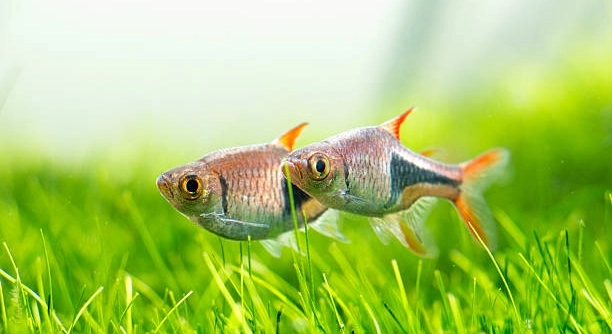
Are your rasboras showing signs of heavy breathing, flaring gills, or unusual swimming patterns in the tank? Observing these changes can be concerning for any fish owner, as they often signal underlying issues in their aquatic environment.
Heavy breathing in rasboras is typically caused by low oxygen levels, poor water quality, or disease. Identifying the root cause requires examining tank conditions, temperature, filtration, and possible infections, as each factor can directly affect the fish’s respiratory efficiency.
Understanding these causes can help you maintain a healthier tank and prevent stress for your fish. Proper care ensures your rasboras remain active and vibrant over time.
Common Causes of Heavy Breathing in Rasboras
Many rasboras breathe heavily due to environmental stress. Poor water quality, including high ammonia or nitrite levels, can quickly affect their gill function. Overcrowded tanks limit oxygen availability and increase stress, making fish more prone to illness. Temperature fluctuations also impact breathing, as warmer water holds less oxygen. In some cases, disease or parasites may irritate gills, leading to rapid breathing. Observing your fish closely helps identify patterns linked to tank conditions. Proper filtration, regular water changes, and maintaining stable temperatures are essential. Even slight neglect in water maintenance can make a noticeable difference in the fish’s behavior. Recognizing subtle changes early allows you to act before serious health issues develop. Monitoring the tank consistently ensures rasboras stay active, their colors remain vibrant, and their breathing stays normal.
Addressing tank conditions promptly can prevent heavy breathing and improve overall fish health quickly.
Stress from poor conditions can make rasboras vulnerable to secondary infections. Parasites and bacterial infections thrive in unhealthy environments, worsening respiratory issues. Early intervention improves survival and comfort.
How to Improve Oxygen Levels in the Tank
Adding aeration devices can increase oxygen availability for your fish. Small air stones, surface agitation, or filters with strong flow help maintain oxygen levels.
Maintaining proper oxygen levels requires more than equipment. Regular partial water changes reduce waste buildup, keeping ammonia and nitrite low. Avoid overfeeding, as leftover food decomposes, consuming oxygen. Ensuring tank plants are healthy supports oxygen production, especially during daylight. Monitor water temperature to prevent oxygen depletion caused by warmer conditions. Adjust tank population if overcrowding limits oxygen for each fish. Observing your rasboras during these adjustments lets you see improvements in breathing patterns. Over time, consistent attention to water quality and oxygenation promotes healthier, more active fish. Combining aeration, careful feeding, and stable tank conditions creates an environment where rasboras can thrive, reducing stress-related breathing issues and enhancing their overall well-being.
Identifying Disease in Rasboras
Parasites, bacterial infections, and fungal growth often lead to rapid breathing. Signs include lethargy, clamped fins, and changes in color. Early detection is crucial to prevent serious health issues. Observing behavior daily helps catch problems before they worsen.
Treating diseased rasboras requires careful observation and appropriate medication. Isolate affected fish in a separate tank to prevent spreading infections. Maintain clean water and monitor temperature closely, as stress can reduce immunity. Administer medications according to instructions, and remove uneaten food promptly. Tracking progress ensures the treatment is effective, and adjustments can be made if breathing does not improve.
Preventing disease involves consistent maintenance and attention to tank health. Quarantine new fish before adding them to the main tank. Keep water parameters stable, avoid overcrowding, and ensure filtration is adequate. Healthy food and routine cleaning minimize the risk of infections, keeping rasboras active and breathing normally.
Monitoring and Adjusting Tank Conditions
Maintaining stable water conditions reduces stress and heavy breathing. Regular testing for ammonia, nitrites, nitrates, and pH ensures optimal levels. Adjustments prevent sudden changes that strain fish.
Temperature and oxygen levels directly affect respiratory efficiency. Use a thermometer to monitor tank warmth and make adjustments gradually to avoid shock. Aeration devices support oxygenation, while live plants help maintain balance. Remove excess waste and uneaten food to prevent oxygen depletion. Observe fish daily to identify subtle changes in behavior or breathing. Small, consistent efforts in monitoring create a safer environment. Stability in these conditions reduces stress and lowers the chance of disease or abnormal breathing in rasboras.
Adjusting Feeding Habits
Overfeeding can lead to poor water quality and oxygen depletion, causing rasboras to breathe heavily. Feed small portions that fish can finish within a few minutes. Remove any uneaten food promptly to prevent decay and maintain clean water.
Feeding a balanced diet supports overall health. Include high-quality flakes or pellets, occasionally supplemented with frozen or live foods. Avoid over-reliance on one type of food, as variety ensures proper nutrition. Healthy digestion reduces waste buildup in the tank, maintaining better water quality and oxygen levels. Observing how quickly food is eaten helps determine the right portion size. Adjust portions based on the number of fish and their activity level. Consistency in feeding habits helps reduce stress and supports normal breathing patterns in rasboras.
Recognizing Signs of Stress
Stress in rasboras often appears as rapid breathing, hiding, or erratic swimming. Sudden changes in environment or overcrowding can trigger these behaviors.
Proper Filtration Practices
Effective filtration removes toxins and maintains water clarity. Clean filters regularly to prevent blockages and ensure proper flow. Consistent maintenance supports a healthy environment and stable oxygen levels for rasboras.
FAQ
Why is my rasbora breathing rapidly even though the water looks clean?
Clean water alone does not guarantee proper oxygen levels or ideal conditions. Temperature, tank size, and fish population all influence breathing. Even small fluctuations in temperature or overcrowding can reduce dissolved oxygen, causing heavy gill movement. Regular testing for ammonia, nitrites, nitrates, and pH ensures the environment is truly stable. Observing the fish’s behavior over several days helps identify patterns and triggers.
Can low oxygen in the tank make my rasbora sick?
Yes, low oxygen stresses the fish and weakens their immune system. Prolonged exposure can lead to lethargy, poor appetite, and susceptibility to parasites or bacterial infections. Increasing aeration, adding live plants, and performing regular water changes help maintain adequate oxygen levels. Monitoring temperature is also crucial, as warmer water holds less oxygen.
Could disease be causing my rasbora to breathe heavily?
Rapid breathing can indicate infections or parasites. Common signs include clamped fins, faded color, and unusual swimming. Quarantining affected fish and using appropriate medications can prevent the spread of illness. Maintaining clean water and avoiding overcrowding reduces the risk of disease. Early detection improves the chances of full recovery.
How does overcrowding affect rasbora breathing?
Overcrowded tanks limit oxygen availability and increase waste accumulation. This stresses fish, leading to faster gill movement. Ensuring the tank has adequate space per fish and adjusting population density helps stabilize oxygen levels. Clean water, proper filtration, and careful monitoring support healthier, calmer rasboras.
Can overfeeding lead to heavy breathing?
Yes, leftover food decomposes in the water, consuming oxygen and producing toxins. Feed small portions that fish can finish quickly. Removing uneaten food and maintaining a balanced diet reduces waste buildup and prevents oxygen depletion. Observing feeding behavior ensures the right portion size for all fish.
Do temperature changes affect rasbora respiration?
Rapid or extreme temperature changes cause stress and heavy breathing. Rasboras thrive in stable water temperatures. Use a reliable thermometer and adjust heaters gradually. Avoid placing the tank in direct sunlight or near drafts. Maintaining consistent temperatures reduces stress and supports normal breathing patterns.
Will poor filtration impact my rasbora’s breathing?
Inadequate or clogged filters reduce water flow and oxygen levels. Regular cleaning and proper filter selection maintain water clarity and toxin removal. Consistent filtration ensures a healthier environment, reducing stress and heavy breathing in rasboras. Observing the filter’s performance helps identify problems before they affect fish.
How can I tell if my rasbora is stressed?
Signs of stress include rapid breathing, hiding, erratic swimming, and loss of appetite. Stress often results from poor water conditions, overcrowding, sudden changes, or disease. Addressing these factors by improving water quality, adjusting population density, and providing stable conditions reduces stress and restores normal behavior.
Can live plants help my rasbora breathe easier?
Yes, live plants increase oxygen during daylight and absorb waste, improving overall water quality. They provide hiding spots, reducing stress. Healthy plant growth contributes to a more stable environment, supporting normal respiration and activity levels in rasboras.
How often should I test my tank water?
Frequent testing helps prevent issues that affect breathing. Weekly checks for ammonia, nitrites, nitrates, and pH are recommended. Adjustments based on results maintain a stable environment, keeping rasboras healthy and reducing stress-related heavy breathing. Consistency is key for long-term tank health.
What is the quickest way to help a rasbora struggling to breathe?
Immediate steps include increasing aeration, performing partial water changes, and checking temperature. Isolating sick fish can prevent the spread of disease. Observing the fish and maintaining stable conditions helps restore normal breathing and reduces stress quickly.
Can I prevent heavy breathing altogether?
Preventing heavy breathing requires consistent care. Maintain clean water, monitor oxygen and temperature, avoid overcrowding, and provide a balanced diet. Regular observation allows early intervention for any signs of stress or disease. Stability in tank conditions is the most effective long-term strategy for healthy rasboras.
Final Thoughts
Heavy breathing in rasboras is often a sign that something in their environment needs attention. It can be caused by low oxygen levels, poor water quality, overcrowding, or disease. Observing your fish closely and consistently checking tank conditions is the first step in addressing the problem. Even small changes, like adjusting temperature or increasing aeration, can make a noticeable difference in their breathing and overall behavior. Over time, these adjustments help create a stable environment where rasboras feel comfortable and remain active. Paying attention to their behavior daily allows you to catch early signs of stress or illness before they become serious issues.
Maintaining clean water and proper tank conditions is essential for preventing heavy breathing. Regular water changes, monitoring ammonia, nitrite, and nitrate levels, and keeping the tank at a stable temperature are all crucial steps. Filtration plays a major role in keeping water free of toxins, and cleaning filters regularly ensures they work effectively. Overfeeding or leaving uneaten food in the tank can quickly reduce oxygen levels and worsen water quality, so careful feeding habits are important. Adding live plants can improve oxygen levels during daylight and provide hiding places, reducing stress for your fish. Even small efforts in daily care contribute significantly to healthier rasboras and a more balanced tank environment.
Understanding the signs of stress and disease in rasboras helps prevent long-term health problems. Stress can appear as rapid breathing, erratic swimming, or hiding, while disease may cause clamped fins, color changes, or lethargy. Quarantining new or sick fish, administering medications when necessary, and maintaining proper tank hygiene all support recovery and prevent infections from spreading. Consistency in tank maintenance and observation is key to keeping rasboras breathing normally and thriving. With proper care, attention, and a stable environment, rasboras can live comfortably and display their natural behaviors. Their health improves, and their breathing returns to normal, allowing them to remain lively and vibrant in your aquarium for years.

Hello,
If you enjoy the content that we create, please consider saying a "Thank You!" by leaving a tip.
Every little bit helps us continue crafting quality advice that supports the health, happiness, and well-being of pets around the world, for pets of all shapes, sizes, and species.
We really appreciate the kindness and support that you show us!