
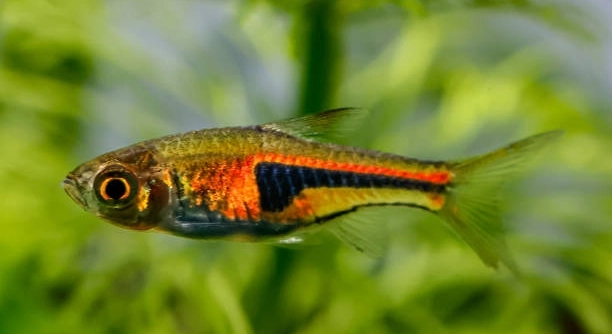
Rasboras are small, peaceful fish that add color to home aquariums. Watching them swim gracefully is calming, but sometimes they suddenly stop moving, leaving owners a little puzzled and concerned about their wellbeing.
Rasboras sometimes freeze in place due to stress, sudden changes in water temperature, or low oxygen levels. This behavior is a natural response that allows them to conserve energy while adjusting to their environment.
Learning about the reasons behind this behavior can help you maintain a healthier tank and ensure your fish feel safe and comfortable.
Common Triggers for Freezing Behavior
Rasboras may freeze in place when they feel stressed or uncomfortable. Changes in water temperature, sudden movements outside the tank, or overly bright lighting can startle them. Even introducing new fish or rearranging decorations can make them pause, assessing their surroundings before moving again. Stress can cause them to hide near plants or decorations, conserving energy until they feel safe. Overcrowded tanks also contribute, as rasboras are small and prefer swimming freely. Low oxygen levels make them sluggish and prone to freezing, while poor water quality affects their overall behavior. Observing your tank regularly helps spot early signs of stress. Sometimes they freeze briefly, then resume normal activity, which is usually harmless. However, repeated freezing indicates an underlying issue that should be addressed. Ensuring stable water conditions, proper tank size, and minimal sudden disturbances helps your fish remain active and healthy over time.
Freezing often signals environmental stress rather than illness. Observing conditions carefully can prevent prolonged discomfort.
Maintaining stable water temperature, proper oxygen levels, and gentle lighting reduces freezing episodes. A consistent feeding schedule also keeps them comfortable. If new fish are added, introducing them slowly helps rasboras adapt. Regular tank cleaning prevents toxins that can stress fish. Overcrowding should be avoided, and hiding spaces like plants or small decorations offer comfort. Watching their behavior daily allows early action if they freeze more often. By controlling these factors, you support a calm, healthy environment where rasboras swim confidently and show natural behavior patterns without unnecessary pauses.
How to Encourage Movement
Encouraging movement requires careful attention to tank conditions. Even small improvements in temperature or oxygen can make a noticeable difference.
Adjusting water parameters, like temperature and pH, is the first step to promoting activity. Ensuring adequate aeration keeps oxygen levels high, while gentle water flow mimics natural habitats. Providing open swimming space combined with plants for shelter encourages exploration without stress. Regular, small feedings stimulate activity while avoiding overfeeding, which can pollute the tank. Observing how your fish respond to changes helps fine-tune the environment, making them more comfortable and confident. Patience is key, as rasboras may take time to resume normal movement. Over time, consistent care and attention lead to a lively, balanced aquarium where freezing behavior is minimal and your fish appear healthy and energetic.
Temperature and Water Conditions
Rasboras react quickly to sudden temperature changes. Even a few degrees difference can cause them to freeze. Stable water conditions are essential to keep them active and stress-free.
Maintaining a consistent water temperature between 74°F and 78°F helps rasboras feel secure. Sudden drops or spikes in temperature can trigger freezing behavior. Regularly checking the heater and thermometer ensures conditions remain stable. Water quality is equally important. Ammonia, nitrite, or nitrate buildup can make fish sluggish, causing them to pause unexpectedly. Partial water changes and proper filtration prevent harmful chemical accumulation, helping your fish stay healthy and comfortable.
pH and hardness also influence activity. Rasboras prefer slightly acidic to neutral water and moderate hardness. Abrupt changes can make them hesitant to swim. Keeping water parameters stable and suitable prevents stress, reduces freezing episodes, and supports overall well-being. Consistent monitoring and maintenance give your fish a predictable environment where they can thrive and display natural behavior confidently.
Tank Layout and Space
Overcrowded tanks limit movement and increase stress, causing rasboras to freeze. Providing enough space improves activity and comfort.
A tank with open swimming areas and scattered hiding spots balances exploration and security. Plants, small decorations, or gentle caves offer refuge while allowing freedom of movement. Avoid placing too many objects that block swimming paths. Rasboras thrive in groups, but the tank should be spacious enough for all individuals to swim without bumping into each other. Monitoring behavior after rearranging decorations helps ensure adjustments reduce stress rather than cause more freezing episodes.
Regularly assessing tank layout prevents long-term inactivity. Open areas encourage continuous swimming, while well-positioned plants let fish retreat if needed. Combining open space, proper hiding spots, and group dynamics keeps rasboras active, confident, and less prone to freezing behavior. Adjusting layout thoughtfully can transform a stagnant tank into a lively, balanced environment where fish interact naturally and maintain energy throughout the day.
Feeding and Activity
Uneaten food can affect water quality and stress rasboras, causing freezing. Feeding smaller amounts more frequently keeps them active and prevents water contamination.
High-quality, appropriate-sized food encourages natural swimming behavior. Overfeeding increases waste, reducing oxygen and making fish sluggish, which leads to pauses in movement.
Stress from Tank Mates
Aggressive or overly active fish can intimidate rasboras, causing them to freeze in place. Choosing compatible tank mates minimizes stress and promotes confident swimming.
Observation and Monitoring
Regular observation helps detect early signs of freezing or unusual behavior. Tracking patterns allows timely adjustments in environment or care to keep rasboras healthy and active.
Lighting and Environment
Too bright or sudden lighting changes can startle rasboras, making them freeze. Gradual light adjustments create a calmer tank atmosphere and reduce stress.
FAQ
Why do my rasboras freeze even when the water looks fine?
Even if water appears clear, there may be subtle issues affecting your fish. Temperature fluctuations, low oxygen levels, or small amounts of ammonia can make rasboras pause. Regular testing for pH, ammonia, nitrites, and nitrates helps ensure conditions are safe. Even minor imbalances can trigger freezing behavior.
How long is normal for rasboras to stay frozen?
Short pauses of a few seconds to a minute are usually harmless. Rasboras sometimes freeze to observe their surroundings or conserve energy. Prolonged freezing lasting several minutes, especially if paired with clamped fins or lethargy, may indicate stress, illness, or poor water conditions requiring attention.
Can sudden changes in lighting affect rasboras?
Yes. Sudden bright lights or turning lights on and off quickly can startle them. Gradual lighting adjustments reduce stress and encourage movement. Providing shaded areas with plants or decorations helps fish feel secure while they adapt to changes in illumination.
Do tank decorations influence freezing behavior?
They can. Overcrowded tanks or poorly placed decorations restrict swimming space, making rasboras hesitant to move. Plants and hiding spots are helpful, but balance is key. Too many objects can block swimming paths, while too few can leave fish feeling exposed. Proper layout encourages both exploration and security.
Can overcrowding cause freezing?
Absolutely. Rasboras need enough space to swim freely. Overcrowded tanks increase competition, stress, and hesitation, leading to freezing episodes. Maintaining appropriate group sizes and tank dimensions allows each fish to move comfortably and reduces tension among tank mates.
Do rasboras freeze when they are sick?
Yes, illness can cause freezing behavior. Signs include lack of appetite, clamped fins, discoloration, or unusual swimming patterns. Freezing may be accompanied by hiding or staying near the bottom. Identifying symptoms early allows you to address health issues promptly.
Does water temperature play a big role?
Temperature is a major factor. Rasboras prefer stable temperatures between 74°F and 78°F. Sudden drops or spikes stress fish and can trigger freezing. Using a reliable heater and thermometer ensures water remains within the ideal range, keeping them active and comfortable.
How can I prevent freezing in my tank?
Maintaining stable water conditions, balanced tank layout, compatible tank mates, gradual lighting, and proper feeding routines reduces freezing. Observing daily behavior helps catch problems early. Providing plants and open swimming space creates a safe, stress-free environment, encouraging natural, confident swimming.
Is freezing more common at certain times of day?
Rasboras may freeze when the tank environment changes quickly, such as during light transitions or feeding. Early morning or sudden movement outside the tank can trigger pauses. Observing daily patterns helps adjust care routines and lighting schedules to minimize stress.
Should I intervene when they freeze?
Short-term freezing usually doesn’t require intervention. Monitor behavior and tank conditions closely. If freezing is prolonged or accompanied by other signs of stress or illness, check water quality, temperature, and tank layout. Taking measured steps ensures safety without unnecessary interference.
Can diet affect activity levels?
Yes. Poor-quality or oversized food can reduce activity. Small, frequent feedings of high-quality food maintain energy and encourage swimming. Overfeeding can pollute water, indirectly causing freezing behavior. Adjusting diet supports both health and consistent movement.
Do rasboras freeze in new tanks?
It’s common when they are adjusting. New environments are stressful, and fish often pause while exploring. Providing plants, hiding spots, and stable water conditions helps them acclimate more quickly, reducing freezing episodes over time.
Will adding more fish help reduce freezing?
Adding more rasboras can sometimes encourage swimming, as they are schooling fish, but only if the tank is large enough. Overcrowding increases stress. Introducing new fish gradually and ensuring enough space is essential for healthy group dynamics and activity.
Are freezing episodes dangerous?
Occasional short freezes are harmless. Persistent or long freezes signal stress, poor water quality, or illness. Monitoring tank conditions, diet, and behavior is key to ensuring fish remain healthy and active, preventing prolonged inactivity from becoming a problem.
Can stress from outside the tank affect them?
Yes. Sudden movements, tapping on glass, or loud noises can startle rasboras, causing freezing. Minimizing external disturbances and keeping a calm environment supports regular swimming behavior. Observing their reactions helps you create a stable, stress-free tank.
Does oxygen level impact freezing?
Low oxygen makes fish sluggish and prone to freezing. Using an air pump, ensuring proper water flow, and avoiding overstocking keeps oxygen levels sufficient, supporting active swimming and overall health.
Can seasonal changes affect behavior?
Yes. Even indoor tanks experience subtle temperature and light variations. These changes may influence activity levels. Monitoring water parameters and adjusting lighting or temperature during seasonal shifts reduces stress and prevents freezing episodes.
How do I know if freezing is serious?
If freezing comes with clamped fins, lack of appetite, unusual swimming, or discoloration, it indicates a serious problem. Check water quality, temperature, and tank conditions, and consider consulting a veterinarian or aquarium expert for advice.
Can freezing be prevented entirely?
It’s difficult to eliminate completely. Short pauses are natural. Focus on maintaining stable water conditions, proper tank layout, compatible tank mates, balanced feeding, and gentle lighting to minimize occurrences and keep rasboras healthy and active.
Is freezing behavior the same in all rasboras?
Behavior can vary by species. Some are more sensitive to stress, temperature changes, or tank mates. Observing individual responses helps tailor care routines, ensuring each fish feels secure and comfortable in the aquarium environment.
Do rasboras freeze during breeding?
Sometimes. Stress, new tank mates, or changes in water conditions during breeding can cause pauses. Providing safe spaces and stable conditions reduces stress, allowing them to resume normal swimming patterns while protecting eggs and fry.
How long does it take for them to adjust to a new tank?
Adjustment can take days to weeks. Short freezing episodes are normal during acclimation. Stable water, hiding spots, and minimal disturbances speed up adaptation. Monitoring behavior ensures they become active and comfortable in the new environment.
Does tank size influence freezing?
Smaller tanks can increase stress, limit movement, and lead to more freezing. Larger tanks with enough open space and hiding spots provide freedom to swim and reduce stress-related pauses. Proper space is essential for active, confident fish.
Are freezing episodes linked to disease outbreaks?
Yes, sometimes. Freezing may precede visible symptoms of disease. Regular observation, water testing, and maintaining clean conditions help catch early signs, reducing the risk of illness spreading among tank inhabitants.
What are the most common mistakes that cause freezing?
Sudden temperature changes, poor water quality, overcrowding, incompatible tank mates, bright lighting, and overfeeding are common factors. Correcting these elements reduces stress and encourages normal swimming behavior. Consistent monitoring prevents minor issues from becoming major problems.
Is there a way to tell if a fish is just resting?
Brief pauses while hovering mid-water or near plants are usually normal. Resting rasboras remain responsive and eventually resume swimming. Unresponsive or clamped fish, especially with other symptoms, indicate stress or illness requiring attention.
Can water changes trigger freezing?
Large, sudden water changes can shock fish. Gradual changes and matching water temperature and parameters help reduce stress. Partial water changes, rather than full replacements, are safer and maintain stability.
Do rasboras freeze at night?
They may slow down or pause during dim lighting, but freezing at night is usually short-term. Providing gradual lighting transitions helps them adjust without stress or prolonged inactivity.
How do I improve tank comfort to reduce freezing?
Stable water, proper temperature, moderate lighting, adequate swimming space, hiding spots, compatible tank mates, and high-quality food all contribute to comfort. Observing daily ensures any changes are beneficial, keeping rasboras active and confident.
Is stress from transportation a factor?
Yes. Newly purchased or transported rasboras often freeze as they acclimate. Gradual introduction to tank conditions, stable water, and minimal disturbances help them adjust and resume normal activity.
Do freezing patterns indicate personality differences?
Some fish are naturally more cautious. While behavior varies, prolonged freezing often signals environmental stress or health issues. Observing patterns helps identify individual needs and adjust care accordingly.
Can tank maintenance routines affect freezing?
Yes. Sudden cleaning or rearranging can startle fish. Maintaining a gentle, predictable routine helps rasboras feel safe and reduces stress-induced freezing. Gradual adjustments are better than sudden changes.
Are some species of rasboras more prone to freezing?
Yes. Smaller, more sensitive species may pause more frequently. Understanding species-specific behavior helps create optimal conditions, preventing unnecessary stress and inactivity.
Does freezing indicate happiness or comfort?
Not necessarily. While short pauses are normal, frequent or prolonged freezing usually points to stress, poor conditions, or illness. Ensuring stable water, proper tank layout, and compatible tank mates keeps fish comfortable and active.
Can I use plants to reduce freezing?
Yes. Live or artificial plants provide hiding spots and reduce stress. Positioning them strategically gives rasboras places to retreat while maintaining open swimming areas, supporting natural behavior.
How often should I observe freezing behavior?
Daily observation is ideal. Noting frequency, duration, and conditions around freezing episodes helps detect problems early and make timely adjustments, keeping fish healthy and active.
Is freezing worse during tank disturbances?
Yes. External movements, tapping, loud sounds, or sudden changes can trigger freezing. Minimizing disturbances creates a calm, safe environment and reduces pauses in activity.
Can freezing behavior predict future health problems?
Sometimes. Frequent or prolonged freezing may precede illness or stress-related issues. Monitoring behavior and water quality helps prevent minor problems from escalating, ensuring long-term health.
Are there signs to differentiate stress freezing from illness freezing?
Stress-related freezing is usually short-term and occurs during changes or disturbances. Illness-related freezing is prolonged and accompanied by clamped fins, discoloration, loss of appetite, or unusual swimming patterns, signaling the need for intervention.
Can adjusting tank temperature gradually reduce freezing?
Yes. Gradual temperature adjustments prevent shock, making fish feel secure. Sudden changes increase stress and freezing episodes. Consistency is key to maintaining active, healthy rasboras.
Do rasboras freeze when they are scared?
Yes. Fear from aggressive tank mates, sudden movements, or unfamiliar surroundings can make them pause. Providing hiding spots and a calm environment reduces fear and encourages normal swimming.
How do I balance hiding spots and open swimming space?
Provide enough plants and decorations for security while keeping open areas for free swimming. Observing how fish use the space helps optimize layout, minimizing stress and freezing behavior.
Can freezing behavior affect feeding?
Yes. Stress or poor water conditions may make fish hesitant to eat. Ensuring a safe environment, stable water, and proper feeding routines encourages normal appetite and reduces pauses.
How important is consistent care in preventing freezing?
Very important. Daily monitoring, stable water conditions, proper feeding, and minimal disturbances maintain comfort. Consistent care reduces stress-induced freezing and supports overall health.
Is freezing more noticeable in small tanks?
Yes. Limited space and frequent interactions with tank mates or decorations increase stress. Larger tanks provide freedom, reducing pauses and encouraging active swimming.
Can I track freezing behavior effectively?
Yes. Note duration, frequency, and surrounding conditions. Tracking patterns helps identify triggers and make adjustments to tank conditions, ensuring a healthier, more active aquarium environment.
Does tank temperature fluctuation at night affect freezing?
Minor drops can make rasboras pause temporarily. Maintaining stable nighttime temperatures helps prevent stress-related freezing and supports consistent activity patterns.
Can adding aeration reduce freezing?
Yes. Proper aeration increases oxygen, reducing sluggishness and pauses. Air pumps or gentle water flow help maintain energy and confidence in swimming.
Are frozen rasboras at risk of disease?
Persistent freezing can indicate stress, which weakens immunity. Monitoring behavior and maintaining optimal tank conditions helps prevent disease and supports overall health.
Do freezing episodes reduce over time?
Yes, with stable water, proper tank layout, compatible tank mates, and consistent care, freezing becomes less frequent, and fish show natural, confident movement.
Can seasonal lighting changes trigger freezing?
Sudden shifts in natural or artificial light can startle fish. Gradual transitions reduce stress and encourage normal activity throughout the day.
Are some feeding schedules better to prevent freezing?
Smaller, frequent feedings maintain energy without overloading the tank. Consistent timing reduces stress and encourages regular swimming, minimizing freezing episodes.
Can tank vibrations or external noise cause freezing?
Yes. External disturbances, loud sounds, or vibrations can startle rasboras. Minimizing such disruptions creates a calm environment and reduces freezing behavior.
Is freezing related to water hardness or pH?
Yes. Rasboras prefer slightly acidic to neutral water and moderate hardness. Sudden changes in these parameters cause stress and pauses, so regular testing helps maintain stable conditions.
Does age affect freezing behavior?
Younger or newly acclimated fish may freeze more often as they adapt. Older, experienced fish typically show fewer pauses if the environment remains stable and stress-free.
Can overcrowding combined with poor water conditions worsen freezing?
Definitely. Limited space plus poor water quality increases stress, reduces oxygen, and leads to frequent freezing. Ensuring proper tank size and water parameters minimizes this risk.
Do rasboras freeze during illness treatment?
Some treatments may stress fish temporarily. Freezing can occur during medication or water adjustments. Monitoring behavior and providing hiding spots helps them cope during recovery.
How can I tell if freezing is temporary or ongoing?
Short pauses that resolve quickly are normal. Prolonged or repeated freezing indicates an underlying issue requiring attention, such as water quality, stress, or health concerns.
Can group size influence freezing frequency?
Yes. Small groups may feel insecure, while overly large groups increase competition. Maintaining the right number of fish for your tank size helps reduce stress and freezing behavior.
Does acclimation method affect freezing?
Gradual acclimation to new water conditions reduces stress and freezing. Drip acclimation or slow mixing of tank water is better than sudden transfers, ensuring fish adapt comfortably.
Can temperature stratification in the tank trigger freezing?
Yes. Uneven temperature zones make fish uncertain where to swim. Ensuring even heating and circulation promotes confident movement and reduces freezing episodes.
Are freezing behaviors different in various rasbora species?
Yes. Some species are naturally more cautious or sensitive to stress. Observing species-specific behavior helps tailor care to prevent unnecessary pauses.
Can freezing behavior signal breeding readiness?
Occasionally. Some rasboras pause when preparing to spawn or when eggs are present. Providing calm, stable conditions supports successful breeding and reduces stress.
Does seasonal water changes affect freezing?
Yes. Sudden changes in temperature or water chemistry during seasonal adjustments can stress fish. Gradual transitions maintain comfort and prevent prolonged freezing episodes.
Can stress from external lighting cause frequent freezing?
Yes. Bright or flickering lights can startle fish repeatedly. Using dimmers or shaded areas reduces stress and encourages normal swimming behavior.
How important is monitoring for preventing freezing?
Very important. Daily observation helps detect patterns, identify stressors, and make timely adjustments. Early intervention keeps rasboras healthy and reduces frequent freezing.
Are there signs that freezing is due to diet issues?
Yes. Reduced appetite, sluggish swimming, or pauses after feeding may indicate food-related stress. Adjusting diet quality, size, or frequency helps maintain activity and overall health.
Can stress from water flow trigger freezing?
Strong currents or abrupt changes in flow can make rasboras pause. Gentle, consistent water movement supports natural swimming while reducing stress-induced freezing.
Do rasboras freeze more in newly set-up tanks?
Yes. Unfamiliar surroundings and water parameters can make them hesitant. Gradual introduction, stable water, and hiding spots help them acclimate safely and reduce pauses.
Does tank location affect freezing?
Yes. Placing tanks near busy areas, windows, or sources of vibration can stress fish. A quiet, stable location promotes confident swimming and minimizes freezing.
Can freezing indicate aggression from other fish?
Yes. Aggressive tank mates can intimidate rasboras, causing them to pause. Ensuring compatibility and providing hiding spaces reduces stress and promotes normal activity.
Is freezing related to light duration?
Yes. Excessively long or short lighting periods may confuse fish. Maintaining a consistent light cycle supports regular swimming patterns and reduces pauses.
Do seasonal temperature drops trigger freezing?
Minor drops can temporarily slow activity. Stable heating and gradual adjustments prevent stress and prolonged freezing episodes.
Can stress from nearby human activity cause freezing?
Yes. Frequent tapping, loud voices, or sudden movements near the tank can startle fish. Minimizing disturbances helps maintain calm behavior and active swimming.
Does water circulation affect freezing?
Yes. Poor circulation can reduce oxygen levels, making fish sluggish. Balanced water flow supports energy and reduces pauses in movement.
Can freezing be part of normal rest?
Short, brief pauses may be normal. Fish may hover quietly while resting but remain responsive. Prolonged inactivity with other symptoms is cause for concern.
Are freezing episodes influenced by tank temperature gradients?
Yes. Uneven heating creates zones of comfort and stress. Proper circulation and consistent temperature reduce freezing and promote confident swimming.
Can freezing indicate reproductive stress?
Sometimes. Changes in tank conditions or interactions during breeding may cause pauses. Stable environment and adequate hiding spots help manage stress.
Does tank size combined with plant density affect freezing?
Yes. Too many plants in a small tank restrict swimming, while too few in a large tank leave fish exposed. Balance ensures comfort and reduces stress-induced freezing.
Can freezing affect fish health long-term?
Frequent freezing due to stress or poor water conditions can weaken immunity and reduce overall activity. Maintaining stable, healthy conditions supports long-term vitality.
Does temperature fluctuation at night cause freezing?
Yes. Even small drops at night can trigger temporary pauses. Maintaining stable temperatures ensures consistent activity and reduces stress.
Are freezing patterns repeatable or random?
Patterns often repeat under the same stressors, such as temperature changes, lighting, or tank disturbances. Observing patterns helps identify and correct underlying issues.
Can adjusting water hardness reduce freezing?
Yes. Maintaining preferred hardness levels prevents stress. Gradual adjustments help rasboras adapt without triggering pauses or freezing behavior.
Does adding plants reduce freezing frequency?
Yes. Plants provide shelter, reduce stress, and offer a sense of security. Strategic placement supports natural movement and confidence.
Is freezing more common in small or new tanks?
Yes. Limited space, new surroundings, and unfamiliar water conditions can increase stress and pauses. Proper acclimation
Rasboras are delicate, peaceful fish that respond quickly to changes in their environment. Freezing in place is a behavior that can be confusing for owners, but it is often a natural reaction to stress or changes in water conditions. Temperature fluctuations, sudden movements outside the tank, or low oxygen levels can all make them pause. Even small adjustments in tank layout, such as moving decorations or adding new plants, can temporarily make them hesitant to swim. Observing your fish closely helps identify patterns and potential stressors so that steps can be taken to maintain a calm and stable environment. Understanding why they freeze allows owners to make thoughtful decisions that improve both the comfort and overall health of the fish.
Maintaining stable water conditions is one of the most important factors in preventing frequent freezing. Consistent temperature, proper pH, and moderate water hardness create a secure environment for rasboras. Regular water testing and partial water changes keep harmful chemicals like ammonia or nitrites under control, reducing stress. Oxygen levels should be monitored as well, since low oxygen can make fish sluggish and more prone to freezing. Providing an appropriate tank size with enough open swimming space along with plants or hiding spots allows fish to move freely while still feeling safe. Compatible tank mates help reduce tension, and a balanced feeding schedule ensures energy levels are maintained. These small, consistent steps create a predictable and healthy environment that reduces unnecessary pauses in movement.
Freezing behavior is not always a sign of illness, but it can sometimes indicate stress or health problems. Short pauses while hovering near plants or in open water are often normal, but prolonged or repeated freezing may signal an underlying issue. Daily observation is essential for detecting these patterns and responding appropriately. By paying attention to tank conditions, layout, and feeding routines, owners can ensure that rasboras remain active, confident, and comfortable. Creating a stable, well-maintained environment supports their natural behavior and overall well-being. Over time, careful care and attention lead to a lively, balanced tank where rasboras swim confidently, showing their full colors and vitality without unnecessary freezing episodes.

Hello,
If you enjoy the content that we create, please consider saying a "Thank You!" by leaving a tip.
Every little bit helps us continue crafting quality advice that supports the health, happiness, and well-being of pets around the world, for pets of all shapes, sizes, and species.
We really appreciate the kindness and support that you show us!