
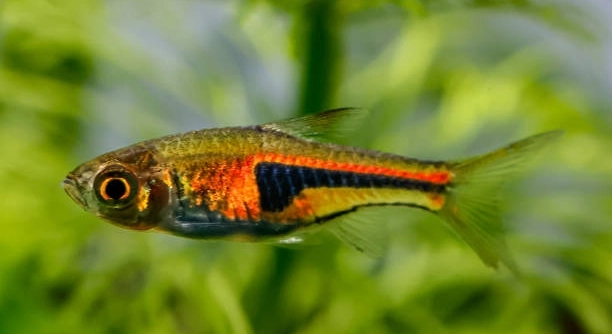
Rasboras are small, colorful fish that brighten home aquariums. Their feeding habits can affect their health and behavior. Observing how they eat helps ensure they thrive and maintain vibrant colors, making your aquarium a lively display.
Monitoring feeding habits in rasboras is essential for maintaining their health and preventing nutritional imbalances. Key behaviors include eating frequency, preference for live or prepared foods, feeding aggression, and responsiveness to portion size, all of which influence growth and well-being.
Understanding these feeding patterns will help you create a stable environment. Observing subtle changes can prevent common dietary issues and support healthy, active rasboras.
Identifying Overfeeding in Rasboras
Overfeeding is a common issue in home aquariums. When rasboras receive too much food, uneaten particles sink to the bottom, decomposing and affecting water quality. This can lead to cloudy water, increased algae growth, and higher ammonia levels. Overfed fish may become lethargic, gain excess weight, and show signs of bloating. Monitoring portion sizes and feeding frequency is essential. A small pinch of food once or twice daily is often sufficient for a small school of rasboras. Observing how quickly they consume their food helps gauge the correct amount. Removing leftovers promptly prevents waste accumulation. Balanced feeding promotes active swimming, proper digestion, and vibrant colors. Some rasboras may display selective eating, which requires adjusting the type or size of food. Gradually introducing new foods ensures they adapt without overconsumption. Keeping a consistent feeding routine also reduces stress, helping the fish maintain stable health. Awareness of overfeeding signs protects both the fish and aquarium environment.
Limiting feedings to measured portions prevents health issues and maintains clean water conditions.
Careful attention to how much your rasboras consume ensures they remain active and healthy. Adjusting portion sizes over time can prevent obesity and maintain water clarity, promoting a stable and thriving tank ecosystem.
Observing Selective Eating
Selective eating occurs when rasboras favor certain foods while ignoring others, which can lead to nutritional gaps.
Rasboras may prefer live foods over flakes or pellets, or only pick at floating items. Offering a variety of food types helps ensure they receive essential nutrients. Combining live, frozen, and high-quality prepared foods supports balanced growth and coloration. Slowly mixing new foods with their preferred options encourages them to try different items. Observing feeding behavior also reveals social dynamics within the school, as more dominant fish may monopolize certain foods. Rotating food types prevents boredom and nutritional deficiency. Temperature and water conditions can also influence appetite and preference, so maintaining stable tank conditions is important. Careful monitoring over time helps identify patterns and correct selective eating behaviors. Providing small, frequent meals rather than large portions reduces competition and ensures all fish eat adequately. By addressing selective feeding habits, rasboras can receive a full spectrum of nutrients, improving overall health and resilience.
Feeding Frequency Concerns
Rasboras do best with small, consistent feedings. Too frequent feeding can stress their digestion, while too few meals may stunt growth and weaken immunity.
Maintaining a regular feeding schedule is crucial. Feeding once or twice daily is usually sufficient, depending on the size of your school and tank. Observing how quickly they consume food helps adjust frequency. Overfeeding at one meal can lead to leftover food decaying in the tank, impacting water quality. Consistent, measured feedings reduce stress, support proper digestion, and maintain energy levels.
Irregular feeding patterns can affect social behavior as well. Fish may become aggressive when hungry or lethargic if underfed. A predictable routine helps maintain harmony within the school. Proper feeding frequency also ensures optimal color development and overall health. Monitoring consumption and adjusting portion sizes gradually provides a balanced approach, keeping rasboras active and thriving.
Aggressive Feeding Behavior
Aggression during feeding can prevent some rasboras from eating enough and cause stress among the school.
Dominant individuals often push others aside to access food, leaving weaker fish undernourished. Using multiple feeding spots or spreading food evenly helps all fish eat. Observing tank interactions during feeding identifies overly aggressive behavior. Adjusting the type of food or using sinking and floating varieties reduces competition. Introducing small amounts at a time prevents one fish from monopolizing the meal. Balanced distribution encourages calmer feeding behavior and supports the health of the entire group.
Over time, aggressive tendencies may decrease with consistent feeding routines. Monitoring interactions ensures that no fish are deprived of nutrition. Providing a variety of foods that appeal to all rasboras helps reduce conflict and maintains harmony. Keeping the tank environment well-structured with plants or decorations also provides hiding spots, allowing timid fish to feed safely. Managing aggression ensures all rasboras receive sufficient nutrition, maintain proper growth, and display vibrant colors without undue stress.
Food Preference Shifts
Rasboras may change their food preferences over time, often favoring new textures or flavors. Observing these shifts helps ensure they receive balanced nutrition.
Gradually introducing different foods allows them to adapt without stress. Mixing small amounts of new items with their regular diet encourages acceptance.
Feeding Response to Tank Conditions
Temperature, lighting, and water quality directly affect feeding behavior. Changes in conditions can reduce appetite or alter consumption patterns. Observing responses under different conditions helps identify environmental adjustments needed to maintain healthy feeding habits.
Uneaten Food
Leftover food can pollute the tank and affect water quality. Removing uneaten portions promptly keeps the environment stable and reduces stress for rasboras.
FAQ
How often should I feed my rasboras?
Rasboras generally do well with one to two small feedings daily. The goal is to provide enough food for all fish to eat within a few minutes. Observing how quickly they finish their meals helps adjust portion sizes and feeding frequency. Overfeeding can cause water quality issues and lead to health problems. If leftovers remain, reduce the amount next time. Feeding at consistent times also helps regulate their metabolism and encourages stable behavior within the school.
What types of food are best for rasboras?
A balanced diet includes a mix of high-quality flakes or pellets and occasional live or frozen foods like brine shrimp or daphnia. Flakes and pellets provide essential nutrients, while live or frozen options encourage natural hunting behavior and improve coloration. Avoid over-reliance on one food type, as this may lead to nutritional gaps. Rotating food types regularly ensures they receive a complete diet. Observing their preferences allows you to introduce new foods gradually, reducing stress and encouraging acceptance.
Why are some rasboras not eating?
Lack of appetite can result from stress, illness, or poor water conditions. Tank changes, aggressive tankmates, or sudden environmental shifts can temporarily reduce feeding. Checking water quality, temperature, and pH levels helps identify potential problems. Sick or stressed fish may also hide, reducing access to food. Offering smaller, more frequent meals or softer food can encourage them to eat. Consistency in feeding routines, calm conditions, and proper nutrition usually restore normal appetite.
Can overfeeding harm rasboras?
Yes, overfeeding can cause bloating, sluggishness, and obesity. Uneaten food decays in the tank, raising ammonia and nitrite levels, which harm all fish. Maintaining measured portions and observing feeding behavior helps prevent these issues. Smaller meals spread throughout the day are better than one large meal. Over time, careful portion control supports digestion, activity, and vibrant coloration. Monitoring weight and body shape is also important to detect early signs of overfeeding before health declines.
How do I handle selective eaters?
Some rasboras may pick only certain foods. Offering a variety of flakes, pellets, and live or frozen foods ensures they receive necessary nutrients. Mixing small amounts of new foods with familiar options encourages them to try different types without stress. Observing eating patterns helps identify shy or less dominant fish. Using multiple feeding locations and food types reduces competition and ensures all fish eat adequately. Consistency and patience help selective eaters gradually adapt to a more balanced diet.
What should I do if rasboras eat aggressively?
Dominant fish may push others aside during feeding, causing stress and uneven nutrition. Spreading food across multiple spots or using sinking and floating varieties helps all fish access meals. Feeding smaller portions multiple times a day prevents one fish from monopolizing food. Observing interactions can identify overly aggressive behavior, and adjusting the tank layout with plants or hiding spots allows timid fish to feed safely. Over time, consistent routines reduce aggression and support the health of the entire school.
How can I tell if my rasboras are getting enough food?
Healthy, active fish with bright colors and steady growth are usually eating enough. Fish should finish meals quickly without excessive leftovers. Weight gain should be gradual, and swimming behavior should remain normal. If some fish consistently lag behind during feeding, consider using multiple feeding locations or smaller portions to ensure all receive adequate nutrition. Monitoring behavior, body condition, and appearance over time helps detect underfeeding or overfeeding issues early, allowing prompt adjustments.
Do environmental changes affect feeding habits?
Yes, temperature, lighting, and water quality directly influence appetite. Rapid changes can reduce feeding response or increase stress. Maintaining stable conditions and gradually introducing changes minimizes disruptions. Observing feeding behavior after adjustments helps ensure fish adapt without losing appetite. Stable tank conditions support proper digestion, active behavior, and overall health.
Is it necessary to remove uneaten food?
Yes, uneaten food should be removed promptly. It can decompose, leading to ammonia spikes, cloudy water, and algae growth. Cleaning leftovers prevents water quality issues and reduces stress. Removing uneaten food also encourages better feeding behavior, as fish learn to consume meals quickly. Keeping the tank clean supports overall health, water stability, and long-term vitality of the rasboras.
How can I encourage a balanced diet in rasboras?
Offer a combination of high-quality prepared foods, live or frozen options, and occasional treats. Rotate food types gradually and monitor acceptance. Spread feedings across the tank to reduce competition and ensure all fish eat. Consistency, variety, and attention to feeding behavior support proper growth, coloration, and health over time.
Final Thoughts
Maintaining healthy feeding habits in rasboras requires consistent attention and observation. These small, active fish rely on a stable routine to support their digestion, energy levels, and overall well-being. Overfeeding, underfeeding, or inconsistent meal times can quickly affect their health and the water quality in your tank. Watching how your fish respond to different foods and adjusting portion sizes as needed ensures they get enough nutrition without leaving excess waste behind. A well-planned feeding schedule helps prevent common problems like bloating, sluggishness, and aggressive behavior during meals, which can disrupt the balance of the school.
Providing a varied diet is equally important. Rasboras benefit from a combination of flakes, pellets, and occasional live or frozen foods, offering essential nutrients and encouraging natural feeding behaviors. Gradually introducing new foods and observing how the fish respond helps prevent selective eating, ensuring all members of the school receive proper nutrition. Even small changes in food types or textures can make a difference in their acceptance and overall health. Monitoring food consumption also allows you to identify shy or less dominant fish, giving them the opportunity to eat and maintain healthy growth. By combining careful portion control, a varied diet, and regular observation, you create a supportive environment that promotes both health and active behavior.
Environmental factors also play a significant role in feeding behavior. Stable water conditions, proper temperature, and consistent lighting influence appetite and digestion. Sudden changes in these factors can reduce feeding response or increase stress, so it is important to maintain a consistent environment. Observing how rasboras react to environmental adjustments helps identify potential issues early and allows you to make necessary changes to maintain a calm, thriving aquarium. Additionally, removing uneaten food promptly and monitoring interactions during feeding prevents water quality problems and reduces stress within the school. Focusing on these aspects ensures that rasboras remain active, healthy, and vibrant, creating a balanced and sustainable tank environment for long-term enjoyment.

Hello,
If you enjoy the content that we create, please consider saying a "Thank You!" by leaving a tip.
Every little bit helps us continue crafting quality advice that supports the health, happiness, and well-being of pets around the world, for pets of all shapes, sizes, and species.
We really appreciate the kindness and support that you show us!