7 Feeding Myths About Harlequin Rasboras
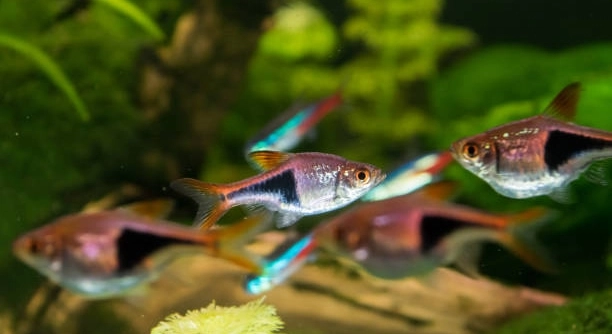
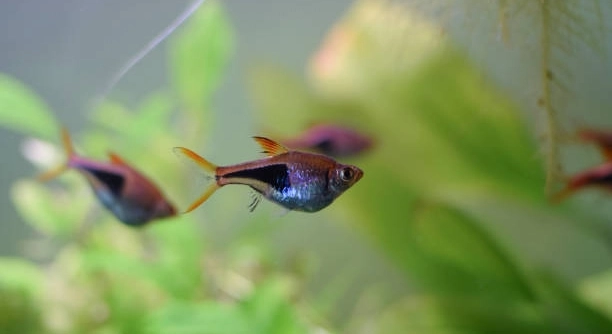
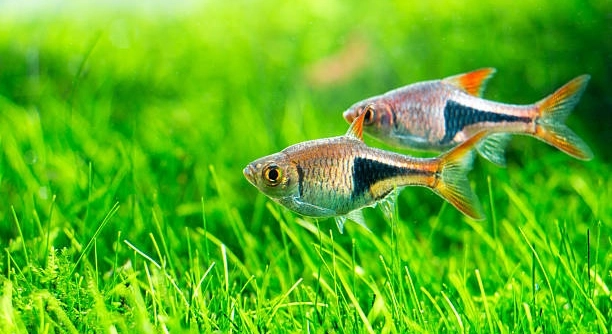
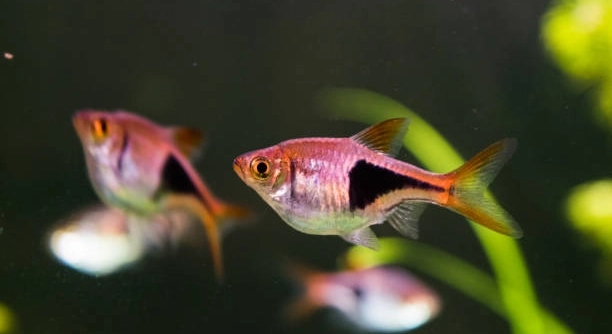
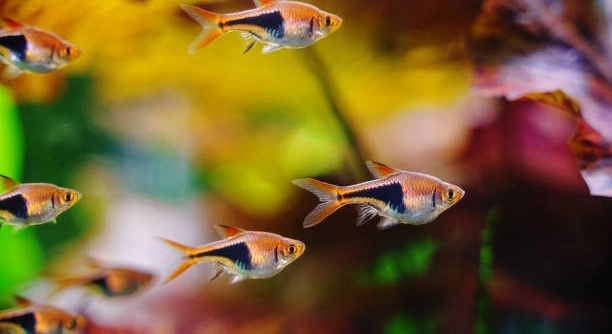
Harlequin Rasboras are small, colorful fish that bring life to any aquarium. Many hobbyists enjoy keeping them, but feeding these delicate fish can be confusing, with plenty of myths circulating about their diet and nutrition needs. Several feeding myths about Harlequin Rasboras persist due to misinformation. Common misconceptions include overfeeding, the necessity of live food, … Read more
Why Do Rasboras Swim in Fast Bursts?

Rasboras are small, lively fish that often catch the eye with their sudden bursts of movement in aquariums. Observing their quick darts can be fascinating and sometimes puzzling, especially for those new to keeping these fish. Rasboras swim in fast bursts primarily as a survival mechanism and for social coordination. These sudden movements help them … Read more

Can Rasboras Handle Water Conditioner Doses?

Have you ever noticed your rasboras swimming in a newly treated tank and wondered how they handle water conditioners? These tiny fish are sensitive to changes, and even small doses can affect their comfort and behavior. Rasboras can tolerate standard doses of water conditioners when used correctly. Properly measured treatments neutralize harmful chemicals without causing … Read more

7 Common Problems with Rasbora Fry

Have you ever raised rasbora fry and noticed early setbacks that slow their growth and survival in home aquariums? These tiny fish are delicate, and small mistakes in care can quickly create avoidable problems overall. The most common problems affecting rasbora fry include unstable water parameters, inadequate nutrition, improper temperature control, and poor filtration. Additional … Read more

Do Rasboras Notice Tank Rearrangements?

Do your Rasboras sometimes seem unsettled after moving decorations or plants in their tank? These small fish are sensitive to changes, and even minor adjustments in their environment can affect their behavior and swimming patterns. Rasboras are capable of noticing tank rearrangements. They rely on visual cues and memory to navigate their environment. Changes in … Read more

How Harlequin Rasboras Show Affection (+Examples)

Harlequin rasboras display subtle social behaviors that many aquarium keepers notice over time, especially in calm community tanks where fish interact gently and consistently, forming patterns that resemble affection rather than random movement daily behavior. Harlequin rasboras express affection through synchronized swimming, close schooling, and calm proximity behaviors. These actions indicate social bonding, reduced stress, … Read more

7 Signs Your Harlequin Rasbora Is Stressed

Do you love keeping Harlequin Rasboras but notice subtle changes in their behavior at home aquariums can hide stress signs that are easy to miss yet important for maintaining calm balanced fish communities overall health. Stress in Harlequin Rasboras is commonly indicated by behavioral and physical changes linked to environmental imbalance. Poor water quality, social … Read more

7 Differences Between Male and Female Rasboras

Do you ever find yourself observing your rasboras and wondering why some appear more vibrant or active than others? Male and female rasboras may look similar, but subtle differences can affect their behavior and appearance. Male and female rasboras can be distinguished through size, coloration, fin shape, and body structure. Males often display brighter colors, … Read more

7 Ways Rasboras Act When They’re Excited

Rasboras are small, colorful fish that brighten up any aquarium. Their lively movements and social behavior make them a joy to watch, especially when they show signs of excitement during feeding or play. When rasboras are excited, they display quick, energetic swimming patterns, often darting in synchronized groups. They may flare fins slightly, chase each … Read more

Are Rasboras Affected by Tank Backgrounds?

Are your rasboras swimming in a tank that feels a little dull or too bright? Tank backgrounds may seem like a small detail, but they can influence how your fish behave and interact with their surroundings. Tank backgrounds can affect rasboras by altering their stress levels and coloration. Darker or natural-colored backgrounds generally reduce stress, … Read more