
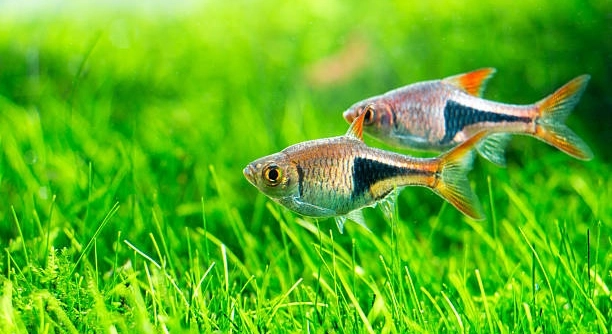
Do you love keeping Harlequin Rasboras but notice subtle changes in their behavior at home aquariums can hide stress signs that are easy to miss yet important for maintaining calm balanced fish communities overall health.
Stress in Harlequin Rasboras is commonly indicated by behavioral and physical changes linked to environmental imbalance. Poor water quality, social disruption, inadequate space, and inconsistent feeding routines activate physiological stress responses that compromise immunity, growth, coloration, and long-term survival rates.
Recognizing early stress signals helps protect your fish, improve daily care habits, and support a peaceful, thriving aquarium environment overall.
Faded Coloration
I notice color changes before anything else because Harlequin Rasboras are usually bright and clear. When stress builds, their black patch dulls and the orange body fades. This often links to unstable water conditions, sudden lighting changes, or frequent tank disruptions. Stress hormones affect pigment cells, reducing color intensity over time. Crowded tanks and incompatible tank mates also play a role, creating constant pressure that shows on the body surface. A faded appearance is not cosmetic, it reflects internal strain. If left unaddressed, prolonged stress weakens immunity and slows growth. Watching coloration daily helps catch problems early. Stable temperature, gentle filtration, and consistent maintenance support pigment health. Small adjustments often restore color gradually. Patience matters, since recovery is not instant. Observing subtle shifts helps me respond before stress becomes harmful. This simple habit has saved several fish in my care by preventing prolonged exposure to harmful conditions inside the aquarium.
Color loss usually appears slowly, making it easy to dismiss at first. Comparing fish over several days reveals changes more clearly. When brightness drops across the group, it often signals shared environmental stress rather than natural variation. This pattern helped me notice early problems before serious damage occurred within tanks.
Restoring color starts with stabilizing the environment. I focus on regular water testing, gentle weekly changes, and keeping parameters consistent. Lighting should follow a steady schedule, avoiding sudden brightness shifts. Feeding high quality food in small portions supports recovery without polluting the tank. Social balance matters, since Harlequin Rasboras thrive in calm groups of appropriate size. Removing aggressive species often reduces visible stress quickly. Improvement happens gradually, sometimes over weeks. Tracking progress with notes or photos helps confirm positive changes and guides further adjustments when needed. Consistent care choices made daily have the strongest influence on long term color stability.
Erratic Swimming Patterns
Sudden darting, pacing, or hiding often indicates discomfort. Harlequin Rasboras normally move smoothly as a group. When stress appears, swimming becomes uneven and scattered. I usually notice this after environmental changes, especially rapid temperature shifts or tank rearrangements. These movements feel tense and out of character compared to healthy behavior.
Erratic swimming reflects how stress affects the nervous system and energy use. Poor water quality reduces oxygen availability, forcing fish to move unpredictably as they compensate. Inconsistent flow from strong filters can also overwhelm small species, causing constant effort against currents. Social stress adds another layer, since Harlequin Rasboras rely on group cohesion for security. When numbers are too low or tank mates dominate space, movement patterns break down. I address this by checking ammonia, nitrite, and nitrate levels first. Adjusting filtration output and adding plants creates calmer zones for rest. Maintaining stable temperature prevents sudden metabolic strain. Group size matters, with six or more individuals supporting natural schooling behavior. After corrections, swimming usually smooths out within days. Watching these changes reassures me that the environment is improving. Consistent observation remains one of the most effective tools for reducing long term stress. I avoid sudden decorations or loud activity near the tank, since external disturbance transfers quickly to fish behavior. Creating predictable routines helps them conserve energy and feel secure. Over time, this steadiness supports healthier movement patterns and lowers the risk of repeated stress episodes within closed aquarium systems that lack natural escape options and depend on stability entirely.
Clamped Fins
Clamped fins signal discomfort because healthy Harlequin Rasboras keep fins open while swimming. Stress causes fins to press tightly against the body, reducing balance and display. I usually notice this during feeding, when movement looks stiff and cautious instead of relaxed behavior often follows environmental instability or social pressure inside.
Clamped fins often appear alongside other stress indicators, making them a useful early warning sign. Poor water quality irritates skin and gills, causing fish to conserve energy by holding fins close. Sudden temperature changes slow muscle response, reinforcing this posture. Social imbalance also matters, since dominant tank mates can limit movement and create constant tension. I check water parameters immediately when fins stay closed for more than a day. Small water changes, stable heating, and reduced lighting help lower strain. Removing aggressive species restores natural posture. Consistency across days supports gradual recovery and visible improvement without adding unnecessary stressors nearby.
Preventing clamped fins relies on maintaining predictable conditions. I keep maintenance schedules steady and avoid large, sudden changes. Gentle filtration prevents fish from fighting strong currents all day. Adequate plant cover offers visual breaks and reduces exposure. Feeding small portions limits waste buildup that irritates tissue. Group size matters, since Harlequin Rasboras feel safer in proper numbers. When fins remain open, swimming becomes smoother and feeding improves. These small observations guide my adjustments and confirm that stress levels are decreasing within the aquarium environment over time with consistent care and attention to detail and calm routines daily at home tanks.
Loss of Appetite
Loss of appetite is easy to overlook, but it signals underlying stress. Harlequin Rasboras usually eat eagerly and within seconds. When stress appears, food is ignored or spat out. I pay attention during feeding time because skipped meals often reflect water imbalance, social tension, or illness. Reduced intake weakens energy reserves and slows recovery, making early action important for long term stability across community tanks under observation and careful daily monitoring habits by aquarists everywhere.
Stress suppresses appetite by altering metabolism and increasing vigilance. Fish focused on survival ignore feeding opportunities, especially in exposed tanks. Poor water quality reduces smell and taste sensitivity, further discouraging eating. I start by testing water and observing tank dynamics before changing food. Offering the same diet at consistent times builds trust and predictability. I avoid overfeeding, since uneaten food worsens conditions. Adding floating plants helps shy fish feel secure during meals. When appetite returns, it confirms environmental balance is improving. Regular feeding observation provides clear feedback about stress levels and overall health without invasive handling or unnecessary intervention. This approach keeps routines calm and reduces sudden disruptions that amplify stress responses over time in closed aquariums with limited escape options for small schooling species.
Hiding More Than Usual
Hiding more than usual shows stress because Harlequin Rasboras are active schooling fish. When they stay behind plants or decorations, something feels unsafe. I often see this after tank changes, loud surroundings, or bullying. Prolonged hiding limits feeding opportunities and weakens confidence over time within confined home aquarium environments daily.
Stress driven hiding often connects to lighting intensity and tank layout. Bright lights without cover increase exposure. I add plants and driftwood to create shaded areas. Keeping Rasboras in proper group sizes reduces fear responses. Once hiding decreases, normal swimming and feeding patterns usually return steadily with consistent calm care.
Rapid Gill Movement
Rapid gill movement signals stress because breathing becomes harder under poor conditions. Low oxygen, high waste levels, or sudden temperature shifts force Harlequin Rasboras to breathe faster. I notice this near the surface or filter outlets. Testing water immediately helps identify imbalance. Increasing aeration and performing gentle water changes restore oxygen exchange. Avoid overcrowding, since limited space raises demand. Stable temperature supports normal respiration. When gill movement slows and fish swim calmly again, it confirms recovery. Watching breathing patterns daily helps me respond early and prevent prolonged strain on sensitive gill tissue during routine aquarium observation at home tanks daily.
Aggressive or Withdrawn Behavior
A stressed Harlequin Rasbora may become unusually aggressive or withdrawn. Chasing, nipping, or isolating from the group reflects insecurity. I watch social shifts closely because harmony matters. Correcting group size, tank mates, and space often restores balance and calmer interaction patterns over time within shared aquarium environments daily care routines.
FAQ
How long can a Harlequin Rasbora stay stressed before it becomes dangerous?
Stress becomes dangerous when it lasts longer than a few days without improvement. Short periods caused by minor changes usually resolve quickly. Ongoing stress weakens immunity, making fish vulnerable to disease. I have seen issues escalate after one to two weeks of poor conditions. Early correction matters.
Can stress cause permanent damage in Harlequin Rasboras?
Yes, prolonged stress can cause lasting harm. Chronic exposure affects growth, coloration, and lifespan. Internal organs work harder under stress, leading to fatigue over time. While mild cases recover fully, repeated stress episodes reduce long term resilience and overall vitality.
Does tank size influence stress levels?
Tank size plays a major role in stress. Harlequin Rasboras need swimming space to maintain schooling behavior. Small tanks limit movement and increase conflict. I aim for horizontal space rather than height. More room allows natural motion and reduces constant tension among fish.
How many Harlequin Rasboras should be kept together?
They should be kept in groups of at least six. Smaller groups feel exposed and nervous. Larger groups distribute stress and encourage calm schooling. I notice better feeding response and smoother swimming when group size meets this minimum consistently.
Can water changes cause stress?
Yes, sudden or large water changes can trigger stress. Rapid shifts in temperature or chemistry disrupt balance. I perform smaller, regular changes to avoid shock. Matching temperature closely helps fish adjust without visible discomfort or behavioral shifts afterward.
Does lighting affect stress in Harlequin Rasboras?
Lighting has a strong effect on stress levels. Bright or inconsistent lighting increases hiding and erratic swimming. I use moderate light with a fixed schedule. Adding floating plants softens brightness and creates comfort zones that lower daily tension.
Are Harlequin Rasboras sensitive to noise and movement outside the tank?
They are sensitive to external disturbances. Loud sounds, vibrations, and sudden movement near the tank cause startle responses. I place tanks in quiet areas. Reducing foot traffic and sudden gestures helps maintain calm behavior throughout the day.
Can stress affect feeding behavior long term?
Yes, ongoing stress alters feeding habits. Fish may eat less or become selective. Over time, this leads to weight loss and weakness. Restoring environmental stability usually brings appetite back. I monitor feeding closely as a health indicator.
Is aggression always a sign of stress?
Aggression often signals stress but not always. Occasional chasing can be normal. Persistent aggression usually reflects overcrowding or incompatible tank mates. I reassess social structure when aggression becomes frequent or disrupts schooling patterns consistently.
Do plants really reduce stress?
Plants significantly reduce stress by offering shelter and visual breaks. They mimic natural surroundings and lower exposure. I notice calmer swimming and better feeding in planted tanks. Even artificial plants help if placed thoughtfully.
Can poor filtration increase stress?
Yes, poor filtration raises waste levels and lowers oxygen. Both strain gills and increase breathing rate. Strong flow can also exhaust fish. I adjust filters to balance cleanliness with gentle water movement suitable for small species.
How often should water parameters be tested?
I test weekly or immediately when behavior changes. Regular testing helps catch issues early. Stable readings over time support confidence in tank conditions. Sudden changes usually explain stress signs seen during observation.
Does temperature fluctuation matter?
Temperature fluctuation is a common stress factor. Even small swings affect metabolism. I use a reliable heater and thermometer. Consistent temperature supports energy balance and normal activity patterns.
Can stress spread among fish?
Stress affects group dynamics. One stressed fish can disrupt schooling behavior. Others respond by hiding or scattering. Restoring balance benefits the entire group. I focus on the environment rather than isolating individuals.
Is handling fish stressful?
Handling causes significant stress and should be avoided unless necessary. Netting increases fear and physical strain. I limit handling to health emergencies. Observation and environmental adjustment are safer approaches.
How long does recovery from stress take?
Recovery time depends on severity. Mild stress resolves in days. Moderate cases may take weeks. Consistency speeds recovery. I look for gradual improvements in color, swimming, and feeding rather than instant change.
Can diet influence stress resilience?
A balanced diet supports stress resilience. High quality food strengthens immunity. I avoid overfeeding and rotate foods. Proper nutrition helps fish cope better with minor environmental changes.
Are Harlequin Rasboras more sensitive than other fish?
They are moderately sensitive due to their schooling nature. Stability matters more than perfection. With steady care, they adapt well. Sudden changes affect them more than gradual adjustments.
What is the most overlooked stress sign?
Subtle behavior changes are often overlooked. Slight hiding, slower response, or reduced brightness appear before serious issues. Paying attention daily helps catch stress early and maintain a stable, calm aquarium.
Final Thoughts
Caring for Harlequin Rasboras becomes easier when stress signs are understood early. These fish rely on stability more than constant adjustment. Small changes in behavior often reflect larger environmental shifts. I have learned that watching daily patterns matters more than reacting quickly. Calm swimming, steady color, and regular feeding usually indicate balance. When these change, the tank is communicating something important. Stress rarely appears without reason, and it often builds slowly. By responding early, long term problems can be avoided. Consistent routines provide reassurance to fish that depend on predictable surroundings. This steady approach supports health without adding unnecessary disturbance to the aquarium.
Stress management is less about perfection and more about consistency. Water quality, temperature, lighting, and social balance all work together. When one element shifts, others are affected. I focus on gradual adjustments instead of sudden corrections. This reduces shock and allows fish to adapt smoothly. Observation helps guide these choices. Testing water, watching feeding behavior, and noting movement patterns give clear feedback. Harlequin Rasboras respond well when conditions remain steady. They reward patience with calm schooling and stronger color. Creating a peaceful tank does not require constant intervention. It requires awareness and thoughtful care over time.
Long term success comes from treating stress as a signal rather than a problem alone. Each sign points toward an imbalance that can be corrected. This mindset removes frustration and builds confidence. Over time, patterns become familiar, making issues easier to recognize. I trust simple habits such as regular maintenance, gentle cleaning, and stable schedules. These habits support both fish and the person caring for them. A calm aquarium reflects calm choices. When stress is minimized, Harlequin Rasboras show their natural behavior more clearly. This makes the experience more rewarding and sustainable. With steady care, these fish thrive quietly, adding balance and movement to the tank without constant concern.

Hello,
If you enjoy the content that we create, please consider saying a "Thank You!" by leaving a tip.
Every little bit helps us continue crafting quality advice that supports the health, happiness, and well-being of pets around the world, for pets of all shapes, sizes, and species.
We really appreciate the kindness and support that you show us!