
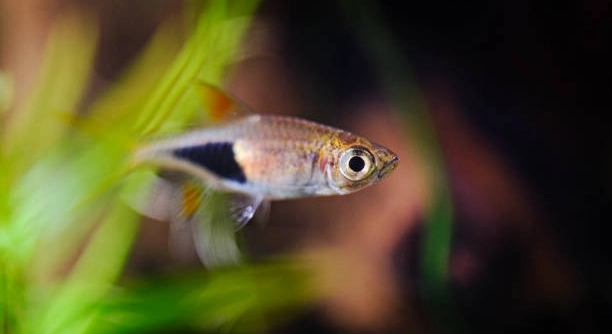
Have you ever noticed your rasboras swimming in a newly treated tank and wondered how they handle water conditioners? These tiny fish are sensitive to changes, and even small doses can affect their comfort and behavior.
Rasboras can tolerate standard doses of water conditioners when used correctly. Properly measured treatments neutralize harmful chemicals without causing stress, ensuring a safe environment. Overdosing or sudden application may harm their delicate systems, so careful administration is essential.
Understanding proper dosing practices will help maintain a healthy aquarium environment. Maintaining stable water conditions is key to supporting your rasboras’ well-being and long-term vitality.
Understanding Water Conditioners
Water conditioners are essential for keeping aquarium water safe for rasboras. They work by neutralizing chlorine, chloramines, and heavy metals that can be harmful to fish. When adding a conditioner, it is important to follow the manufacturer’s instructions carefully. Overdosing can create stress, while underdosing may leave harmful chemicals in the tank. Some conditioners also help maintain beneficial bacteria, supporting a balanced aquarium ecosystem. Choosing a product that suits the size of your tank ensures that all fish, including sensitive species like rasboras, are protected. Regular water testing can help determine if additional treatment is necessary, especially when using tap water with variable quality. Understanding how these conditioners interact with the water and your fish is a simple step that prevents health issues and promotes a stable environment. Using conditioner consistently will give your rasboras a better chance to thrive and display their natural behaviors.
Proper use of water conditioners reduces stress and promotes healthy swimming patterns.
Keeping rasboras safe involves consistent monitoring. Even small changes in water quality can affect their appetite, color, and activity. Using conditioners correctly is just one part of proper tank care. Observing your fish daily helps detect any reactions early, allowing you to adjust water treatment before problems escalate. Combining careful dosing with regular water changes ensures that their environment remains safe and stable. By paying attention to the signs your rasboras display, you can maintain a balanced habitat that supports both growth and natural behavior, making them more vibrant and active.
Safe Dosing Practices
Start with the recommended dose for your tank size, and never exceed it. Gradually adjusting the water allows fish to adapt.
Measuring the water conditioner accurately is crucial. Even slight miscalculations can stress rasboras and disrupt the tank’s balance. For larger tanks, divide the dose into smaller increments to avoid sudden chemical changes. Mixing the conditioner in water before adding it can help distribute it evenly. Observing your fish after treatment is important to ensure they respond well. If any unusual behavior appears, a partial water change may help restore comfort. Keeping a schedule for regular dosing maintains consistent water quality, preventing shocks to sensitive species. This method also supports beneficial bacteria, which are essential for breaking down waste and keeping ammonia levels low. Over time, following these practices will make your tank safer and your rasboras healthier, helping them remain active, colorful, and stress-free in their environment.
Common Mistakes with Water Conditioners
Overdosing is the most frequent mistake. Adding more than the recommended amount can stress rasboras and upset tank balance.
Rushing water changes without treating new water is another common problem. Tap water often contains chlorine or chloramines, which can harm delicate fish. Some aquarists assume small amounts won’t matter, but even minimal exposure can cause gill irritation or lethargy. Skipping conditioner during partial water changes can slowly accumulate toxins, affecting overall fish health. Consistent measurement and careful treatment prevent these issues. Using a syringe or small measuring cup ensures precision. Maintaining a routine of dosing and water testing helps catch any problems early, keeping the tank safe and stable for rasboras.
Not checking the conditioner’s expiration date can reduce its effectiveness. Old products may fail to neutralize harmful chemicals fully, leaving the water unsafe. Always confirm the product is fresh and properly stored. Additionally, introducing multiple treatments at once can overwhelm sensitive species. Staggering treatments and observing fish behavior allows adjustment before harm occurs. Keeping detailed notes of doses, water changes, and fish responses helps track patterns. This approach minimizes stress and supports healthier, more active rasboras. Properly timing and monitoring treatments ensures long-term water quality without unnecessary risks to the fish.
Signs Rasboras React to Conditioner
Sudden hiding, clamped fins, or unusual swimming patterns often indicate a negative reaction to water treatment.
If rasboras appear lethargic, lose color, or gasp near the surface, the conditioner dose may be too high or applied too quickly. Stress from chemical changes weakens their immune system and can lead to secondary health issues. Observing the fish closely for several hours after treatment is essential. Adjusting the amount or diluting the water with treated water can reduce stress. Frequent monitoring helps identify subtle behavioral changes that might otherwise go unnoticed. Proper acclimation and careful dosing prevent recurring reactions and maintain their overall well-being.
Consistent observation of behavior provides insight into tank conditions. Tracking feeding patterns, social interactions, and activity levels helps detect problems early. Fish that eat less or isolate themselves may be responding to chemical changes. Using smaller, incremental doses during water changes allows rasboras to adjust gradually, reducing shock. Maintaining stable temperature, pH, and water hardness in combination with conditioner use supports healthier fish. Regularly reviewing water test results alongside observed behavior ensures a balanced environment. This practice prevents long-term stress, encourages vibrant coloration, and helps maintain active, confident swimming patterns throughout the aquarium.
Choosing the Right Conditioner
Not all conditioners are the same. Some target chlorine only, while others handle heavy metals and chloramines.
Selecting a product suitable for small, delicate fish like rasboras is important. Look for gentle formulas that maintain water balance without harsh additives.
How to Apply Conditioner Safely
Measure the dose precisely based on your tank size. Adding too much at once can stress fish. For larger tanks, divide the dose into smaller portions and slowly mix it in. Observing the fish during and after treatment ensures they respond well. Keeping a consistent schedule prevents sudden chemical shocks.
Testing Water After Treatment
Check chlorine, pH, and ammonia levels after adding conditioner. This ensures the water is safe and balanced for rasboras.
FAQ
Can I use any water conditioner for rasboras?
Not all water conditioners are safe for small, sensitive fish. Choose a conditioner that neutralizes chlorine, chloramines, and heavy metals. Avoid products with strong additives or brightening agents, as these can stress rasboras. Always check the label to confirm suitability for small tropical fish.
How much conditioner should I add per tank?
Follow the manufacturer’s instructions based on your tank size. Using more than recommended can harm fish, while too little may leave harmful chemicals in the water. For larger tanks, it can help to divide the dose into smaller increments to prevent sudden chemical changes.
Can overdosing conditioner kill rasboras?
Yes. Overdosing can lead to chemical shock, gill irritation, or stress-related illnesses. Rasboras are delicate and sensitive to sudden changes. Always measure carefully and avoid guessing. Using precise tools like syringes or small measuring cups improves accuracy and protects the fish.
Should I treat water before or after adding fish?
Always treat water before introducing new fish. Untreated tap water can contain chlorine or chloramines, which are harmful. Treating water first ensures that the environment is safe, reducing stress and helping new fish acclimate faster.
Is it safe to add conditioner during regular water changes?
Yes, but it must be measured correctly. Partial water changes without treatment can expose fish to harmful chemicals. Adding the right dose during each change maintains stability and prevents cumulative stress on your rasboras.
Can rasboras adapt to untreated tap water over time?
No. Even small amounts of chlorine or chloramines can cause gill irritation, stress, or death. Rasboras need consistently treated water. Adapting them to untreated water is unsafe and can compromise their health permanently.
How do I know if the conditioner is working?
Water test kits are the best method. Test for chlorine, chloramines, and ammonia after treatment. If levels are neutralized, the conditioner is effective. Observing fish behavior also helps; calm, active fish indicate the water is safe.
Can I mix different conditioners in the same tank?
Mixing multiple conditioners is not recommended unless the label specifically allows it. Some chemicals can interact, reducing effectiveness or causing harm. Stick to a single, trusted product and follow the recommended dosage carefully.
Do I need to add conditioner every time I top off water?
Yes. Tap water added to replace evaporation can contain chlorine or metals. Treating the water before adding it ensures the tank remains safe and stable for rasboras, preventing stress from repeated exposure to harmful chemicals.
How often should I check water parameters after using conditioner?
Testing immediately after treatment and periodically over the next few hours is ideal. This ensures the conditioner has fully neutralized harmful chemicals and that the tank remains balanced. Regular testing supports long-term health and helps detect subtle changes before they affect fish.
Can conditioner affect plants or other tank inhabitants?
Most fish-safe conditioners are designed to be safe for live plants and invertebrates. However, always check the product label. Some conditioners with additional additives may impact sensitive species. Observing all tank inhabitants after treatment ensures no adverse reactions occur.
What should I do if rasboras show stress after dosing?
Perform a partial water change with treated water to reduce chemical concentration. Monitor behavior closely, and avoid adding more conditioner until the fish have recovered. Stress signs include clamped fins, hiding, or reduced activity. Maintaining calm, stable water conditions helps them recover quickly.
Can I use conditioner in combination with salt treatments?
Only if the conditioner label indicates compatibility with salts. Some chemical combinations can stress fish or neutralize effectiveness. Always add one treatment at a time and observe the fish before adding anything else to the tank.
Does temperature affect how conditioner works?
Slightly. Most conditioners work within normal aquarium temperatures, but extremely cold or hot water may reduce effectiveness. Using water within recommended temperature ranges ensures proper chemical neutralization and safe conditions for rasboras.
Is it necessary to shake or mix the conditioner before adding it?
Yes. Properly mixing ensures even distribution in the tank. Pouring directly without stirring can lead to localized high concentrations, which may stress or harm rasboras. Gentle circulation after adding conditioner helps maintain uniform water quality throughout the aquarium.
Can I overdose by adding conditioner multiple times in one day?
Yes. Multiple doses in a short period can be dangerous. Rasboras are sensitive to sudden chemical changes, so it is better to stick to a single, correctly measured dose and wait before adding more if needed.
How long should I wait before introducing new fish after treating water?
Generally, wait a few minutes to allow the conditioner to mix thoroughly. Some recommend testing water to confirm harmful chemicals are neutralized. This step ensures new fish, including rasboras, enter a safe and stable environment.
Does conditioner help with ammonia or nitrite spikes?
Some conditioners reduce ammonia or nitrite temporarily, but they do not replace proper filtration or cycling. Regular monitoring and maintaining a balanced tank are essential for long-term water safety. Conditioner is a protective measure, not a complete solution for water chemistry.
Can old conditioner lose effectiveness?
Yes. Expired or improperly stored conditioner may not neutralize chlorine or metals fully. Always check the expiration date and store in a cool, dry place. Using fresh, effective products ensures consistent protection for rasboras and other tank inhabitants.
Is it safe to use conditioner in newly cycled tanks?
Yes, and it is necessary. Even newly cycled tanks using tap water may still contain harmful chemicals. Properly dosing conditioner protects sensitive fish while the tank ecosystem stabilizes, promoting healthy growth and reducing stress during the early stages.
What signs indicate rasboras are thriving after treatment?
Active swimming, bright coloration, and regular feeding indicate they are healthy. Calm, confident behavior shows the water is safe and the conditioner is effective. Observing these behaviors consistently confirms proper treatment and stable tank conditions.
Can I use conditioner with tap water treated with RO or distilled water?
Yes, but RO or distilled water lacks minerals. Conditioner can help neutralize any remaining chemicals, but additional supplementation of essential minerals may be necessary to maintain water hardness and pH suitable for rasboras. Monitoring water parameters is key.
How often should I replace or refresh conditioner in the tank?
Regularly dosing during water changes is sufficient. Conditioner does not need constant replacement, but maintaining consistent treatment ensures ongoing protection. Avoid adding more than necessary to prevent chemical imbalances and stress to rasboras.
Are there conditioners specifically designed for rasboras?
Some products highlight suitability for small tropical fish, which generally includes rasboras. Look for gentle formulas that maintain water stability and avoid strong additives. Choosing a targeted product reduces risk and supports their delicate physiology.
Can I rely solely on conditioner to keep water safe?
No. Conditioner protects against chemicals like chlorine but does not replace proper filtration, cycling, or monitoring. Maintaining a balanced tank with regular testing and care is essential for rasboras’ health. Conditioner is one part of a complete maintenance routine.
How should I handle accidental overdosing?
Perform a partial water change using treated water immediately. Monitor fish behavior closely and avoid further chemical additions until the tank stabilizes. Observing signs like clamped fins or reduced activity helps determine recovery progress. Careful intervention prevents long-term harm.
Does conditioner lose effectiveness in high pH water?
Some formulas may be less effective at very high pH levels. Most standard tropical aquarium waters fall within safe ranges, but testing and adjusting pH ensures the conditioner works correctly and rasboras remain protected.
Can conditioner remove heavy metals from old plumbing?
Yes. Conditioners that target heavy metals can neutralize copper, lead, and other trace elements. This is important in older homes with metallic plumbing, where tap water may contain harmful residues. Regular dosing ensures consistent safety.
Is there a visual way to know if conditioner worked?
While fish behavior can provide clues, testing water is the only reliable method. Clear, calm, and active rasboras usually indicate safe water, but chemical testing confirms neutralization of chlorine, chloramines, and metals.
Can conditioner help stressed fish recover from previous exposure?
It provides immediate protection from further chemical stress but does not cure existing health issues. Supporting water stability, feeding, and careful observation helps fish recover more effectively. Conditioner creates a safe environment for healing but is not a treatment itself.
Should I remove activated carbon when using conditioner?
No. Carbon does not typically remove conditioner chemicals immediately. It continues to filter impurities, while the conditioner neutralizes harmful tap water chemicals. Both work together to maintain safe, stable water conditions for rasboras.
Is it necessary to rinse decorations or substrate after adding conditioner?
No, conditioner works in the water itself. Rinsing decorations or substrate before adding fish is important, but the chemical neutralization happens throughout the tank water, protecting all inhabitants.
Can conditioner help in emergencies with high chlorine levels?
Yes, it neutralizes chlorine and chloramines quickly. In cases of high tap water contamination, dosing accurately prevents acute stress or death in sensitive species like rasboras. Immediate action is crucial.
Does conditioner affect pH levels?
Most standard conditioners are pH neutral and do not significantly alter the water. Some specialized products may slightly adjust pH, but generally, they maintain stability to prevent stress in delicate fish. Monitoring pH ensures optimal conditions.
Can I use conditioner in coldwater tanks with rasboras?
Yes, but ensure the water temperature is within the species’ preferred range. Conditioner works effectively in typical tropical temperatures, and cold extremes may affect its efficiency. Maintaining proper warmth is essential for health.
How long does a conditioner remain effective after dosing?
It works immediately and continues protecting until water is replaced or diluted. Regular water changes require re-dosing to maintain safety. There is no long-term accumulation that increases protection over time.
Can conditioner prevent all water-related health issues?
No. It protects against chemicals but cannot prevent infections, parasites, or dietary deficiencies. Proper care, tank maintenance, and observation are necessary alongside water treatment to keep rasboras healthy.
What is the best way to store water conditioner?
Keep it in a cool, dry place, away from direct sunlight. Proper storage prevents degradation, ensuring that doses remain effective when needed for your rasboras. Always check the expiration date before use.
Is it safe to use conditioner with other chemical treatments?
Only if labels indicate compatibility. Combining multiple chemicals without guidance can harm fish or reduce effectiveness. Add one product at a time and monitor fish closely for adverse reactions.
Final Thoughts
Maintaining a safe and stable environment for rasboras starts with understanding the role of water conditioners. These products are designed to neutralize harmful chemicals in tap water, such as chlorine, chloramines, and heavy metals. Even small amounts of these substances can stress delicate fish or cause health problems over time. Using the right conditioner, in the correct dose, helps prevent these risks. Consistency is key. Treating water with every change, measuring doses carefully, and observing fish behavior afterward ensures that rasboras remain comfortable and healthy. This approach minimizes surprises, allowing the fish to thrive in a stable habitat that supports their natural activity and growth.
Proper dosing goes hand in hand with careful monitoring. Overdosing, underdosing, or applying treatment too quickly can cause stress or adverse reactions. Observing your fish before and after treatment provides valuable insight into how they respond to the water. Signs like lethargy, clamped fins, or hiding indicate that adjustments may be needed. Water testing can confirm that the chemicals have been neutralized, providing additional reassurance. Over time, maintaining this routine creates a predictable, safe environment that reduces stress and promotes overall well-being. Regular care, attention to dosage, and observing subtle behavioral changes are simple steps that have a significant impact on the health of your rasboras.
Finally, it is important to remember that water conditioners are one part of a larger aquarium care routine. They protect fish from harmful chemicals but do not replace proper filtration, feeding, or monitoring of water parameters. Healthy rasboras require a balanced environment that includes stable temperature, pH, and hardness. Careful observation, consistent maintenance, and attention to detail combine with conditioner use to support long-term health. By prioritizing these practices, you create a safe space where your rasboras can be active, display vibrant coloration, and live without unnecessary stress. A well-maintained tank with treated water ensures a reliable foundation for their care and allows you to enjoy the beauty and liveliness of your aquarium.

Hello,
If you enjoy the content that we create, please consider saying a "Thank You!" by leaving a tip.
Every little bit helps us continue crafting quality advice that supports the health, happiness, and well-being of pets around the world, for pets of all shapes, sizes, and species.
We really appreciate the kindness and support that you show us!