
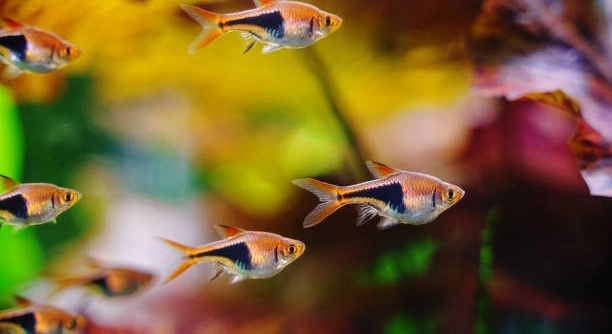
Rasboras are small, lively fish that often catch the eye with their sudden bursts of movement in aquariums. Observing their quick darts can be fascinating and sometimes puzzling, especially for those new to keeping these fish.
Rasboras swim in fast bursts primarily as a survival mechanism and for social coordination. These sudden movements help them evade predators, navigate their environment efficiently, and maintain cohesion within their shoals, enhancing their overall safety and adaptability.
Learning more about these behaviors will help you create a safer and more engaging environment for your rasboras. Observing them closely can reveal patterns and habits worth noting.
Understanding Rasboras’ Burst Swimming
Rasboras often move in short, rapid bursts, which may seem sudden or erratic at first. These bursts are natural and help them react quickly to any change in their surroundings. In aquariums, bright lights, sudden movements, or nearby fish can trigger these bursts. Even small vibrations or noises outside the tank can startle them. Observing them closely, I noticed that they rarely swim continuously in a straight line. Instead, they alternate between short bursts and slower gliding movements. This behavior is partly inherited from their natural habitats, where quick reflexes can mean the difference between safety and danger. Shoaling fish, like rasboras, rely on group coordination, and bursts help them align with each other, maintain distance, and respond as a unit. Over time, you can start predicting when they might dart and notice the subtle cues they use to communicate within the shoal.
These bursts are instinctive, helping rasboras stay alert and coordinated in their environment.
Watching these small movements closely gives insight into their behavior and social interactions within the tank, which is fascinating to observe.
Factors That Influence Burst Swimming
Rasboras’ bursts are influenced by both environmental and social factors.
Tank size, water conditions, and the presence of other fish affect how often and how intensely they move. Shoaling behavior plays a major role, as fish coordinate bursts to stay together and avoid collisions. Stress or sudden changes, such as new decorations or water temperature fluctuations, can also increase the frequency of bursts. Even the feeding schedule can make them dart more quickly, as they react to the approach of food or movement near the tank. Lighting intensity and placement impact their comfort level, prompting quicker or slower reactions. Over time, observing these triggers can help you create a more stable environment, reducing unnecessary stress. Adjusting tank conditions, maintaining consistent routines, and providing ample space allows rasboras to express their natural behaviors safely. Understanding these factors gives insight into their patterns and needs, making care more effective and enjoyable.
How Shoaling Affects Their Movements
Rasboras swim in groups, which influences their burst patterns. Each fish reacts to the movements of its neighbors, creating coordinated, quick dashes. These bursts help maintain spacing and reduce the risk of collisions.
Shoaling is a critical part of their behavior. When one rasbora darts, others follow almost instantly, forming a synchronized response. This coordination is instinctive, rooted in their need for safety in numbers. Shoals reduce vulnerability to predators, as sudden movements confuse attackers and give the group time to escape. In aquariums, even without predators, this instinct persists. Observing closely, I noticed how the fish seem to communicate nonverbally, adjusting speed and direction in harmony with their shoal. These interactions reveal both the intelligence and adaptability of rasboras.
Burst swimming also aids in social hierarchy and comfort. The fish adjust their pace based on shoal size, water flow, and perceived threats. When the group feels secure, bursts are less frequent, showing how environment and companionship influence behavior. These patterns are fascinating to track over time.
Environmental Triggers for Quick Bursts
Water conditions and tank setup strongly impact how often rasboras dart.
Changes in temperature, water flow, or clarity can prompt bursts. Even small vibrations from outside the tank or nearby activity can trigger instant reactions. Decorations, plants, and hiding spots also shape their swimming patterns. A well-structured environment with stable conditions reduces stress and encourages natural, predictable behavior. In my own tank, adding gentle water currents led to more fluid bursts, while sudden lighting changes caused startled dashes. These triggers demonstrate how sensitive rasboras are to their surroundings and how closely they monitor everything around them. Creating a consistent environment allows them to express natural behavior without unnecessary stress.
Feeding and Burst Activity
Rasboras often move in short bursts during feeding times. They react quickly to food in the water, darting to grab it before others.
Feeding stimulates their natural instincts. Even small flakes or pellets can trigger rapid movements, showing how competitive and alert they are when searching for food.
Predatory Instincts in the Tank
Even without real predators, rasboras retain instincts from the wild. Quick bursts allow them to escape perceived threats, such as sudden shadows or fast-moving tank mates. Observing my tank, I noticed that even harmless reflections can trigger short, sharp movements. These bursts are part of their survival behavior and help keep them agile and responsive. Over time, they learn which triggers are harmless, but instinct remains strong.
Social Comfort and Stress
Rasboras swim more calmly when they feel secure in their group and environment. Proper tank conditions reduce unnecessary bursts.
FAQ
Why do rasboras swim in fast bursts?
Rasboras swim in bursts primarily as a natural response to their environment. These quick movements help them react to potential threats, navigate their surroundings efficiently, and stay coordinated with their shoal. Even in aquariums, these instincts remain strong, ensuring their survival behaviors are expressed naturally.
Is burst swimming a sign of stress?
Not always. While excessive darting can indicate stress, occasional bursts are normal and healthy. Rasboras are naturally alert and reactive fish. Factors like sudden changes in lighting, nearby movement, or water disturbances can trigger bursts without meaning the fish are unhappy or unsafe.
Does tank size affect their bursts?
Yes, tank size and layout play a significant role. In smaller or overcrowded tanks, bursts may appear more frequent as fish navigate limited space. Larger tanks with open areas allow for more natural movement, and bursts become less frantic, reflecting comfort and freedom.
How does water flow influence their swimming?
Water flow can stimulate natural burst behavior. Gentle currents encourage movement, while strong, inconsistent flow may startle fish, causing sudden dashes. In my experience, adjusting the flow to a moderate level balances activity and comfort, letting rasboras swim quickly when needed without stress.
Do they burst more when feeding?
Yes. Feeding times trigger bursts because rasboras compete instinctively for food. They dart quickly to snatch flakes or pellets before others. These bursts are part of their natural foraging behavior and can be observed consistently, especially when introducing new or favorite foods.
Can sudden bursts indicate illness?
Occasionally, unusual bursts combined with lethargy, loss of appetite, or other symptoms may signal health issues. Observing behavior patterns is essential. Healthy bursts are controlled and purposeful, while erratic or continuous bursts alongside other symptoms may require checking water quality or consulting a vet.
Do all rasboras burst the same way?
Behavior varies by species, shoal size, and individual temperament. Some species are naturally more skittish and exhibit frequent bursts, while calmer species display shorter, less frequent movements. Observing your specific rasboras over time helps distinguish normal activity from unusual behavior.
How does shoaling affect bursts?
Shoaling has a direct impact. Fish in larger groups synchronize their movements, creating waves of bursts as they react to each other. This coordination reduces collisions, maintains spacing, and enhances safety. Even in small tanks, shoaling triggers instinctive bursts for group cohesion.
Can environment changes reduce bursts?
Yes. Consistent lighting, stable water conditions, and thoughtful decoration placement help reduce unnecessary bursts. Providing hiding spots and open swimming areas creates a sense of security. In my tank, adding plants and smooth decor helped rasboras express bursts naturally without stress or panic.
How often should I expect bursts?
Frequency depends on tank setup, feeding schedule, and shoal dynamics. Normal bursts occur multiple times daily, often during feeding or in response to movement. They may also increase briefly when new tankmates or changes are introduced. Observing patterns over time helps gauge what is typical for your fish.
Do bursts indicate excitement?
Sometimes. Rasboras also dart when exploring new areas or when they are alert and active. These bursts are not always defensive but can reflect curiosity or enthusiasm. Watching them interact with each other or investigate the tank often reveals playful bursts that show healthy activity levels.
Can I train rasboras to reduce bursts?
Indirectly, yes. Minimizing sudden stimuli, keeping routines consistent, and creating a calm environment helps reduce unnecessary bursts. While the instinctive response cannot be eliminated, they become more predictable and less stressed over time, which allows bursts to appear purposeful rather than reactive.
Do lighting changes affect bursts?
Absolutely. Sudden bright lights or shadows can startle rasboras, causing quick dashes. Gradual adjustments in lighting or using dimmers can help them acclimate slowly, reducing stress-induced bursts while still encouraging natural activity.
How do tank mates influence burst behavior?
Other fish can trigger bursts either through movement or competition. Fast-moving or aggressive species may startle rasboras, while calm companions allow for smoother, more coordinated bursts. Choosing compatible species ensures bursts remain natural and stress-free, maintaining a balanced aquarium environment.
Can bursts damage their health?
Normal bursts are safe and part of natural behavior. However, repeated collisions with tank walls or decorations can cause minor injuries. Observing tank layout and ensuring ample space reduces the risk, allowing rasboras to swim quickly without harm.
Is there a difference between day and night bursts?
Yes. Rasboras are more active during daylight, showing frequent bursts when exploring or feeding. At night, bursts decrease as they rest and hide, reflecting natural circadian rhythms. In my tank, adding dim lighting at night supports this natural behavior, helping them feel secure and calm.
How can I encourage natural bursts?
Providing space, hiding spots, and gentle water flow encourages bursts without stress. Feeding at regular intervals and maintaining stable conditions lets rasboras express their instincts safely. Observing their interactions and responding to their needs ensures healthy, controlled bursts throughout the day.
Do bursts change with age?
Younger rasboras tend to burst more frequently as they explore and adapt to their environment. Older fish may show fewer bursts but retain quick reactions for feeding or responding to stimuli. Watching them grow reveals subtle changes in movement patterns and energy levels.
Can bursts be a sign of excitement for new items in the tank?
Yes. Introducing new decorations or plants often prompts exploratory bursts. Rasboras react instinctively to investigate changes. These bursts are normal and indicate curiosity rather than stress. In my experience, giving them time to adjust reduces frantic movements while maintaining healthy activity levels.
Do bursts indicate dominance within the shoal?
Occasionally, subtle bursts can reflect hierarchy as fish assert space or maintain position. These are brief and coordinated, unlike frantic bursts caused by stress. Watching group interactions closely helps identify natural social dynamics without intervention.
How can I tell if bursts are normal or problematic?
Normal bursts are quick, controlled, and occur in response to predictable triggers like feeding or movement. Problematic bursts are continuous, erratic, or accompanied by other signs of distress such as hiding, clamped fins, or loss of appetite. Observing patterns over days helps differentiate between the two.
What role does diet play in burst activity?
A balanced diet supports energy levels, making bursts healthy and controlled. Poor nutrition may cause lethargy or erratic bursts due to stress or low energy. In my tank, consistent high-quality feeding results in lively but purposeful bursts, showing active and well-nourished fish.
Are bursts more common in certain species of rasboras?
Yes. Species like Harlequin rasboras are naturally more active and display frequent bursts, while smaller or calmer species may show shorter, less frequent bursts. Observing each species’ tendencies helps set realistic expectations for behavior in a tank.
Do bursts decrease as fish get accustomed to their environment?
Often, yes. Once rasboras feel secure in their tank, bursts become more controlled and purposeful. They still react instinctively to stimuli, but fewer unnecessary bursts occur, reflecting adaptation and comfort. Proper tank setup and consistent care speed up this adjustment period.
Can bursts indicate reproductive behavior?
Occasionally. During breeding or courtship, bursts may increase as males chase females or display agility. These movements are different from stress-induced bursts, often showing a pattern related to interaction and mating rituals. Observing these patterns provides insight into breeding readiness and social dynamics.
How do temperature changes affect bursts?
Sudden temperature fluctuations can startle rasboras, causing bursts. Maintaining stable, appropriate temperatures ensures bursts remain natural and controlled. In my experience, even a small change can trigger short dashes, highlighting the importance of careful monitoring and consistency.
Do bursts impact aquarium plants or decor?
Normal bursts rarely cause damage. However, repeated collisions in small tanks can disturb lightweight decorations or plants. Arranging the tank with secure decor and open swimming spaces allows rasboras to move naturally without creating chaos or damaging the environment.
How do you differentiate between playful and stress-induced bursts?
Playful bursts are controlled, short, and often involve exploration or social interactions. Stress-induced bursts are sudden, frequent, and sometimes chaotic, often triggered by startling stimuli. Observing context, triggers, and fish behavior over time helps identify the difference accurately.
Are bursts influenced by the number of fish in the tank?
Yes. Larger shoals create more synchronized bursts as fish coordinate movements. Smaller groups may have sporadic bursts, sometimes exaggerated due to lack of group cohesion. Observing shoal behavior helps adjust tank size and composition for natural movement patterns.
Can bursts signal environmental hazards?
Sudden, repeated bursts may indicate poor water quality, strong currents, or inappropriate tank conditions. Monitoring parameters like pH, temperature, and ammonia levels helps ensure bursts remain natural rather than stress responses to hazards.
Do bursts change with feeding type?
Yes. Live or moving food often triggers faster, more energetic bursts, while flakes or pellets produce shorter, controlled movements. Observing how rasboras react to different food types gives insight into their instincts and preferences.
How important is observation for understanding bursts?
Observation is key. Noticing patterns, triggers, and frequency allows understanding of normal versus abnormal behavior. In my tank, consistent monitoring helped me distinguish natural bursts from stress-related movements, improving care and environment for healthier, happier rasboras.
Can bursts serve as an enrichment activity?
Absolutely. Bursts reflect activity, alertness, and engagement with their environment. Providing space, plants, and gentle currents lets rasboras express instincts naturally, offering both exercise and mental stimulation, which is essential for their overall well-being.
Do bursts affect feeding hierarchy?
Yes. Bursts during feeding help fish assert position temporarily without aggression. Faster or more agile fish may access food first, but bursts are usually brief, controlled, and part of natural feeding behavior rather than prolonged competition.
Are bursts influenced by age and maturity?
Younger, smaller rasboras often burst more frequently as they explore and learn group dynamics. Mature fish show bursts in reaction to stimuli or social interaction rather than constant exploration. Observing growth stages helps understand changing patterns and energy levels.
Can bursts be encouraged for observation purposes?
Yes. Placing food strategically or introducing gentle currents encourages natural bursts, allowing you to observe activity patterns. These bursts remain controlled, safe, and reflect instinctive behavior, giving insight into their social interactions and agility.
Do bursts indicate curiosity?
Often. Investigating new objects or changes in the tank can trigger bursts. Unlike stress responses, these are purposeful, controlled movements showing active engagement with the environment and natural exploratory behavior.
How do bursts change with lighting schedules?
Gradual, consistent lighting encourages predictable bursts during active periods. Sudden lighting changes can provoke stress-induced bursts. In my tank, using a stable day-night cycle created regular activity patterns, allowing bursts to appear natural and healthy.
Can bursts be minimized without affecting natural behavior?
Yes. Stabilizing environment, maintaining consistent routines, and reducing sudden stimuli helps minimize unnecessary bursts while allowing natural, instinctive movements to continue. Careful tank design and observation ensure bursts remain safe and beneficial.
Do bursts serve a communication purpose?
Yes. Within shoals, bursts help maintain spacing, signal reactions to threats, and coordinate movement. These quick movements are subtle forms of communication that reinforce group cohesion and safety, visible when watching the fish interact closely.
Are bursts more frequent in certain tank setups?
Open tanks with minimal hiding spots often result in more bursts, as fish navigate freely and react to stimuli. Tanks with balanced cover and open areas create natural bursts, allowing fish to move instinctively without stress or collisions.
Do bursts indicate energy levels?
Yes. Active bursts show healthy energy, while lethargy or reduced movement may indicate low energy or health issues. Observing frequency, intensity, and context of bursts provides insight into overall vitality and well-being.
Can bursts be predicted?
To some extent. Feeding times, light changes, water movement, and social interactions often trigger predictable bursts. Watching your fish over time helps anticipate patterns, making it easier to understand and respond to their natural behavior.
How does group size impact bursts?
Larger groups synchronize bursts more frequently, creating waves of coordinated movement. Smaller groups show irregular bursts, sometimes more intense due to lack of coordination. Observing shoal behavior informs tank stocking decisions and helps maintain natural, safe movement.
Do bursts affect tank maintenance?
Occasional bursts rarely impact maintenance, but understanding patterns helps prevent disturbances to substrate, plants, or decorations. Observing where bursts commonly occur allows adjustments in setup for minimal disruption while supporting natural behavior.
Are bursts seasonal?
No, bursts are generally consistent year-round, reflecting instincts rather than seasonal changes. Environmental stability and feeding routines influence frequency more than seasonal factors. Monitoring patterns ensures bursts remain natural and manageable throughout the year.
Can bursts indicate dominance disputes?
Brief bursts may occur as fish assert spacing or establish hierarchy, but prolonged erratic bursts are usually stress-related. Observing context and frequency helps differentiate natural dominance behavior from agitation or discomfort.
Do bursts indicate happiness?
Playful, controlled bursts often reflect healthy engagement and contentment. Stress-induced bursts indicate concern or discomfort. Observing patterns and triggers helps interpret overall well-being and emotional state accurately.
How can I safely encourage bursts for exercise?
Providing open space, gentle currents, and interactive feeding encourages safe bursts. These controlled movements promote agility and mental stimulation, allowing rasboras to exercise naturally without stress or injury.
Are bursts more common in certain tank decorations?
Dense plants or complex layouts may reduce bursts, while open areas encourage them. Balancing cover and open space allows natural bursts for movement, exploration, and social coordination without causing stress.
Do bursts indicate alertness?
Yes. Rapid dashes reflect high alertness, even in calm tanks. Rasboras constantly monitor surroundings, and bursts signal attention to movement, light changes, or other stimuli, showing active engagement with their environment.
Can bursts be harmful during breeding?
Typically no, unless space is limited or stress is high. Controlled bursts during courtship or spawning are normal. Ensuring sufficient space and hiding spots prevents accidental collisions and supports healthy breeding behavior.
Do bursts vary by time of day?
Yes. Rasboras are more active during daylight, showing frequent bursts when exploring or feeding. At night, bursts decrease as they rest. A consistent light cycle supports natural activity rhythms and healthy burst behavior.
How can I monitor bursts effectively?
Keep a log of patterns, triggers, and frequency. Observing daily routines, feeding times, and environmental changes allows you to distinguish normal behavior from stress, ensuring bursts remain natural and healthy.
Do bursts indicate environmental enrichment needs?
Yes. Regular, controlled bursts suggest a stimulating environment, while lack of bursts may indicate boredom. Adding plants, decorations, and gentle water flow encourages activity, keeping rasboras engaged and mentally healthy.
Can bursts indicate learning or adaptation?
Absolutely. Rasboras adjust their bursts based on tank conditions, shoal behavior, and stimuli. Over time, they learn which movements are necessary, showing cognitive adaptation and social awareness within their environment.
Do bursts reflect personality differences?
Yes. Individual rasboras display varying burst patterns. Some are naturally more active and reactive, while others are calmer. Observing these differences helps understand personality traits and tailor tank conditions for balanced, healthy behavior.
Are bursts linked to age-related health changes?
Yes. Older fish may burst less frequently but maintain reflexes for feeding or escape. Younger fish often show frequent bursts as they explore and adapt. Monitoring age-related changes helps ensure ongoing health and activity.
Do bursts affect group dynamics over time?
Yes. Coordinated bursts maintain shoal cohesion and spacing. Patterns evolve as fish interact, settle hierarchy, and adapt to tank conditions. Watching these changes provides insight into social structure and individual behavior within the group.
Can bursts indicate feeding competition?
Yes. Quick movements during feeding help fish assert position and access food. These bursts are usually brief and controlled, reflecting natural foraging instincts rather than prolonged aggression.
Do bursts indicate overall tank health?
Indirectly. Frequent, healthy bursts suggest a safe, stimulating environment and good water quality. Erratic or excessive bursts may signal issues, emphasizing the importance of consistent observation and maintenance for optimal conditions.
Are bursts influenced by tank lighting color?
Yes. Bright or unnatural lighting can provoke bursts, while natural or soft lighting promotes calm, controlled movement. Adjusting light intensity and spectrum supports comfortable, natural burst behavior.
Do bursts indicate reproductive readiness?
Occasionally. Increased bursts, chasing, and coordinated swimming can indicate courtship or spawning behavior. Observing patterns helps identify reproductive cycles without causing stress.
Can bursts indicate territorial behavior?
In limited cases. Brief bursts may assert space, particularly in crowded tanks. Long, chaotic bursts usually indicate stress rather than genuine territoriality. Proper tank size and layout prevent conflict.
Do bursts reflect mental stimulation?
Yes. Controlled bursts show engagement with surroundings, shoal, and food. Lack of activity may indicate boredom. Providing enrichment encourages bursts that support cognitive and physical well-being.
Are bursts linked to water chemistry?
Yes. Poor pH, high ammonia, or fluctuating temperature can trigger stress bursts. Maintaining stable, appropriate water parameters ensures bursts remain natural and healthy.
Do bursts differ by feeding method?
Yes. Live or moving foods produce more energetic bursts, while flakes or pellets trigger shorter, deliberate bursts. Observing reactions helps tailor feeding practices to encourage healthy activity.
How can bursts inform tank adjustments?
Frequent or erratic bursts indicate areas needing attention, such as decor placement, tank mates, or water conditions. Adjusting these factors improves comfort, reduces stress, and allows natural movement patterns to emerge.
Do bursts affect energy expenditure?
Yes. Controlled bursts are part of normal activity and exercise. Excessive bursts due to stress can deplete energy, highlighting the need for stable, comfortable conditions and proper nutrition to support sustained activity.
Can bursts indicate compatibility with tank mates?
Yes. Continuous stress bursts often reveal incompatible species or aggressive behavior. Observing reactions during interactions helps assess compatibility and make adjustments to create a balanced environment.
Are bursts influenced by feeding location?
Yes. Food placement affects burst intensity and frequency. Scattering food or using different feeding spots encourages natural movement and prevents competitive stress, promoting controlled bursts and healthy activity.
Do bursts indicate curiosity about tank changes?
Yes. Introducing plants, decorations, or new tankmates often triggers short bursts. These movements reflect exploration and natural instincts, showing engagement with the environment rather than fear or discomfort.
Can bursts signal water quality issues?
Yes. Unexplained or excessive bursts, especially with other signs like gasping or lethargy, may indicate poor water conditions. Testing parameters and maintaining stability ensures bursts remain natural and safe.
Do bursts provide exercise benefits?
Absolutely. Controlled bursts promote muscle strength, agility, and reflexes
Rasboras’ fast bursts of swimming are a natural and important part of their behavior. These quick movements are not random; they serve multiple purposes, from helping the fish stay safe to maintaining social cohesion within their shoal. Even in an aquarium, where predators are absent, rasboras continue to express these instinctive behaviors. Watching them dart around the tank reveals their alertness and agility, as well as the way they interact with each other and their environment. Over time, it becomes clear that these bursts are both a survival mechanism and a form of communication within the group. Understanding this behavior allows you to better appreciate the intelligence and instincts these small fish display every day.
Maintaining the right environment is key to ensuring that bursts remain natural and stress-free. Factors such as water quality, tank size, lighting, and the presence of decorations all influence how often and how intensely rasboras move. Shoaling also plays a significant role, as the fish respond to each other in coordinated bursts. Providing adequate space, hiding spots, and stable conditions helps them express natural behaviors safely. Feeding routines and water flow also affect bursts, and observing how your fish react to these factors can guide small adjustments that make the tank more comfortable. Over time, it becomes easier to predict when bursts will occur and what triggers them, which helps in maintaining a calm and balanced aquarium.
Observing rasboras closely over days and weeks offers insight into their personalities, preferences, and social interactions. Some fish are naturally more active and display frequent bursts, while others are calmer. Paying attention to patterns helps distinguish between normal, healthy bursts and those caused by stress or environmental issues. Burst swimming also provides exercise and mental stimulation, which contributes to overall health. By creating a stable, enriched environment and monitoring their behavior, you can support the well-being of your rasboras while enjoying their lively, characteristic movements. These small bursts of energy are more than just quick darts; they are a reflection of instinct, alertness, and life in the water, offering both practical information and a sense of connection to the natural behaviors of these beautiful fish.

Hello,
If you enjoy the content that we create, please consider saying a "Thank You!" by leaving a tip.
Every little bit helps us continue crafting quality advice that supports the health, happiness, and well-being of pets around the world, for pets of all shapes, sizes, and species.
We really appreciate the kindness and support that you show us!