
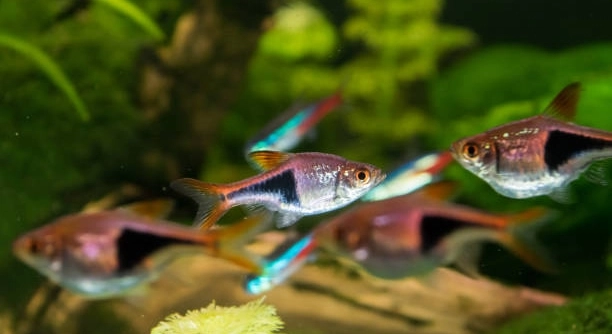
Do your Rasboras sometimes seem unsettled after moving decorations or plants in their tank? These small fish are sensitive to changes, and even minor adjustments in their environment can affect their behavior and swimming patterns.
Rasboras are capable of noticing tank rearrangements. They rely on visual cues and memory to navigate their environment. Changes in the layout can cause temporary stress or curiosity, influencing their movement, schooling behavior, and interaction with other tank inhabitants.
Understanding how rearrangements impact your Rasboras can help you create a calmer, more predictable environment. Observing their reactions offers insight into maintaining a healthy and stable aquarium.
How Rasboras React to Changes
Rasboras are highly observant and notice even small adjustments in their tank. Moving plants, rocks, or decorations can temporarily unsettle them. They may swim cautiously, cluster together, or explore the changed areas more slowly. Their reaction is often subtle at first, such as flicking their fins more frequently or pausing mid-swim. Over time, most Rasboras adapt to the new layout as they learn safe zones and hiding spots. Consistency in feeding times and gentle handling can help them regain comfort more quickly. Sudden or drastic rearrangements can increase stress, so it is usually best to make incremental changes. Even changing the background or lighting slightly may cause hesitation, as they rely heavily on visual landmarks to navigate. Watching their schooling behavior can indicate how well they are adjusting. Rasboras tend to mirror each other, so when one explores a new object, others often follow once it seems safe.
Their reactions are temporary and usually settle within a few days.
Gradually introducing changes can reduce stress and help Rasboras feel secure. Observing their response closely allows for better understanding of their needs and preferences. Keeping familiar hiding spots or plants in consistent locations gives them stability. Even small adjustments in the substrate or rearranging a few rocks should be done carefully. Avoid sudden additions or removal of tank items, as Rasboras rely on predictable surroundings for comfort. Over time, they learn to navigate the updated environment, exploring new areas and maintaining normal activity levels. Providing gentle lighting, steady water conditions, and consistent feeding schedules further supports their adaptation process.
Signs of Stress from Rearrangements
Minor behavioral changes can indicate that Rasboras are stressed.
Stress can manifest in several ways. Some Rasboras may hide for extended periods, stop schooling properly, or lose interest in food. Others might swim erratically, dart across the tank, or cling to the same spots repeatedly. Observing these signs helps determine if the rearrangement is too disruptive. Adjusting decorations slowly and keeping water conditions stable minimizes stress. Providing cover with plants or gentle hiding spots allows them to regain confidence. Regular monitoring ensures they return to normal behavior. Stress left unchecked can affect their health, including immune response and growth.
To help your Rasboras adjust, introduce changes in small steps. Start by moving one or two decorations at a time while leaving key hiding places intact. Keep feeding routines consistent to maintain a sense of normalcy. Monitor water temperature, filtration, and flow to prevent additional stress. Some Rasboras may take longer to adapt, and patience is essential. Encouraging exploration with new plants or gentle currents helps them regain activity. Avoid frequent, drastic rearrangements that can make them anxious. Over time, they learn the updated layout and regain normal schooling and feeding patterns. A calm, predictable environment supports their health, reducing the risk of illness and promoting natural behavior. By observing their reactions carefully, you can ensure their tank remains both stimulating and secure.
Gradual Rearrangement Techniques
Making small adjustments helps Rasboras adapt without stress. Move a few decorations at a time and keep familiar hiding spots intact. Sudden, large changes can trigger fear, so slow, careful rearrangements work best.
Start by shifting plants or rocks slightly each day. Observe their behavior after each change. If they appear stressed, pause and allow them to settle before proceeding. Keep water parameters stable and maintain feeding routines during this period. Gradual changes reduce anxiety, encouraging them to explore the new layout confidently. Over time, they will recognize landmarks and navigate freely without hesitation. Using the same decor repeatedly or adding familiar objects can also help them feel more secure.
Once minor adjustments are comfortable, you can introduce new elements carefully. Adding fresh plants, small rocks, or gentle ornaments can stimulate exploration while keeping stress minimal. Watch for signs of avoidance or hiding, and adjust placement if necessary. Gradual rearrangements help maintain normal schooling behavior and feeding patterns. Rasboras are adaptable, but patience is key to ensuring their environment remains safe, engaging, and stress-free.
Observing Behavioral Cues
Rasboras show stress through changes in swimming patterns and social behavior. Hiding, erratic movements, or staying near the surface are common indicators.
Close observation helps identify discomfort or anxiety caused by rearrangements. Healthy Rasboras swim in coordinated schools, explore freely, and respond to feeding signals. Any deviations from these behaviors suggest they are adjusting to changes. Subtle signs include fin flicking, hesitation near new objects, or clustering in a preferred area. Recording these behaviors over several days provides insight into their comfort level.
Providing familiar reference points during rearrangements supports their navigation. Consistent feeding times and gentle water flow help maintain routine. Avoiding overcrowding or rapid changes allows them to regain confidence gradually. Gradual rearrangements combined with attentive observation ensures their environment is stimulating yet secure. This approach encourages natural schooling, feeding, and exploration while minimizing stress. Over time, Rasboras learn the updated layout and return to regular activity, maintaining overall health and stability.
Timing and Frequency of Changes
Frequent rearrangements can confuse Rasboras and increase stress. Limit changes to a few times a month and avoid moving multiple items at once. Consistency in tank layout helps them feel secure.
Observe their reactions after each adjustment. If they show signs of hesitation or hiding, give them time to settle before making further changes. Gradual modifications combined with stable routines encourage confidence. Consistent feeding and water conditions also support adaptation, ensuring normal schooling and activity levels remain intact.
Using Hiding Spots Effectively
Providing plants, rocks, and other hiding spots helps Rasboras feel safe during rearrangements. These areas reduce stress and allow them to explore at their own pace. A mix of tall and low structures creates secure zones throughout the tank.
Impact on Feeding Behavior
Rasboras may become cautious around feeding times after rearrangements. They might delay approaching food or cluster near familiar areas.
Monitoring Long-Term Adaptation
Keep track of Rasboras’ behavior over weeks after rearrangements. Adjustments should lead to resumed normal activity and schooling patterns, indicating successful adaptation.
FAQ
Do Rasboras always notice tank rearrangements?
Yes, Rasboras are highly observant fish. They rely on visual landmarks to navigate and recognize familiar areas. Even small changes, like moving a plant or rock, can catch their attention. Most will investigate the new layout slowly, adjusting their swimming patterns and schooling behavior until they become comfortable.
How long does it take for Rasboras to adapt?
Adaptation time varies depending on the size of the change and the individual fish. Minor rearrangements may be tolerated within a day or two, while larger adjustments can take a week or more. Observing their behavior closely helps determine when they feel secure again. Gradual changes reduce stress and speed up the process.
What signs indicate stress in Rasboras?
Stress can appear in several ways. Common indicators include hiding for extended periods, darting erratically, staying near the surface, or avoiding certain areas. Changes in schooling behavior, such as breaking formation or clustering tightly, also suggest they are uneasy. Loss of appetite can be another sign.
Can tank rearrangements affect feeding habits?
Yes, some Rasboras may become cautious and delay approaching food after changes. Maintaining consistent feeding times and using familiar feeding spots can help them feel safe. Over time, they resume normal feeding once they adapt to the new layout. Hiding spots near feeding areas often reduce hesitation.
Are all Rasboras equally sensitive to changes?
Sensitivity varies among individuals and species. Some may adapt quickly with minimal stress, while others are more cautious. Younger or newly introduced fish tend to be more sensitive than established tank inhabitants. Watching each fish individually helps gauge their comfort level.
How can I minimize stress during rearrangements?
Gradual changes are key. Move one or two items at a time rather than doing a complete overhaul. Keep familiar hiding spots intact and maintain stable water parameters. Consistent feeding schedules and gentle lighting also support a sense of security. Avoid overcrowding and sudden additions.
Do hiding spots help during changes?
Absolutely. Plants, rocks, and ornaments provide shelter and reduce anxiety. Tall plants offer cover for timid fish, while low structures create secure zones for exploration. Maintaining at least a few familiar hiding spots during rearrangements ensures they have places to retreat if needed.
Is it necessary to rearrange the tank frequently?
Frequent changes are not necessary and can increase stress. Limiting adjustments to occasional small shifts is usually sufficient. Rasboras thrive in a stable environment. Occasional additions of plants or decorations can provide stimulation without causing excessive disruption.
Will Rasboras eventually forget the old layout?
Yes, over time they adjust and recognize the updated arrangement. Fish rely on visual cues, so they gradually memorize the new landmarks. Patience and incremental changes help them learn the new environment while minimizing stress.
Can rearrangements impact overall health?
Stress from repeated or sudden changes can affect immunity, appetite, and growth. Monitoring behavior and providing a stable environment ensures their health remains stable. Gradual adjustments, proper hiding spots, and consistent care reduce negative effects and support long-term well-being.
How do I know if a rearrangement is successful?
A successful rearrangement shows as resumed normal activity, schooling, and feeding behavior. Rasboras explore new areas confidently, interact with each other, and use hiding spots appropriately. Observing these behaviors over several days confirms they have adapted well.
What is the best way to introduce new decorations?
Introduce new items gradually, starting with one or two pieces at a time. Place them in areas that don’t disrupt established hiding spots. Observe how Rasboras react before adding more. Gentle lighting and stable water conditions support smooth adaptation.
Can rearrangements improve their environment?
Yes, thoughtful changes can provide enrichment, stimulate exploration, and enhance aesthetics. Adding plants or varying structures can make swimming more interesting. Gradual adjustments encourage natural behaviors while maintaining a sense of security. Over time, Rasboras benefit from a balanced and engaging tank layout.
Is it normal for Rasboras to be cautious initially?
Yes, initial hesitation is expected. They may pause, hide, or swim carefully near new objects. This cautious behavior is part of their natural instinct to assess safety. With consistent routines and familiar landmarks, they gradually regain confidence and resume normal activity.
Final Thoughts
Rasboras are observant and sensitive fish that respond to changes in their environment. Even minor rearrangements in the tank, such as moving plants, rocks, or decorations, can catch their attention and alter their behavior. These small fish rely on visual cues to navigate and feel secure. When familiar areas are moved or removed, Rasboras may become cautious, hide more often, or swim differently. Observing their reactions closely is important to ensure they remain healthy and comfortable. Their natural instinct is to seek safety, so even subtle changes can temporarily disrupt their routine. Maintaining stable water conditions, gentle lighting, and consistent feeding schedules supports their ability to adjust smoothly. Providing a few familiar hiding spots during changes also helps them feel more secure.
Adaptation to rearrangements varies between individual fish and species. Some Rasboras adjust quickly, exploring new areas within a day or two, while others may take a week or longer to feel comfortable. Gradual changes reduce stress and encourage confidence in their environment. Introducing new plants or decorations slowly allows them to learn the updated layout without feeling threatened. Watching their schooling behavior provides insight into how well they are adapting. A cohesive group response indicates that most fish are comfortable, while hesitation or avoidance may suggest the changes are too sudden. Even minor adjustments, such as shifting a rock or plant slightly, can make a noticeable difference in how secure they feel. Over time, Rasboras learn the new structure of their tank and resume normal activity, feeding, and social interactions.
Creating a stable and engaging environment for Rasboras requires patience and attention. Frequent, large rearrangements are unnecessary and can lead to prolonged stress or health issues. Limiting changes to occasional, small adjustments provides stimulation while keeping the tank predictable. Observing behavior over several days helps identify signs of stress or discomfort. Healthy Rasboras will gradually explore new areas, use hiding spots appropriately, and continue normal schooling and feeding patterns. Thoughtful rearrangements can also enhance their habitat, offering new areas for exploration and enriching their environment. By balancing consistency with gradual updates, it is possible to maintain both their comfort and a visually appealing tank. Understanding their responses and providing a secure environment ensures that Rasboras remain active, healthy, and well-adjusted in their aquarium.

Hello,
If you enjoy the content that we create, please consider saying a "Thank You!" by leaving a tip.
Every little bit helps us continue crafting quality advice that supports the health, happiness, and well-being of pets around the world, for pets of all shapes, sizes, and species.
We really appreciate the kindness and support that you show us!