7 Signs You Need to Separate the Fry

Many parents love watching their fry grow, but it can be challenging to know when it’s time to give them more space. Fry often cluster together, making it hard to monitor their health and growth. Separating fry at the appropriate stage is crucial for their survival and development. Overcrowding increases competition for food and oxygen, … Read more
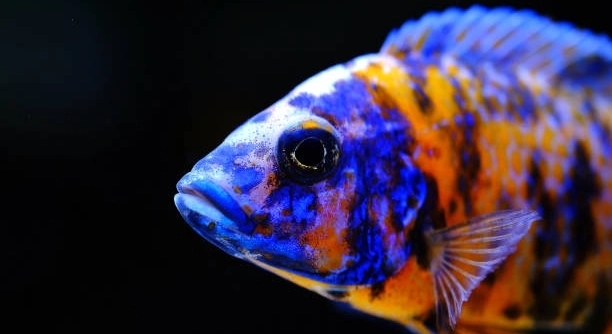
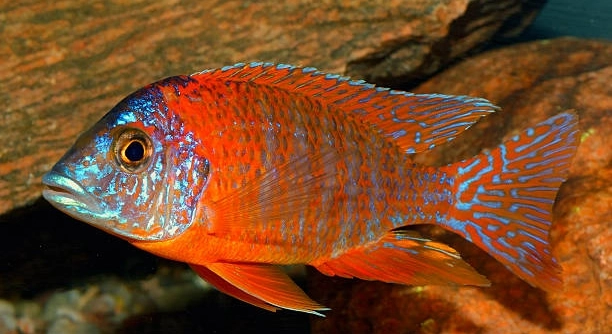
7 Signs Your Cichlid Tank Is Too Bare

Cichlids are colorful, lively fish that thrive in well-structured environments. Many aquarists focus on water quality and feeding, but often overlook the importance of decorations, plants, and hiding spots for a healthy, balanced tank. A cichlid tank that is too bare can lead to stress, aggression, and health issues. Providing adequate shelters, visual barriers, and … Read more

Can Cichlids Breed in a Bare Tank?

Have you ever set up a cichlid tank and wondered if it could support breeding without any decorations or substrate? Many hobbyists prefer minimal setups but are unsure how it affects their fish. Observing natural behaviors can help. Cichlids can breed in a bare tank, but success depends on species, water quality, and environmental conditions. … Read more

Can Convict Cichlids Recognize Their Tankmates?

Convict cichlids are small, active fish that live in freshwater aquariums. Many aquarium owners notice how these fish interact and wonder about their behavior. Their social patterns in tanks can be surprisingly complex and interesting to observe. Convict cichlids are capable of recognizing their tankmates through visual and behavioral cues. They show distinct preferences, often … Read more

7 Signs a Cichlid Pair Isn’t Compatible

Are your cichlids showing unusual behavior or tension in their tank? Observing their interactions closely can reveal whether a pair is truly compatible. Compatibility plays a key role in maintaining a peaceful and healthy aquarium environment. Signs of incompatibility in a cichlid pair often include aggression, lack of mating behavior, constant territorial disputes, and stress-related … Read more

Can Convict Cichlids Be Trained?

Have you ever noticed your convict cichlid swimming in patterns or following your movements across the tank? These lively fish often display behaviors that hint at intelligence and responsiveness. Observing them closely can be both fascinating and rewarding. Convict cichlids can be trained to recognize certain cues, respond to feeding routines, and interact with their … Read more

7 Things Convict Cichlids Do Before They Die

Convict cichlids are small but fascinating fish that live in freshwater aquariums. They show distinct behaviors as they grow older, and some changes can signal the end of their life cycle. Observing these patterns can help owners understand them better. Before dying, convict cichlids often reduce activity, lose interest in food, display erratic swimming, show … Read more

7 Foods That Make Convict Cichlids Thrive

Convict cichlids are colorful and active fish that can brighten any freshwater aquarium. Feeding them the right foods is essential to keeping them healthy and ensuring they show their natural behaviors in your tank. Providing convict cichlids with a balanced diet that includes protein-rich pellets, live or frozen foods, and occasional plant matter promotes growth, … Read more

Do Convicts Sleep More in Cold Water?

Do convicts spend long hours in cold water as part of their daily routines? This practice has been observed in certain rehabilitation programs and prison settings, raising interest in how the body reacts under such conditions. Some believe the cold affects sleep. Exposure to cold water can influence sleep patterns by lowering core body temperature … Read more

7 Things to Do After a Breeding Pair Splits

When a breeding pair splits, it can create uncertainty for both the animals and their caretaker. Adjusting to the change requires careful observation and practical steps to ensure the wellbeing of each animal. After a breeding pair separates, it is essential to assess the individual needs of each animal, provide appropriate housing and nutrition, and … Read more