
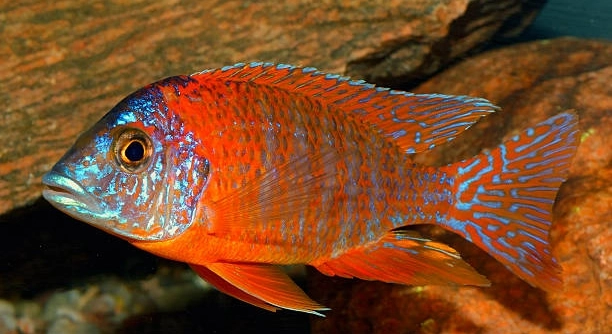
Convict cichlids are small, active fish that live in freshwater aquariums. Many aquarium owners notice how these fish interact and wonder about their behavior. Their social patterns in tanks can be surprisingly complex and interesting to observe.
Convict cichlids are capable of recognizing their tankmates through visual and behavioral cues. They show distinct preferences, often avoiding aggressive interactions with familiar individuals and displaying different social behaviors depending on prior interactions and established hierarchies.
Observing these interactions can reveal more than just social preferences. Understanding their recognition patterns can help maintain a peaceful and balanced aquarium environment for all fish.
How Convict Cichlids Identify Tankmates
Convict cichlids rely on a combination of sight and behavior to recognize the fish around them. They pay close attention to movement patterns, colors, and body shapes. Over time, these fish can distinguish between new and familiar tankmates. In many cases, this recognition reduces conflicts and helps them establish territories within the aquarium. Watching them, you may notice subtle gestures like nodding, fin displays, or specific swimming routes that indicate familiarity. Tankmates that are new may trigger cautious behavior, while established fish tend to ignore each other unless food or space is involved. Their memory plays a key role, allowing them to remember previous encounters.
Recognition is often influenced by how long the fish have been together.
Consistent interaction shapes their social hierarchy. A tank with several convict cichlids will develop a stable structure if the fish have had time to identify each other. Familiar fish may coexist peacefully, while new additions can disrupt routines and trigger short periods of aggression. Observing these behaviors can help aquarium owners manage conflicts effectively, ensuring all fish remain healthy and comfortable. Recognizing their signals is key to creating a calm environment.
Social Behavior Patterns
Convict cichlids show distinct social behaviors based on familiarity.
When tankmates are recognized, aggression levels decrease and territory disputes are easier to manage.
Convict cichlids form bonds through repeated interaction, learning who belongs in their space and who is new. They may engage in displays like flaring fins, chasing, or subtle nudges to establish dominance. Over time, recognized individuals are tolerated more, and aggressive incidents drop. New tankmates often provoke initial confrontations as the fish test boundaries, but recognition helps restore balance quickly. Feeding routines also highlight social patterns, as recognized fish often show less competition for food, while unfamiliar fish face more challenges in accessing resources. Understanding these dynamics allows tank owners to introduce new fish more smoothly. Watching and documenting behavior provides insight into their memory and social intelligence, ultimately supporting a healthier, more harmonious aquarium.
Factors Affecting Recognition
Size and age play a major role in how convict cichlids recognize tankmates. Larger fish often dominate interactions, while smaller or younger fish may be ignored or treated cautiously.
Tank conditions also influence recognition. Overcrowding or limited hiding spots can increase stress, making it harder for fish to identify each other. Clear water and stable temperature help maintain normal social interactions. Additionally, sudden changes like adding new fish or rearranging decorations can temporarily disrupt recognition patterns. Individual personality matters too—some fish are naturally more social, while others are aggressive or shy, affecting how they respond to tankmates. Consistent routines, such as feeding times and familiar territory, support proper recognition.
Recognition can be reinforced through repeated exposure. Fish that share space daily learn to anticipate behaviors, reducing conflicts. Even minor differences in fin displays or swimming speed are noticed. Tankmates that are familiar tend to engage in cooperative behaviors like mutual avoidance during feeding or respecting personal territories. This learned recognition strengthens social stability, making the aquarium calmer and easier to manage. Observing these interactions closely allows for better planning when introducing new fish.
Benefits of Tankmate Recognition
Recognizing tankmates lowers stress and reduces aggression among convict cichlids.
When fish identify familiar individuals, they spend less time in conflict and more time on normal activities like exploring, feeding, or resting. Social stability also helps them feel secure in their environment, which can improve overall health.
Proper recognition improves breeding success. Convict cichlids that know each other are less likely to fight over nests or territory, allowing pairs to focus on caring for eggs and fry. It also makes group dynamics predictable, helping owners manage mixed-species tanks more effectively. Reducing aggression saves energy for growth and development. Fish that consistently recognize tankmates exhibit calmer behavior, which prevents injuries and promotes longer life spans. Maintaining a stable environment with familiar fish creates a peaceful tank where each individual can thrive without unnecessary stress or conflict.
Signs of Recognition
Familiar tankmates often swim calmly around each other. They avoid unnecessary chasing and respect each other’s space, showing comfort in shared territory.
Interactions like gentle nudges or synchronized swimming are common. Recognized fish usually tolerate feeding proximity without conflict, demonstrating established social bonds and reduced stress in the aquarium.
Introducing New Tankmates
New fish can trigger temporary aggression as convict cichlids test boundaries. Gradual introduction and visual separation can help reduce tension. Recognized behaviors in established fish provide clues on how they might react to newcomers. Careful monitoring ensures safety for both new and existing tankmates.
Memory and Learning
Convict cichlids remember previous interactions with tankmates. They distinguish between familiar and unfamiliar fish based on past experiences, which influences their behavior and social decisions. Memory helps maintain order and minimizes repeated aggression in the tank.
Environmental Influence
Tank layout, hiding spots, and water quality affect recognition. A stable and enriched environment supports social memory and allows fish to interact confidently, improving overall harmony in the aquarium.
FAQ
How do I know if my convict cichlids recognize each other?
Familiar fish display calmer behavior around each other. They often swim close without chasing, avoid aggressive fin displays, and tolerate feeding proximity. Subtle interactions like nudges or mirrored swimming indicate recognition. Observing these behaviors consistently over time confirms that your cichlids are aware of their tankmates.
Can convict cichlids recognize fish of other species?
Convict cichlids mainly recognize their own species. They may notice other species visually, but recognition and memory are less developed with different fish. Interactions are usually based on territory or competition for resources rather than social familiarity. Some non-aggressive species may coexist without issues.
How long does it take for convict cichlids to recognize new tankmates?
Recognition develops over days to weeks, depending on fish size, age, and personality. Larger or more dominant fish may assert themselves quickly, while shy individuals take longer. Gradual introductions and repeated exposure accelerate familiarity and reduce stress.
Does tank size affect recognition?
Yes. Smaller tanks force more interactions, which can increase stress and aggressive testing before recognition develops. Larger tanks allow fish to establish personal space, making recognition more gradual but stable over time.
What role does memory play in recognition?
Memory is key. Convict cichlids remember previous encounters and adjust their behavior accordingly. Recognized fish face fewer confrontations, while unfamiliar fish may be tested repeatedly. Strong memory helps maintain social order in a mixed group and reduces unnecessary stress.
Can stress affect recognition?
High stress can interfere with recognition. Poor water quality, overcrowding, or sudden environmental changes may make fish more aggressive or avoidant. Maintaining stable conditions supports social memory and helps cichlids interact appropriately.
How do I introduce a new fish without triggering aggression?
Use visual separation first, like a divider or separate tank. Gradually allow the new fish to interact while monitoring behavior. Introduce during feeding or in neutral territory to minimize territorial disputes. Over time, recognition will reduce conflicts.
Do convict cichlids show favoritism toward specific tankmates?
Yes. Fish they recognize well may tolerate closer proximity or share territory without conflict. Aggressive or dominant individuals might assert control over weaker ones, but familiar fish generally develop predictable, peaceful interactions.
Can recognition affect breeding behavior?
Recognized tankmates establish territories more calmly, which supports pairing for breeding. Fish are less distracted by aggression and can focus on nest building and fry care. Unfamiliar tankmates can disrupt this process until recognition stabilizes.
How can I encourage better social recognition in my tank?
Maintain consistent routines, stable water conditions, and sufficient hiding spots. Avoid frequent rearrangements, overcrowding, or sudden introductions. Observing interactions and introducing fish gradually helps cichlids develop recognition, creating a calmer and more predictable aquarium environment.
Is recognition permanent?
Recognition is long-lasting but can be affected by major environmental changes or prolonged separation. Fish that are separated for months may need to re-establish familiarity when reunited. Consistency in tank conditions helps preserve social memory over time.
Do convict cichlids remember aggressive encounters?
Yes. Aggressive interactions are remembered and influence future behavior. Fish may avoid past aggressors or approach cautiously. Memory of past conflicts helps maintain social order and reduces repeated injuries or stress in the tank.
Can tank decorations influence recognition?
Decorations affect territory boundaries. Familiar layouts allow fish to recognize each other within defined spaces. Changing decorations suddenly can confuse fish, disrupt established hierarchies, and temporarily increase aggression until new recognition patterns form.
How often should I monitor social behavior?
Daily observation is best. Watching feeding, swimming, and resting patterns helps identify stress, aggression, and recognition issues early. Consistent monitoring ensures timely intervention if conflicts arise and supports a healthy social environment.
What are the signs that recognition is failing?
Frequent chasing, repeated aggression, or avoidance despite repeated exposure suggests recognition is not established. Environmental stressors, overcrowding, or illness can interfere with social memory, signaling the need for adjustments in tank conditions or fish management.
Can convict cichlids recognize tankmates through smell?
Yes, chemical cues play a minor role. While visual and behavioral cues are primary, olfactory signals can help fish distinguish between familiar and unfamiliar tankmates, especially during feeding or territorial disputes.
How does age affect recognition?
Younger fish may take longer to learn social cues and establish recognition. Older fish have more experience and are better at remembering individuals and managing interactions. Mixed-age tanks may require closer monitoring during introductions.
Do all convict cichlids have the same recognition ability?
No. Personality differences affect recognition. Some fish are naturally aggressive or shy, which influences how quickly they learn to identify tankmates and interact peacefully. Individual behavior patterns shape social dynamics in the tank.
Can diet influence social behavior and recognition?
Proper nutrition supports energy and cognitive function, which indirectly affects recognition. Hungry or malnourished fish may become more aggressive or distracted, reducing their ability to remember and respond appropriately to tankmates. A balanced diet helps maintain stable social interactions.
Is visual clarity important for recognition?
Absolutely. Clear water allows fish to see fin displays, colors, and movement patterns necessary for recognition. Cloudy or dirty water can hinder these cues, increasing stress and misidentification among tankmates.
How do I know when new fish are fully accepted?
Once chasing and aggression decrease, fish swim calmly together, share feeding space, and tolerate proximity, it indicates full recognition. Behavior becomes predictable, and social stability returns, signaling successful integration of new tankmates.
Can recognition improve over time?
Yes. Continuous interaction strengthens social bonds. Fish that initially show aggression or caution often become tolerant once repeated encounters reinforce familiarity. Patience and careful monitoring support long-term recognition and a peaceful aquarium environment.
Are there differences between males and females in recognition?
Males may be more territorial and assert dominance, while females often prioritize nesting or resource sharing. These tendencies affect how each sex recognizes and interacts with tankmates, influencing overall social dynamics.
Does recognition reduce stress in the tank?
Yes. Recognized tankmates avoid unnecessary confrontations, reducing cortisol levels and creating a calmer environment. Fish spend more time on normal activities like feeding, resting, and exploring, promoting health and longevity.
What is the best way to maintain recognition in a long-term tank?
Keep stable water parameters, maintain consistent routines, avoid overcrowding, and introduce new fish gradually. Preserving territory structures and minimizing sudden changes helps fish retain memory of tankmates and supports a harmonious environment.
Can recognition prevent injuries?
Recognized fish are less likely to engage in fights or chase unnecessarily. Reduced aggression lowers the risk of fin damage, scale loss, or stress-related health issues, creating a safer tank for all inhabitants.
How do I reintroduce a fish after separation?
Gradual reintroduction with visual barriers allows the fish to recognize each other safely. Observing behavior closely ensures conflicts are minimized, and social bonds can be re-established without triggering aggression.
Does water temperature affect recognition?
Yes. Stable temperatures support normal behavior and memory. Sudden changes can stress fish, impair recognition, and increase aggression. Maintaining consistent conditions ensures social interactions remain predictable and peaceful.
How does tank population size influence recognition?
Smaller groups allow easier recognition, while larger populations may take longer to establish social familiarity. Overcrowding can increase stress and make it difficult for fish to maintain memory of all tankmates, requiring careful management.
Can recognition affect feeding behavior?
Recognized fish often feed calmly together without competition. Unfamiliar fish may provoke chasing or guarding of food, increasing stress and reducing efficient feeding. Recognition supports smoother, calmer feeding routines.
Do convict cichlids form long-term bonds?
Yes. Fish that regularly interact and recognize each other tend to maintain stable relationships, showing predictable behaviors and reduced aggression. Long-term familiarity contributes to a peaceful and well-structured social environment in the aquarium.
Is recognition affected by illness?
Illness can impair behavior and memory, making fish less responsive to familiar tankmates. Sick individuals may be avoided or provoke aggression. Maintaining health is essential for stable recognition and harmonious interactions.
How can I track recognition progress?
Observe daily interactions, note aggression levels, feeding behavior, and proximity tolerance. Recording patterns helps identify when recognition is established or if interventions are needed to support social harmony.
Can recognition vary between tanks?
Yes. Environmental conditions, population size, and tank layout influence how quickly and effectively fish recognize each other. Stable, enriched tanks promote better recognition than crowded or frequently altered setups.
Are there any signs of bonding between specific fish?
Cooperative behaviors, shared swimming routes, and tolerance during feeding indicate strong recognition and bonding. Fish may form predictable social pairs or groups within the tank, reflecting established familiarity.
Can recognition influence breeding success?
Recognized pairs establish territories calmly and focus on nest building and fry care. Familiarity reduces stress, supports cooperation, and increases the chances of successful reproduction in the aquarium.
Does water chemistry impact recognition?
Stable pH, hardness, and cleanliness support normal behavior. Sudden changes can stress fish and impair recognition, increasing aggression and disrupting social memory. Consistency is key for maintaining peaceful interactions.
Can recognition help reduce bullying?
Yes. Familiar fish respect established hierarchies and personal space. Reduced aggression minimizes chasing or harassment, making the tank safer and more comfortable for all inhabitants.
How long does recognition last?
Recognition can last months or even years if tank conditions remain stable. Separation, environmental changes, or health issues may require re-establishing familiarity, but strong bonds are resilient with consistent care.
Do convict cichlids use body language for recognition?
Yes. Fin displays, swimming patterns, and posturing communicate familiarity or dominance. Observing these cues helps understand relationships and prevents misunderstandings among tankmates.
Can recognition be influenced by breeding pairs?
Breeding pairs often assert territory more strongly but still recognize familiar fish. Their behavior may be more protective around nests, affecting interactions with both new and established tankmates.
Are juvenile convict cichlids less capable of recognition?
Yes. Young fish are still learning social cues and may be more aggressive or cautious. Over time, exposure and repeated interactions improve recognition and reduce conflicts.
Can recognition affect overall tank harmony?
Absolutely. Fish that recognize each other behave predictably, reduce stress, and allow all inhabitants to coexist peacefully. Stable social memory creates a calm, balanced environment that benefits both behavior and health.
How can I support recognition in mixed-species tanks?
Introduce compatible species gradually, monitor interactions closely, and ensure sufficient space and hiding spots. Familiarity with tankmates reduces stress, aggression, and competition, supporting a harmonious ecosystem.
Does lighting affect recognition?
Clear, consistent lighting allows fish to see colors, patterns, and movements needed for recognition. Poor or inconsistent lighting can reduce visibility and disrupt social memory, leading to confusion or aggression.
Are there signs that a fish is struggling with recognition?
Persistent chasing, hiding, or unusual aggression despite repeated exposure indicates difficulty. Adjusting the environment, providing more space, or separating fish temporarily can help restore recognition and balance.
Does recognition influence energy levels?
Recognized fish expend less energy on conflicts and defending territory. They can focus on swimming, feeding, and exploration, promoting growth, health, and overall vitality in the tank.
How often should I introduce new fish to maintain recognition?
Frequent additions can disrupt social memory. Introducing new fish gradually and monitoring interactions ensures recognition is preserved and reduces stress for established tankmates.
Can recognition help prevent dominance disputes?
Yes. Recognized fish understand hierarchies and boundaries. They are less likely to challenge established dominance unnecessarily, reducing stress and creating a calmer social structure.
Do convict cichlids recognize individual humans?
Yes, to some extent. They may respond to familiar people by swimming toward them or showing interest during feeding, reflecting memory and learned behavior rather than complex social recognition.
Can seasonal changes affect recognition?
Seasonal temperature shifts or daylight changes can stress fish, temporarily affecting social memory. Maintaining stable environmental conditions helps preserve recognition and calm interactions.
Does recognition influence hiding behavior?
Familiar fish hide less around known tankmates. Unfamiliar or aggressive individuals may trigger more hiding until recognition develops, showing how memory affects comfort and security.
Can recognition impact overall aquarium management?
Absolutely. Understanding social memory helps plan tank layout, feeding schedules, and new introductions, creating a safer, calmer, and healthier environment for all inhabitants.
Do convict cichlids show long-term preference for certain tankmates?
Yes. Fish that consistently interact without conflict or aggression often stick together, forming predictable social patterns. These long-term preferences enhance stability and reduce stress in the aquarium.
Can recognition be improved with enrichment?
Providing hiding spots, plants, and visual markers helps fish navigate territories and remember tankmates. Enrichment supports memory and reduces stress-related aggression, promoting better recognition.
Are there any risks if recognition fails?
Yes. Failure to recognize tankmates can lead to repeated aggression, stress, injuries, and decreased health. Maintaining stable conditions and monitoring interactions is essential to prevent these issues.
Do convict cichlids show recognition during sleep or resting periods?
Yes. Even while resting, fish maintain awareness of familiar neighbors. Recognized tankmates can sleep closer without disturbance, while unfamiliar fish may trigger alertness or avoidance behaviors.
How does recognition influence overall tank health?
Stable recognition reduces stress, aggression, and injury, leading to healthier, longer-living fish. It supports normal feeding, growth, and breeding, contributing to a balanced and thriving aquarium ecosystem.
Can recognition help with territorial disputes?
Yes. Recognized fish respect established territories and boundaries. Social memory reduces unnecessary challenges and promotes peaceful coexistence, helping maintain a structured and calm aquarium environment.
Do convict cichlids recognize offspring?
Parents can recognize their own fry, showing protective behavior. Recognition supports nurturing, guarding, and guiding young fish until they are independent, highlighting memory’s role in reproductive success.
How long does it take for recognition to stabilize in a new tank?
It can take several days to weeks, depending on tank size, population, and individual personalities. Gradual acclimation and consistent routines accelerate the process and reduce aggression.
Does recognition affect stress hormone levels?
Yes. Familiar tankmates reduce cortisol production, lowering stress. Fish spend more time on normal activities, improving health, growth, and social stability in the aquarium.
Can recognition fail in large groups?
Yes. In very large populations, individual memory may be limited, making full recognition difficult. Stable environments and structured territories help mitigate conflicts in bigger groups.
Do convict cichlids recognize tankmates visually or chemically?
Both. Visual cues like fin displays and movement patterns are primary, but chemical signals help reinforce recognition, especially in identifying familiar individuals during feeding or territorial disputes.
Are there ways to retrain fish to recognize each other?
Yes. Temporary separation followed by gradual reintroduction, consistent routines, and stable environments allow fish to re-establish recognition. Close observation ensures conflicts are minimized during the process.
Can recognition affect feeding hierarchy?
Recognized fish often respect established feeding order. Unfamiliar fish may provoke competition or aggression. Stable recognition ensures calm feeding sessions and reduces stress-related injuries.
How important is consistency in maintaining recognition?
Extremely important. Stable routines, water conditions, and tank layout support memory retention. Frequent changes disrupt recognition, increase aggression, and elevate stress levels among tankmates.
Does recognition influence swimming patterns?
Yes. Recognized fish swim confidently near familiar tankmates and avoid unnecessary chasing. Unfamiliar fish may trigger cautious or evasive movements until social memory develops.
Can recognition reduce overall energy expenditure?
Absolutely. Fish that know each other spend less time fighting or chasing, conserving energy for feeding, growth, and reproduction, promoting healthier and more active individuals in the tank.
How do I ensure long-term recognition in my aquarium?
Maintain stable water parameters, consistent feeding, gradual introductions, and enriched environments. Observing behavior and managing stress ensures recognition remains strong, supporting a peaceful and thriving aquarium community.
Do convict cichlids show recognition in crowded tanks?
Recognition is possible but more challenging. Overcrowding increases stress and conflicts, making it harder for fish to remember all tankmates. Providing hiding spots and structured territories helps maintain familiarity despite population density.
Can recognition be disrupted by illness or injury?
Yes. Sick or injured fish may behave differently, confusing tankmates. Recovery and stable conditions help re-establish recognition and reduce unnecessary aggression.
Does recognition affect social learning?
Yes. Recognized fish learn behaviors from each other more efficiently, such as feeding routines or territory boundaries. Familiarity accelerates learning and promotes cohesive group behavior in the aquarium.
Are there behavioral cues that indicate strong recognition bonds?
Calm swimming together, shared feeding tolerance, synchronized movements, and low aggression levels are strong indicators. Fish with established bonds interact predictably and maintain a stable social structure.
Can recognition be influenced by previous trauma?
Yes. Fish that experienced aggression or stress in the past may be cautious or aggressive toward new or unfamiliar tankmates. Gradual exposure helps rebuild trust and recognition.
Do convict cichlids recognize tankmates after relocation?
Recognition may weaken after transport or major environmental changes. Gradual reintroduction and observation help re-establish familiarity and reduce stress-related aggression.
Can recognition help in multi-species tanks?
Yes. Even if recognition is strongest among the same species, familiar interactions reduce overall stress and aggression, allowing compatible species to coexist more peacefully.
Does recognition impact mating behavior?
Recognized pairs or familiar fish establish territories more effectively, reducing stress and increasing the chances of successful mating and fry survival.
How can I support recognition during seasonal changes?
Maintain stable temperature, lighting, and routines. Sudden shifts can stress fish and disrupt social memory, so gradual adjustments help preserve recognition and calm interactions.
Can recognition affect longevity?
Yes. Reduced stress and aggression from recognized tankmates support health, growth, and overall lifespan, creating a more stable and thriving aquarium environment.
Are there specific signs that recognition is improving?
Decreased chasing, calmer swimming, shared feeding tolerance, and predictable social interactions indicate recognition is developing and the tank is becoming more stable.
How do I balance recognition and introducing new fish?
Introduce newcomers gradually, provide visual barriers, and monitor interactions closely. Stable environments and consistent routines help established fish retain recognition while new fish acclimate.
Does recognition affect how convict cichlids interact with plants and decorations?
Yes. Recognized fish navigate territories calmly around familiar tankmates, using decorations as markers. Unfamiliar fish may provoke disputes over hiding spots or territory until recognition develops.
Can recognition be observed through feeding behavior alone?
Partially. Fish that recognize each other tolerate feeding proximity without chasing or guarding food
Final Thoughts
Convict cichlids are more aware of their surroundings than many people realize. They use sight, behavior, and even chemical cues to recognize their tankmates. Over time, they learn who belongs in their space and who is unfamiliar. This recognition affects how they swim, feed, and interact. Fish that recognize each other tend to be calmer, spend less energy on unnecessary chasing, and coexist more peacefully. It is clear that their memory and social awareness play a significant role in maintaining order within the tank. Observing these patterns can be both fascinating and helpful for anyone keeping cichlids, as it allows you to understand how each fish reacts and adjusts to others.
The environment in which convict cichlids live has a big impact on recognition. Stable water conditions, clear visibility, and adequate space allow fish to establish familiarity and maintain social memory. Overcrowded tanks, sudden changes, or poor water quality can stress the fish and interfere with recognition. Providing hiding spots, decorations, and predictable routines helps fish feel secure while learning about their tankmates. Gradual introductions of new fish are important because abrupt changes can trigger aggression and disrupt established relationships. Even factors like feeding schedules or territory boundaries contribute to how effectively convict cichlids identify and remember other fish. Paying attention to these details ensures that recognition develops smoothly and supports long-term social stability.
Recognition is not just about reducing aggression; it also affects overall tank harmony and health. Fish that know each other can focus on normal behaviors like feeding, swimming, and resting rather than spending energy on conflicts. Recognized tankmates also improve breeding success, as pairs can establish territories and care for fry without distraction. Long-term familiarity reduces stress, lowers the risk of injuries, and promotes a calmer, more predictable aquarium environment. For anyone managing an aquarium, understanding and supporting recognition among convict cichlids is essential. It allows for a more peaceful tank, healthier fish, and a rewarding experience observing these intelligent, social creatures interact. Recognition is a natural part of their behavior, and with careful attention to their environment and social dynamics, you can ensure your cichlids thrive together.

Hello,
If you enjoy the content that we create, please consider saying a "Thank You!" by leaving a tip.
Every little bit helps us continue crafting quality advice that supports the health, happiness, and well-being of pets around the world, for pets of all shapes, sizes, and species.
We really appreciate the kindness and support that you show us!