
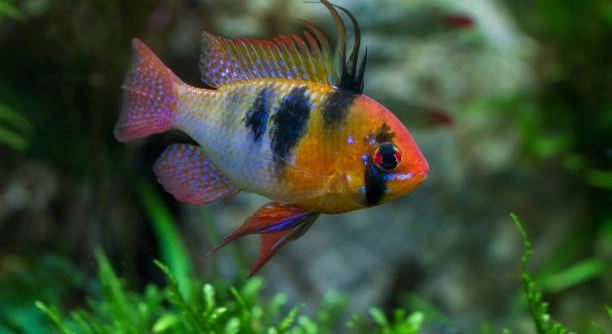
Convict cichlids are small but fascinating fish that live in freshwater aquariums. They show distinct behaviors as they grow older, and some changes can signal the end of their life cycle. Observing these patterns can help owners understand them better.
Before dying, convict cichlids often reduce activity, lose interest in food, display erratic swimming, show fading colors, become more reclusive, guard their territory less, and may isolate themselves from other fish. These behaviors are common indicators of declining health.
Noticing these changes early can help aquarists respond appropriately. Learning about their final behaviors provides insight into their health and improves overall care in the aquarium.
Reduced Activity and Lethargy
As convict cichlids age or face illness, one of the first signs of decline is reduced activity. They may swim slower, rest on the tank bottom for longer periods, or avoid exploring decorations and plants. Healthy cichlids are typically energetic, darting around and investigating their environment, but a noticeable drop in movement can indicate stress or nearing death. In some cases, they might even drift with the current instead of actively swimming. Monitoring activity levels can give aquarists an early warning about their fish’s health. Over time, lethargy often becomes more pronounced, and the fish may no longer react to stimuli or feeding times as they once did. Understanding this behavior is important because it helps distinguish normal resting patterns from a serious decline. Regular observation allows for better decision-making regarding tank care and potential intervention.
Reduced activity often signals weakening health and declining energy levels. Cichlids may rest more, swim less, and lose interest in exploring or interacting with their environment.
Recognizing these signs early can help you manage tank conditions and comfort the fish. By adjusting temperature, water quality, or diet, you can reduce stress and prevent further decline. This attention also provides insight into other behavioral changes that may follow, allowing for a more responsive approach to their care. Observing these patterns helps ensure the remaining time for the fish is as stable and comfortable as possible, highlighting the importance of attentive aquarium management.
Loss of Appetite
Loss of appetite is a common indicator that convict cichlids are nearing the end of life. They may ignore food entirely or nibble only slightly without real interest. In normal conditions, these fish are eager feeders, quickly recognizing and consuming offered food.
A declining appetite affects overall energy levels, making them even less active. As they eat less, they gradually weaken, and their body condition deteriorates. This change is often accompanied by other behaviors, such as fading coloration or isolation. Aquarists should note how long feeding habits are altered, as temporary appetite drops may result from stress or water changes, but sustained refusal indicates serious health issues. Managing tank conditions and offering easily digestible food can sometimes support comfort during this stage. Paying attention to feeding behavior provides a clear signal of health trends, helping owners make informed decisions regarding care or humane intervention when needed.
Fading Colors
Fading colors are a clear sign that convict cichlids are nearing the end of their life. Their vibrant stripes may appear dull, and overall pigmentation can lighten noticeably, reflecting declining health and vitality.
As cichlids age or become ill, the bright patterns that once defined them start to lose intensity. This fading can be gradual, with stripes becoming less distinct, or it can occur more suddenly in response to stress, disease, or poor water conditions. Color loss is often accompanied by other symptoms, such as lethargy or reduced appetite, which together indicate that the fish is struggling. Maintaining clean water, stable temperature, and a proper diet may help slow the fading process, but it cannot fully reverse aging or terminal health conditions. Observing color changes alongside other behaviors gives a clearer picture of the fish’s overall condition.
Fading colors are not only a visual sign but also reflect internal health issues. Stress, infections, or organ decline can all cause pigment to diminish. While some minor color variations are normal during molting or mild stress, consistent dullness paired with inactivity or appetite loss signals that the cichlid may be approaching the end of its life. Monitoring these changes helps provide comfort and appropriate care in their remaining days.
Isolation and Hiding
Convict cichlids may isolate themselves from tank mates or hide more frequently when their health declines. They often retreat to corners, plants, or decorations, avoiding interaction and social behavior.
Isolation is a protective response when fish feel vulnerable due to illness or aging. Normally active and territorial, these cichlids begin avoiding the central areas of the tank, spending long periods alone. Hiding can reduce stress from other fish and conserve energy, but it also makes it harder to notice feeding or movement changes. Tank conditions, water quality, and social dynamics can influence hiding behavior, but prolonged seclusion combined with lethargy, color fading, or appetite loss is a strong indicator of terminal decline. Monitoring their chosen hiding spots allows for timely intervention if necessary, ensuring the fish remains as comfortable as possible.
Erratic Swimming
Convict cichlids may swim in unusual patterns when their health declines. They might dart suddenly, circle repeatedly, or struggle to maintain balance in the water, showing clear signs of distress.
These irregular movements often indicate internal issues, such as swim bladder problems, infections, or severe weakness. Observing how frequently and intensely they swim erratically can help assess the severity of their condition.
Reduced Territory Guarding
As their energy diminishes, convict cichlids tend to guard their territory less. They may allow other fish to enter their usual space without showing aggression.
This behavior reflects declining strength and focus. Healthy cichlids actively defend territories, chasing intruders and patrolling borders, but older or sick fish gradually lose this drive. Reduced territorial behavior signals that the fish is prioritizing survival over dominance, conserving energy for essential functions rather than social control within the tank. Careful observation of interactions with other fish provides insight into their overall health and comfort level.
Increased Isolation
Cichlids nearing the end of life often spend more time alone. They retreat from other fish and remain in secluded spots within the tank.
This preference for isolation helps conserve energy and reduces stress, allowing them to cope with physical decline more quietly.
FAQ
Why is my convict cichlid swimming erratically?
Erratic swimming is usually a sign of stress, illness, or weakening health. Internal problems such as swim bladder issues, infections, or organ decline can cause the fish to lose control of its movements. Water quality, temperature changes, or aggressive tank mates may also trigger unusual swimming patterns. Observing when and how the behavior occurs helps determine if it’s temporary stress or a serious health concern. Adjusting water conditions and minimizing disturbances can sometimes improve their comfort. Persistent erratic swimming often indicates that the fish’s health is declining, especially when paired with other signs like lethargy or fading colors.
Why has my convict cichlid stopped eating?
A loss of appetite is a strong indicator that a cichlid is unwell or aging. Reduced feeding may result from stress, illness, poor water conditions, or natural aging. Even highly motivated feeders can refuse food when energy is low or internal systems are failing. Monitoring how long the fish ignores food is important, as temporary skips may not be alarming, but prolonged refusal usually signals a serious health decline. Offering softer or smaller foods can sometimes encourage eating, but persistent refusal combined with other symptoms like lethargy or color fading suggests the fish is nearing the end of life.
What does it mean when my convict cichlid hides constantly?
Frequent hiding indicates that the fish is conserving energy and avoiding stress. Illness, weakness, or aging can cause cichlids to seek shelter more often than normal. While some hiding is natural, prolonged seclusion paired with inactivity, loss of appetite, or fading colors suggests declining health. Observing their preferred hiding spots and overall behavior can provide insight into their condition and help manage their environment to reduce stress.
Why are my cichlid’s colors fading?
Fading colors usually reflect internal health issues or aging. Bright stripes and vibrant hues require energy and strong metabolic function. When cichlids weaken due to illness or old age, pigmentation diminishes. Stress, poor nutrition, or water problems can accelerate fading. Watching these changes alongside behavior helps determine whether interventions, like improving diet or water quality, are needed to maintain comfort.
Is it normal for a convict cichlid to isolate itself from others?
Yes, isolation is common in declining cichlids. As energy drops, they retreat from tank mates to avoid conflict and conserve strength. This behavior is a natural coping mechanism for stress and physical weakness. Consistent isolation along with lethargy, reduced appetite, and fading colors usually indicates the fish is nearing the end of life.
How can I make my cichlid comfortable if it’s showing these signs?
Improving comfort focuses on stable water conditions, gentle handling, and minimal stress. Keeping the tank clean, maintaining proper temperature, and offering easily digestible foods can help. Reducing aggressive interactions by separating or limiting tank mates can also make a difference. Providing quiet hiding spaces ensures the fish has a safe area to rest.
When should I consider humane intervention?
If the fish shows persistent lethargy, refuses food, displays severe color loss, or cannot swim properly, it may be suffering significantly. In such cases, humane intervention may be the kindest option to prevent prolonged stress and discomfort. Decisions should be based on consistent observation and the fish’s overall quality of life.
Can environmental changes prevent these behaviors?
While stable water, proper diet, and stress reduction can slow decline, aging and terminal illnesses cannot be fully prevented. Environmental improvements mainly support comfort and reduce additional stress, but they cannot reverse natural health deterioration. Recognizing when behaviors indicate inevitable decline allows better care planning.
How can I tell if changes are temporary or permanent?
Short-term behavioral changes can result from minor stress, water fluctuations, or temporary illness. Persistent or worsening signs, especially when multiple behaviors appear together, usually indicate a permanent decline. Regular monitoring of swimming patterns, appetite, color, and social interactions helps distinguish temporary issues from long-term health deterioration.
Should I separate a dying cichlid from others?
Separation can reduce stress and prevent conflicts. A dying cichlid may be weaker and unable to compete with tank mates, leading to further stress or injury. Providing a quiet, safe space allows the fish to conserve energy and minimizes aggressive interactions, improving comfort in its final days.
What are the final signs of a convict cichlid before death?
The final signs include extreme lethargy, complete loss of appetite, severe color fading, prolonged hiding, erratic swimming, and total withdrawal from other fish. Observing these behaviors together usually indicates that the fish is in its last stages of life. Providing a stable, low-stress environment helps maintain comfort.
Can diet changes help a dying convict cichlid?
Diet changes can support energy and comfort but cannot reverse terminal decline. Offering softer, easily digestible food may encourage minimal feeding and reduce stress, but refusal to eat is common in the final stages. Focus on gentle care rather than attempting full nutritional recovery.
How long do convict cichlids usually survive once these behaviors appear?
The timeframe varies depending on age, health, and environment. Some may decline over days, while others linger for weeks. Consistent observation and supportive care are essential to ensure comfort during this period. Interpreting multiple behavioral changes together provides the best indication of remaining lifespan.
Convict cichlids are remarkable fish with strong personalities and interesting behaviors. Observing them closely can reveal a lot about their health and well-being, especially as they approach the end of their life. Many of the changes they display, like reduced activity, fading colors, or increased hiding, are natural signs of aging or illness. Understanding these behaviors helps aquarium owners provide better care and support for their fish during this delicate time. By noticing the subtle shifts in swimming patterns, appetite, and social interactions, owners can take steps to maintain a stable environment that minimizes stress.
It is important to remember that these changes are part of the natural life cycle. While it can be difficult to see a fish decline, being aware of what to expect allows for compassionate care. Adjusting tank conditions, offering safe hiding spaces, and maintaining water quality are all ways to help convict cichlids stay comfortable. Gentle handling and reducing disturbances can also make a significant difference in how the fish experiences its final days. Observing the combination of behaviors rather than focusing on a single sign provides a clearer understanding of the fish’s overall condition. This approach helps owners respond thoughtfully rather than react out of worry or uncertainty.
Providing comfort is the most meaningful way to support convict cichlids as they near the end of life. Ensuring the tank remains clean, maintaining consistent temperature, and minimizing stress from other fish are practical steps that can make a noticeable difference. Offering appropriate food, even if the fish only eats small amounts, can help maintain energy and comfort. Ultimately, paying attention to these behaviors and creating a calm, supportive environment allows the fish to spend its remaining time in safety and stability. Being informed and observant not only improves care for convict cichlids but also fosters a deeper understanding of their needs and natural life processes.

Hello,
If you enjoy the content that we create, please consider saying a "Thank You!" by leaving a tip.
Every little bit helps us continue crafting quality advice that supports the health, happiness, and well-being of pets around the world, for pets of all shapes, sizes, and species.
We really appreciate the kindness and support that you show us!