
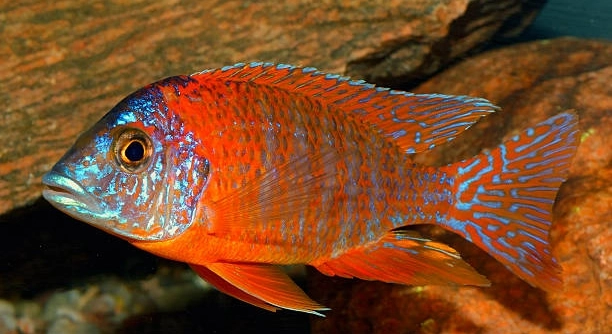
Convict cichlids are colorful and active fish that can brighten any freshwater aquarium. Feeding them the right foods is essential to keeping them healthy and ensuring they show their natural behaviors in your tank.
Providing convict cichlids with a balanced diet that includes protein-rich pellets, live or frozen foods, and occasional plant matter promotes growth, vibrant coloration, and strong immunity. Proper nutrition directly influences their overall health and longevity in captivity.
Choosing the right foods for your cichlids can make a noticeable difference in their vitality and activity levels in the aquarium.
High-Protein Pellets
High-protein pellets are a staple for convict cichlids. They are formulated to provide essential nutrients that support growth, energy, and overall health. Using pellets as a primary food ensures your fish receive a consistent balance of vitamins and minerals. It’s important to choose high-quality pellets, as cheaper varieties may contain fillers that don’t benefit the fish. Feeding should be done in small amounts, once or twice a day, to prevent overfeeding and water contamination. Observing your cichlids during feeding helps you gauge the right portion size and ensures all fish are eating. Pellets also encourage natural foraging behavior, as the fish will swim around and pick up the pieces from the bottom of the tank. Over time, incorporating pellets into their diet helps maintain strong immune systems and enhances their vibrant coloration, making them appear healthier and more active in your aquarium. Consistency in feeding schedule plays a key role in keeping them thriving.
High-protein pellets support growth, color, and energy. They provide essential nutrients consistently and are easy to manage in daily feeding routines.
Using pellets as a primary diet is straightforward, but it’s important to complement them with occasional live or frozen foods. Mixing in small amounts of brine shrimp or bloodworms adds variety and helps mimic natural feeding habits. Additionally, a small portion of vegetable matter like blanched spinach or zucchini can aid digestion. Monitoring feeding amounts prevents water quality issues, which is essential for keeping the tank clean and healthy. Proper pellet use establishes a solid foundation for your cichlids’ nutrition, allowing them to flourish and maintain strong, vibrant bodies.
Live and Frozen Foods
Live and frozen foods are highly beneficial for convict cichlids. These foods include brine shrimp, daphnia, and bloodworms, which provide essential protein and nutrients.
These foods enhance natural hunting instincts while supplying extra energy and vitamins, making fish more active and healthy.
Incorporating live or frozen foods a few times a week adds variety and stimulates natural behaviors. Live foods encourage the fish to chase and capture, promoting exercise and muscle development. Frozen foods are convenient and safe, reducing the risk of introducing parasites compared to live alternatives. Both options can help improve coloration, making the cichlids more visually striking in your tank. It’s important to feed these in moderation, as overfeeding can lead to water quality problems and potential digestive issues. Combining live or frozen foods with a staple diet of high-protein pellets ensures a balanced nutritional profile. This mix supports immune function, growth, and overall vitality, keeping your convict cichlids healthy and lively over time.
Vegetable Matter
Vegetable matter is important for convict cichlids. Small amounts of blanched spinach, zucchini, or peas support digestion and prevent constipation while providing essential vitamins and fiber.
Including vegetables in their diet ensures proper gut function and overall health. Blanched or lightly cooked options are best, as raw vegetables can be difficult for cichlids to digest. Feeding small portions a few times a week helps maintain balance between protein-rich foods and plant matter. Vegetables also provide nutrients that support immune function, helping fish resist diseases. Over time, a diet with vegetable matter contributes to more consistent feeding habits and digestive comfort.
Vegetables can be combined with pellets or live foods to create a varied diet. Offering small, manageable pieces prevents waste and keeps the tank clean. Regular inclusion of plant matter promotes stronger digestion and better nutrient absorption, which supports growth and coloration. This balance ensures your cichlids remain healthy, active, and visually vibrant over the long term.
Insect-Based Foods
Insect-based foods like mealworms and crickets are rich in protein and natural nutrients. They stimulate hunting behavior and provide energy for active fish.
These foods can be offered live or freeze-dried, providing variety and nutrition. Mealworms are easy to portion, while crickets offer higher protein content. Feeding insects occasionally complements regular pellets and frozen foods, creating a well-rounded diet that supports muscle development and coloration. Insect-based foods also encourage natural behaviors, making cichlids more engaged and lively in the tank. Consistency in portioning prevents water contamination and maintains overall tank health.
Incorporating insects strengthens immune systems and supports overall growth. Their high protein content is especially useful during breeding periods or when fish are recovering from stress. Using a mix of mealworms, crickets, and other insect foods keeps feeding interesting and nutritionally balanced. Freeze-dried options are convenient, but live insects provide enrichment and mimic natural foraging. Moderation is key to avoid overfeeding and water issues. Over time, insects help maintain cichlids’ activity levels, vibrant coloration, and robust health.
Spirulina
Spirulina is a natural algae supplement that provides essential vitamins and minerals. It enhances coloration and supports immune function in convict cichlids, making them more vibrant and resilient.
Adding spirulina to their diet also aids digestion and promotes overall health. Small amounts mixed with pellets or flakes work best, preventing overfeeding while delivering nutritional benefits.
Small Crustaceans
Small crustaceans like daphnia and copepods provide protein and promote natural hunting behavior. They are easy to digest and enhance energy levels in convict cichlids. Feeding them occasionally ensures variety and supports growth, helping maintain active and healthy fish in the aquarium.
Egg-Based Foods
Egg-based foods such as hard-boiled yolk or commercial egg flakes are rich in protein and essential nutrients. They support growth, strengthen immune systems, and improve coloration, making them a valuable addition to a balanced diet. Regular inclusion encourages healthy development in young and adult fish alike.
Commercial Flakes
Commercial flakes offer a convenient and balanced diet. They contain essential nutrients, are easy to portion, and can be combined with other foods to maintain proper nutrition in convict cichlids.
FAQ
What should I feed convict cichlids daily?
Convict cichlids do best with a balanced diet that includes high-protein pellets as a staple. Small portions of live or frozen foods like brine shrimp, bloodworms, or daphnia should be added a few times a week. Occasional vegetable matter such as blanched spinach or peas helps digestion and provides essential vitamins. Feeding twice a day in small amounts prevents overfeeding and maintains water quality. Monitoring how much your fish eat ensures all of them get enough food without leftover waste in the tank.
Can convict cichlids eat live insects?
Yes, live insects like mealworms and crickets are excellent for protein and natural nutrients. They encourage hunting behavior and keep the fish active. Offering insects occasionally complements pellets and frozen foods, providing variety. Freeze-dried options are convenient, but live insects mimic natural feeding, which is stimulating for your cichlids. Portion carefully to avoid water contamination.
Are vegetables necessary for their diet?
Vegetable matter is important but should be a smaller part of the diet. Blanched zucchini, spinach, or peas help digestion and prevent constipation. They provide fiber and additional vitamins, supporting immune function. Vegetables can be mixed with pellets or other foods to create a balanced diet that keeps cichlids healthy and active.
How often should I feed frozen or live foods?
Feeding live or frozen foods two to three times a week is sufficient. These foods are rich in protein and nutrients, which help growth, coloration, and energy levels. Overfeeding can harm water quality, so small portions are best. Rotating frozen foods with pellets and vegetables ensures your cichlids get a well-rounded diet.
Can spirulina improve coloration?
Yes, spirulina is a natural algae that boosts color vibrancy and supports immune function. Small amounts added to pellets or flakes help maintain bright hues and overall health. Overuse is unnecessary and may cause water cloudiness, so moderate portions a few times a week are ideal.
Are egg-based foods safe for convict cichlids?
Egg-based foods, including commercial egg flakes or small amounts of hard-boiled yolk, are safe and highly nutritious. They provide protein and essential nutrients that support growth and immunity. Feeding them occasionally alongside pellets and live foods strengthens overall health without causing digestive problems.
What foods should I avoid feeding?
Avoid feeding fatty human foods, processed snacks, or anything that can decompose quickly in water. Bread, chips, or meat products can upset digestion and pollute the tank. Stick to high-quality pellets, live or frozen protein sources, vegetables, and occasional supplements like spirulina or egg flakes to maintain optimal health.
How do I know if my cichlids are getting enough food?
Watch their behavior during feeding. Healthy fish will actively swim and compete for food without appearing lethargic. Uneaten food should be minimal to avoid water contamination. Adjust portion sizes based on activity levels, age, and the number of fish in the tank. Regular observation ensures proper nutrition.
Can feeding affect breeding success?
Yes, proper nutrition directly influences breeding. Protein-rich foods, live insects, and occasional vegetable matter support egg development and fry growth. Balanced diets improve energy levels and overall health, increasing the chances of successful spawning and healthy offspring.
Is variety in diet important?
Variety is crucial for maintaining health, immunity, and coloration. Relying solely on pellets can lead to nutrient gaps. Mixing live foods, frozen options, vegetables, spirulina, and egg-based foods ensures all nutritional needs are met. A varied diet also keeps feeding engaging, encouraging natural behaviors and activity.
How do I prevent overfeeding?
Feed small portions that your cichlids can consume within a few minutes. Remove uneaten food promptly to prevent water quality issues. Twice-daily feeding is usually sufficient. Observing appetite and adjusting quantities ensures your fish remain healthy without polluting the tank.
Are commercial flakes enough for a complete diet?
Commercial flakes provide balanced nutrition but are best used alongside other foods for variety. High-quality flakes support basic dietary needs, but adding live or frozen foods, vegetables, spirulina, or egg-based supplements ensures a complete diet that promotes growth, color, and immunity.
Can feeding habits affect water quality?
Yes, overfeeding or leaving uneaten food in the tank can quickly degrade water quality. This can stress fish and increase the risk of disease. Feeding small portions, removing leftovers, and maintaining a proper cleaning schedule help keep the aquarium healthy.
What is the best feeding schedule for convict cichlids?
A simple schedule of two small feedings per day works well. This keeps fish active and ensures proper digestion. Include pellets as the main diet, supplemented by live, frozen, or vegetable foods a few times per week. Maintaining consistency in timing helps reduce stress.
How can I encourage picky eaters?
Offering a variety of foods and changing textures helps. Mixing pellets with live or frozen foods, vegetables, or spirulina can attract reluctant eaters. Feeding at consistent times and observing behavior ensures all fish are consuming enough. Patience and gradual introduction are key.
Do young convict cichlids need different foods than adults?
Yes, juveniles need more protein for growth. High-protein pellets, live foods, and small portions of frozen foods support development. Adults can have a more balanced diet with slightly less protein but continued variety. Proper nutrition at every stage ensures strong, healthy fish.
Can supplements improve overall health?
Supplements like spirulina and egg-based foods provide extra vitamins, minerals, and protein. They support immunity, coloration, and digestion. Used in moderation alongside a balanced diet, they enhance vitality and ensure your convict cichlids thrive.
How do I transition fish to a new food?
Introduce new foods gradually by mixing them with their current diet. Start with small amounts to observe acceptance. Gradual changes prevent digestive upset and help fish adapt while ensuring they continue to receive proper nutrition.
Convict cichlids thrive best when their diet is balanced and varied. Relying solely on one type of food can lead to nutritional gaps, which may affect their growth, coloration, and overall health. High-protein pellets are an essential staple, providing a consistent source of vitamins and minerals. These pellets support daily energy needs, maintain immune function, and encourage normal activity levels in the aquarium. Supplementing with live or frozen foods such as brine shrimp, bloodworms, or daphnia adds natural protein and nutrients while stimulating hunting behavior. Including small amounts of vegetable matter, like blanched spinach or peas, helps support digestion and provides additional vitamins. Occasional additions of spirulina or egg-based foods further enhance nutrition and contribute to stronger coloration. Consistency in feeding, combined with variety, ensures that your convict cichlids grow healthy, stay active, and maintain their vibrant appearance over time.
Observing how your cichlids respond to their diet is just as important as the foods themselves. Fish will show interest in foods they enjoy and ignore items they do not find appealing. Monitoring feeding habits helps determine whether portion sizes are appropriate and whether each fish is getting enough nutrition. Overfeeding can lead to water quality issues, while underfeeding may result in slower growth or weaker immunity. Maintaining a clean tank by removing uneaten food and ensuring proper filtration is essential to supporting a healthy environment. Rotating food types prevents dietary monotony and encourages natural behaviors. For example, live insects or small crustaceans promote chasing and foraging, which keeps the fish engaged and active. Adding vegetable matter or algae-based supplements like spirulina provides nutrients that pellets or frozen foods alone may lack. By paying attention to both diet and feeding behavior, you create a sustainable routine that benefits your fish and simplifies aquarium management.
The key to thriving convict cichlids is balance and variety combined with observation. Ensuring a mix of high-protein staples, live or frozen foods, vegetables, and occasional supplements provides complete nutrition while keeping the fish healthy and active. Feeding small, consistent portions reduces waste and protects water quality, which is essential for long-term health. Including a variety of food types also promotes natural behaviors, such as foraging and hunting, which improves physical condition and mental stimulation. Over time, properly balanced nutrition contributes to stronger immune systems, better growth, and brighter coloration. Even minor adjustments, like introducing new vegetables or occasional egg-based foods, can make a significant difference in their vitality. Maintaining this approach requires attention and consistency, but the results are evident in the activity, appearance, and overall health of the fish. Well-fed and properly nourished convict cichlids are more resilient to stress, more likely to breed successfully, and display natural behaviors that make them a rewarding species to keep in an aquarium. Prioritizing nutrition and observing responses ensures that your fish not only survive but truly thrive in a healthy and stimulating environment.

Hello,
If you enjoy the content that we create, please consider saying a "Thank You!" by leaving a tip.
Every little bit helps us continue crafting quality advice that supports the health, happiness, and well-being of pets around the world, for pets of all shapes, sizes, and species.
We really appreciate the kindness and support that you show us!