
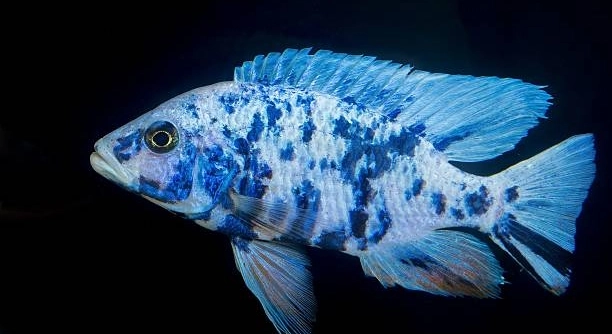
Are your cichlids showing unusual behavior or tension in their tank? Observing their interactions closely can reveal whether a pair is truly compatible. Compatibility plays a key role in maintaining a peaceful and healthy aquarium environment.
Signs of incompatibility in a cichlid pair often include aggression, lack of mating behavior, constant territorial disputes, and stress-related symptoms. Identifying these indicators early helps prevent harm to both fish and ensures a more stable aquatic ecosystem.
Understanding these warning signs will help you take the right steps to maintain harmony in your tank and protect your fish’s wellbeing.
Constant Aggression Between the Pair
When a cichlid pair constantly attacks each other, it is a clear sign they are not compatible. Aggression can show in chasing, nipping fins, or cornering one another. This behavior is more than occasional squabbles—it can become persistent and escalate over time. A tank with constant fighting creates stress, reduces appetite, and can weaken both fish. Territorial disputes are common in cichlids, but when aggression is nonstop and directed at each other rather than defending space, it signals a deeper mismatch. Stress from continuous attacks can compromise their immune systems, making them prone to diseases. Sometimes aggression is triggered by tank size, hiding spots, or overcrowding. Even with proper conditions, some pairs just cannot coexist peacefully. Observing their behavior daily allows you to detect patterns before injuries occur. Providing ample space and visual barriers may reduce conflict, but persistent aggression is a strong indicator that the pair should be separated for their well-being.
Aggression that does not subside even after adjusting tank conditions confirms incompatibility. Immediate action is necessary to prevent injury or death.
Separating aggressive cichlids prevents long-term stress and injuries. It also allows you to pair them with more compatible partners. Monitoring behavior closely helps ensure both fish recover quickly and maintain healthy, balanced interactions in their respective tanks. Proper separation strategies include using dividers or relocating one fish to a different aquarium temporarily, giving both time to adjust. In some cases, permanent separation is the safest option to maintain harmony and minimize risk.
Lack of Mating or Breeding Behavior
When a cichlid pair shows no interest in breeding, it may indicate incompatibility. Breeding behavior includes courtship displays, nest building, and cooperative care of eggs.
Some pairs simply do not match biologically or temperamentally. Environmental factors, diet, and tank conditions also affect reproductive behavior, but persistent disinterest points to incompatibility.
A pair that fails to exhibit mating behaviors over time may experience stress or discomfort in each other’s presence. Even when conditions are ideal, some cichlids do not respond to one another’s signals. Observing interactions can help determine if a lack of breeding is due to environmental stressors, illness, or a true mismatch. Adjusting water temperature, providing proper nesting materials, and ensuring a balanced diet can sometimes stimulate breeding. However, when efforts fail consistently, the pair may not be suitable for reproduction. Recognizing this early prevents wasted time and helps you focus on healthier, compatible pairings. Understanding their natural behavior and needs ensures that both fish remain healthy and reduces frustration in maintaining the aquarium.
Excessive Hiding
Excessive hiding shows that one or both cichlids feel threatened or uncomfortable. If a fish spends most of its time in caves or behind decorations, it may indicate the pair is incompatible. Stress from constant avoidance can affect health and behavior.
When cichlids hide too often, it disrupts normal tank dynamics. Hiding can be caused by persistent aggression, territorial disputes, or fear of the partner. Even in a well-maintained tank, one fish may dominate, leaving the other anxious and withdrawn. Over time, constant hiding reduces feeding opportunities, weakening the fish and increasing susceptibility to illness. Observing tank behavior helps determine whether hiding is situational or a persistent issue. Persistent avoidance signals that the pair is mismatched and needs intervention. Adjusting the tank layout or separating the fish may restore balance and reduce stress.
Providing hiding spaces is natural, but when one fish rarely emerges, it shows incompatibility. The dominant fish may need more space, or the pair may require separation. Ignoring this behavior can result in long-term stress and reduced lifespan for the more timid fish. Monitoring interactions carefully ensures both cichlids remain healthy and comfortable.
Uneven Territory Claiming
Uneven territory claiming occurs when one cichlid dominates the tank, leaving little space for the other. This imbalance causes stress and may provoke aggression.
Dominance over territory can prevent a partner from accessing food, resting areas, or preferred spots. A cichlid that cannot establish its own space may constantly hide or become defensive. Over time, this disrupts natural behavior and reduces overall well-being. Environmental adjustments like adding rocks, caves, or visual barriers may help, but if one fish consistently controls most of the tank, it shows incompatibility. Observing interactions and noting which fish controls which areas allows for informed decisions about separation or reorganization to restore balance.
Persistent Stress Signs
Persistent stress in cichlids can appear as rapid gill movement, clamped fins, or erratic swimming. These signs indicate that the pair is uncomfortable or unable to coexist peacefully in the same environment.
Long-term stress affects appetite, immune response, and overall health. If both fish show repeated stress behaviors, separating them may be necessary to prevent illness or injury.
Refusal to Share Food
Refusal to share food often shows dominance or fear between cichlids. One fish may consistently eat while the other waits, indicating imbalance.
This behavior can lead to malnutrition for the submissive fish. Adjusting feeding routines or separating them ensures both receive proper nutrition and reduces tension during meal times.
Frequent Display of Color Changes
Frequent color changes in cichlids are often a response to stress or tension. A fish that constantly shifts colors may be anxious or threatened by its partner.
Monitoring color patterns helps identify compatibility issues early. Persistent changes indicate the pair is not settling, and intervention may be required to maintain both fish’s health.
FAQ
How do I know if my cichlid pair is truly incompatible?
Signs of incompatibility include constant aggression, excessive hiding, refusal to share food, stress-related color changes, and lack of mating behavior. If these behaviors persist despite proper tank conditions, it is a strong indication that the pair may not be compatible. Observing daily interactions helps confirm the problem early.
Can tank size affect compatibility?
Yes. A tank that is too small can increase stress and aggression. Providing enough space for each fish to establish territory reduces tension. Sometimes even a compatible pair can display conflict if the environment feels cramped or lacks sufficient hiding spots.
What are the risks of leaving incompatible cichlids together?
Leaving them together can cause injuries, stress, and reduced appetite. Long-term stress weakens the immune system, making fish more prone to disease. Aggressive behaviors can escalate, and one fish may become chronically withdrawn, affecting overall tank health.
Will adding more hiding spaces solve the problem?
Hiding spaces can reduce stress temporarily, but they do not fix fundamental incompatibility. If one fish dominates territory or aggression persists, the pair may still be unsafe together. Separation is often the most reliable solution for long-term peace.
Can diet help reduce aggression or stress?
Providing a balanced diet ensures fish remain healthy, but it will not resolve behavioral incompatibility. Poor nutrition can worsen stress, making conflicts more frequent. Feeding small, frequent meals can reduce competition, but it is not a complete solution for incompatible pairs.
Is it normal for cichlids to show color changes?
Color changes are natural, but frequent or extreme shifts indicate stress or dominance issues. Monitoring these patterns helps identify if a pair is uncomfortable. Persistent color changes are a warning that interventions may be necessary to prevent health problems.
How long should I wait before deciding to separate them?
Observation over several weeks is recommended. Short-term conflicts are normal as fish establish territory, but persistent aggression, hiding, or refusal to mate indicates incompatibility. Acting promptly prevents injuries and reduces long-term stress.
Can environmental adjustments make a pair compatible?
Adjustments like rearranging the tank, adding plants, or using visual barriers can reduce tension, but they may not fully resolve incompatibility. Some pairs are temperamentally mismatched, and even optimal conditions will not allow them to coexist safely.
Are certain cichlid species more likely to be incompatible?
Yes. Aggressive or highly territorial species are more prone to conflicts. Pairing fish with similar temperaments and size increases the likelihood of compatibility. Researching species behavior before pairing can prevent many common issues.
What is the best approach if my pair remains incompatible?
Separating the fish is the safest option. This can be done using tank dividers or relocating one fish to a different aquarium. Ensuring both fish have adequate space, hiding spots, and proper care will help them recover from stress and maintain healthy behavior in their new environment.
How can I prevent compatibility issues in the future?
Research species behavior, size, and temperament before pairing. Introduce new fish gradually and observe interactions closely. Providing a well-structured environment with sufficient space and hiding spots reduces conflicts and promotes harmony. Consistent monitoring ensures early intervention if problems arise.
Is stress recovery possible after separating incompatible cichlids?
Yes. Once separated, fish usually regain appetite, normal color, and activity levels. Monitoring for injuries and providing a calm environment accelerates recovery. Proper nutrition and stable water conditions help them regain health and reduce the likelihood of long-term stress effects.
Can incompatible pairs eventually become compatible?
Some pairs may improve with time if the initial aggression is due to establishing hierarchy. However, true incompatibility is often permanent, especially if aggression, hiding, or refusal to breed persists despite adjustments. Recognizing limits prevents unnecessary stress and potential harm.
Do cichlids always need a partner?
Not always. Some species thrive alone or in small groups. Forced pairing can create stress if the fish are temperamentally mismatched. Understanding species-specific social needs helps maintain a healthy, peaceful tank environment and prevents conflicts.
How often should I monitor my cichlids for compatibility issues?
Daily observation is ideal, especially during feeding and breeding periods. Noting changes in behavior, color, or territory helps identify problems early. Regular monitoring ensures that interventions, if needed, are timely and effective, maintaining the health of all fish in the tank.
Understanding cichlid compatibility is essential for maintaining a healthy and peaceful aquarium. Cichlids are naturally territorial and can show strong personalities, so not every pair will get along. Observing their daily behavior, including aggression, hiding, feeding habits, and color changes, helps identify whether a pair is compatible. Early recognition of these signs allows for timely action, which can prevent injuries, stress, or long-term health issues. Providing a properly sized tank with ample hiding spaces, balanced nutrition, and attention to environmental conditions reduces tension and promotes more harmonious interactions between fish. Even with careful planning, some pairs simply cannot coexist peacefully, and recognizing this is part of responsible fishkeeping.
When signs of incompatibility persist, separating the pair is often the most effective solution. Tank dividers, temporary relocation, or a completely separate aquarium can provide each fish with space to feel secure. Once separated, stressed fish usually recover quickly, regaining normal feeding habits, activity levels, and coloration. Separation not only protects physical health but also reduces chronic stress, which can have serious long-term effects. While it may feel discouraging to separate a pair, it ensures the well-being of both fish and allows you to maintain a stable, safe environment. Adjustments to tank layout, diet, and monitoring can help prevent future conflicts, but some pairings are permanently incompatible and should not be forced.
Maintaining compatibility in cichlids requires patience, careful observation, and a willingness to intervene when necessary. Each fish has its own personality and needs, and understanding these traits helps create a balanced aquarium environment. Even minor signs of tension should not be ignored, as stress can quickly escalate into aggressive behavior or health issues. Learning to read fish behavior accurately and responding appropriately is key to successful fishkeeping. By focusing on their needs, providing adequate space, and recognizing when a pair is incompatible, you create a healthier, more stable environment where your cichlids can thrive. Thoughtful observation and timely action ensure that both fish remain healthy, reducing stress and promoting long-term well-being in their tank.

Hello,
If you enjoy the content that we create, please consider saying a "Thank You!" by leaving a tip.
Every little bit helps us continue crafting quality advice that supports the health, happiness, and well-being of pets around the world, for pets of all shapes, sizes, and species.
We really appreciate the kindness and support that you show us!