
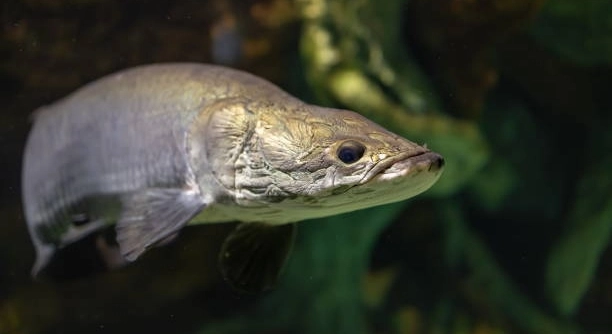
Arowanas are striking, elegant fish that many keep as prized pets. Their shimmering scales and graceful movements make them a captivating presence in any aquarium, and owners often form strong bonds through daily interactions and care routines.
Scientific studies suggest that arowanas are capable of recognizing familiar humans. They can remember individuals over time and may respond differently to people they regularly see, indicating a level of memory and social recognition uncommon in many fish species.
Observing your arowana over time reveals subtle behaviors and responses that reflect its awareness and memory. This understanding can enhance your connection and improve the care you provide.
How Arowanas Recognize Humans
Arowanas rely on visual cues to identify familiar people. Over time, they learn to distinguish the shapes, movements, and even the routines of the individuals who care for them. This recognition is subtle, often seen in their swimming patterns or in how they approach the side of the tank when someone is near. Regular feeding schedules reinforce this behavior, as the fish begin to associate a specific person with food. Movement near the aquarium can trigger a response, even before feeding begins. Interestingly, arowanas also respond to voice or tapping, showing that they can connect repetitive sounds with human presence. While their memory is not as complex as mammals, it is sufficient for forming consistent recognition. Many owners notice that their arowanas behave differently toward strangers, often hiding or maintaining distance, suggesting a clear distinction between familiar and unfamiliar individuals.
Daily observation can strengthen this recognition and deepen the interaction between you and your arowana.
Memory in arowanas develops gradually, influenced by consistent care and environment stability. These fish are intelligent enough to remember patterns over weeks and months, forming a reliable association with humans they regularly encounter. Avoiding sudden changes in the aquarium helps maintain this memory, allowing the fish to feel secure and more responsive.
Factors Affecting Memory in Arowanas
Stress and environment impact arowanas’ memory.
Disruptions such as sudden noise, water condition changes, or relocation can temporarily affect their ability to recognize people. Stress reduces responsiveness and can make them less likely to approach or show typical behaviors, even toward familiar caretakers. Regular, calm interactions help reinforce memory.
Arowanas store memories related to feeding, territory, and social interactions. In controlled environments, their brains retain details about routine and people over extended periods. Positive reinforcement, such as gentle movements and predictable feeding times, supports memory retention. Conversely, irregular handling or frequent changes in the aquarium environment can weaken recognition cues, making the fish less responsive. Observing subtle behavioral signs, like positioning near a specific spot when you approach or swimming more actively when you enter the room, indicates retained memory. Proper tank setup, stable water parameters, and consistent human interaction collectively enhance cognitive function, ensuring the arowana remembers familiar individuals. While their recognition abilities are limited compared with mammals, arowanas demonstrate sufficient learning and memory to distinguish caregivers from strangers consistently. This capacity makes interaction more engaging and highlights the importance of stability and attentiveness in care routines.
Training and Interaction
Arowanas respond to consistent routines. Regular feeding times and calm approaches help them recognize you and build predictable behavior patterns. Gentle hand movements near the tank encourage awareness without causing stress, and this consistency strengthens their memory over time.
Repetition is key when interacting with arowanas. By performing the same actions each day, such as tapping lightly or moving slowly along the tank, the fish begin to associate these cues with you. They may swim closer, follow movements, or show excitement during feeding. Over weeks, these patterns reinforce recognition, making the fish more responsive. This method also reduces anxiety, as the arowana learns what to expect from its environment and caretaker, creating a sense of familiarity and security.
Positive reinforcement improves interaction. Rewarding calm behavior during feeding or approach encourages the arowana to repeat these actions. Avoid sudden movements or loud noises, as these can break trust and reduce responsiveness. Patience and consistency gradually strengthen recognition, making daily interaction more engaging for both you and your fish.
Observing Subtle Signs
Arowanas display recognition through subtle behavior. Positioning near the tank, increased activity, or responding to familiar movements are all indicators. Watching these signs helps you understand their memory.
Careful observation reveals much about an arowana’s memory. Fish may linger near specific areas or swim along predictable paths when they recognize you approaching. They can react to small cues, such as the sound of a container opening or the shadow of your hand over the tank. These behaviors suggest learned associations, showing that memory in arowanas is practical and focused on routine and interaction. Regular monitoring allows you to notice changes over time, indicating their comfort level and level of recognition. By observing these signs, you can adapt feeding and care practices to reinforce positive interactions and strengthen memory retention.
Environmental cues also influence recognition. Consistent lighting, tank layout, and background objects help the arowana form a mental map of its surroundings. Any sudden alterations can confuse the fish and reduce its ability to respond to familiar humans. Maintaining stability supports memory, while repeated exposure to consistent routines enhances their awareness and trust, making recognition more reliable.
Signs of Familiarity
Arowanas may approach the side of the tank when you enter the room. They often follow movements and show increased activity during feeding times. Recognizing these behaviors indicates they remember and respond to familiar humans.
Changes in posture or swimming speed can signal recognition. The fish may swim calmly toward a familiar presence or hover in anticipation of food. These subtle signs reflect memory and attachment, showing they differentiate between people they know and strangers.
Memory Duration
Arowanas retain recognition for weeks or even months with consistent interaction. Stable environments and predictable routines help maintain memory. Regular feeding, gentle movements, and consistent tank conditions reinforce their ability to remember familiar humans over time.
Tips for Enhancing Recognition
Consistency in care strengthens memory. Feeding at the same times and approaching the tank calmly help the arowana retain recognition. Repetition of these actions makes interactions more predictable and less stressful.
Avoiding Stress
Stress disrupts recognition. Sudden changes in water, noise, or handling can reduce responsiveness. Keeping conditions stable ensures the fish can remember familiar humans reliably.
FAQ
How can I tell if my arowana recognizes me?
Recognition is often shown through consistent behaviors. Your arowana may swim toward your presence, follow your movements along the tank, or hover near the feeding area when you are nearby. Subtle signs include changes in swimming speed or posture when a familiar person approaches. Observing these patterns over time helps you identify their recognition and level of comfort.
Do arowanas remember people for a long time?
Arowanas can retain recognition for several weeks or months if interactions are consistent. Routine feeding, calm approaches, and a stable environment reinforce memory. Irregular handling or frequent changes in the tank layout can weaken this memory, making the fish less responsive to familiar humans.
Can arowanas differentiate between strangers and familiar humans?
Yes, arowanas can distinguish between familiar people and strangers. They often approach known individuals and may hide or maintain distance from unknown visitors. This behavior demonstrates their ability to recognize and remember individuals based on visual and environmental cues.
Does feeding impact memory and recognition?
Feeding plays a key role in reinforcing recognition. When an arowana associates a specific person with food consistently, it learns to respond to that individual. Predictable feeding times help the fish anticipate your presence and strengthen memory through repeated positive experiences.
Can arowanas recognize voice or sound?
While visual cues are the primary method of recognition, some arowanas respond to sounds associated with feeding or movement near the tank. Repetitive noises, such as tapping or the sound of a food container, can help them identify familiar humans indirectly.
How does stress affect their memory?
Stress can temporarily disrupt memory. Sudden changes in water conditions, loud noises, or aggressive handling make the fish less responsive. Maintaining a calm and stable environment ensures that your arowana retains recognition and continues to react positively to familiar individuals.
Is it possible to improve my arowana’s recognition of me?
Yes, improving recognition involves consistency. Approach the tank calmly, feed at predictable times, and repeat the same gentle movements. Avoid sudden actions or changes in environment. Over time, these repeated cues strengthen memory and enhance interaction.
Do arowanas remember negative experiences?
Arowanas are capable of associating negative experiences with specific actions or people. Rough handling or sudden disturbances can create avoidance behavior. Being gentle, predictable, and patient ensures positive associations, helping them maintain trust and familiarity.
How important is tank environment for recognition?
A stable tank environment is critical. Consistent lighting, layout, and background objects help arowanas form mental maps. Abrupt changes can confuse the fish and reduce responsiveness to humans. Keeping the habitat predictable supports memory retention and reinforces recognition of caretakers.
How can I tell if my arowana is stressed or uncomfortable?
Signs of stress include erratic swimming, hiding, clamped fins, or reduced appetite. Stress affects memory and recognition, making the fish less likely to respond to familiar humans. Monitoring behavior and maintaining a calm, consistent environment helps prevent stress and strengthens interaction over time.
Can arowanas form bonds like other pets?
While they do not form bonds like mammals, arowanas can show recognition and responsiveness to humans. Their memory allows them to differentiate familiar caretakers from strangers, and repeated, positive interaction encourages predictable and comfortable behavior.
What role does repetition play in memory?
Repetition is essential for recognition. Consistently performing the same actions, such as slow movements near the tank or scheduled feeding, helps the arowana associate these cues with you. Over time, repetition strengthens memory, making interactions smoother and more reliable.
Do all arowanas have the same memory capacity?
Memory capacity varies by individual fish, age, and species. Some arowanas may respond more quickly and retain recognition longer than others. Observing behavior and adjusting care routines accordingly helps support memory development and recognition in each individual.
How can I encourage my arowana to interact more?
Calm, predictable routines and gentle approaches encourage interaction. Avoid sudden movements, maintain consistent feeding schedules, and spend time near the tank without disturbing the fish. Gradually, your arowana learns to associate your presence with safety and routine, enhancing memory and responsiveness.
Can arowanas forget people?
Yes, memory can fade if interactions are inconsistent or if stress disrupts routine. Regular, calm engagement and stable tank conditions are necessary to maintain recognition over time. Without these factors, the fish may become less responsive to familiar humans.
Are there signs that an arowana is happy to see me?
Increased activity, swimming toward your presence, and hovering near the tank indicate recognition and comfort. While subtle, these behaviors suggest the fish remembers you and responds positively to familiar interaction, showing a level of awareness that reflects memory and routine association.
Final Thoughts
Arowanas are remarkable fish with a level of intelligence that often surprises their owners. While they may not express emotions in the same way as mammals, their ability to recognize familiar humans shows they are capable of memory and learning. Observing their responses over time provides insight into how they perceive the world around them. Simple behaviors, like swimming closer when a known person approaches or following predictable movements along the tank, indicate recognition. These subtle signs may seem small, but they demonstrate that arowanas can remember and differentiate between familiar and unfamiliar individuals. Understanding this helps owners provide more consistent and thoughtful care, which ultimately benefits the fish’s well-being.
Memory in arowanas is influenced by routine, environment, and interaction. Regular feeding schedules, gentle approaches, and a stable aquarium environment strengthen recognition and reinforce memory. Repetition of daily activities allows the fish to associate certain actions with specific people, creating predictable patterns that make them feel secure. Sudden changes, stress, or irregular handling can disrupt memory and reduce responsiveness, highlighting the importance of consistency. By maintaining calm and steady routines, owners can support their arowana’s cognitive abilities and improve the quality of interaction. Recognizing these behaviors also allows for a more engaging experience, as owners can observe the fish’s reactions and learn how to best interact without causing anxiety.
The relationship between humans and arowanas is shaped largely by observation, patience, and consistency. While these fish do not form bonds like pets such as cats or dogs, they do respond to familiar individuals in ways that show memory and recognition. Understanding how they perceive people encourages careful, predictable interactions, which enhances the overall care experience. Over time, observing their responses becomes rewarding, as the subtle signs of recognition highlight their intelligence and adaptability. By providing a stable environment, consistent routines, and gentle interactions, owners can ensure that their arowanas remain responsive, comfortable, and engaged, creating a more meaningful connection based on understanding and observation.

Hello,
If you enjoy the content that we create, please consider saying a "Thank You!" by leaving a tip.
Every little bit helps us continue crafting quality advice that supports the health, happiness, and well-being of pets around the world, for pets of all shapes, sizes, and species.
We really appreciate the kindness and support that you show us!