
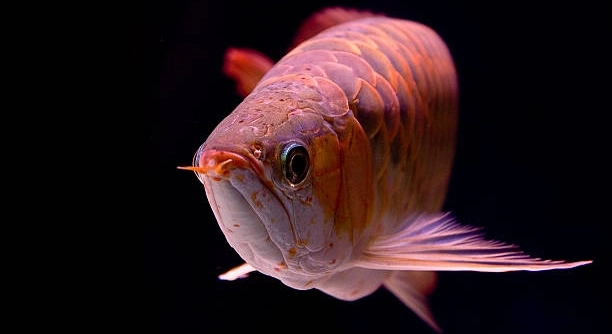
Do you love keeping Arowanas but notice they sometimes seem uninterested in their tank? Creating an engaging environment for these majestic fish requires more than just water and food. Small design choices can make a big difference.
Arowanas remain active and stimulated when their aquarium includes varied structures, ample swimming space, safe hiding spots, natural decorations, appropriate lighting, compatible tank mates, and consistent water quality. These elements collectively encourage exploration, interaction, and overall wellbeing.
Understanding how each feature affects your fish can transform their tank into an engaging, dynamic habitat. Proper design promotes both health and natural behavior for your Arowana.
Ample Swimming Space
Arowanas are large, active fish that need plenty of room to move freely. A tank that is too small can stress them, leading to lethargy and reduced appetite. A minimum of 250 gallons is often recommended for adult Arowanas, with a length of at least six feet to allow natural swimming patterns. Avoid overcrowding by limiting tank mates to species that are similarly sized and non-aggressive. Open swimming areas should be balanced with decorations and hiding spots, so the fish have both space to explore and areas to retreat when feeling cautious. Vertical space is equally important; Arowanas often swim near the surface, so a taller tank allows natural movement. Regular observation will show how the fish interact with their environment, revealing whether adjustments are needed to enhance comfort. Proper planning in tank dimensions ensures the Arowana remains active, healthy, and engaged daily.
Providing enough space prevents stress and promotes healthy growth while encouraging natural swimming patterns.
Tank dimensions, combined with unobstructed swimming lanes, influence both physical health and behavioral engagement. Maintaining a balance between open areas and decorative elements supports active exploration. Additionally, monitoring water quality and ensuring adequate filtration allows the fish to remain vibrant and responsive. A well-planned layout can prevent accidents, such as collisions with tank walls, while promoting exercise that is essential for proper muscle development. Vertical and horizontal spaces should be proportionate to the fish’s size, allowing room to glide, jump lightly if needed, and display natural behaviors. Incorporating minimal but strategically placed ornaments reduces monotony without restricting movement. Observing how your Arowana uses the space informs adjustments for long-term comfort, making the tank a stimulating environment. Regularly cleaning and maintaining the tank ensures that engagement is not hampered by poor conditions. Overall, thoughtful design enhances both the health and mental stimulation of the fish.
Safe Hiding Spots
Providing safe hiding spots is essential for Arowanas to feel secure.
Hiding spots reduce stress and allow the fish to retreat when exploring the tank feels overwhelming. Rock caves, driftwood, or plants can serve as natural shelters while keeping the environment visually appealing and functional. Placement should not obstruct swimming lanes but be accessible enough to encourage use. Multiple options at different locations and depths offer variety, allowing the fish to select spaces based on preference or activity level. Hiding spots also support territorial behaviors in a non-disruptive way, giving Arowanas control over parts of their environment.
Including a range of hiding spots enhances mental stimulation and provides comfort. Over time, these areas can reduce aggressive interactions with tank mates, promoting harmony. Thoughtful positioning integrates safety and accessibility, creating a more naturalistic and engaging environment. By carefully selecting materials and locations, the tank becomes a space where the Arowana can exhibit natural behaviors without stress, improving overall health and activity levels. Maintaining these areas requires regular cleaning to prevent debris buildup and ensure continued usability. This approach balances security with environmental enrichment, keeping your fish both safe and mentally active.
Natural Decorations
Natural decorations like driftwood, rocks, and live plants create a more stimulating environment for Arowanas. They provide texture, shelter, and visual interest, helping the fish feel comfortable while encouraging exploration. Avoid sharp or rough materials that could injure the fish.
Using driftwood or rocks mimics a natural habitat, allowing the fish to swim around and investigate surfaces. Live plants add greenery, improve water quality, and offer hiding opportunities. Placement should maintain open swimming areas while creating varied zones for activity. Avoid overcrowding the tank with decorations, as excessive clutter can limit movement and increase stress. Different textures and shapes encourage natural behaviors such as nipping, rubbing, or gliding along surfaces. Over time, the fish may interact differently with each item, keeping them mentally engaged. Regular observation ensures decorations remain safe and functional, maintaining a balance between stimulation and practicality.
Decorations also influence tank aesthetics and water chemistry. Driftwood can release beneficial tannins, while plants consume nutrients, reducing algae growth. Rocks and textured surfaces create territories and offer resting points. By combining natural materials thoughtfully, the tank becomes both visually appealing and enriching, supporting overall health and activity. Monitoring interactions allows adjustments, ensuring continuous engagement. Rotating decorations periodically can renew interest without major disruptions, maintaining a dynamic and stimulating environment for the Arowana. This approach strengthens their connection to the space, promoting well-being.
Appropriate Lighting
Lighting should replicate natural day and night cycles, supporting activity and rest. Use full-spectrum lights to enhance coloration while avoiding overly bright setups that may stress the fish.
Consistent lighting schedules help regulate Arowanas’ circadian rhythms. Daylight-simulating lights promote natural behavior, feeding activity, and interaction with the tank environment. Low-intensity or shaded areas offer relief, preventing overstimulation and reducing aggressive tendencies. Positioning lights carefully avoids glare on the water surface, which can disturb swimming patterns. Timers ensure regular cycles, minimizing human error and providing predictability for the fish. Combining ambient light with focused illumination on plants or decorations enhances the overall visual experience while maintaining a healthy environment.
Lighting affects both physiology and mood. Proper intensity and spectrum improve coloration, digestion, and hormonal balance. Overly bright or inconsistent lighting can cause stress, leading to hiding, erratic swimming, or reduced appetite. Gradual transitions between light and dark simulate dawn and dusk, encouraging natural behaviors. Reflection management and avoiding direct sunlight prevent overheating and algae overgrowth. Complementing light with decorations and plants creates depth and interest, promoting exploration and curiosity. A controlled lighting setup integrates aesthetics, health benefits, and engagement, ensuring the fish remain active and comfortable throughout daily cycles.
Compatible Tank Mates
Choosing compatible tank mates is crucial to prevent stress and aggression. Select species that are similar in size and temperament, avoiding small or overly aggressive fish that may provoke conflict or become prey.
Properly selected companions encourage natural interaction without threatening the Arowana. Peaceful but robust species maintain harmony and provide stimulation while ensuring the dominant fish remains comfortable in its territory.
Consistent Water Quality
Maintaining stable water conditions is essential for Arowanas’ health and engagement. Regular testing, filtration, and water changes prevent fluctuations that can cause stress, illness, or lethargy. Clean, balanced water supports active behavior and natural exploration, keeping the fish vibrant and responsive.
Varied Swimming Levels
Providing zones at different depths encourages exploration and exercise. Arowanas can use surface, mid-level, and bottom areas, keeping activity high and reducing boredom.
FAQ
How often should I change the water in an Arowana tank?
Water changes are crucial for maintaining optimal conditions. Generally, changing 25–30% of the tank water every week helps remove waste, toxins, and excess nutrients. Larger changes can cause stress due to shifts in water parameters, so consistency is more important than volume. Use dechlorinated water at matching temperature to avoid shocking the fish. Monitoring pH, ammonia, nitrite, and nitrate levels ensures stability, and adjusting changes based on tank population and filtration strength keeps water quality high. Regular changes contribute to healthier, more active fish.
What type of filtration works best for Arowanas?
Strong, efficient filtration is necessary because Arowanas produce a large amount of waste. Canister filters or sump systems are preferred due to high flow rates and superior mechanical, chemical, and biological filtration. Proper circulation prevents stagnant zones and ensures oxygen distribution throughout the tank. Combining mechanical and biological filtration supports long-term water stability. Regular cleaning of filter media maintains efficiency and prevents clogging. A well-maintained filtration system directly impacts the fish’s health, growth, and engagement with the tank environment.
Can Arowanas live with other fish species?
Yes, but careful selection is necessary. Choose similarly sized, non-aggressive species to avoid conflicts or predation. Avoid small or overly timid fish, as Arowanas may see them as food. Robust mid-sized species, such as certain catfish or large barbs, are often compatible. Observe interactions closely, especially in the first few weeks, to detect any signs of aggression or stress. Introducing tank mates gradually and providing sufficient space and hiding spots reduces territorial disputes and keeps all fish active and healthy.
What is the ideal diet for an Arowana?
Arowanas are carnivorous and require a protein-rich diet. Offer a variety of foods such as live fish, shrimp, insects, and high-quality pellets formulated for large predatory fish. Rotating food types ensures balanced nutrition and prevents deficiencies. Avoid overfeeding, as obesity and water quality issues can arise. Feeding two to three times daily for juveniles and once daily for adults supports growth and activity. Observing feeding behavior allows adjustments based on appetite and ensures all fish in the tank receive proper nutrition.
How important is tank maintenance for Arowana engagement?
Tank maintenance directly affects activity levels and wellbeing. Dirty tanks or unstable water conditions reduce exploration and can trigger stress or illness. Regular water changes, gravel vacuuming, filter cleaning, and equipment checks are necessary. Maintaining a clean, consistent environment promotes natural behaviors, encourages swimming, and reduces aggression. Well-maintained tanks allow decorations, hiding spots, and swimming zones to remain safe and functional, keeping the fish mentally and physically stimulated.
Why does my Arowana sometimes hide?
Hiding is a normal behavior, especially during rest or when adjusting to new environments. Providing multiple hiding spots reduces stress and gives the fish control over its surroundings. Sudden changes, bright lights, or aggressive tank mates can also prompt temporary hiding. Consistent water quality and appropriate decorations help minimize prolonged hiding, encouraging regular activity. Observing patterns in hiding behavior helps identify stressors or environmental adjustments needed to improve comfort and engagement.
How do lighting conditions affect Arowanas?
Lighting impacts circadian rhythms, feeding, and coloration. Full-spectrum lights mimic natural daylight, encouraging exploration and normal behavior, while shaded areas provide relief and prevent overstimulation. Consistent day-night cycles support sleep patterns and reduce stress. Timers ensure stability, and careful positioning avoids glare, which can disrupt swimming and comfort. Proper lighting enhances both physical health and mental engagement, making the tank more interactive and visually appealing.
Can decorations improve my Arowana’s behavior?
Yes, decorations provide stimulation and a sense of security. Natural items like driftwood, rocks, and plants create exploration zones, hiding spots, and resting areas. Varied textures and layouts encourage natural behaviors such as swimming along surfaces, rubbing, or investigating. Rotating decorations occasionally keeps the tank dynamic, maintaining interest without causing stress or reducing swimming space. Properly selected and positioned decorations balance engagement, safety, and open areas for free movement.
How do I prevent aggression in an Arowana tank?
Aggression can be reduced by providing ample space, hiding spots, compatible tank mates, and a structured environment. Overcrowding and poor water conditions increase tension. Balanced lighting, stable temperatures, and proper feeding schedules also minimize territorial behavior. Observing the fish and making adjustments early prevents prolonged conflicts.
What is the best way to monitor my Arowana’s health?
Regular observation of swimming patterns, appetite, coloration, and interactions with tank mates provides immediate feedback on wellbeing. Routine water tests, equipment checks, and scheduled maintenance support a stable environment. Early detection of illness or stress allows timely interventions, ensuring continued engagement, growth, and overall vitality.
This FAQ section covers essential aspects of keeping Arowanas healthy and engaged. Proper care, tank setup, diet, and monitoring all work together to maintain active, vibrant fish in a stable and stimulating environment.
Final Thoughts
Keeping Arowanas engaged requires careful attention to their environment and daily care. These fish are naturally active, intelligent, and curious, but they rely on their surroundings to provide stimulation. A well-designed tank balances open swimming areas with decorations, hiding spots, and varied levels to encourage exploration. Ample space allows them to swim freely and maintain healthy physical activity, while safe hiding areas offer a sense of security and comfort. Natural decorations like driftwood, rocks, and plants not only improve the visual appeal of the tank but also give the fish objects to interact with, preventing boredom. Rotating or rearranging decorations occasionally can renew interest, making the tank a more dynamic environment. The layout and materials should be carefully chosen to avoid injury while still providing sufficient challenge and variation for the Arowana to engage with.
Water quality is another fundamental factor that directly influences engagement. Arowanas are sensitive to sudden changes in their environment, so maintaining stable parameters is essential. Regular water changes, proper filtration, and constant monitoring of pH, ammonia, nitrite, and nitrate levels create a healthy habitat. Stable, clean water encourages natural behavior, feeding, and swimming patterns, while poor water conditions can lead to stress, lethargy, or illness. Lighting also plays a key role in their daily rhythm. Full-spectrum lights that mimic natural daylight, combined with shaded areas or gradual transitions, help regulate activity and promote natural behavior. Maintaining consistency in the tank’s environment allows Arowanas to feel secure and stimulated, which reduces stress and improves overall wellbeing.
Feeding and tank companionship also impact engagement. A varied diet of protein-rich foods, including high-quality pellets, insects, and occasional live options, keeps the fish interested and active during feeding times. Overfeeding or unbalanced diets can lead to inactivity and health issues, so portion control and diversity are important. Choosing compatible tank mates ensures peaceful interactions and reduces territorial disputes, allowing all fish to remain active and comfortable. By addressing each of these elements—space, decoration, water quality, lighting, diet, and tank mates—Arowanas can thrive in a stimulating and supportive environment. Thoughtful planning and consistent care transform a simple aquarium into a dynamic habitat that encourages exploration, natural behavior, and long-term health, making the experience of keeping these fish more rewarding and enjoyable for both the keeper and the Arowana.

Hello,
If you enjoy the content that we create, please consider saying a "Thank You!" by leaving a tip.
Every little bit helps us continue crafting quality advice that supports the health, happiness, and well-being of pets around the world, for pets of all shapes, sizes, and species.
We really appreciate the kindness and support that you show us!