
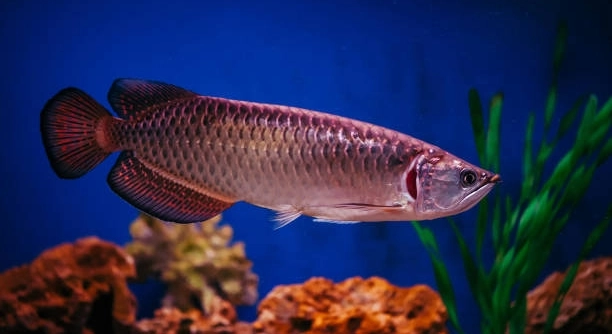
Arowanas are admired for their vibrant colors and graceful movements, making them a popular choice among aquarium enthusiasts. Many owners enjoy watching them grow and thrive, often wondering how large their fish can eventually become in a home tank.
Arowana growth is influenced by genetics, diet, tank size, water quality, and overall care. Larger tanks, consistent feeding, and optimal water conditions promote healthy development, while poor nutrition or cramped environments can limit size and stunt growth over time.
Understanding these factors can help you provide the best environment for your arowana. Proper care ensures it grows strong, healthy, and reaches its full potential.
Understanding Arowana Growth
Arowanas grow at different rates depending on multiple factors. Genetics play a major role in determining their maximum size. Some species naturally grow larger than others, and each fish has its own growth potential. Diet is another key factor. High-quality protein, live or frozen food, and occasional supplements encourage healthy development. Tank size also impacts growth. A small tank can restrict movement and stunt the fish, while a larger tank allows for proper exercise and muscle development. Water quality cannot be overlooked. Regular water changes, stable temperature, and balanced pH help prevent stress and illness, both of which can slow growth. Stressful conditions, such as frequent disturbances or aggressive tankmates, can also hinder development. Observing your arowana’s behavior and adjusting care accordingly helps maintain steady growth. Consistency in feeding, cleaning, and monitoring health makes a noticeable difference in how large and healthy your arowana will become over time.
Arowana growth is a combination of genetics, diet, and environment. Each factor contributes significantly to overall size and health.
Monitoring tank conditions and feeding routines allows you to address small issues before they impact growth. Regular observation ensures your arowana thrives and reaches its potential.
Key Factors Affecting Growth
Proper diet directly influences how quickly an arowana grows. Feeding too little or using low-quality food can slow development and affect overall health.
Water conditions are critical. Clean, well-filtered water supports strong growth and prevents disease. Ammonia or nitrite spikes can damage health, limiting size and causing stress. Temperature consistency is equally important, as sudden changes can disrupt metabolism. Adequate swimming space allows natural exercise, improving muscle tone and body structure. Tank enrichment, such as safe decorations, reduces stress and encourages activity. Regular health checks for parasites or infections help avoid setbacks in growth. Overcrowding should be avoided, as it can lead to aggression and competition for food. Feeding routines should balance quantity and frequency to maintain growth without overfeeding. By focusing on these elements, your arowana will have the best chance to grow steadily, develop vibrant colors, and maintain strong health for years. Adjustments in care often lead to noticeable improvements in both size and vitality.
Tank Size and Environment
Arowanas need spacious tanks to grow properly. Cramped conditions limit movement, slow growth, and increase stress. A large tank supports muscle development and encourages natural behavior, improving overall health and size.
Choosing the right tank size depends on the arowana species and age. Juveniles can start in smaller tanks, but adults require significantly more space. A minimum of 250 gallons is recommended for most adult arowanas. Proper filtration is essential to maintain water quality, while decorations should allow swimming space. Regular water changes and monitoring temperature ensure the environment remains stable, reducing stress that can stunt growth.
Placement of the tank in a quiet area also impacts growth. Stress from constant disturbances or vibrations can affect appetite and activity levels. Open swimming space encourages exercise, which strengthens muscles and supports healthy growth. Providing a calm and stable environment combined with sufficient space is crucial for long-term development and overall well-being of the fish.
Diet and Nutrition
A balanced diet is essential for consistent growth. High-protein foods, live or frozen, support muscle development and size increase.
Feeding should match the arowana’s life stage and size. Juveniles require more frequent, smaller meals, while adults benefit from larger, less frequent feedings. Supplementing with vitamins or pellets helps cover nutritional gaps. Avoid overfeeding, as it can lead to poor water quality and obesity, both of which hinder growth. Rotating protein sources such as shrimp, fish, and insects provides variety and maintains interest in food. Maintaining a consistent feeding schedule and monitoring portions ensures the arowana receives the nutrients it needs without compromising water conditions.
Freshwater fish require additional attention to vitamins and minerals that may be missing from prepared foods. Occasionally providing live prey encourages natural hunting behavior, which boosts physical activity and metabolism. Balanced nutrition not only promotes size but enhances coloration, immune function, and overall vitality. Adjusting diet according to the fish’s growth stage and health ensures optimal development and longevity. A structured feeding routine combined with quality food is key to reaching the full potential of your arowana.
Water Quality and Maintenance
Clean water is vital for arowana health and growth. High ammonia or nitrite levels can stress the fish and stunt development. Regular water changes and efficient filtration maintain a stable, healthy environment.
Monitoring pH, temperature, and hardness ensures optimal conditions. Sudden changes can disrupt metabolism and slow growth, so consistency is key.
Stress and Its Impact
Stress directly affects appetite and growth. Crowded tanks, aggressive tankmates, and constant disturbances reduce feeding efficiency and energy levels. Maintaining a calm, spacious environment minimizes stress and supports healthy development.
Genetics and Growth Potential
Genetics largely determine the maximum size an arowana can achieve. While care can optimize growth, inherited traits set the biological limits for each fish. Environmental factors influence how fully this potential is realized.
Observation and Monitoring
Regular observation helps detect health issues early. Changes in behavior, appetite, or appearance can indicate problems that may affect growth.
FAQ
How fast do arowanas grow?
Arowana growth varies depending on species, diet, and environment. Juveniles grow faster, often adding several inches in their first year. Growth slows as they age, especially after reaching sexual maturity. Proper nutrition, large tanks, and stable water conditions help maintain steady growth throughout their life.
What size tank does an arowana need to grow properly?
Adult arowanas require a minimum of 250 gallons, though larger tanks are preferred for bigger species. Sufficient swimming space supports muscle development and reduces stress. Juveniles can start in smaller tanks, but they should be moved to larger setups as they grow to prevent stunting.
Can diet affect how big my arowana will get?
Yes, diet is crucial. High-protein foods, live or frozen, promote healthy growth. Supplementing with pellets and vitamins ensures proper nutrition. Overfeeding or poor-quality food can harm water quality and stunt growth, while balanced feeding schedules support long-term health and optimal size.
Does water quality really impact growth?
Absolutely. Ammonia, nitrite, and nitrate levels, along with pH and temperature stability, affect metabolism and overall health. Poor water quality causes stress, disease, and slower growth. Consistent maintenance and monitoring prevent setbacks and encourage steady, healthy development.
How does stress affect an arowana’s growth?
Stress reduces appetite and energy levels, which directly slows growth. Factors like overcrowding, aggressive tankmates, loud vibrations, and sudden environmental changes increase stress. Providing a calm, spacious tank with consistent conditions minimizes these risks and supports proper development.
Can arowanas grow bigger than usual in larger tanks?
Larger tanks allow for more swimming space and better water quality, which supports healthier growth. While genetics set the maximum size potential, a bigger, well-maintained tank ensures the arowana can reach its full potential without restrictions or stress-related stunting.
Is genetics the main factor in how big an arowana will get?
Genetics determine maximum size potential, but environment and care influence how fully this potential is realized. A genetically large arowana may fail to reach its potential if tank conditions, diet, or water quality are inadequate. Care and genetics work together to determine ultimate size.
How often should I feed my arowana to ensure growth?
Juveniles benefit from two to three small feedings per day, while adults thrive on one or two larger meals. Feeding schedules should balance nutrition without overfeeding. Rotating protein sources and occasionally offering live prey helps maintain interest and supports muscle and overall development.
Can I accelerate growth with supplements or additives?
Supplements can fill nutritional gaps, especially vitamins and minerals, but they cannot replace a balanced diet. Overuse may harm water quality or cause health issues. Proper food variety, consistent feeding, and clean water are the safest ways to support steady, healthy growth.
What signs show my arowana is not growing properly?
Slow growth, poor appetite, dull colors, and lethargy indicate potential problems. Stunted development often results from insufficient tank size, inadequate nutrition, poor water quality, or high stress. Regular observation allows early intervention to correct issues and support proper growth.
Does tank placement affect arowana growth?
Yes, placing the tank in a quiet, low-traffic area reduces stress and encourages natural activity. Vibrations, sudden movements, and excessive noise can disrupt feeding and metabolism, ultimately impacting growth. A calm environment promotes healthier behavior and steady development.
Are there differences in growth among arowana species?
Yes. Asian arowanas generally grow slower but reach larger sizes, while silver arowanas grow quickly but have slightly shorter lifespans and size limits. Understanding the specific species helps set realistic expectations for growth rates, tank requirements, and care practices.
How long does it take for an arowana to reach full size?
Most arowanas reach near-full size by 3–5 years, though growth can continue slowly beyond that, depending on species and care. Proper diet, tank size, water quality, and stress management influence how quickly they reach their genetic potential. Consistent care ensures steady, healthy growth over time.
Can I prevent stunted growth completely?
Stunted growth can often be avoided with proper care. Adequate tank size, high-quality diet, stable water conditions, and low-stress environments are essential. While genetics set limits, careful management ensures your arowana reaches its potential size without unnecessary restrictions.
What role does exercise play in growth?
Swimming and active movement strengthen muscles and promote overall health. A tank with open swimming areas and minimal obstructions encourages exercise. Inadequate space limits movement, reduces muscle development, and can slow growth, emphasizing the importance of a suitable environment.
Are there common mistakes that limit arowana growth?
Common mistakes include overcrowding, poor water quality, overfeeding or underfeeding, inadequate tank size, and ignoring signs of stress or illness. Addressing these factors early helps maintain steady growth, strong health, and vibrant coloration throughout the arowana’s life.
This FAQ provides practical guidance to help maximize arowana growth while maintaining health and well-being. Proper care, monitoring, and environment are key to helping your arowana thrive and reach its full potential.
Final Thoughts
Arowanas are remarkable fish, admired for their elegance, colors, and size. Watching them grow can be both rewarding and educational, as their development reflects the care and environment provided. Growth is not a matter of chance, but the result of careful attention to several key factors, including diet, tank size, water quality, stress management, and genetics. Each of these elements contributes to the overall health and potential size of your fish. Observing your arowana closely allows you to notice small changes in behavior or appearance that indicate how well it is adapting to its environment. By addressing these observations promptly, you can maintain consistent growth and prevent long-term issues that may affect the fish’s development or well-being. The process of caring for an arowana teaches patience, consistency, and attentiveness, qualities that are reflected in the fish’s health, size, and vitality over time.
Providing the right diet is essential to support strong growth and maintain overall health. High-quality protein, vitamins, and occasional live food contribute to proper muscle development and energy levels. Overfeeding or providing low-quality food can compromise water quality and stunt growth. Feeding routines should be structured and consistent, tailored to the age and size of the fish. Juveniles require frequent small meals, while adults do better with larger, less frequent portions. Rotating protein sources and including nutrient-rich supplements ensures the arowana receives all the essential nutrients necessary for optimal development. Alongside diet, the tank environment plays a significant role. Adequate swimming space, stable temperature, and clean water reduce stress and allow the fish to exercise naturally. Avoiding overcrowding and minimizing disturbances ensures the arowana can focus on feeding and growth rather than responding to stressful stimuli. A combination of proper nutrition and a well-maintained environment creates conditions that promote steady, healthy growth and longevity.
Genetics sets the maximum size potential for your arowana, but how closely it reaches that potential depends on care and environmental conditions. While you cannot change the genetic limits, proper tank management, diet, and stress reduction allow the fish to grow closer to its full size. Regular observation and maintenance are key to detecting early issues that could interfere with growth. Keeping water parameters stable, feeding appropriately, and providing enough space encourages natural growth patterns. Stress, disease, and poor nutrition are the main factors that hinder reaching genetic potential, and they can often be managed or avoided with careful attention. Understanding these elements ensures that your arowana develops steadily, remains healthy, and exhibits its natural beauty. By combining knowledge, patience, and consistent care, you can support your arowana in achieving its full growth potential and enjoying a long, vibrant life.

Hello,
If you enjoy the content that we create, please consider saying a "Thank You!" by leaving a tip.
Every little bit helps us continue crafting quality advice that supports the health, happiness, and well-being of pets around the world, for pets of all shapes, sizes, and species.
We really appreciate the kindness and support that you show us!