
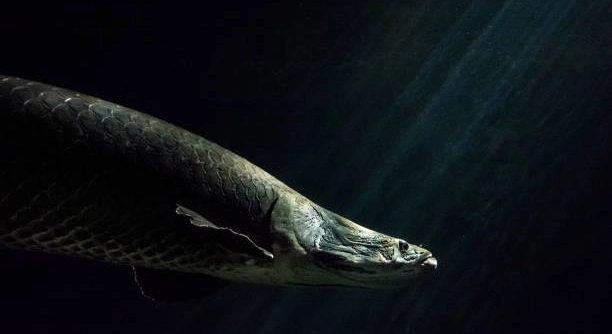
Have you ever moved your Arowana to a new tank and noticed it acting unusually shy or restless? Adjusting to new surroundings can be stressful for these fish, affecting their eating habits and overall behavior.
Helping an Arowana adapt after tank changes involves gradually stabilizing water parameters, providing hiding spots, and minimizing disturbances. Maintaining consistent temperature, pH, and filtration ensures a comfortable environment while allowing the fish to acclimate naturally and safely.
Proper care during this transition will encourage your Arowana to settle faster, promoting healthier behavior and reducing long-term stress in its new home.
Preparing the New Tank
Before introducing your Arowana to its new tank, it is essential to set up the environment carefully. Start by cleaning the tank thoroughly, making sure no chemicals or residues remain. Add appropriate substrate and decorations that provide hiding spots and swimming space. Fill the tank with dechlorinated water and check temperature, pH, and hardness levels. Install a reliable filtration system to maintain water clarity and remove waste efficiently. Lighting should mimic a natural day-night cycle to reduce stress. Run the filtration system for at least 24 hours before adding your fish to allow the water to stabilize. Make sure the tank is large enough to accommodate your Arowana comfortably, as these fish grow quickly and require ample space. Avoid sudden changes in water conditions, as this can shock your fish and lead to health problems. Observing the tank for a day ensures that all systems are functioning properly and provides a stable environment for your fish.
Proper preparation of the tank will reduce stress and help your Arowana settle smoothly in its new home.
Setting up a tank thoughtfully not only protects your fish’s health but also makes maintenance easier. Consistent water parameters and a stable environment help the fish adjust naturally and avoid illness.
Introducing Your Arowana
When placing your Arowana in the new tank, minimize sudden movements or loud noises. Move the fish slowly and allow it to acclimate in the water gradually.
Gently floating the fish in a bag within the tank allows water temperatures to equalize, reducing shock. Slowly introduce small amounts of tank water into the bag over 15–20 minutes. Once the fish seems calm, carefully release it, avoiding sudden splashes. Provide areas where it can hide, such as driftwood or large plants. Observe its behavior closely during the first hours; signs of stress may include rapid gill movement or hiding excessively. Feeding should be light initially, offering familiar foods in small portions. Avoid overfeeding as the fish adjusts. Regularly monitor water parameters and ensure filtration is running smoothly. Maintaining a quiet environment and minimizing handling helps your Arowana feel secure, promoting a steady adaptation period. Patience during this phase is crucial for long-term health and confidence in the new tank.
Monitoring Behavior
Watch your Arowana carefully during the first few days. Note changes in activity, appetite, and interaction with its new environment to ensure it is adjusting well.
Changes in swimming patterns, such as staying near the surface or hiding frequently, can indicate stress. Pay attention to feeding habits and make sure your fish is eating normally. Stress can weaken the immune system, making the fish more vulnerable to illness. Keeping a close eye on behavior allows you to respond quickly to any problems. Adjust lighting, decorations, or feeding routines if needed. Documenting daily behavior can help identify patterns or concerns early, ensuring your Arowana remains healthy while settling into the tank. Consistency and careful observation are key to a smooth adjustment period.
Arowanas may take time to explore and feel comfortable in a new tank. Gradually they will become more active and responsive, showing signs of comfort such as regular feeding and smooth swimming patterns throughout the space.
Maintaining Water Quality
Regular water testing is critical to keep conditions stable. Check temperature, pH, and ammonia levels at least twice a week to prevent harmful fluctuations.
Keeping water clean ensures your Arowana’s health and reduces stress significantly. Perform partial water changes regularly, around 20–30% weekly, to remove toxins and replenish essential minerals. Avoid sudden large changes in temperature or pH, as these can shock your fish. Using a high-quality filtration system and cleaning it on schedule helps maintain clarity and oxygen levels. Monitor for debris or leftover food that may decompose and pollute the water. A consistent maintenance routine promotes a safe and healthy environment, helping your Arowana adjust more quickly. Observing both water parameters and the fish’s behavior together ensures long-term stability and wellness.
Adjusting Feeding Routines
Offer small, frequent meals during the first few days in the new tank. This helps the Arowana eat comfortably without overwhelming its system.
Stick to familiar foods at first. Gradually reintroduce variety once the fish shows consistent appetite and normal activity levels.
Reducing Stress
Minimize disturbances around the tank. Loud noises, sudden movements, or frequent tapping can make your Arowana anxious and slow its adjustment. Maintaining a calm, stable environment is essential for smooth adaptation.
Keeping a low-stress environment encourages natural behavior and supports immune function. Avoid moving decorations or rearranging the tank frequently, as consistency helps the fish feel secure. Observe from a distance and allow it to explore at its own pace. Using soft lighting and providing hiding spots also reduces tension. The combination of stable conditions, gentle handling, and patience allows your Arowana to acclimate more quickly and thrive.
Gradual Introduction of Tankmates
Introduce new tankmates only after your Arowana has settled. Sudden social changes can trigger aggression or stress.
Observing Long-Term Health
Regularly monitor physical condition, appetite, and swimming behavior to catch early signs of illness or stress.
FAQ
How long does it take for an Arowana to adjust to a new tank?
Adjustment time varies depending on the individual fish, tank size, and water stability. Most Arowanas begin showing signs of comfort within a week, but full acclimation can take several weeks. Consistent water parameters, minimal disturbances, and regular observation help shorten this period and reduce stress.
What signs indicate my Arowana is stressed after a tank change?
Common signs include hiding constantly, swimming erratically, refusing food, or gasping at the surface. Pale colors or clamped fins may also appear. These behaviors suggest that the fish is feeling insecure or uncomfortable, often due to water quality, temperature changes, or lack of hiding spots.
Should I change the feeding schedule after moving the Arowana?
Yes. Feeding smaller, more frequent meals helps the fish adjust. Stick to familiar foods initially and gradually reintroduce variety. Overfeeding should be avoided, as it can worsen stress and negatively affect water quality. Observe how your fish responds before returning to a normal schedule.
Is it necessary to quarantine an Arowana before introducing it to a new tank?
Quarantining is recommended if the fish is new or shows signs of illness. A separate tank for 2–4 weeks helps monitor health, prevent disease spread, and allows gradual acclimation to water conditions. This precaution ensures your main tank remains safe for all inhabitants.
How can I maintain water quality during the transition?
Frequent testing for ammonia, nitrite, nitrate, pH, and temperature is essential. Partial water changes, careful filtration maintenance, and avoiding sudden changes in water chemistry reduce stress. Keeping the tank clean and stable promotes a smoother adjustment period.
Can tank decorations affect adjustment?
Yes. Providing hiding spots such as driftwood, rocks, or large plants helps the fish feel secure. Avoid sudden rearrangements during the first few weeks, as this can confuse or stress the Arowana. Gradually introduce new elements once the fish has settled.
When should I worry about health issues during adjustment?
Persistent loss of appetite, rapid breathing, lethargy, or visible injuries are signs to seek help. Stress weakens immunity, making the fish more prone to infection. Early detection and treatment prevent long-term problems and improve recovery chances.
Is lighting important during acclimation?
Yes. Soft, consistent lighting helps the fish adjust naturally. Avoid harsh or sudden changes in brightness, which can increase stress. A regular day-night cycle supports normal behavior and feeding patterns.
Can multiple Arowanas share the same tank after a change?
Only if the tank is large enough and all fish are introduced gradually. Monitor behavior closely to prevent aggression. Introduce new tankmates only after the original fish has fully acclimated to avoid unnecessary stress.
How can I encourage my Arowana to explore the new tank?
Provide hiding spots and open swimming areas. Minimize disturbances and allow time for gradual exploration. Gentle observation and consistent feeding routines help the fish feel secure, promoting confident and active behavior over time.
This FAQ covers the essential concerns during tank changes, giving practical steps to support your Arowana’s health and comfort while adjusting.
Final Thoughts
Helping an Arowana adjust after moving to a new tank requires patience and careful planning. The first few days are the most critical, as sudden changes can cause stress and affect the fish’s health. Making sure water conditions are stable, including temperature, pH, and hardness, provides a solid foundation for adaptation. A consistent filtration system and partial water changes help maintain cleanliness and prevent the build-up of harmful toxins. Providing hiding spots and enough swimming space makes the fish feel secure, reducing anxiety. Observing the fish closely during this time allows you to spot early signs of stress or illness and respond promptly. Even small changes, like adjusting lighting gradually or introducing food slowly, can make a significant difference in how quickly the Arowana settles. Overall, careful preparation and attention to the tank environment are key to ensuring a smooth transition.
Feeding routines play an important role in the adjustment process. Offering smaller, more frequent meals can encourage eating without overwhelming the fish. Start with familiar foods and gradually reintroduce variety once the Arowana seems comfortable. Overfeeding or sudden changes in diet can worsen stress or cause water quality issues, so moderation is essential. Watching the fish’s behavior while eating provides valuable insight into its comfort level. Signs like refusing food, hiding, or swimming erratically may indicate that the fish needs more time to adapt or that water conditions need improvement. Maintaining a calm environment, minimizing disturbances, and providing predictable feeding schedules support natural behavior and help the fish regain confidence. Over time, as the Arowana becomes accustomed to its surroundings, it will show more active swimming patterns, healthier appetite, and greater interaction with its environment.
Long-term care is just as important as the initial transition period. Regular monitoring of water quality, health, and behavior helps prevent problems before they become serious. Introducing new tankmates or rearranging decorations should be done slowly, allowing the fish to adapt gradually. Providing a stable, low-stress environment encourages natural activity, reduces susceptibility to disease, and promotes overall well-being. Patience is essential, as each Arowana adjusts at its own pace, and rushing the process can lead to setbacks. By focusing on water stability, consistent feeding routines, and attentive observation, you create a supportive environment that allows your fish to thrive. With proper care and attention, your Arowana will eventually feel comfortable and secure in its new home, demonstrating natural behaviors and maintaining long-term health.

Hello,
If you enjoy the content that we create, please consider saying a "Thank You!" by leaving a tip.
Every little bit helps us continue crafting quality advice that supports the health, happiness, and well-being of pets around the world, for pets of all shapes, sizes, and species.
We really appreciate the kindness and support that you show us!