
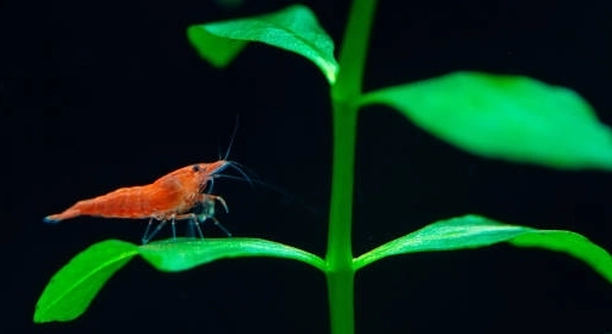
Are your cherry shrimp turning up their noses at the fresh vegetables you carefully prepared? Many shrimp owners feel frustrated when their efforts go unnoticed, despite providing nutritious options like spinach, zucchini, or kale. It can be confusing and discouraging.
Cherry shrimp often refuse blanched vegetables due to a combination of factors including taste preferences, water parameters, and the texture of the food. Shrimps are sensitive to sudden changes in diet, and unfamiliar or overly soft vegetables may be rejected.
Understanding these subtle behaviors can help you adjust feeding habits and improve your shrimp’s overall nutrition and well-being. Proper guidance ensures they stay healthy and enjoy their meals consistently.
Why Blanched Vegetables Sometimes Fail
Many shrimp owners blanch vegetables to make them soft and easy to eat, but cherry shrimp may still ignore them. The texture can be too mushy, or the flavor too mild, making it unappealing. Shrimp are highly sensitive to their environment, and even minor changes can affect their willingness to eat. Water parameters like pH, temperature, and hardness play a significant role in appetite. If these are slightly off, shrimp may avoid food completely. Timing also matters; shrimp are more active during certain periods of the day, often preferring to graze at dawn or dusk. Introducing vegetables gradually and observing shrimp reactions can reveal patterns in feeding behavior. Overripe or poorly rinsed vegetables may introduce bacteria or residues, discouraging shrimp from eating. Choosing fresh, firm vegetables and rinsing thoroughly can increase acceptance. Understanding these factors helps prevent wasted food and ensures shrimp receive proper nutrition for healthy growth and vibrant colors.
Shrimp often prefer familiar foods and are cautious with new additions. Consistency in feeding encourages better acceptance over time.
Small changes like cutting vegetables into smaller pieces or lightly rinsing them can improve acceptance. Shrimp respond to texture and smell, so gradual introduction and monitoring are key. Creating a predictable feeding routine reduces stress, which further encourages eating. Feeding at the same time each day can help shrimp anticipate meals and gradually try new vegetables. Observing which types are consistently ignored allows adjustment without overfeeding. Blanching remains useful but should be paired with careful preparation and timing. Combining variety with consistency maximizes the chance that shrimp will explore and eventually accept blanched vegetables.
Adjusting Feeding Practices
Many owners find that simply offering vegetables isn’t enough. Observation and adjustment are necessary to meet shrimp preferences.
Shrimp feeding success depends on patience and attention to detail. Offering small portions, rotating vegetable types, and adjusting water parameters ensures that shrimp gradually accept new foods. Overfeeding can lead to decay and poor water quality, further discouraging eating. Tracking which vegetables are consistently eaten helps identify preferences and reduce waste. Combining blanched greens with algae or shrimp pellets can introduce new textures and flavors safely. Some shrimp may only sample vegetables briefly, so repeated exposure is often required. Feeding practices should consider shrimp size, activity level, and tank conditions. Maintaining stable water temperature, pH, and cleanliness encourages healthy appetite and reduces stress, making vegetables more appealing. Even small changes, like lightly cooking vegetables instead of over-blanching, can make a noticeable difference. Adjustments should be gradual, giving shrimp time to adapt without disrupting their routine. Observing shrimp behavior during feeding is essential, as it provides insight into their preferences and overall well-being. Monitoring and adjusting regularly ensures shrimp receive proper nutrition and remain active, colorful, and healthy in the tank.
Common Vegetable Preferences
Shrimp tend to favor vegetables with stronger flavors and firmer textures. Spinach, zucchini, and cucumber often work better than soft leafy greens. Observing which vegetables your shrimp nibble helps in planning future meals and reducing waste.
Some vegetables release more nutrients into the water when blanched, which can attract shrimp more effectively. Carrots and squash, when cut into small strips, offer a slight firmness that shrimp prefer. Overly soft or mushy vegetables may sink quickly or begin decomposing, making them unappealing. Rotating vegetables also prevents boredom, ensuring shrimp remain interested in their meals. Offering a variety ensures they receive balanced nutrition. Timing and portion size matter; too much food can overwhelm shrimp, while small amounts encourage gradual exploration. Watching shrimp interactions with different vegetables helps identify favorites and patterns in feeding habits.
Shrimp are naturally cautious and may avoid new foods at first. Slowly introducing vegetables in familiar ways helps them adjust. Rinsing thoroughly and cutting into manageable pieces ensures easier consumption. Combining a preferred vegetable with a new one encourages sampling without stress. Paying attention to water conditions, temperature, and tank activity can improve feeding success. Consistency in presentation, portion size, and timing builds trust with their environment. Some shrimp may take multiple exposures before accepting a new vegetable. Patience and observation are key.
Water Conditions Affect Feeding
Water quality directly influences shrimp appetite. Stable temperature, pH, and hardness promote consistent feeding behavior.
Shrimp are highly sensitive to water changes, which can disrupt feeding patterns. Sudden shifts in temperature or pH may cause shrimp to ignore vegetables entirely. Regular testing of water parameters ensures optimal conditions, allowing shrimp to focus on eating. Chlorine or chemical residues from tap water can deter feeding and stress shrimp. Using dechlorinated water and maintaining moderate temperatures supports activity and digestive health. Even minor imbalances can affect shrimp metabolism, reducing interest in vegetables. Clean substrate and proper filtration prevent waste buildup that may spoil blanched vegetables. Gradual adjustments to water parameters help shrimp acclimate without disrupting feeding habits. Consistency is critical to maintaining appetite. Monitoring shrimp behavior during feeding offers real-time feedback on water quality. Observing how shrimp interact with food indicates whether adjustments are needed. Maintaining a clean, stable environment ensures shrimp remain healthy, active, and willing to consume vegetables regularly.
Timing and Feeding Routine
Shrimp are more likely to eat when feeding occurs consistently at the same times each day. Regular schedules help them anticipate meals and reduce stress, improving acceptance of blanched vegetables.
Observing peak activity periods, often early morning or late evening, ensures vegetables are offered when shrimp are most likely to feed.
Preparing Vegetables Correctly
Blanching vegetables lightly preserves nutrients and softens them just enough for shrimp to handle. Overcooking can make them mushy, reducing interest. Cutting vegetables into small, manageable pieces also encourages feeding.
Proper preparation prevents vegetables from decomposing too quickly in the tank. Rinsing thoroughly removes any residues that may deter shrimp. Slightly firm textures and clean surfaces help shrimp explore and consume new foods. Adjusting blanching time based on the type of vegetable ensures optimal texture. Observing shrimp reactions during the first few feedings allows fine-tuning. Combining familiar favorites with new vegetables gradually introduces variety. Proper preparation supports shrimp health while maintaining water quality.
Gradual Introduction
Introducing new vegetables slowly increases the likelihood that shrimp will accept them over time.
FAQ
Why won’t my cherry shrimp eat blanched vegetables at all?
Cherry shrimp may refuse blanched vegetables due to unfamiliar taste, texture, or changes in their environment. Shrimp are sensitive to water conditions like pH, temperature, and hardness. If any of these are off, shrimp may ignore even nutritious food. Gradual introduction and monitoring can help them adjust.
How can I make blanched vegetables more appealing?
Offering vegetables with slightly firmer textures, like zucchini or carrot slices, encourages feeding. Cutting vegetables into small, manageable pieces allows shrimp to handle them easily. Rinsing thoroughly and lightly blanching prevents mushiness and retains some natural structure. Combining a new vegetable with a familiar favorite increases acceptance.
How often should I offer vegetables to my shrimp?
Small portions two to three times per week are usually sufficient. Overfeeding can lead to decay, poor water quality, and reduced appetite. Observing shrimp behavior helps determine how much they can consume. Adjust portions based on tank size, shrimp population, and activity level to prevent leftover vegetables from spoiling.
Can water parameters affect feeding habits?
Yes, shrimp are highly sensitive to water changes. Even minor shifts in temperature, pH, or hardness can disrupt feeding. Maintaining stable water conditions encourages activity and appetite. Dechlorinated water and consistent filtration prevent chemical residues or waste buildup that could deter shrimp from eating.
Should I remove uneaten vegetables?
Yes, uneaten vegetables should be removed within 24 hours. Decomposing vegetables can foul water, encourage bacterial growth, and create an environment shrimp avoid. Removing leftovers keeps the tank clean and ensures shrimp remain interested in new feedings.
Are some vegetables better than others?
Shrimp tend to prefer vegetables with stronger flavor and firmer textures. Zucchini, cucumber, and carrots are often accepted more readily than soft leafy greens. Rotating vegetables gradually prevents boredom and ensures balanced nutrition. Observing which vegetables are consistently eaten allows you to adjust offerings.
How do I introduce new vegetables to shy shrimp?
Introduce new vegetables slowly alongside familiar ones. Start with tiny pieces and monitor shrimp reactions. Repeated exposure over days or weeks may be necessary before they accept the new food. Gradual introduction reduces stress and improves long-term feeding habits.
Can shrimp get used to blanched vegetables?
Yes, with consistent exposure and proper preparation, shrimp can adapt to blanched vegetables. Patience is key. Offering vegetables at the same time each day, in appropriate portions, and under stable water conditions encourages shrimp to explore and eventually eat them regularly.
Is texture more important than type?
Texture often matters more than the type of vegetable. Shrimp prefer slightly firm pieces they can grasp and nibble. Overcooked or overly soft vegetables sink quickly and may be ignored. Observing shrimp behavior and adjusting blanching times ensures optimal texture for consumption.
Can combining vegetables help with feeding?
Yes, combining a familiar vegetable with a new one increases acceptance. Mixing textures or flavors allows shrimp to explore safely while still receiving nutrients. This method gradually introduces variety without overwhelming them, encouraging consistent eating habits and reducing waste.
What if my shrimp only nibble and don’t eat much?
Nibbling is normal for cautious shrimp. Over time, repeated exposure helps them increase consumption. Ensuring proper water conditions, small portion sizes, and predictable feeding schedules supports gradual adjustment and consistent nutrition.
Do shrimp prefer raw vegetables sometimes?
Some shrimp will nibble raw vegetables, but many find them tougher or harder to digest. Light blanching softens vegetables without making them overly soft, striking a balance that improves acceptance while preserving nutrients.
How can I monitor feeding success?
Observe shrimp during feeding and note which vegetables they nibble or ignore. Track portions eaten and adjust type, size, or preparation method as needed. Monitoring behavior ensures they receive balanced nutrition and helps identify potential environmental issues affecting appetite.
Does tank size affect feeding habits?
Yes, larger tanks may require more food or multiple feeding spots. Smaller tanks need careful portion control to prevent overfeeding. Shrimp distribution and activity can influence how quickly vegetables are discovered and consumed. Adjust feeding strategies according to tank size and population density.
Are there signs of stress affecting feeding?
Shrimp that hide, avoid food, or stay inactive may be stressed. Causes include poor water quality, sudden environmental changes, or overcrowding. Addressing stress factors improves appetite and increases the likelihood they will eat blanched vegetables consistently.
Can temperature changes impact vegetable consumption?
Temperature affects metabolism and activity level. Cooler water slows feeding, while moderate warmth encourages grazing. Keeping water within the recommended range for cherry shrimp ensures vegetables are explored and consumed as part of a balanced diet.
Is it normal for some shrimp to never eat certain vegetables?
Yes, individual shrimp have preferences. Even in healthy conditions, some shrimp may ignore specific vegetables. Providing a variety ensures all shrimp receive adequate nutrients without forcing a particular food on them.
How long should I observe before changing feeding methods?
Give shrimp a few days to adjust to new vegetables, observing behavior and consumption. If they consistently avoid food, try smaller pieces, firmer textures, or pairing with familiar favorites. Gradual adjustments encourage acceptance without stressing the shrimp.
Can other tank inhabitants affect feeding?
Yes, snails or other small tank mates may compete for vegetables, reducing availability for shrimp. Providing multiple feeding spots or slightly increasing portions ensures shrimp can access food without stress or competition.
Is nutrient loss a concern when blanching?
Light blanching preserves most nutrients while softening vegetables. Overcooking can reduce vitamin content, but careful timing ensures shrimp still receive beneficial nutrients in an easily edible form. Observing shrimp acceptance balances preparation and nutritional value effectively.
How do I encourage shy shrimp to eat vegetables?
Place vegetables in areas with hiding spots nearby. This allows shrimp to feed with minimal stress. Offering small, familiar vegetables alongside new ones builds confidence and encourages gradual exploration, leading to more consistent consumption over time.
Are frozen vegetables acceptable?
Frozen vegetables can be used if fully thawed and rinsed. Light blanching after thawing ensures proper texture and reduces water contamination. Fresh vegetables are usually preferred, but frozen options are practical for variety or seasonal availability.
Can overfeeding blanched vegetables harm shrimp?
Yes, excess vegetables decompose quickly, reducing water quality and causing stress or disease. Offer small portions and remove leftovers promptly to maintain a healthy tank environment and promote regular feeding behavior.
Is there a way to tell if shrimp are getting enough nutrients?
Healthy shrimp are active, colorful, and consistently explore food. Lack of appetite, dull coloration, or slow growth may indicate nutritional gaps or environmental issues. Adjusting diet and monitoring tank conditions ensures shrimp remain well-nourished.
What if shrimp ignore all vegetables?
Focus on water quality, temperature, and routine first. Gradually introduce preferred vegetables or supplement with high-quality shrimp pellets. Patience, observation, and consistency are key to encouraging acceptance over time.
How long does it take for shrimp to adapt to new vegetables?
Adaptation can take days to weeks. Gradual exposure, proper preparation, and consistent feeding schedules support successful adjustment. Individual shrimp may vary, so observation and patience are essential to ensure they eventually accept new foods.
Can shrimp get bored with vegetables?
Yes, repetitive offerings may lead to reduced interest. Rotating types, textures, and small portion sizes prevents boredom and encourages consistent feeding. Observing preferences helps maintain variety while ensuring proper nutrition.
Are there signs that vegetables are unhealthy for shrimp?
Mold, decomposition, or chemical residue can make vegetables unsafe. Avoid overripe, unwashed, or improperly blanched vegetables. Ensuring freshness and proper preparation prevents illness and encourages consistent feeding.
Is it better to offer vegetables daily or less often?
Less frequent, small portions are usually best. Daily overfeeding can reduce water quality and shrimp appetite. Observing how quickly shrimp consume food helps determine an optimal feeding schedule that balances nutrition and tank maintenance.
How important is the size of vegetable pieces?
Piece size affects accessibility. Too large and shrimp cannot grasp them; too small and they may decompose quickly. Cutting vegetables into manageable portions ensures easier consumption and reduces waste.
Can shrimp taste preferences change over time?
Yes, shrimp may gradually accept vegetables they once ignored. Repeated exposure and stable conditions encourage exploration. Individual tastes and seasonal behavior changes can affect feeding, so ongoing observation is important.
Are there ways to encourage shy shrimp to try new vegetables?
Placing new vegetables near familiar hiding spots or pairing with favorites helps. Gradual introduction and minimal disturbance encourage sampling without stress. Patience and consistency increase the chance of acceptance.
Does light intensity affect feeding?
Shrimp often feed more actively in low to moderate light. Bright light can make them cautious. Adjusting tank lighting during feeding may improve acceptance of blanched vegetables.
Should I remove uneaten vegetables immediately?
Yes, leftover vegetables should be removed promptly. Decomposition lowers water quality, discourages feeding, and may harm shrimp. Keeping the tank clean supports consistent vegetable consumption and overall health.
Can other tank conditions influence feeding?
Yes, factors like strong currents, overcrowding, or aggressive tank mates can reduce feeding activity. Creating calm, stable areas for shrimp to eat encourages acceptance of vegetables.
Is blanching every vegetable necessary?
Most vegetables benefit from light blanching, but very soft leafy greens may be offered raw if thoroughly rinsed. Blanching ensures proper texture and reduces the risk of bacterial growth, supporting shrimp feeding.
Can I use supplements with vegetables?
Yes, mineral or vitamin supplements can be added carefully. They enhance nutrition but should not replace proper vegetables. Combining supplements with varied vegetable offerings ensures balanced dietary intake.
How do I know when to stop offering a particular vegetable?
If shrimp consistently ignore a vegetable after multiple attempts, it may be better to rotate it out. Focus on items they consume readily to maintain nutrition and reduce waste.
Can stress from handling affect feeding?
Handling or frequent tank disturbances can cause shrimp to avoid food. Minimal disruption during feeding allows shrimp to explore vegetables calmly, increasing acceptance and ensuring consistent consumption.
Are some shrimp more finicky than others?
Yes, individual personalities vary. Some shrimp may never accept certain vegetables while others explore everything offered. Providing variety ensures all shrimp receive adequate nutrition.
Does tank decor influence feeding behavior?
Dense plants or hiding spots near feeding areas encourage shy shrimp to explore vegetables safely. Strategic placement improves access and reduces stress during mealtime.
Can shrimp overeat blanched vegetables?
Yes, if offered in excess, shrimp may consume more than needed. This can reduce water quality and cause waste buildup. Small portions with removal of leftovers prevent overfeeding.
How often should I rotate vegetables?
Rotating every few days or weekly maintains interest and variety. Observing preferences ensures shrimp receive balanced nutrients while minimizing waste.
What’s the best way to track feeding habits?
Keep a simple log of vegetables offered, portions consumed, and shrimp reactions. This helps identify favorites, adjust schedules, and monitor health over time.
Is it normal for shrimp to nibble but not finish vegetables?
Yes, nibbling is a natural cautious behavior. Gradual exposure and repeated feedings help shrimp increase consumption and adapt to new vegetables.
Can tank water movement affect vegetable consumption?
Strong currents may move vegetables too quickly for shrimp to grab. Placing vegetables in calm areas or securing them encourages feeding.
Are there signs that vegetables are harmful?
Mold, discoloration, or foul smell indicates spoilage. Avoid these vegetables to prevent illness and maintain feeding interest.
How do I combine vegetables for variety?
Pair a familiar vegetable with a new one. Vary textures and flavors gradually to encourage exploration and balanced nutrition.
Is observation more important than strict schedules?
Yes, watching shrimp behavior provides real insight into feeding success. Adjusting schedules based on activity ensures better acceptance than rigid routines.
Do shrimp ever prefer certain vegetables seasonally?
Some shrimp may respond differently depending on temperature or natural activity cycles. Seasonal variations can influence appetite and preferences.
Can I encourage shy shrimp with hiding spots nearby?
Yes, placing vegetables near shelters allows shrimp to feed safely, reducing stress and increasing the chance of acceptance.
Is it safe to feed multiple vegetable types at once?
Yes, but start with small portions. Multiple types provide variety without overwhelming shrimp, encouraging exploration.
Does water temperature affect how quickly shrimp eat?
Yes, warmer water increases metabolism, prompting faster feeding. Cooler water slows activity, which may reduce vegetable consumption.
Can shrimp learn to eat new vegetables over time?
Yes, repeated exposure and consistent presentation encourage shrimp to explore and eventually accept new foods.
Are there any vegetables I should avoid entirely?
Avoid those that decompose quickly, are treated with pesticides, or have strong chemical residues. Fresh, clean, and properly prepared vegetables are safest.
How important is portion control?
Small portions prevent waste, reduce decomposition, and maintain water quality. Observing shrimp helps determine the right amount for consistent feeding.
Can shrimp go without vegetables for a short period?
Yes, they can survive on algae and pellets temporarily, but vegetables provide essential nutrients. Consistent inclusion supports health and growth.
Do shrimp prefer blanched vegetables over frozen?
Fresh, lightly blanched vegetables are generally more appealing, though properly thawed frozen vegetables can work when prepared carefully.
How do I know if shrimp enjoy a new vegetable?
Active nibbling, repeated visits, and consistent consumption indicate acceptance. Ignoring the vegetable suggests further adjustment is needed.
Are certain colors of vegetables more attractive?
Bright or contrasting colors may draw attention, but texture and familiarity usually have a greater influence on feeding behavior.
Does tank population density affect feeding?
Higher densities can increase competition for vegetables. Multiple feeding spots or small portions help ensure all shrimp access food.
Can stress from water changes affect vegetable acceptance?
Yes, recent water changes may cause temporary avoidance. Gradual acclimation and stable conditions encourage feeding resumption.
Should I mix vegetables with pellets?
Yes, combining helps introduce new textures and flavors safely, increasing the chance shrimp will try unfamiliar vegetables.
Are some shrimp naturally hesitant eaters?
Yes, individual variation exists. Patience, gradual exposure, and consistent feeding encourage hesitant shrimp to explore and consume vegetables.
Can shrimp refuse vegetables due to illness?
Loss of appetite can signal health issues. Monitor for lethargy, discoloration, or abnormal behavior and address environmental or medical concerns.
How do I know when to remove vegetables from the tank?
Remove leftovers within 24 hours to prevent decomposition, water quality issues, and reduced shrimp interest in future feedings.
Does light intensity during feeding matter?
Low to moderate light often encourages feeding, while bright light may make shrimp cautious. Adjust lighting to improve vegetable acceptance.
Can I offer the same vegetable repeatedly?
Yes, but rotating types prevents boredom and ensures balanced nutrition, keeping shrimp interested and healthy.
Are smaller shrimp more likely to eat blanched vegetables?
Younger or smaller shrimp may require softer, smaller pieces to handle easily, while adults can manage firmer textures.
Is observation more effective than strict rules?
Yes, observing shrimp behavior during feedings provides insight into preferences, portion size, and timing for better long-term success.
Can seasonal water changes affect appetite?
Yes, slight seasonal shifts in temperature or light may impact feeding patterns and vegetable acceptance.
How do I combine texture and flavor for better acceptance?
Mix firmer vegetables with slightly softer ones or pair mild flavors with stronger tastes to encourage exploration and gradual acceptance.
Are there long-term benefits to consistent vegetable feeding?
Yes, regular vegetables improve growth, coloration, and overall health, supporting shrimp vitality and longevity.
Can shrimp adapt to new vegetables faster in smaller tanks?
Yes, smaller tanks allow easier access and less competition, encouraging quicker exploration and consumption of new vegetables.
Is there a risk of over-blanching?
Yes, over-blanching creates mushy vegetables that shrimp may ignore and can accelerate decomposition in the tank.
How can I encourage all shrimp to eat?
Offer multiple feeding spots, small portions, and familiar vegetables alongside new ones. Gradual introduction and consistent routine help ensure all shrimp participate.
Do shrimp need variety daily?
Variety is beneficial but doesn’t need to be daily. Rotating vegetables every few days maintains interest and provides balanced nutrients.
Can shy shrimp learn by watching others?
Yes, observing more confident shrimp feeding may encourage hesitant individuals to try vegetables gradually over time.
Is there a safe maximum for vegetable portions?
Offer only what shrimp can consume within a day. Excess increases decomposition risk and water quality issues.
Can shrimp ignore vegetables due to tank decorations?
Yes, dense or obstructive decor can reduce access. Placing vegetables near open or calm areas encourages feeding.
How do I know if feeding routines are effective?
Consistent nibbling, growth, and vibrant coloration indicate successful routines. Adjust portions, types, or timing if shrimp appear uninterested.
Can combining types of vegetables improve nutrition?
Yes, combining leafy greens, root vegetables, and soft options ensures shrimp receive a broad spectrum of nutrients while maintaining interest in meals.
Do shrimp prefer certain textures over flavors?
Texture often has a stronger influence than flavor. Shrimp prefer pieces they can grasp and nibble comfortably, even if taste is mild.
Can repeated rejection indicate water issues?
Yes, persistent refusal may signal poor water quality, temperature imbalance, or stress, which should be addressed to restore appetite.
Are frozen and fresh vegetables equally accepted?
Fresh, lightly blanched vegetables are generally preferred, though properly thawed frozen vegetables are acceptable if prepared correctly and rinsed.
Is there a way to increase curiosity in new vegetables?
Placing them near hiding spots or mixing with favorites encourages cautious shrimp to explore new food without stress.
Can shrimp lose interest in vegetables over time?
Yes, repetitive offerings without variation can reduce interest. Rotating types and textures maintains engagement and balanced nutrition.
Does water hardness affect vegetable acceptance?
Yes, very soft or very hard water can influence shrimp metabolism and willingness to feed. Stable, moderate conditions encourage eating.
How long should I observe shrimp before changing vegetables?
Allow several days of observation to see if shrimp gradually accept the vegetable before making adjustments or removing it from rotation.
Are some vegetables better for color enhancement?
Vegetables rich in carotenoids, like carrots, can enhance red and orange coloration while supporting overall nutrition.
Can stress from tank mates reduce feeding?
Yes, aggressive or highly active tank mates may intimidate shrimp. Providing calm feeding areas ensures they can explore vegetables safely.
Do shrimp prefer floating or sinking vegetables?
Sinking vegetables that remain accessible are usually preferred. Floating pieces may drift away or be ignored if shrimp cannot reach them easily.
Is frequent monitoring necessary?
Yes,
Final Thoughts
Feeding cherry shrimp can be a careful balance of preparation, observation, and patience. Blanched vegetables are a nutritious option, but shrimp may not always accept them immediately. Their sensitivity to texture, flavor, and environmental conditions means that even healthy vegetables can be ignored. Understanding that shrimp are cautious creatures helps set realistic expectations. Offering small portions, cutting vegetables into manageable pieces, and lightly blanching them can increase the chances of acceptance. Gradual exposure over time allows shrimp to explore new foods at their own pace, reducing stress and encouraging more consistent eating habits. Observing shrimp during feeding provides insight into their preferences and helps identify patterns in behavior.
Water conditions play a significant role in whether shrimp will eat blanched vegetables. Temperature, pH, and water hardness all influence appetite and activity levels. Sudden changes in the tank environment can disrupt feeding, even when the vegetables are prepared perfectly. Keeping water stable, clean, and free from chemical residues supports shrimp health and encourages consistent consumption. Removing uneaten vegetables promptly prevents decomposition, which can affect water quality and further discourage feeding. Creating calm areas with minimal water movement and providing hiding spots near feeding locations helps shy shrimp feel safe while exploring food. Regularly testing water and monitoring shrimp behavior ensures that feeding strategies align with the conditions they need to thrive.
Consistency and observation are key to successful feeding. Rotating vegetables, offering a variety of textures, and combining new vegetables with familiar favorites can gradually expand shrimp acceptance of blanched foods. While some shrimp may always prefer certain vegetables, introducing variety ensures balanced nutrition for the entire tank. Keeping portions small prevents waste, maintains water quality, and supports overall health. Shrimp feeding is a slow, gradual process, and patience is essential. By focusing on preparation, water quality, timing, and observation, shrimp owners can create an environment where their pets consistently explore and enjoy blanched vegetables, leading to healthier, more active, and vibrant shrimp over time.

Hello,
If you enjoy the content that we create, please consider saying a "Thank You!" by leaving a tip.
Every little bit helps us continue crafting quality advice that supports the health, happiness, and well-being of pets around the world, for pets of all shapes, sizes, and species.
We really appreciate the kindness and support that you show us!