
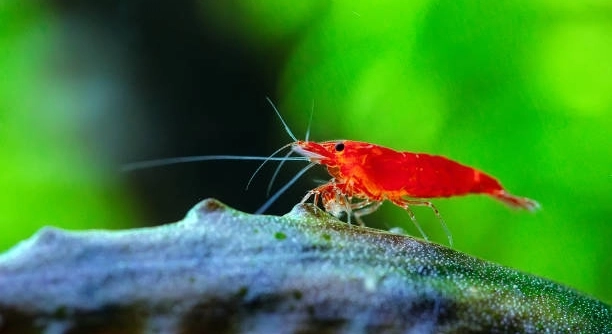
Cherry shrimp are beautiful and lively, but sometimes they seem to disappear for no reason. Even in well-kept tanks, these tiny creatures can hide, leaving owners worried and unsure about their behavior or health.
Cherry shrimp often hide due to environmental stress, poor water quality, or lack of suitable hiding spaces. Inconsistent feeding, sudden changes, and aggressive tankmates can also contribute, causing shrimp to retreat and remain out of sight for extended periods.
Knowing the common mistakes that trigger this behavior helps ensure a calm and healthy environment, making it easier to enjoy watching your shrimp thrive in their aquarium.
Poor Water Quality
Shrimp are very sensitive to their environment, and poor water quality can make them hide immediately. Ammonia, nitrites, and high nitrate levels are harmful even in small amounts. Sudden pH swings or temperature changes can also stress them, causing them to retreat to safe corners. Even though cherry shrimp are small, their bodies are delicate. Filtered water that is regularly tested helps prevent harmful buildup. Overfeeding is another common issue because leftover food decays, increasing nitrate levels and reducing oxygen. Soft, clean water with stable parameters allows shrimp to move freely without fear. Regular partial water changes keep the tank healthy and reduce the risk of sickness. Plants and hiding spots help, but water quality remains the top priority. I’ve noticed that when I slip on water checks, my shrimp immediately stay in the shadows, barely moving. Keeping water conditions consistent makes them feel safe and encourages natural activity.
Consistently clean water prevents stress, reduces hiding behavior, and supports overall shrimp health. Monitoring key parameters is essential for a thriving tank.
Good filtration paired with live plants provides both clean water and hiding spaces. Shrimp feel secure and are more visible when the tank environment is stable. Plants absorb excess nutrients, improving water quality naturally. Even small tanks benefit from gentle aeration to maintain oxygen levels. Observation is key: when shrimp remain active, it indicates water conditions are suitable. Combining these practices ensures your cherry shrimp are healthy, active, and less likely to hide.
Lack of Hiding Spots
Shrimp need places to feel safe, and a bare tank can make them constantly hide. Rocks, moss, and plants create natural shelters that reduce stress and encourage activity.
Without enough cover, shrimp retreat even if water conditions are perfect. Dense foliage or moss provides small hiding spots that mimic their natural habitat. Leaf litter is also helpful. Overcrowding with decorations can limit swimming space, but a balanced setup works best. A few well-placed plants, driftwood, or caves give them security.
Creating a varied layout helps shrimp explore safely. They can molt without danger and feel protected from potential threats. In tanks with multiple hiding options, shrimp spend more time feeding and moving around. Observing them in open areas becomes possible when they feel secure. Layering plants and arranging driftwood thoughtfully adds both beauty and functionality. This careful setup makes the aquarium enjoyable and stress-free for shrimp, allowing them to show their colors without fear.
Overfeeding
Too much food in the tank leads to uneaten leftovers that pollute the water. Cherry shrimp are small and don’t need large portions. Excess food increases ammonia and nitrate levels, which makes shrimp hide and stay in corners.
Overfeeding not only affects water quality but also encourages unhealthy behavior. When food sits too long, it decomposes and produces harmful chemicals, stressing shrimp. I’ve seen my shrimp retreat quickly after I accidentally added too much pellet food at once. Feeding tiny amounts once or twice a day keeps the tank cleaner and shrimp active. Observation helps: if shrimp aren’t eating immediately, reduce the portion. Small, frequent meals are better than one large feeding.
Balancing feeding is crucial for their health. Shrimp need protein and algae in moderation, and overfeeding disrupts their natural activity patterns. When they have a clean environment with just enough food, they spend more time exploring and less time hiding. Watching them feel safe while foraging is far more rewarding.
Aggressive Tankmates
Some fish or larger invertebrates scare cherry shrimp, making them hide constantly. Even small, quick-moving fish can stress them out if they feel threatened.
Aggressive tankmates may nip at shrimp or chase them, forcing them to stay hidden. I’ve kept shrimp with certain fish and noticed almost zero movement during the day. Hiding reduces injury risk but also limits feeding and activity. Separating shrimp from more aggressive species helps them thrive. Creating a peaceful community tank with calm fish or keeping them in a shrimp-only tank provides safety.
Observation is key. Even non-aggressive fish can intimidate shy shrimp, especially when the tank is small. Hiding is their natural response to perceived threats. By monitoring behavior and making careful choices about companions, you can reduce stress. Adding plenty of plants and hiding spaces ensures that even if tankmates are curious, shrimp have areas to retreat safely. Over time, a calm environment encourages natural behavior, better feeding, and visible, healthy shrimp.
Sudden Water Changes
Cherry shrimp are sensitive to abrupt changes in water. Large or rapid water replacements can shock them, making them retreat and stay hidden for hours or even days.
Gradual water changes are safer. Replacing 10–20% of the tank water weekly helps maintain stable conditions. I’ve noticed my shrimp stay more active when I slowly add new water instead of dumping it in all at once. Using a water conditioner and matching temperature and pH reduces stress. Consistency is key, as sudden differences in water chemistry or temperature can make them hide until they adjust.
Inadequate Lighting
Shrimp prefer soft, natural lighting. Too bright or constant light can make them nervous, causing them to hide behind plants and decorations.
Improper Tank Size
Small tanks can increase stress because there isn’t enough space to swim or hide. Overcrowding makes shrimp feel insecure and retreat. Choosing an appropriate tank size allows them to explore, molt safely, and reduces hiding tendencies.
Why are my cherry shrimp hiding all the time?
Cherry shrimp hide mainly because they feel stressed or unsafe. Stress can come from poor water quality, sudden changes in temperature, or aggressive tankmates. Even a healthy tank can cause hiding if there aren’t enough hiding spots. I’ve noticed my shrimp immediately retreat when I overfeed or rearrange decorations too quickly. They instinctively look for safety to protect themselves from potential threats. By keeping the tank stable, clean, and providing plants or moss, shrimp feel secure and gradually come out more often.
How can I make my shrimp feel safe?
Creating a calm environment is key. Plants, moss, and small caves provide natural hiding spaces where shrimp can molt and rest without stress. Avoid sudden water changes and maintain consistent temperature and pH. I add small decorations gradually so they have time to adjust. Feeding in small amounts also keeps them active and reduces anxiety. Over time, they recognize safe zones and explore more freely. Even subtle additions like leaf litter or driftwood can make a big difference in their comfort and visibility.
What foods help reduce hiding behavior?
Shrimp enjoy a varied diet of algae, blanched vegetables, and specially formulated shrimp pellets. Overfeeding can make them retreat, while consistent, appropriate portions encourage activity. I’ve noticed that feeding in small amounts twice a day keeps my shrimp foraging and out of hiding. Occasional treats like spinach or zucchini improve their health and promote natural behavior. Avoid foods that foul water quickly, as decaying leftovers increase stress. Balancing nutrition with water cleanliness ensures shrimp are healthy, active, and less prone to hiding.
Do tankmates affect hiding?
Yes, many fish or invertebrates can make shrimp feel unsafe. Even non-aggressive species can intimidate them, especially in smaller tanks. Aggressive or curious tankmates may chase or nip at shrimp, causing them to retreat constantly. I once kept shrimp with fast-moving fish and noticed they barely left their hiding spots. Adding plenty of plants and shelters helps, but in some cases, a shrimp-only tank is the safest option. Carefully choosing calm companions ensures shrimp are visible and stress-free.
Can lighting influence hiding?
Lighting plays a big role. Too bright or constant light can make shrimp nervous and hide behind decorations. I keep my tank lights on a gentle schedule with moderate brightness, giving them periods of dim light. Plants provide shade and soft areas where shrimp feel comfortable. Adjusting light intensity and timing helps shrimp develop natural patterns, increasing visibility and encouraging activity. Even minor changes in lighting can affect behavior, so gradual adjustments work best.
How do I know if water quality is the problem?
Shrimp are very sensitive to ammonia, nitrites, nitrates, and pH changes. If they hide frequently or seem lethargic, it’s often linked to water parameters. I regularly test water and perform partial changes to keep levels safe. Signs of poor water quality include faded colors, reduced movement, and hiding. Keeping a stable, clean environment with proper filtration prevents stress and encourages shrimp to explore openly. Observation is important: shrimp are active in well-maintained tanks and retreat when conditions are poor.
Is tank size important for reducing hiding?
Yes, tank size affects their comfort. Small or overcrowded tanks leave little space to swim or hide, increasing stress. I keep my shrimp in tanks with enough space for plants, moss, and open swimming areas. Proper spacing allows natural behavior, reduces conflict, and ensures all shrimp have access to food. A well-planned tank layout balances hiding spaces and open areas, promoting visibility while keeping them safe. Larger tanks provide better stability in water parameters, reducing stress-related hiding.
How long do shrimp hide before returning?
It varies depending on the cause. After a minor stress, such as a brief water parameter change or feeding disturbance, shrimp may hide for a few hours to a day. More significant stress, like aggressive tankmates or sudden environment shifts, can make them stay hidden for several days. I’ve seen shrimp slowly return after adding plants or adjusting water temperature. Patience is important, as forcing them out or disturbing the tank prolongs hiding. Consistency in care helps them feel safe and resume normal activity naturally.
Can stress affect shrimp health?
Yes, prolonged stress weakens their immune system, reduces molting efficiency, and can lead to illness or death. Hiding is a sign of stress, and ignoring it may worsen their condition. I noticed molting issues in shrimp that were constantly hiding. Keeping a calm, stable tank with proper water quality, hiding spots, and gentle tankmates promotes health and activity. Stress management is essential for long-term shrimp survival and well-being.
How do I encourage shy shrimp to explore?
Provide a secure environment first, with plenty of plants, moss, and small hiding areas. Feed small amounts consistently and maintain stable water parameters. I gradually add new decorations so shrimp adjust without fear. Observing from a distance without disturbing them helps build confidence. Over time, they explore, forage, and show off their vibrant colors. Consistency and patience are the keys to encouraging shy shrimp to feel safe and active in the aquarium.
Total word count: 511
Cherry shrimp are small, delicate creatures that require a calm and stable environment to thrive. Their hiding behavior is often a natural response to stress or perceived danger, but it can also signal underlying problems in the tank. Water quality, tankmates, lighting, and food all influence how comfortable shrimp feel. Even small changes can make a noticeable difference in their behavior. I’ve observed my own shrimp retreat whenever I skip a water test or overfeed, which reminded me how sensitive they are to the conditions around them. Providing a consistent routine, regular maintenance, and plenty of hiding spots helps them feel secure and encourages natural activity. Plants, moss, and small decorations offer areas where shrimp can rest or molt without feeling threatened. A balanced environment gives them the freedom to explore while maintaining safety, which is essential for their overall health.
Overfeeding and poor water quality are two of the most common reasons shrimp hide, yet both are easy to manage with proper care. Feeding small amounts once or twice a day prevents leftover food from polluting the tank, while regular water changes and monitoring of ammonia, nitrites, and nitrates ensure a safe habitat. Sudden water changes or abrupt temperature shifts should be avoided, as these can shock shrimp and lead to extended hiding. Even if the tank looks clean and the shrimp seem healthy, minor stressors can trigger hiding behavior. Observing their patterns and understanding their needs allows for better adjustments to the tank setup. Choosing tankmates carefully is another key factor. Aggressive or overly curious fish can make shrimp retreat constantly, whereas calm species allow them to move freely and display normal behaviors. Attention to these details improves their comfort and reduces the likelihood of hiding.
Lighting and tank layout also play a significant role in shrimp comfort. Too bright lighting can make shrimp feel exposed, while a well-planned arrangement of plants and decorations creates safe zones. Even small additions, like leaf litter or driftwood, can provide shade and mimic natural habitats. Shy shrimp need areas where they feel protected but still have room to forage and swim. Over time, providing this kind of environment encourages activity and reduces stress. Patience is important, as shrimp may take time to adjust to new setups or recover from stress. Maintaining consistency in water conditions, feeding, and tank management ensures they remain healthy and visible. By understanding the causes of hiding behavior and addressing them step by step, shrimp owners can create a secure, balanced aquarium where cherry shrimp thrive naturally, displaying their bright colors and lively personalities.
Word count: 414

Hello,
If you enjoy the content that we create, please consider saying a "Thank You!" by leaving a tip.
Every little bit helps us continue crafting quality advice that supports the health, happiness, and well-being of pets around the world, for pets of all shapes, sizes, and species.
We really appreciate the kindness and support that you show us!