
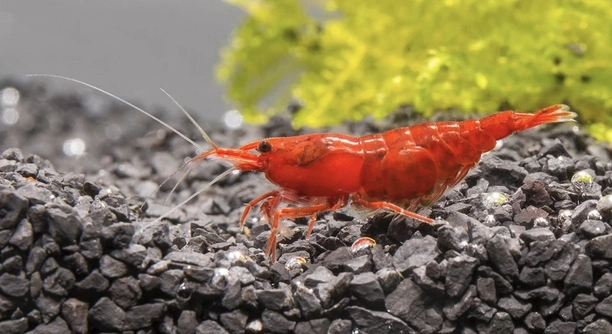
Do you enjoy keeping a small aquarium but find yourself noticing how active your cherry shrimp are? These tiny creatures have delicate behaviors, and understanding their environment can help them thrive. Creating the right habitat is important for their well-being.
Cherry shrimp benefit significantly from having hiding spots in their tanks. Providing shelters reduces stress, supports molting, and encourages natural behaviors. Hiding places also protect them from potential aggression, making it essential for their overall health and population stability.
Knowing the right types of shelters and where to place them can greatly improve your shrimp’s comfort and safety. These details ensure a thriving and balanced aquarium environment.
Why Hiding Spots Matter for Cherry Shrimp
Cherry shrimp are small, delicate creatures that rely on their environment to feel safe. Without hiding spots, they can become stressed, which may lead to poor health or even death. Stress affects their feeding habits and reduces their willingness to explore the tank. Hiding spots also provide protection during molting, a vulnerable time when their shells are soft. Shrimp are naturally timid, and giving them spaces to retreat allows them to behave naturally. Plants, moss, and small ornaments can serve as excellent shelters. These elements not only offer security but also enhance the tank’s overall aesthetic. By observing your shrimp, you can see how often they use these spots and adjust the tank layout accordingly. Hiding spots reduce conflicts with other tank mates and create a more balanced environment. Providing multiple types of shelters ensures all shrimp, regardless of size, have access to safe spaces.
Proper hiding spots contribute to shrimp survival and reduce stress effectively, supporting healthier, active shrimp in your tank.
Choosing the right hiding spots depends on your tank size, water flow, and lighting. Natural materials like driftwood or live plants mimic their habitat, while small caves or ceramic tubes provide secure retreats. Position shelters near feeding areas but also in quieter zones, allowing shy shrimp to feel protected. Avoid overcrowding the tank with too many decorations, which can limit swimming space. Monitor shrimp behavior to determine if additional hiding spots are necessary, especially for juveniles or newly introduced shrimp. Over time, you’ll notice improved activity, healthier molting cycles, and reduced aggression among tank mates. Consistent maintenance of shelters, including cleaning and plant care, ensures they remain effective. Adjusting the tank layout periodically keeps the environment stimulating while maintaining safety.
Types of Hiding Spots to Use
Shrimp prefer shelters that mimic their natural environment. Plants, moss, and driftwood work well in most tanks.
Soft plants like java moss or fern provide gentle cover for tiny shrimp. Hardscape options, such as small caves, ceramic tubes, or hollow ornaments, give more structured spaces for retreat. Driftwood and rocks add natural hiding zones while supporting biofilm growth, which shrimp feed on. Placement matters; spreading hiding spots evenly encourages exploration and reduces competition. Shrimp benefit from layered shelters, combining open swimming areas with dense cover. Even floating plants create shaded zones that help shy shrimp feel secure. Avoid sharp edges or overly small spaces that could trap or injure them. Observing shrimp behavior helps determine which hiding spots are most effective. Rotating or rearranging shelters periodically can refresh the environment while maintaining safety. A well-planned mix of plant, wood, and ceramic options ensures all shrimp have access to suitable retreats and encourages natural activity.
How to Place Hiding Spots
Hiding spots should be spread evenly throughout the tank. Avoid clustering all shelters in one corner. Place some near the substrate and others in mid-level or shaded areas for variety and comfort.
Strategically placing hiding spots helps reduce stress among shrimp. Juveniles often prefer dense areas close to the substrate, while adults explore higher levels but still need retreat zones. Positioning shelters near feeding zones encourages natural foraging without exposing shrimp to danger. Combining plants, moss, and hardscape elements ensures every shrimp has access to at least one safe area. Avoid blocking swimming paths, and make sure water flow reaches all corners to maintain water quality around these retreats. Proper placement balances safety and accessibility.
Observing shrimp behavior after adding shelters is key. If they consistently avoid certain areas, adjust the layout to make them more inviting. Some shrimp prefer tight spaces, others wider openings. Lighting also affects comfort; shaded or dim spots are often used more. Rearranging occasionally keeps the environment stimulating and prevents territorial disputes. Maintaining clean shelters prevents debris buildup and supports healthy biofilm growth. A thoughtfully arranged tank improves shrimp activity, encourages natural behavior, and strengthens overall health.
Materials Suitable for Hiding Spots
Cherry shrimp thrive in shelters made from natural or smooth materials. Driftwood, moss, and soft plants are ideal.
Hardscape options like ceramic tubes, caves, and smooth rocks complement natural covers. Driftwood adds structure and promotes beneficial biofilm. Mosses, such as java moss, attach to wood or rocks, creating soft retreats and food sources. Smooth stones and hollow ornaments provide safe, structured spaces for shrimp to retreat. Avoid sharp edges or materials that could leach chemicals, as these harm delicate shrimp. Layering materials allows shrimp to choose preferred hiding types. Combining plant and hardscape elements encourages natural movement, feeding, and exploration. A balanced mix of materials supports healthy behavior and reduces stress.
Common Mistakes with Hiding Spots
Overcrowding the tank with too many shelters can limit swimming space. This makes shrimp feel confined and can increase stress.
Placing hiding spots only in one area prevents shrimp from feeling secure throughout the tank. Variety and balance are important for their comfort.
Maintaining Hiding Spots
Hiding spots need regular cleaning to prevent algae and debris buildup. Moss should be trimmed, and decorations rinsed gently to avoid disturbing shrimp. Avoid harsh chemicals, as they can harm sensitive shrimp. Well-maintained shelters ensure shrimp continue to use them for safety, molting, and foraging.
Observing Shrimp Behavior
Pay attention to how shrimp use their shelters. Frequent hiding may indicate stress, while balanced use shows comfort.
FAQ
Do cherry shrimp need hiding spots at all times?
Yes, cherry shrimp benefit from having hiding spots at all times. These areas provide security, reduce stress, and support natural behaviors like molting. Even in a peaceful tank, having safe retreats helps shrimp feel comfortable and encourages them to explore more confidently.
What types of plants work best as hiding spots?
Soft plants like java moss, java fern, and moss balls are excellent choices. They create gentle cover for small shrimp and encourage biofilm growth, which serves as a natural food source. Dense foliage near the substrate is especially useful for juvenile shrimp.
Are artificial shelters safe for shrimp?
Yes, ceramic tubes, small caves, and smooth ornaments are safe if they are free from sharp edges or toxic materials. Ensure they are thoroughly rinsed before adding to the tank. Combining these with natural plants gives shrimp variety in their hiding options.
How many hiding spots should I provide?
There is no exact number, but aim for multiple shelters per shrimp. Spread them across the tank to ensure everyone has access. Vary the type and placement to accommodate different shrimp preferences, and avoid overcrowding the tank.
Do hiding spots affect shrimp breeding?
Hiding spots are beneficial for breeding. Shrimp feel safer during molting, which is when they are most vulnerable. Females also use sheltered areas to release and protect eggs. Providing ample hiding spaces increases survival rates of juveniles.
Can shrimp hide too much?
Some hiding is natural, but excessive hiding can indicate stress. Monitor water quality, tank mates, and hiding spot placement if shrimp rarely emerge. Adjusting the environment often improves their comfort and encourages normal activity.
Should hiding spots be cleaned regularly?
Yes, cleaning is important. Rinse decorations and trim moss gently to prevent debris buildup. Avoid chemicals that can harm shrimp. Regular maintenance keeps shelters effective for hiding, feeding, and molting while maintaining water quality.
Do all shrimp use hiding spots the same way?
No, behavior varies by age and personality. Juveniles often prefer dense, low-level cover, while adults explore higher areas but still retreat when stressed. Observing patterns helps identify which areas are most important to adjust placement effectively.
Can hiding spots reduce aggression in mixed tanks?
Yes, shelters help minimize conflicts by giving shrimp a place to retreat from more aggressive tank mates. Proper distribution ensures that shy or smaller shrimp have safe zones, which reduces stress and potential injuries.
Are floating plants useful for hiding spots?
Floating plants create shaded zones, providing additional comfort and security. They reduce light intensity in certain areas and offer soft cover for shrimp, especially for juveniles or newly introduced individuals.
Do hiding spots influence feeding habits?
Hiding spots encourage shrimp to explore and forage naturally. Placing shelters near feeding areas allows them to access food safely while maintaining protection. This helps reduce stress during feeding and supports healthier growth.
Can I rearrange hiding spots frequently?
Yes, occasional rearrangement keeps the environment stimulating and reduces territorial disputes. Ensure changes are gradual to avoid shocking shrimp. Observing how they adjust helps identify preferred locations for long-term placement.
Is it necessary to provide different types of hiding spots?
Yes, combining plants, moss, and hardscape elements gives shrimp options based on their mood and life stage. This variety encourages natural behavior, reduces stress, and supports overall health.
Do hiding spots need light exposure?
Indirect or low light is ideal. Too much direct light may deter shy shrimp from using shelters. Floating plants or shaded areas near decorations balance light levels and create comfortable retreats.
Can hiding spots prevent shrimp from escaping?
While not a direct solution for escapes, well-placed shelters keep shrimp occupied and comfortable inside the tank. Reducing stress and providing cover decreases the likelihood of attempts to escape through tank openings.
How do I know if hiding spots are effective?
Shrimp will use shelters naturally during molting, feeding, and resting. Balanced activity across the tank indicates comfort. If shrimp avoid certain areas, reassess placement, type, or the density of hiding spots to ensure they feel safe.
Do shrimp prefer natural over artificial hiding spots?
Preferences vary. Many shrimp favor natural plants for grazing and cover, but ceramic tubes and smooth ornaments provide secure retreats. Offering both ensures all shrimp have suitable options, increasing their overall comfort.
Should hiding spots be adjusted for tank size?
Yes, larger tanks need more shelters spread evenly, while smaller tanks require fewer but strategically placed options. Adjusting placement ensures all shrimp can access safe areas without overcrowding or limiting swimming space.
Can hiding spots impact water flow?
Yes, densely packed areas may alter flow. Ensure water reaches all shelters to prevent stagnant zones and maintain water quality. Combining open swimming spaces with dense cover balances flow and comfort.
Do hiding spots help with molting problems?
Yes, they reduce stress during molting and prevent shrimp from being exposed to aggression. Safe shelters support successful molting, which is crucial for growth and survival.
Are moss-covered decorations better than bare ones?
Moss adds soft cover and biofilm for feeding. Bare decorations provide structured retreats. A mix ensures shrimp have both grazing opportunities and secure hideaways, supporting natural behaviors and overall health.
How often should I check hiding spot placement?
Regular observation is key. Adjust placement if shrimp avoid certain areas or show stress. Seasonal plant growth or new tank mates may require repositioning shelters to maintain comfort and safety.
Can hiding spots influence shrimp coloration?
Indirectly, yes. Reduced stress and safe environments support better health, which can enhance natural coloration. Comfortable shrimp are more active, feeding regularly, and showing brighter colors.
Do shrimp need hiding spots in planted tanks?
Even in heavily planted tanks, additional shelters like caves or tubes are helpful. Dense plants may not provide enough protection for molting shrimp or juveniles. Variety in shelter types ensures all shrimp feel secure.
Are there materials to avoid for hiding spots?
Avoid sharp-edged decorations, chemically treated wood, or metals that can leach toxins. Only use smooth, safe, and aquarium-approved materials to prevent injury or water contamination.
Can I create DIY hiding spots?
Yes, small PVC pipes, coconut shells, and natural wood pieces can serve as effective DIY shelters. Ensure they are safe, smooth, and rinsed thoroughly before placing in the tank.
Do hiding spots need to be permanent?
Not necessarily. Seasonal rearrangements or temporary additions can refresh the environment. However, sudden changes should be minimal to avoid stressing shrimp. Stable shelter locations generally increase comfort.
How do hiding spots affect shrimp growth?
Safe retreats reduce stress and support natural feeding and molting behaviors, which directly influence growth. Providing adequate hiding spaces improves survival rates and ensures shrimp reach full size.
Can hiding spots prevent disease?
Indirectly, yes. Less stress and safer environments reduce susceptibility to infections. Clean, well-maintained shelters prevent debris accumulation and promote healthier water conditions, supporting overall shrimp health.
Are there any signs that hiding spots are ineffective?
Shrimp hiding constantly, avoiding food, or showing molting problems may indicate shelters are inadequate. Assess placement, type, and tank conditions to improve effectiveness and ensure shrimp safety.
Do baby shrimp need different hiding spots than adults?
Yes, juveniles need denser, smaller spaces near the substrate. Adults prefer open or elevated shelters. Providing options for all life stages supports growth, survival, and natural behavior.
Can hiding spots help acclimate new shrimp?
Absolutely. Newly introduced shrimp benefit from immediate access to safe areas. Shelters reduce stress, encourage exploration, and help them adapt to the tank environment more quickly.
Should hiding spots be used in community tanks?
Yes, shelters reduce stress from other fish or more aggressive shrimp species. Balanced placement ensures all shrimp can access safe retreats, reducing conflicts and supporting a harmonious tank environment.
Do shrimp ever ignore hiding spots completely?
Occasionally, if the environment feels secure, shrimp may spend more time in open areas. However, hiding spots should still be available, as stress or molting can occur unexpectedly.
How can I test if hiding spots are sufficient?
Observe shrimp behavior over several days. Frequent retreat use during molting and feeding indicates sufficiency. If certain shrimp are excluded, add or rearrange shelters to ensure coverage for all.
Do hiding spots affect feeding competition?
Yes, shelters reduce aggressive encounters during feeding. Shy shrimp can retreat and access food safely, leading to more equitable distribution and healthier growth.
Are there seasonal considerations for hiding spots?
Plant growth, lighting, and tank temperature may affect shelter use. Adjust placement or add temporary cover during periods of increased activity or stress to maintain security.
Can hiding spots improve shrimp lifespan?
Indirectly, yes. Reduced stress, protection during molting, and safe feeding opportunities contribute to healthier shrimp, which supports longer lifespans and better reproduction rates.
Is it necessary to rotate hiding spots regularly?
Rotation is optional but can stimulate activity. Occasional changes prevent territorial disputes and encourage shrimp to explore, while maintaining stable safe zones for comfort and security.
Do shrimp prefer natural lighting around hiding spots?
Indirect or diffused light is preferable. Bright direct light may deter shy shrimp, while shaded areas from floating plants or overhangs encourage retreat use and comfort.
Can overcrowding affect hiding spot use?
Yes, too many shrimp per tank can make shelters insufficient. Ensure enough spaces for all individuals to reduce stress, aggression, and molting issues, maintaining a balanced environment.
Do hiding spots affect shrimp behavior long-term?
Consistent availability of safe shelters promotes natural activity, healthier molting, reduced aggression, and better overall health, creating a stable, thriving tank environment for years.
Providing hiding spots for cherry shrimp is essential for their overall well-being. Shrimp are small and naturally timid creatures that rely on safe spaces to feel secure. These shelters allow them to retreat during stressful situations, such as molting or when tank mates become aggressive. Without hiding spots, shrimp can experience elevated stress levels, which may affect feeding habits, growth, and overall health. Stress can weaken their immune system, making them more prone to disease or even premature death. By creating a tank environment with multiple hiding spots, you ensure that all shrimp have access to safe retreats. Different types of shelters, such as soft plants, moss, driftwood, and ceramic tubes, provide variety and accommodate different shrimp preferences. Younger shrimp often prefer dense cover near the substrate, while adults may explore higher levels but still need places to retreat. Ensuring these safe zones are distributed evenly across the tank allows shrimp to move freely while maintaining access to protection when needed.
The placement and maintenance of hiding spots are just as important as their existence. Shelters should be strategically positioned to balance accessibility and security. Placing them near feeding areas encourages shrimp to forage without feeling exposed. Dense areas near the substrate support juvenile shrimp, while elevated or shaded spots appeal to adults. Overcrowding the tank with too many shelters can limit swimming space, so a balance is necessary. Regular observation of shrimp behavior helps determine if additional hiding spots are required or if current placements need adjustment. Cleaning and trimming moss, rinsing decorations, and removing debris help maintain healthy shelters and prevent algae buildup. Well-maintained hiding spots support molting, feeding, and natural behaviors, which are critical for healthy shrimp development. Over time, monitoring shrimp activity and adjusting shelter arrangements ensures that all individuals remain comfortable and secure within the tank.
Hiding spots also have long-term benefits for shrimp populations and tank dynamics. By providing secure retreats, aggression between tank mates is reduced, and shy or smaller shrimp have equal access to food and shelter. This supports better growth, healthier molting cycles, and improved survival rates, particularly for juveniles. Safe hiding areas also indirectly improve shrimp coloration and activity, as stress reduction promotes normal behavior and feeding. Both natural and artificial shelters play important roles, offering varied environments that mimic aspects of the shrimp’s natural habitat. Over time, a thoughtfully arranged tank with clean, well-placed hiding spots encourages exploration, supports social interactions, and strengthens overall health. Hiding spots are not just decorative elements but essential features that enhance the quality of life for cherry shrimp, helping them thrive in a controlled environment while maintaining natural behaviors and safety.

Hello,
If you enjoy the content that we create, please consider saying a "Thank You!" by leaving a tip.
Every little bit helps us continue crafting quality advice that supports the health, happiness, and well-being of pets around the world, for pets of all shapes, sizes, and species.
We really appreciate the kindness and support that you show us!