
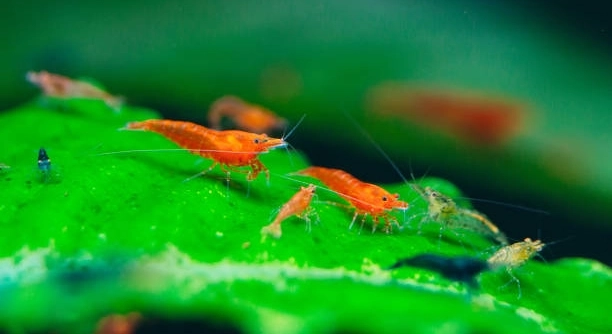
Have you ever noticed how your shrimp seem endlessly drawn to the filter intake in their tank, creating small clusters around the gentle pull of water that keeps their environment clean and stable every day.
Shrimp gather near filter intakes because the flowing water delivers oxygen, suspended food particles, and a consistent current that supports their grazing behavior, allowing them to feed efficiently while remaining in a comfortable zone that feels secure within their surroundings.
Their quiet fascination with this small space reveals subtle needs in their daily routine, offering insight into healthier tank management.
Understanding Their Attraction
Shrimp often gather near filter intakes because this small area offers steady water movement that feels comfortable and supportive. The gentle pull creates a space where oxygen remains stable helping them stay active and calm. Many shrimp also rely on drifting particles that become trapped in the current giving them a constant source of food without much effort. This pattern becomes part of their routine as they learn to associate the intake with safety and nourishment. The surrounding surfaces also collect biofilm giving them an easy grazing spot when they feel like picking at something. Over time this place becomes a familiar corner where they can rest while still having access to everything they need. Even shy shrimp feel more secure when the water movement remains consistent allowing them to adjust gradually to changes. This simple behavior reflects their natural instincts showing how they respond to structure comfort and activity.
These small habits show how shrimp use predictable movement and steady flow to support their daily patterns. The filter intake becomes a place where comfort food and calm activity remain within reach creating an easy balance that helps them feel secure in their environment every single day as they explore.
Understanding this behavior makes it easier to support a healthier setup for your shrimp. When you recognize the role of water flow, oxygen, and floating particles, you can fine tune their environment to match what they enjoy most. Adjusting intake guards, arranging plants, and adding gentle structures can create a safer and more comfortable space. These changes help maintain stable conditions while still allowing natural behaviors to flourish. By making thoughtful adjustments, you encourage activity without overwhelming them. Simple decisions about placement and flow often make a significant difference, giving your shrimp a space that feels steady and familiar always.
Supporting Better Tank Conditions
Good tank conditions rely on steady flow, balanced filtration, and clean surfaces that support shrimp activity. By monitoring water movement and preventing strong suction, you create a safer environment that protects your shrimp while maintaining the features they naturally seek in their daily routine within their small aquatic living space.
Creating a balanced environment for shrimp begins with understanding how water flow shapes their comfort and activity levels. A gentle current supports their natural habits while preventing stress that can arise from excessive movement. By choosing an intake guard that reduces strong pull, you give them space to explore without risk. Plants, rocks, and natural textures offer resting areas where they can graze or retreat when needed. These additions also help break up strong currents, keeping the tank calm and steady. Regular maintenance, such as clearing debris from intakes and checking equipment, ensures the system continues to function smoothly. Consistent filtration keeps oxygen levels stable, allowing shrimp to remain active throughout the day. Feeding practices matter as well, since tiny particles drifting in the flow become a steady source of nourishment. When food is placed near areas with gentle movement, shrimp can forage with ease and avoid unnecessary stress. Careful placement of decorations allows them to form small territories without overcrowding. Each thoughtful adjustment contributes to a space that feels predictable and supportive. Over time, these elements create a stable environment that honors their natural instincts while giving them a safe place to thrive within your tank every single day.
Continue the article with the following outline and format. Do not write an intro for each header, get straight to the point. Do not use a greeting. Make it feel slightly personal. Write in a simplistic style. Do not greet the reader.; Outline and Format: ; Header: xxxxxxxxxxxxxxxxxxx; 50 words paragraph; 100 words paragraph; 100 words paragraph; Header: xxxxxxxxxxxxxxxxxxx; 75 words paragraph; 125 words paragraph; Note: Skip the intro, get straight to the point. The rest of the headers will be provided later, so do not write them yet. Skip the conclusion, and recap. Respect the given word count for every paragraph.
xxxxxxxxxxxxxxxxxxx
Keeping shrimp comfortable near filter areas involves maintaining steady flow without creating stressful movement. Adjusting intake covers helps reduce risk while supporting their natural habits. Small changes like adding gentle structures or guiding currents can create safe zones that still allow them to enjoy steady movement within the tank day.
Flow control matters because shrimp depend on predictable movement to stay active and calm. When water shifts smoothly they adjust easily and continue grazing without stress. Creating balanced flow patterns supports their natural routines and helps them settle into comfortable spaces that feel familiar stable and supportive throughout their activity.
xxxxxxxxxxxxxxxxxxx
Shrimp respond strongly to surfaces around filter intakes because these areas gather fine particles they enjoy grazing on. Biofilm grows quickly in places touched by gentle movement making them attractive feeding spots. When shrimp discover these surfaces they establish small patterns using them throughout the day. Consistent grazing reduces stress and keeps activity steady. Maintaining clean yet lightly textured structures encourages healthy behavior without overwhelming them. Soft sponges mesh guards and porous decorations create ideal places for biofilm growth. These additions help shrimp feel secure while supporting their natural feeding habits by giving them easy access to drifting particles nearby.
xxxxxxxxxxxxxxxxxxx
Stable filtration gives shrimp a predictable environment that keeps them calm and active. Consistent movement allows them to graze comfortably and explore without stress. When conditions stay balanced they maintain natural routines and settle into familiar spaces that support healthy behavior throughout their day in a gentle steady flow setting.
FAQ
Why do shrimp stay close to the filter intake?
Shrimp stay close to the filter intake because the steady movement creates a comfortable space with stable oxygen and drifting particles they can graze on throughout the day. The smooth pull of water keeps them active without overwhelming them. When the flow remains predictable they settle into small routines built around these areas. The intake also collects light debris and microfauna that become natural food sources. Over time shrimp recognize this zone as a safe and steady place where they can rest, forage, and explore without stress. This quiet behavior reflects simple instincts supported by gentle and consistent movement.
Is it safe for shrimp to linger around the filter intake?
It can be safe as long as the intake is properly covered. Shrimp are small and delicate, so an uncovered or overly strong intake can trap or injure them. Using a sponge cover or mesh guard gives them protection while still allowing them to enjoy the steady movement they like. A covered intake also provides more surface area for biofilm which becomes another small food source. When the pull is gentle and the area remains accessible they can graze freely without risk. Keeping the intake safe supports their routine and reduces potential stress.
Why do shrimp graze on the sponge filter so often?
Shrimp graze on sponge filters because the porous surface traps biofilm, tiny particles, and microorganisms they enjoy eating. These surfaces stay productive due to the constant flow bringing nutrients that help biofilm grow steadily. Shrimp return to these spots repeatedly because they learn that food is always available in small amounts. The sponge also offers a secure texture that feels comfortable for them to pick at. When the flow remains soft they can feed without interruption. This constant access helps them stay active and reduces competition within the tank.
How can I make the filter intake area safer for my shrimp?
You can make the intake area safer by using a sponge cover, mesh guard, or protective pre filter. These additions reduce suction and give shrimp a stable surface to explore. Positioning plants or gentle decorations near the intake helps break up the flow and gives them resting spots. Regular cleaning prevents buildup that can increase suction strength. Choosing equipment with adjustable settings allows you to fine tune the pull until it feels gentle and predictable. Each of these steps keeps your shrimp safe while still letting them enjoy the movement they prefer.
Do shrimp rely on water flow to regulate their behavior?
Shrimp rely on stable water flow to support movement, feeding, and social patterns. A gentle current guides small particles toward them which encourages steady grazing. The flow keeps oxygen distributed evenly helping them stay active. When the flow changes abruptly they may hide or become restless. Balanced movement helps them maintain calm daily routines. It also supports molting by keeping water clean and stable. When conditions stay smooth they respond with consistent behavior that matches their natural habits.
Why do shrimp seem more active near water movement?
Shrimp become more active near water movement because it stimulates feeding and exploration. The drifting particles give them something to pick at while the oxygen rich flow keeps them energetic. The current resembles natural habitats where movement guides food toward them. Activity levels rise as they discover new surfaces touched by flow which often contain biofilm they can graze on. When the movement is soft they move freely without strain. This combination of food access and comfort encourages steady activity in a calm predictable setting.
How can I encourage natural shrimp behavior without overwhelming them?
You can encourage natural behavior by creating gentle movement patterns and offering safe surfaces near the flow. Using plants, rocks, or soft decorations helps shape calm currents. A sponge filter or covered intake adds surfaces for grazing while keeping them secure. Feeding small amounts near flowing water gives them familiar foraging opportunities. Regular cleaning ensures consistent performance. These simple steps help them feel comfortable while exploring and feeding naturally each day.
Final Thoughts
Understanding why shrimp gather near filter intakes becomes easier when you look at how strongly they rely on steady movement, clean water, and small sources of food. Their behavior may seem repetitive, yet it follows simple needs that shape their daily activity. Flow provides comfort, structure, and support, guiding the particles they feed on and giving them a place that feels predictable. When the tank offers stable movement they respond with calm routines that reflect their natural instincts. These patterns form gradually, shaped by how they adjust to the surfaces, textures, and flow around them. The filter intake becomes a familiar place because it combines everything they need in one steady area. As long as the pull remains gentle they move with ease and establish a comfortable rhythm within the tank.
Keeping shrimp safe while allowing them to enjoy these areas calls for balanced maintenance. A sponge cover or mesh guard can create a soft and textured surface that supports feeding without allowing strong suction. Plants and decorations can help break up the flow and give them places to rest. Clean equipment ensures smooth movement, preventing small fluctuations that could cause stress. Providing gentle currents encourages them to graze more frequently, supporting their natural habits. When you maintain these simple conditions, shrimp remain active, stable, and comfortable both during feeding and rest. Their behavior becomes more consistent because they know what to expect from their surroundings. This sense of familiarity reduces stress and helps them settle into patterns that match their needs.
Caring for shrimp becomes easier when you understand how their behavior connects to the conditions around them. A stable flow, safe surfaces, and predictable movement create an environment where they can explore and graze without difficulty. Small adjustments add comfort and protection while keeping their daily routines untouched. You can shape a space that feels calm and balanced, allowing them to remain active without overwhelming them. Each thoughtful decision supports the quiet patterns that define their behavior. By keeping the setup simple and steady, you offer them a place where routine becomes security and gentle flow becomes comfort. Over time these conditions create a stable environment where your shrimp can thrive, adjust, and live with ease in the small world you have shaped around them.

Hello,
If you enjoy the content that we create, please consider saying a "Thank You!" by leaving a tip.
Every little bit helps us continue crafting quality advice that supports the health, happiness, and well-being of pets around the world, for pets of all shapes, sizes, and species.
We really appreciate the kindness and support that you show us!