
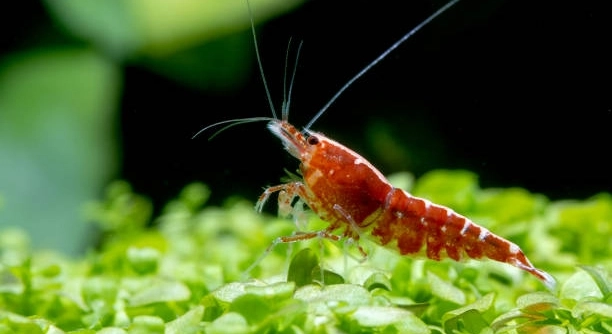
Have you ever noticed your shrimp slowing down without any clear reason, creating moments of concern as you try to maintain a gentle comfortable habitat that keeps them calm and supported throughout their daily routine.
Shrimp activity often drops due to sudden shifts in water parameters or environmental changes that disrupt their balance. These factors can diminish oxygen uptake, slow metabolic processes, and impair normal movement, leading to noticeable reductions in activity without prior warning.
These shifts can appear unexpectedly, encouraging you to explore patterns that help you maintain a stable and reassuring calm environment.
Sudden Changes in Water Quality
Shrimp respond quickly to shifts in their environment, and sudden changes in water quality can lower their activity without warning. When parameters drift, shrimp may retreat to calmer areas, reduce movement, or pause normal behavior as they adjust. Ammonia spikes, nitrate buildup, or unexpected changes in pH can create an uncomfortable setting that affects how confidently they move. Stable water conditions help them feel secure, so any imbalance can disrupt their routine. By keeping a steady maintenance schedule, you can reduce these fluctuations and support their comfort. Careful testing gives you early signs of change, helping you address concerns before they influence behavior.
Frequent monitoring helps you stay ahead of these shifts and ensures your shrimp remain active, steady, and comfortable.
Consistent upkeep creates a dependable environment that keeps your shrimp relaxed. Regular water changes, filter checks, and controlled feeding prevent sudden changes from escalating. With routine care, you give your shrimp the conditions they need to stay lively.
Low Oxygen Levels
Shrimp can become still when oxygen levels drop, making them rely on slower movements as they try to conserve energy in their habitat.
Low oxygen affects their comfort by limiting how easily they breathe, especially during warm periods or when the tank has limited surface movement. Poor circulation or overcrowding can also reduce oxygen, leading shrimp to gather near the surface or rest more often. You can support their comfort by improving water flow, maintaining clean filters, and adding gentle aeration when needed. Paying attention to plant growth and removing decaying matter can also help prevent oxygen decline. With these steps, you create a supportive space that allows your shrimp to remain active and calm throughout the day.
Sudden Temperature Fluctuations
Shrimp slow down when temperatures shift too quickly, making them adjust their movements to cope with the discomfort. These quick changes can stress their system and influence how confidently they explore their space.
Stable temperatures help shrimp stay active, and abrupt changes can interrupt their routine. When the water cools too fast, their metabolism slows, making them move less and seek calmer spots. Rapid warming can also cause stress, especially if paired with low oxygen. Using a reliable heater, checking for drafts, and avoiding sudden water changes with mismatched temperatures keeps conditions steady. By maintaining gentle consistency, you offer your shrimp a balanced space that supports smooth daily behavior.
Keeping an eye on temperature patterns helps you act early when something feels off. Slow adjustments during maintenance and protective placement of the aquarium reduce risks. Small habits like testing replacement water and monitoring equipment allow your shrimp to remain comfortable and active.
Strong Water Flow
Shrimp can become hesitant when exposed to strong water flow, leading them to cling to surfaces or stay in sheltered areas. Excessive movement in the tank pushes them to conserve energy instead of exploring freely, affecting their natural comfort.
Too much flow makes shrimp work harder to stay in place, especially smaller or younger ones that tire easily. Filters that create forceful currents or poorly positioned outlets can make their environment stressful. Adjusting the flow by redirecting nozzles, using pre-filters, or adding decorations for shelter can ease the pressure. When the water moves gently, shrimp can roam more confidently and return to their natural rhythm.
Creating calmer sections in the tank supports their well-being. Balancing filtration with soft circulation gives them enough movement for oxygen exchange without overwhelming them. By shaping the environment to match their comfort, you encourage steady activity and a more relaxed presence throughout their habitat.
Continue the article with the following outline and format. Do not write an intro for each header, get straight to the point. Do not use a greeting. Make it feel slightly personal. Write in a simplistic style. Do not greet the reader.; Outline and Format: ; Header: xxxxxxxxxxxxxxxxxxx; 50 words paragraph; 50 words paragraph; Header: xxxxxxxxxxxxxxxxxxx; 100 words paragraph; Header: xxxxxxxxxxxxxxxxxxx; 50 words paragraph; Note: Skip the intro, get straight to the point. The rest of the headers will be provided later, so do not write them yet. Skip the conclusion, and recap. Respect the given word count for every paragraph.
FAQ
Why do my shrimp suddenly stop moving?
Shrimp often stop moving due to environmental changes. Sudden shifts in temperature, water quality, or oxygen levels can slow their metabolism. They may retreat to corners or cling to surfaces until conditions feel stable. Even small disturbances, like a brief change in water flow, can make them pause. Regular monitoring and gradual adjustments help shrimp stay comfortable and active.
How can I tell if water quality is affecting my shrimp?
Check ammonia, nitrite, and nitrate levels regularly. High readings make shrimp lethargic and reduce activity. Other signs include hiding more than usual, pale coloring, or resting at the bottom. Maintaining stable pH, consistent water changes, and avoiding overfeeding are crucial. A steady testing schedule keeps the environment predictable.
Can temperature changes cause shrimp inactivity?
Yes. Sudden temperature swings stress shrimp and slow their movements. Rapid cooling lowers metabolism, while quick warming increases oxygen demand. Using a reliable heater, avoiding cold drafts, and gradually adjusting water during changes keeps their behavior stable. Observing their normal activity patterns helps detect issues early.
Does oxygen level impact shrimp activity?
Low oxygen makes shrimp move less and gather near the surface. Poor circulation, overcrowding, and decaying plant matter reduce oxygen. Gentle aeration, proper filtration, and removing debris improve comfort. Ensuring good oxygen exchange keeps shrimp active and reduces sudden inactivity episodes.
Could feeding routines affect shrimp behavior?
Yes, inconsistent feeding can cause shrimp to slow down or hide. Overfeeding leads to waste buildup, while long gaps leave them hungry and less energetic. Small, regular meals support steady activity. Observing how shrimp respond after feeding helps adjust portions and timing effectively.
How does tank overcrowding influence shrimp activity?
Too many shrimp or other tank inhabitants increase stress and limit movement. Overcrowding reduces hiding spots and creates competition for resources, causing shrimp to slow down. Providing sufficient space, adding cover like plants or decorations, and avoiding overpopulation keeps shrimp calm and active.
What role does waste buildup play in shrimp inactivity?
Accumulated waste affects water quality and makes shrimp sluggish. Uneaten food, decaying plants, and excess excrement release toxins. Regular cleaning, siphoning debris, and balancing feeding help maintain a healthier habitat. Shrimp remain lively when the tank is clean and stable.
Can strong water flow affect shrimp behavior?
Excessive current forces shrimp to expend energy just to stay in place. They may cling to surfaces or hide more often. Redirecting filter outlets, adding decorations for shelter, and creating calm zones reduce stress. Gentle water movement supports both oxygen exchange and natural activity patterns.
Is it normal for shrimp to have quiet periods?
Yes, shrimp naturally have slower periods, especially after molting or during rest. Short inactive phases are normal if water quality, temperature, and oxygen levels are stable. Noticing patterns over time helps distinguish normal rest from stress-related inactivity.
How can I encourage shrimp to be more active?
Provide consistent water quality, moderate flow, and stable temperature. Offer appropriate feeding schedules and ensure enough space with hiding spots. Removing decaying matter and maintaining oxygen levels supports healthy movement. Gradual adjustments rather than abrupt changes keep shrimp calm and engaged.
What signs indicate serious stress in shrimp?
Persistent lethargy, faded color, staying at the bottom, or abnormal swimming can signal stress. Rapid molting failures or deaths are extreme warnings. Regular observation, stable maintenance, and prompt corrective actions are essential to prevent long-term issues.
Can tank decorations influence shrimp activity?
Yes, decorations create shelter and reduce stress. Plants, rocks, and hiding spots give shrimp confidence to explore. Sparse or overcrowded setups can limit movement. Arranging the tank thoughtfully encourages natural behaviors and steady activity.
How often should I test water parameters for shrimp?
Testing at least once a week is recommended. Frequent checks during temperature changes, new setups, or after heavy feeding help detect problems early. Consistent monitoring ensures stable conditions, preventing sudden drops in activity and supporting overall shrimp health.
Do shrimp respond to light changes?
Shrimp activity often decreases during sudden light intensity shifts. Gradual lighting adjustments, natural day-night cycles, and shaded areas help them remain comfortable. Sudden brightness can cause hiding or reduced movement until they adjust.
Can molting affect shrimp activity?
Yes, shrimp slow down before and during molting. They may hide more to protect themselves while their new exoskeleton forms. Providing safe spaces and avoiding disturbances during this time supports recovery and reduces stress-related inactivity.
What should I do if multiple shrimp stop moving at once?
Simultaneous inactivity often indicates a serious environmental issue, such as low oxygen, temperature shock, or toxic buildup. Check water parameters immediately, observe tank conditions, and address any rapid changes. Acting quickly can prevent further stress or fatalities.
How does age affect shrimp activity?
Younger shrimp are generally more active, while older shrimp may slow naturally. Activity levels can vary by species and life stage. Monitoring patterns allows you to distinguish normal aging from stress-induced lethargy.
Is sudden inactivity always a sign of illness?
Not always. Environmental factors, molting, or temporary rest can reduce movement without indicating disease. Observing other signs like discoloration, unusual swimming, or lack of appetite helps determine if medical attention is needed.
Can water additives or medications influence shrimp behavior?
Yes, certain treatments can temporarily reduce activity. Always follow dosage instructions and monitor shrimp closely. Sudden inactivity during medication can be normal if water quality remains stable, but prolonged effects require further investigation.
How do I create a consistently active environment for shrimp?
Stable water parameters, gentle flow, proper feeding, adequate space, and secure hiding spots all support activity. Regular cleaning, gradual changes, and monitoring oxygen levels ensure shrimp remain comfortable. Predictable care reduces stress and keeps shrimp moving confidently throughout their habitat.
How long does it take for shrimp to recover from stress?
Recovery depends on the cause and tank conditions. Minor stress may resolve in hours, while issues like low oxygen or water parameter swings may take days. Providing a stable, clean, and calm environment speeds recovery and encourages normal activity.
Can tank mates affect shrimp activity?
Aggressive or fast-moving species can scare shrimp into hiding, reducing movement. Choosing compatible tank mates, providing cover, and spacing decorations helps maintain a calm, active environment. Peaceful companions support natural behavior without causing unnecessary stress.
Are there signs that activity reduction is temporary?
Shrimp resuming normal feeding, moving after dark, or returning to previous spots indicates temporary slowdown. Tracking patterns over days or weeks helps distinguish normal behavior fluctuations from environmental problems.
What small adjustments make the biggest difference for shrimp activity?
Consistent feeding, gradual water changes, stabilizing temperature, and gentle water flow all have significant effects. Even minor improvements in oxygen or hiding spaces can boost confidence and movement. Observing shrimp responses ensures adjustments meet their comfort needs.
How can I prevent sudden inactivity in the future?
Maintain stable water quality, temperature, and oxygen. Avoid overcrowding, overfeeding, or abrupt environmental changes. Careful planning, consistent observation, and slow adjustments create a supportive habitat where shrimp can remain active and healthy long-term.
Shrimp are delicate creatures whose activity can change quickly, often without clear signs. Many factors contribute to sudden drops in movement, from water quality and oxygen levels to temperature fluctuations and overcrowding. Observing shrimp behavior regularly is essential because it helps identify potential issues early. Small changes in the environment, even those that seem minor, can create stress that makes shrimp pause or slow down. By paying attention to how they react to adjustments in feeding, water flow, or tank layout, you can better understand their natural patterns and needs. Consistency in care goes a long way toward supporting a calm and comfortable habitat, allowing shrimp to maintain steady activity and natural behaviors over time. Maintaining a stable routine for feeding, cleaning, and monitoring water parameters reduces stress and builds a more predictable environment, which encourages shrimp to feel safe and confident.
Creating a supportive space for shrimp also means considering both physical and chemical aspects of their habitat. Gentle water movement, sufficient hiding spots, and adequate space are just as important as clean water and stable temperatures. Each of these elements contributes to their sense of security and affects how freely they explore and interact with their surroundings. Overcrowding or strong currents can limit movement and increase stress, while stagnant areas or poor filtration can reduce oxygen and make them less active. By carefully arranging the tank and providing areas of refuge, you give shrimp the ability to regulate their own activity and feel more comfortable in their environment. Paying attention to the balance between open space and shelter, flow and calm areas, and light and shadow ensures that shrimp can engage in natural behaviors while staying safe and healthy.
Finally, small daily habits in tank maintenance have a significant impact on overall shrimp well-being. Regularly testing water parameters, performing gradual water changes, and adjusting feeding schedules all help prevent sudden changes that could trigger inactivity. Observing shrimp for unusual behavior, such as hiding, slow movement, or changes in coloration, can indicate early signs of stress or environmental imbalance. With careful attention, you can address potential problems before they escalate, maintaining a consistent and stable environment. Understanding these patterns and implementing steady care practices allows shrimp to thrive in their tank, keeping them active, healthy, and responsive. Over time, this approach builds a predictable and supportive space that promotes natural behavior, reduces stress, and ensures your shrimp remain comfortable and lively in their habitat.

Hello,
If you enjoy the content that we create, please consider saying a "Thank You!" by leaving a tip.
Every little bit helps us continue crafting quality advice that supports the health, happiness, and well-being of pets around the world, for pets of all shapes, sizes, and species.
We really appreciate the kindness and support that you show us!