
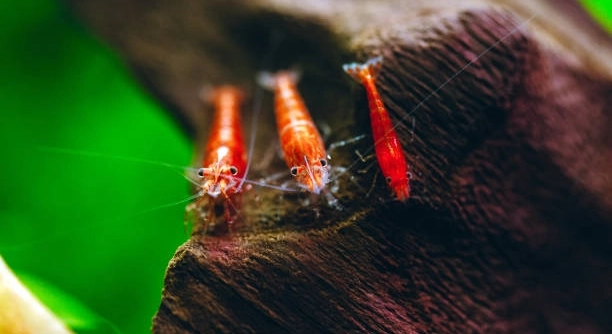
Have you ever paid close attention to how quickly your shrimp grow and noticed that some details seem easy to overlook during their development? This introduction helps set the tone for understanding their growth needs.
Shrimp growth is often misunderstood because many owners overlook environmental stability, feeding consistency, and subtle developmental stages that influence size and health. Recognizing these factors allows for more accurate care, improved growth outcomes, and better understanding of their biological patterns.
Exploring these details offers a path to supporting healthy shrimp development, giving you confidence as you learn about their growth.
Stable Water Conditions Matter
Keeping shrimp in steady and predictable water conditions is essential for proper development, and even small shifts can influence their growth in noticeable ways. Stable parameters help their bodies regulate energy, absorb nutrients, and form stronger shells. Many owners underestimate how much consistency affects their overall size and strength. When water hardness, pH, or temperature fluctuates, shrimp expend extra energy adjusting instead of growing. Clean water supports better digestion, smoother molting, and more reliable breeding results. Monitoring these factors creates an environment where shrimp feel secure, allowing them to grow at a natural pace. Regular checks and careful adjustments prevent sudden stress that can interrupt their growth cycle. Over time, this stability becomes the foundation that helps shrimp reach their healthiest state. Owners who pay close attention to these details often notice steadier growth and clearer signs of well-being in their tanks, making the care routine feel more rewarding.
Maintaining calm and balanced water gives shrimp the support they need to grow without interruptions, helping them stay strong, active, and comfortable in their habitat.
Consistent care helps avoid slowdowns caused by unstable conditions, letting your shrimp develop in a predictable and healthy way. As their environment remains steady, their growth becomes more uniform, making it easier to track changes and understand what they need over time.
Understanding Feeding Patterns
Feeding patterns shape shrimp development by influencing energy use, shell formation, and daily activity, making them a key part of stable and steady growth.
A clear feeding routine supports healthy shrimp by supplying nutrients in a way they can easily use. Overfeeding creates waste that affects water quality, while underfeeding leads to nutritional gaps that slow growth. Balanced meals improve digestion and give shrimp steady access to minerals needed for shell development. Offering a mix of plant-based foods, protein-rich options, and biofilm encourages natural foraging and prevents stress. Younger shrimp rely on frequent, small feedings that match their rapid development, while adults benefit from slightly spaced schedules that maintain strength without overwhelming the tank. Observing how shrimp respond to each feeding helps you refine portion sizes and timing. When food is given consistently and responsibly, their colors become brighter, their movement becomes more active, and their growth rate becomes easier to manage in a clean and stable environment.
Molting Stages Influence Growth
Molting directly affects how quickly shrimp develop, since each shed allows their bodies to expand and strengthen. When molting occurs smoothly, growth continues at a steady pace, but any disruption can slow development or create stress they struggle to recover from.
Healthy molting depends on minerals, stable water, and low stress. Shrimp need calcium and magnesium to build new shells that harden properly. When these elements are lacking, the shell becomes weak, making molts difficult. Clean water reduces the risk of trapped waste that can interfere with the process. Stress from tank mates or unstable conditions often delays molting, which interrupts natural growth patterns. Keeping an eye on shrimp behavior helps identify early signs of molting trouble.
Proper support during each molt allows shrimp to grow at a predictable rate. Soft shells harden best when water parameters stay steady, and enough hiding spaces reduce stress while the new shell forms. Over time, careful monitoring and consistent care help shrimp move through each molt safely, leading to stronger bodies and healthier development.
Genetics Shape Growth Potential
Genetics influence the size and pace of shrimp growth, guiding how quickly individuals mature and how large they ultimately become. Even in ideal care, some shrimp simply grow slower or faster based on inherited traits that shape their physical development.
A shrimp’s lineage determines factors such as shell thickness, growth rate, coloration, and how efficiently nutrients are used. Selective breeding can enhance desirable traits, but it also makes consistency even more important because genetically refined shrimp are more sensitive to poor conditions. Owners who understand their shrimp’s genetic background can manage expectations and tailor care more precisely. Balanced feeding, supportive minerals, and stable water help each shrimp reach its full potential, but genetically slower growers still need patience. Providing a calm and well maintained environment ensures that genetics and care work together, creating healthy shrimp that grow in a predictable and steady manner.
Tank Mates Affect Development
Tank mates influence shrimp growth by affecting how safe and comfortable they feel. Calm surroundings help them feed regularly and molt without stress. Any form of disturbance can interrupt their routine and slow the pace of their development.
Choosing peaceful companions reduces hidden stress that often goes unnoticed. Shrimp thrive when they are not competing for space or dealing with sudden movements that disrupt their daily patterns.
Oxygen Levels Support Healthy Growth
Oxygen levels shape how efficiently shrimp can process food, move comfortably, and maintain internal balance. When oxygen is high, they stay active and digest nutrients better. Low oxygen creates sluggish behavior, reduced feeding, and slower development that shows clearly over time. Good circulation and surface movement help keep their environment breathable. Adding live plants also supports natural oxygen levels, especially in tanks with moderate populations. A well oxygenated habitat ensures each shrimp grows at a healthy pace without interruptions linked to poor water flow or heavy waste buildup.
Younger Shrimp Grow at Different Speeds
Younger shrimp develop rapidly, and their early stages rely heavily on steady conditions and proper feeding to keep growth on track. Their needs shift as they mature, making it important to adjust care with each stage.
FAQ
How fast do shrimp grow under ideal conditions?
Shrimp can grow at a steady pace when water parameters remain stable, feeding schedules stay consistent, and stress is kept low. Most species show noticeable development within a few weeks, especially when they have access to minerals, clean water, and a balanced diet. Growth varies by species, but ideal conditions allow them to reach maturity in a predictable and healthy rhythm.
Why do some shrimp stay smaller than others even in the same tank?
Size differences often come from genetics, feeding habits, and individual sensitivity to subtle environmental changes. Some shrimp naturally develop at a slower rate or have smaller frames even when given the same care. Competition for food also affects size, as more dominant shrimp may reach meals first. Ensuring even food distribution helps reduce these variations, but natural differences still play a role.
Do shrimp stop growing after a certain age?
Shrimp continue to grow throughout their lives, but the pace slows significantly once they reach adulthood. After this point, molts become less frequent, and their size increases only slightly each time. Most of their growth happens in the earliest stages, where molts occur more often and their bodies expand quickly. Proper care helps maintain healthy development even as they age.
How does molting affect overall growth?
Molting is essential for growth because shrimp expand immediately after shedding their old shell. Each successful molt allows them to gain size and strengthen their new shell. Problems during molting slow development and can cause long term issues. Maintaining clean water, steady mineral levels, and low stress helps them complete each molt safely.
What role does diet play in shrimp growth?
Diet shapes how efficiently shrimp develop by supplying nutrients needed for shell formation, energy, and daily activity. A balanced mix of protein, plant matter, biofilm, and minerals supports steady growth and keeps their internal systems functioning properly. Poor or inconsistent feeding leads to weak shells, slower growth, and reduced activity. Regular meals in appropriate amounts help them grow predictably.
Can overcrowding affect shrimp growth?
Overcrowding disrupts growth by increasing waste buildup, reducing oxygen levels, and creating competition for food. When shrimp feel crowded, stress rises and disrupts molting, feeding, and daily movement. A spacious tank with good filtration helps them grow more comfortably. Spread out food sources also reduce competition and support healthier development across the entire population.
Do shrimp grow slower in cooler temperatures?
Cooler temperatures slow metabolism, feeding rate, and activity, which naturally delays growth. Warmer temperatures within the species’ preferred range encourage faster development, more frequent molts, and improved nutrient absorption. Sudden temperature shifts cause stress and must be avoided. Stable, appropriate warmth supports predictable growth without overloading their systems.
What should I do if my shrimp are growing unevenly?
Uneven growth can improve when feeding methods, water quality, and tank layout are adjusted. Offering food in multiple areas helps each shrimp access nutrients. Checking mineral levels, oxygen, and filtration ensures they are not facing hidden stress. Providing extra hiding spots reduces tension, especially for smaller or younger shrimp. Regular monitoring helps identify patterns and guide improvements.
How can I support faster but healthy shrimp growth?
Healthy growth comes from stability in every part of their environment. Clean water, consistent mineral levels, safe temperature ranges, and balanced feeding build the foundation they need. Avoid sudden changes and maintain strong filtration to support clean, oxygen rich water. Patience plays an important role, since forcing rapid growth through excessive feeding or additives can do more harm than good.
Do water changes help shrimp grow better?
Routine water changes support growth by removing waste, replenishing minerals, and preventing harmful shifts in parameters. Clean water reduces stress and makes molting easier, which directly affects development. Gentle, regular changes maintain a stable environment that shrimp can rely on. Over time, these small improvements make a noticeable difference in their overall growth and strength.
Final Thoughts
Caring for shrimp requires more than just filling their tank with water and food. Their growth is influenced by many subtle factors that can be easy to miss. Stable water conditions, proper feeding routines, and regular monitoring play a major role in how well they develop. Even small changes in temperature, pH, or water hardness can affect their ability to molt, digest food, and maintain healthy energy levels. Paying attention to these details helps ensure that shrimp grow at a natural pace, reducing stress and the risk of disease. When owners provide a stable environment, shrimp respond by becoming more active, feeding consistently, and showing healthier coloration and shell strength. Over time, consistent care builds a foundation for predictable growth and long-term health.
Understanding shrimp growth also means recognizing the role of genetics. Not all shrimp will grow at the same pace or reach the same size, even under ideal conditions. Some species naturally develop faster, while others may remain smaller or slower due to inherited traits. This is normal, and it highlights the importance of observing each shrimp individually. Adjusting feeding schedules, tank setup, and habitat enrichment can help compensate for minor differences, but it’s also important to accept natural variations. Overfeeding or pushing growth artificially can create stress and disrupt molting cycles. By combining knowledge of genetics with careful care, owners can support healthy development without forcing changes that may harm the shrimp.
Finally, growth is influenced by social and environmental factors that are often overlooked. Tank mates, oxygen levels, and space all affect how comfortably shrimp can feed, move, and molt. Overcrowding or aggressive companions increase stress, slowing development even in otherwise ideal conditions. Providing enough hiding places and maintaining clean, well-oxygenated water reduces tension and allows shrimp to grow steadily. Observing their behavior closely helps identify subtle issues before they become serious problems. Supporting shrimp growth requires attention, patience, and consistent care. By focusing on stable conditions, proper nutrition, and gentle management, shrimp are more likely to reach their full potential, maintaining both health and activity throughout their life cycle.

Hello,
If you enjoy the content that we create, please consider saying a "Thank You!" by leaving a tip.
Every little bit helps us continue crafting quality advice that supports the health, happiness, and well-being of pets around the world, for pets of all shapes, sizes, and species.
We really appreciate the kindness and support that you show us!