
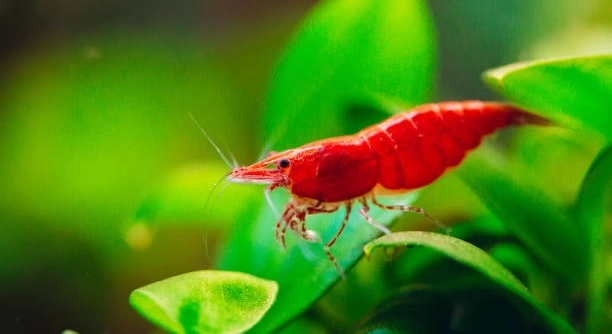
Have you ever noticed your shrimp moving more at certain times of the day? Watching them shift, swim, and explore can be surprisingly engaging. Their activity seems to follow patterns that might surprise even seasoned hobbyists.
Shrimp activity levels are influenced primarily by light, feeding schedules, and circadian rhythms. They tend to be more active during dim or low-light periods when they feel safest. Environmental stability and water conditions also play a crucial role in regulating their movement.
Observing their daily habits can reveal more than just their energy levels. Understanding these patterns helps in creating a healthier, more balanced environment for your shrimp.
Light and Darkness Influence Activity
Shrimp are very sensitive to light. During bright daylight, they often hide among plants or decorations in the tank, staying still to feel safe. When lights dim or are turned off, they emerge and begin exploring their surroundings. This natural rhythm is part of their circadian cycle, which guides when they rest and when they are active. I’ve noticed that my shrimp almost always move in the early morning or late evening, when the tank lights are low. Their small size makes them cautious, so even subtle changes in light can impact behavior. Shadows from decorations or floating plants also encourage them to move, as they provide comfort while foraging. Over time, observing how they react to light can help adjust tank setups. Proper lighting schedules can reduce stress and support natural activity, creating a balanced environment that allows shrimp to thrive naturally without interference.
Consistent light patterns make shrimp more predictable in movement. Regular cycles support better feeding habits and overall health.
Adjusting light timing can encourage shrimp to be more visible during the hours you want to observe them. For example, using a timer to gradually dim the tank in the evening mimics sunset and triggers natural activity. Similarly, ensuring they have shaded areas during the day lets them rest safely. Not all species respond exactly the same, so it’s important to watch your own shrimp and note when they are most active. Minor adjustments, like adding floating plants or hiding spots, can also impact movement. Over time, these small changes lead to a healthier, less stressed shrimp population that follows predictable patterns. Lighting, combined with temperature and water quality, forms the foundation for observing shrimp behavior consistently and comfortably.
Feeding Schedules and Behavior
Shrimp tend to move more when food is available. Regular feeding encourages them to come out from hiding and search for snacks.
Feeding at consistent times creates a routine. Shrimp quickly learn when to expect meals, increasing activity and interaction with the environment.
Feeding schedules directly shape shrimp behavior. When food is offered at the same times daily, they anticipate it and adjust their activity accordingly. I have found that my shrimp start exploring and moving energetically about 15–30 minutes before feeding, even if they were resting moments earlier. This behavior shows they have an internal clock and can adapt to predictable events. The type of food also matters. Small, slow-sinking pellets or algae wafers encourage natural foraging, while scattered fresh vegetables like zucchini or spinach can stimulate movement across the tank. Overfeeding, however, can lead to water quality issues, which negatively affect activity. It’s a balance of timing, portion size, and food type that ensures shrimp remain lively without compromising the tank’s ecosystem. By observing how shrimp react to meals, caretakers can create a stable, stimulating environment that keeps them engaged and healthy.
Water Temperature and Movement
Shrimp move more when water is within their preferred temperature range. Too cold or too warm water slows them down, while stable temperatures encourage consistent activity and foraging behavior throughout the day.
Temperature affects metabolism directly. In cooler water, shrimp become sluggish and reduce movement to conserve energy. When water warms to an optimal range, their metabolism speeds up, and they become more active. Sudden temperature changes can stress them, causing hiding or erratic swimming. I noticed that my shrimp are most lively when the water remains steady around 75–78°F, as small fluctuations make them nervous and less visible. Maintaining a reliable heater and monitoring the temperature daily ensures they stay comfortable and active. Stable water conditions not only encourage natural behavior but also support growth, molting, and overall health, making temperature control a crucial factor for observing energetic shrimp regularly.
Keeping water stable helps shrimp feel safe and encourages more natural patterns of movement. Consistency in temperature and minor daily fluctuations significantly influence how and when shrimp explore their habitat.
Temperature interacts with other factors like oxygen levels and light. In warmer water, shrimp tend to eat more and move faster, but if oxygen drops, their activity declines regardless of temperature. Cooler water can reduce metabolism, making them less responsive to light and food cues. I’ve learned that combining stable temperature with proper aeration and feeding schedules produces the most predictable activity patterns. Observing shrimp in these conditions lets me see natural behaviors like grazing, swimming in groups, and exploring hiding spots. Attention to temperature and its interaction with other environmental elements creates a healthier, more active shrimp population that can thrive over time.
Tank Size and Layout
Shrimp explore more in tanks with space and hiding spots. Open areas combined with plants or decorations encourage movement while providing safety.
Tank layout impacts how shrimp move and interact. Crowded or bare tanks can limit activity or make shrimp hide constantly. Proper spacing and varied structures help them forage naturally and navigate confidently.
I’ve noticed that my shrimp respond quickly to a well-structured tank. Dense plants, moss, and small caves create pathways they can explore without feeling exposed. Too few hiding places make them anxious, reducing movement and increasing stress. Open swimming areas between decorations encourage foraging and social behavior. Different species also prefer varied layouts; some like climbing moss or rocks, while others favor horizontal space for grazing. Changing the tank gradually allows shrimp to adapt while maintaining activity. Thoughtful arrangement improves visibility and ensures they can display natural behaviors without constant hiding, leading to a healthier, more engaged shrimp environment overall.
Water Quality and Activity
Shrimp are very sensitive to water quality. Poor conditions make them hide or move less, while clean, balanced water encourages consistent activity and natural foraging.
Regular testing and maintenance help maintain proper pH, ammonia, nitrite, and nitrate levels. Healthy water supports molting, feeding, and daily movement patterns.
Stress and Environmental Changes
Shrimp react quickly to changes in their environment. Moving decorations, adding new tank mates, or sudden water changes can cause temporary hiding and reduced activity. I’ve noticed my shrimp freeze or retreat when I rearrange plants, showing how sensitive they are to disruptions.
Seasonal Patterns
Some shrimp show subtle seasonal activity changes. Temperature, light duration, and breeding cycles influence movement and behavior, even in controlled tanks. Adjusting feeding and monitoring behavior during these shifts keeps them healthy and maintains consistent activity throughout the year.
Observation and Interaction
Watching shrimp regularly helps identify unusual behavior early. Frequent observation allows adjustment of feeding, lighting, and tank layout to ensure shrimp remain active, healthy, and comfortable in their environment.
FAQ
Why are my shrimp more active at night?
Shrimp are naturally crepuscular, meaning they are most active during low-light periods such as early morning or late evening. Dim lighting makes them feel safer from predators and more confident to explore. In my experience, turning the lights off or using a soft glow encourages them to move and forage.
Can feeding schedules affect shrimp activity?
Yes, shrimp quickly learn predictable feeding times. Offering food at consistent hours triggers anticipation and increases movement. I’ve noticed my shrimp begin exploring and gathering around feeding areas even a few minutes before meals. This behavior shows they have internal rhythms linked to food availability.
Does tank size impact shrimp behavior?
A well-sized tank with space and hiding spots promotes natural movement. Crowded or bare tanks can make shrimp hide more often. Adding plants, moss, and small caves creates areas to explore safely. I arrange decorations gradually so shrimp can adjust without stress, which helps them remain active.
How important is water quality for shrimp activity?
Water quality is crucial. Imbalanced pH, high ammonia, or elevated nitrite and nitrate levels reduce activity. Clean, stable water supports normal movement, feeding, and molting. Regular testing and water changes have made a noticeable difference in how energetic my shrimp are daily.
Do temperature changes affect shrimp movement?
Shrimp are sensitive to temperature fluctuations. Cooler water slows metabolism and movement, while optimal warmth encourages activity. Sudden changes can stress them, causing hiding or erratic swimming. I maintain a steady temperature in my tanks, around 75–78°F, which keeps my shrimp active and consistent.
Will introducing new shrimp or tank mates stress them?
Yes, sudden introductions can temporarily reduce activity. Shrimp may hide until they feel secure. I usually add new shrimp slowly, allowing gradual acclimation to prevent stress. Over time, they return to normal movement once comfortable in the shared environment.
Does lighting affect shrimp behavior?
Absolutely. Bright lights often make shrimp retreat into hiding, while dim or shaded areas encourage exploration. I use a timer to gradually dim lights in the evening, which mimics natural conditions and boosts activity. Floating plants also create shaded zones that shrimp appreciate.
Can molting affect activity levels?
During molting, shrimp tend to hide and move less to protect their soft, vulnerable bodies. After molting, activity usually increases as they recover strength. I ensure there are plenty of hiding spots and stable water conditions to support safe molting.
Are some shrimp naturally more active than others?
Yes, activity levels vary by species and individual temperament. Some are curious and constantly explore, while others are shy and more reserved. Observing each shrimp’s behavior over time helps understand their patterns and provide a comfortable environment.
How can I encourage more movement in my shrimp?
Maintaining stable water parameters, proper lighting, structured tank layouts, and regular feeding schedules promotes consistent activity. I’ve found that small adjustments, like adding new moss or slightly changing decoration placement, stimulate curiosity without causing stress, keeping shrimp lively and healthy.
Do seasonal changes impact shrimp activity?
Even in indoor tanks, subtle changes in room temperature, light duration, or breeding cycles can affect shrimp movement. Monitoring these patterns allows me to adjust feeding and environmental conditions, ensuring shrimp remain active and balanced throughout the year.
How do I know if reduced activity is a problem?
Sudden or prolonged inactivity often signals stress, illness, or poor water conditions. I monitor shrimp closely for signs like lethargy, hiding, or unusual swimming. Regular testing and observation help address issues early, keeping shrimp healthy and active.
Can decorations and hiding spots improve activity?
Yes, providing plants, caves, and moss encourages exploration while offering security. I noticed shrimp move more confidently when there are clear paths between hiding spots, which supports natural behavior and reduces stress. Careful arrangement of tank features is key to consistent activity.
Is it normal for shrimp to hide for long periods?
Yes, occasional hiding is normal, especially during molting, bright light, or sudden changes. Persistent hiding may indicate water quality issues or stress. Ensuring stable conditions and a well-structured tank usually restores normal activity.
Does water flow affect shrimp movement?
Moderate water flow encourages exploration and feeding but excessive current can stress shrimp. I adjust filtration to create gentle circulation, which helps shrimp forage naturally without being forced into hiding.
Can tank mates reduce shrimp activity?
Aggressive or large fish may cause shrimp to hide more. I keep shrimp with small, peaceful species to avoid constant stress, which ensures they remain active and comfortable within the tank environment.
How long does it take for shrimp to adapt to a new tank?
Shrimp typically need several days to a week to acclimate. During this period, activity may be lower. Gradual changes, like slowly adjusting water parameters or adding decorations, help them adapt more confidently and resume normal movement.
Do different species have different activity patterns?
Yes, some species are more nocturnal, while others prefer daylight hours. Observing specific species helps tailor feeding, lighting, and tank layout to match natural behavior, keeping shrimp engaged and healthy.
Can stress from handling reduce movement?
Handling, netting, or sudden disturbances can make shrimp hide or move less. I minimize direct contact and make changes gently to maintain their natural activity levels and reduce stress-induced hiding.
Does diet affect activity?
A balanced diet with proper nutrients supports energy and movement. I offer a mix of pellets, algae, and fresh vegetables, which encourages foraging and active behavior throughout the day. Nutrition directly impacts how lively shrimp appear in their tank.
Shrimp are small but fascinating creatures, and their activity levels can tell us a lot about their environment and wellbeing. Observing them over time shows clear patterns linked to light, temperature, feeding, and tank layout. Their movement is not random; it reflects natural instincts, comfort, and the balance of the water they live in. I’ve noticed that shrimp often emerge from hiding when conditions are stable and safe, which makes watching them both predictable and rewarding. Even small changes, like adding a new plant or adjusting the light schedule, can influence when and how they move. Understanding these patterns helps create a tank that encourages natural behavior and reduces stress, which ultimately leads to healthier shrimp.
Maintaining consistent water quality is one of the most important factors in keeping shrimp active. Unstable conditions, such as sudden shifts in temperature or poor water parameters, can make them hide and reduce activity. Regular testing of pH, ammonia, nitrites, and nitrates, along with routine water changes, creates a safe and comfortable environment. Feeding schedules also play a role. Offering food at predictable times encourages shrimp to move and forage, and it is interesting to watch how they anticipate meals. The type of food provided, whether pellets, algae, or fresh vegetables, impacts how much and how often they move. I’ve learned that even small details, like placing food in different areas of the tank, can stimulate exploration and natural foraging behavior, keeping them more engaged and lively.
Tank structure, including size, decorations, and hiding spots, also affects shrimp activity. A tank with plants, moss, and caves allows shrimp to explore without feeling exposed, while open swimming areas give them space to forage freely. Overcrowded or bare tanks can make them hide more often and appear less active. Observing shrimp in a well-organized tank shows how they interact with their environment, climb on decorations, or search for food in hidden corners. Light levels, temperature, and interactions with other species further influence behavior, but the overall pattern is clear: shrimp are most active when conditions are stable, safe, and predictable. Paying attention to these factors ensures that they remain healthy, stress-free, and naturally active, which makes caring for them much more satisfying.

Hello,
If you enjoy the content that we create, please consider saying a "Thank You!" by leaving a tip.
Every little bit helps us continue crafting quality advice that supports the health, happiness, and well-being of pets around the world, for pets of all shapes, sizes, and species.
We really appreciate the kindness and support that you show us!