
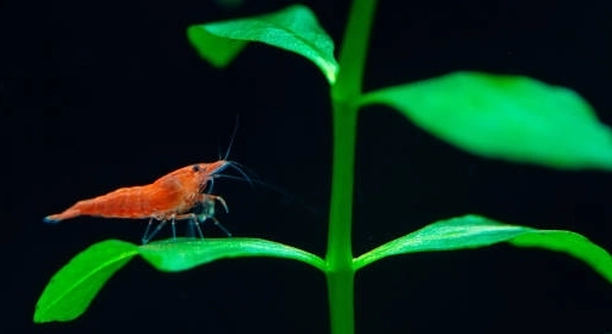
Are your shrimp tanks not lasting past the first few weeks, leaving you frustrated and unsure what went wrong? Many beginners face this problem despite careful planning and effort to create a healthy environment for their shrimp.
Shrimp tanks often fail in the first month due to poor water quality, incorrect temperature, overfeeding, inadequate filtration, sudden environmental changes, improper tank cycling, and the introduction of incompatible tank mates, all of which stress or kill shrimp quickly.
Understanding these common mistakes can help you prevent early losses and maintain a thriving shrimp tank that supports healthy growth and long-term success.
Poor Water Quality
Many shrimp deaths in the first month happen because the water is not suitable for them. Tap water often contains chlorine or heavy metals that are harmful. Ammonia, nitrite, and nitrate levels can rise quickly if the tank is not properly cycled. New tank owners sometimes add shrimp before beneficial bacteria have developed, which makes toxins build up fast. Even small changes in pH or hardness can stress shrimp, causing illness or death. Regular testing and partial water changes are crucial to maintain stable conditions. Using a good water conditioner can help remove harmful chemicals. Avoid overfeeding, as leftover food can decompose and worsen water quality. Shrimp are sensitive to their environment, so keeping water clean and stable ensures they grow strong. Observing the shrimp daily can help spot early signs of stress, allowing intervention before major losses occur.
Maintaining clean, stable water is essential for shrimp to survive and thrive in a new tank.
Small adjustments to water chemistry and careful feeding habits make a big difference in shrimp health.
Incorrect Temperature
Shrimp are highly sensitive to temperature changes. Even a few degrees outside their preferred range can slow metabolism, reduce immunity, or lead to death. Most shrimp species prefer temperatures between 72°F and 78°F, though some species have slightly different requirements. Sudden shifts, like placing a tank in direct sunlight or near a heater, can be fatal. Using a reliable aquarium thermometer and maintaining consistent room temperature helps reduce stress. Avoid placing the tank near windows, vents, or air conditioners where fluctuations occur. Consistency is more important than minor differences in temperature, as shrimp can adapt if changes happen slowly.
Keeping the tank within the ideal temperature range supports healthy growth and behavior, preventing early deaths.
Temperature management also interacts with water quality. Warmer water can speed up ammonia production, while cold water slows metabolism, making shrimp more vulnerable to toxins. Gradual adjustments and stable heating equipment reduce risk, and monitoring daily allows prompt action if conditions change. Using a small heater with a thermostat and insulating the tank slightly can help maintain steady conditions. Regular observation ensures shrimp remain active and healthy, and combining proper temperature control with clean water dramatically improves the chance of survival in the first month.
Overfeeding
Overfeeding is a common mistake in new shrimp tanks. Uneaten food decomposes quickly, causing ammonia spikes and poor water quality. Shrimp only need a small amount of food each day, and feeding more does not make them grow faster.
Excess food in the tank breaks down into ammonia and nitrites, which are toxic to shrimp. New tank owners often think that feeding multiple times a day will help shrimp thrive, but it usually causes more harm than good. Uneaten food also encourages algae growth and bacteria blooms, which compete with shrimp for oxygen. Measuring food carefully and removing leftovers after a few hours can prevent these problems. Feeding only what shrimp consume in a short period reduces stress and keeps water conditions safe. Shrimp will graze throughout the day, so small portions are better than large amounts. Observing their eating habits helps adjust feeding without harming water quality.
Shrimp that live in a clean, well-fed tank are more active and less prone to disease. Feeding correctly is one of the easiest ways to ensure survival in the first month.
Improper Tank Cycling
Starting a shrimp tank without proper cycling can be deadly. The tank must develop beneficial bacteria to process waste before adding shrimp.
A tank that is not cycled will accumulate ammonia and nitrites, both highly toxic to shrimp. Cycling involves establishing colonies of bacteria that convert waste into less harmful nitrates. Skipping this step is one of the main reasons new tanks fail within the first month. Shrimp are extremely sensitive to water chemistry, and even small amounts of ammonia can stress them, making them susceptible to disease. Testing water for ammonia, nitrite, and nitrate levels before introducing shrimp is essential. Using filters with bio-media or seeding the tank with material from an established aquarium can speed up the process. Patience during this phase prevents early losses.
Properly cycled tanks create a stable environment, reducing stress and improving shrimp survival. Monitoring water parameters closely during the first weeks ensures the system is ready for shrimp.
Sudden Environmental Changes
Shrimp are very sensitive to sudden changes in their environment. Moving the tank, adding new decorations, or changing water too quickly can stress them and lead to deaths.
Even small shifts in light, temperature, or water chemistry can have serious effects. Gradual adjustments help shrimp adapt safely.
Inadequate Filtration
A weak or poorly designed filter cannot remove waste effectively, causing toxins to build up. Shrimp need clean, well-oxygenated water to survive. Regular maintenance and proper filter choice are crucial to avoid dangerous water conditions.
Introduction of Incompatible Tank Mates
Adding fish or other creatures that prey on shrimp can quickly reduce their numbers. Shrimp require peaceful tank mates that do not harass or eat them.
How often should I feed my shrimp?
Shrimp only need a small amount of food each day. Overfeeding can harm water quality and increase stress. Feeding once a day is usually enough. Observe how much they eat in 2–3 hours and remove any leftovers. Small portions help keep the tank clean and safe.
What is the best water temperature for shrimp?
Most freshwater shrimp do well between 72°F and 78°F. Sudden changes in temperature can be fatal. Use a reliable thermometer and maintain a stable room temperature. Avoid placing the tank near windows, vents, or heaters where fluctuations occur. Gradual adjustments prevent stress and promote healthy growth.
How do I know if my tank is properly cycled?
A properly cycled tank will have very low ammonia and nitrite levels and some nitrates. Use a water test kit to check parameters. Beneficial bacteria need time to establish and convert waste safely. Skipping cycling is a common reason for early shrimp deaths. Patience during this stage is critical.
Can I keep shrimp with fish?
Some fish will eat or harass shrimp. Only choose peaceful species that do not see shrimp as food. Snails, small peaceful fish, or shrimp-only tanks are safer options. Incompatible tank mates are one of the fastest ways to lose shrimp in the first month. Observation is key.
How often should I change water?
Regular water changes prevent toxins from building up. Weekly changes of 10–20% are usually enough. Always use dechlorinated water at the same temperature as the tank. Consistent water maintenance keeps shrimp healthy and prevents sudden deaths caused by poor water quality.
What causes cloudy water in a shrimp tank?
Cloudy water can result from bacterial blooms, leftover food, or poor filtration. Small, frequent feedings and proper filter maintenance prevent this. Cloudy water often indicates imbalances in the tank that need correction before they affect shrimp health. Testing water can identify the source of the problem.
Why are my shrimp hiding all the time?
Shrimp hide when stressed or threatened. Poor water quality, incorrect temperature, sudden changes, or aggressive tank mates can cause this behavior. Providing hiding spots like plants or moss helps them feel secure. Regular monitoring ensures that hiding is not a sign of illness or poor conditions.
How do I prevent ammonia spikes?
Ammonia spikes occur from overfeeding, overcrowding, or skipping tank cycling. Test water regularly and perform partial water changes when needed. A well-established filter with bio-media supports beneficial bacteria to process waste. Avoid adding too many shrimp at once, as this can overwhelm the system.
Can I use tap water directly in my shrimp tank?
Tap water often contains chlorine, chloramine, or heavy metals harmful to shrimp. Always use a water conditioner to remove toxins. Testing pH, hardness, and other parameters ensures the water is safe. Treating water before adding it prevents stress and early deaths.
What signs show my shrimp are healthy?
Healthy shrimp are active, consistently grazing, and have bright coloration. They molt regularly and show no signs of lethargy, discoloration, or unusual swimming. Observing shrimp behavior daily helps detect early problems and allows corrective action before losses occur.
Setting up a shrimp tank can be both rewarding and challenging. Many beginners face frustration during the first month because shrimp are sensitive to their environment. Water quality, temperature, and feeding habits play a huge role in whether shrimp survive or not. Maintaining stable water conditions is the foundation of a healthy tank. Even small changes in ammonia, nitrites, or pH can cause stress, illness, or death. Observing the tank daily helps catch problems early, and making gradual adjustments ensures that shrimp can adapt safely. Patience is important, especially when cycling the tank or adjusting temperature. Each step taken to stabilize the environment contributes to shrimp survival and long-term success.
Feeding shrimp correctly is another key factor. Overfeeding can quickly turn a healthy tank into a dangerous one. Uneaten food decomposes and produces toxins that can harm shrimp within hours. It’s better to provide small amounts that shrimp can eat in a few hours than to leave excess food in the tank. At the same time, underfeeding can slow growth and make shrimp weaker. Watching how shrimp respond to food allows adjustments without harming water quality. Along with careful feeding, providing hiding spaces and proper filtration improves their comfort and reduces stress. Simple actions like these prevent early deaths and create a stable environment where shrimp can thrive.
Other common problems, like sudden environmental changes or incompatible tank mates, can be avoided with planning. Shrimp do best when conditions are consistent, and adding aggressive fish or sudden decorations can stress them out. Gradual changes and careful observation ensure that shrimp feel safe. Proper equipment, like a good filter and heater, supports stable water quality and temperature. By addressing these factors—water, feeding, temperature, tank setup, and companionship—shrimp tanks have a much higher chance of success. Paying attention to these details during the first month sets the stage for a thriving, healthy shrimp population in the long term.

Hello,
If you enjoy the content that we create, please consider saying a "Thank You!" by leaving a tip.
Every little bit helps us continue crafting quality advice that supports the health, happiness, and well-being of pets around the world, for pets of all shapes, sizes, and species.
We really appreciate the kindness and support that you show us!