
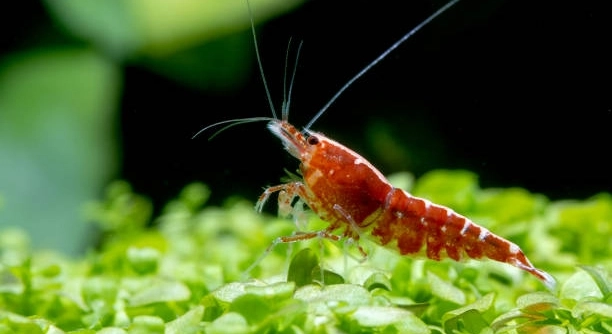
Introducing new shrimp to your aquarium can be exciting, but timing is important for their health. Rushing the process can lead to stress, disease, or territorial disputes among your existing aquatic pets. Patience ensures a smooth transition.
There are several circumstances in which introducing new shrimp should be delayed. Factors such as water quality, tank maturity, recent illnesses, molting cycles, overcrowding, seasonal temperature shifts, and ongoing chemical treatments can all negatively impact shrimp survival and overall tank stability.
Understanding these conditions helps protect both new and existing shrimp, ensuring a healthier and more harmonious aquatic environment for everyone involved.
Poor Water Quality
Poor water quality is one of the main reasons to delay introducing new shrimp. Parameters such as ammonia, nitrite, and nitrate levels must be stable before adding new animals. Shrimp are highly sensitive to changes in their environment, and even small fluctuations can cause stress, illness, or death. Testing water regularly ensures the tank conditions are safe for newcomers. Temperature and pH should also be stable, as sudden shifts can shock both new and existing shrimp. Filtration should be functioning properly to maintain oxygen levels and remove toxins. Adding shrimp too early in an unstable tank may result in weakened immune systems, making them vulnerable to infections. Patience at this stage prevents unnecessary losses. It is better to wait and create a balanced environment rather than rushing and risking the health of your shrimp. Taking these precautions ensures a stronger, more vibrant shrimp population that thrives long-term in the aquarium.
Waiting for water quality to stabilize protects shrimp health and improves survival rates for future introductions.
Maintaining proper water conditions involves consistent monitoring and adjusting the tank as needed. Filtration systems must be regularly cleaned, and partial water changes should be scheduled to reduce harmful substances. Observing shrimp behavior can also indicate water stress, as lethargy or erratic swimming often signals unsafe conditions. By ensuring a stable and clean environment, you create a safer habitat for new shrimp, reducing the chance of disease outbreaks and mortality. Proper preparation benefits all shrimp in the tank, allowing them to establish territories and grow without complications. It is worth spending the extra time testing, adjusting, and waiting to avoid long-term problems.
Recent Illness in the Tank
If your current shrimp have recently been sick, wait before introducing new shrimp. Introducing newcomers can spread disease or increase stress in recovering shrimp.
Adding new shrimp during or immediately after an illness outbreak risks spreading pathogens to both existing and new animals. Diseases such as bacterial infections or parasites can persist in the tank, and introducing healthy shrimp too early can result in additional losses. Quarantining new shrimp for a few weeks is highly recommended. This allows time to observe signs of illness and ensures they are healthy before entering the main tank. In addition, maintaining proper hygiene, cleaning decorations, and removing any sick or deceased shrimp helps reduce contamination risks. Recovering shrimp also benefit from a stable, calm environment without competition or stress from newcomers. Delaying introductions during this period supports the health of the entire shrimp population and allows your tank ecosystem to recover fully.
Quarantining and cleaning the tank before adding new shrimp ensures a healthier, disease-free environment for all residents, increasing survival and long-term well-being.
Molting Season
During molting, shrimp are extremely vulnerable and should not be disturbed. New shrimp introduced at this time can stress molting shrimp, increasing the risk of injury or death.
Molting is a natural process where shrimp shed their exoskeleton to grow. During this period, they are soft and defenseless, making them easy targets for stress or aggression from other shrimp. Introducing new shrimp can trigger territorial behavior or competition for hiding spots, which may harm molting shrimp. It is best to wait until most shrimp have completed molting cycles to ensure safety. Providing plenty of hiding places and maintaining stable water conditions supports successful molts and reduces stress for all tank residents.
New shrimp added too early may cause territorial disputes and competition for food, negatively affecting molting shrimp and overall tank harmony. Careful timing ensures the health and safety of all shrimp in the aquarium.
Overcrowded Tank
An overcrowded tank makes introducing new shrimp risky. High population density increases stress, aggression, and disease transmission among shrimp.
Shrimp need space to establish territories and find food. When a tank is overcrowded, there is more competition, which can lead to stress, slower growth, and higher mortality. Stress weakens the immune system, making shrimp more susceptible to infections and parasites. Overcrowding can also cause water quality issues, as waste accumulates faster than filtration can handle. Before adding new shrimp, assess current population levels and consider the tank’s capacity. Removing excess shrimp or expanding the habitat helps maintain a balanced environment.
Managing tank population ensures new shrimp have room to thrive, reduces stress on existing shrimp, and prevents long-term health problems caused by overcrowding.
Recent Chemical Treatments
Recent chemical treatments in the tank can be harmful to new shrimp. Residual medications or additives may stress or even kill them if introduced too soon.
Wait until the chemicals have fully cleared and water parameters are stable before adding newcomers. Testing water ensures the environment is safe for shrimp health.
Seasonal Temperature Changes
Shrimp are sensitive to temperature fluctuations. Sudden changes in water temperature can cause stress, slow growth, and increase mortality rates.
It is important to avoid introducing new shrimp during periods of seasonal temperature shifts. Heating or cooling cycles should be consistent, allowing both existing and new shrimp to adjust without added stress. Maintaining stable conditions reduces the risk of disease and helps shrimp thrive in the long term.
Newly Established Tank
A newly established tank is not ready for new shrimp. Bacteria, algae, and water parameters are still stabilizing, creating an unsafe environment.
FAQ
How long should I wait before introducing new shrimp to a tank?
It depends on several factors, including water quality, tank maturity, and the health of existing shrimp. A minimum of two to four weeks is generally recommended for stable water conditions. Longer may be necessary if the tank is newly established or recovering from illness. Quarantining new shrimp for two weeks before adding them to the main tank also helps prevent disease transmission. Patience during this period reduces stress and increases survival rates for both new and existing shrimp.
Can I add new shrimp immediately after cleaning the tank?
No, even after a thorough cleaning, water parameters may fluctuate. Filtration systems need time to stabilize ammonia, nitrite, and nitrate levels. Adding shrimp too soon can shock their system and lead to health problems. It’s better to monitor water conditions for several days after cleaning and ensure they remain stable before introducing new shrimp.
Is it safe to add shrimp during molting periods?
Introducing shrimp during molting is risky. Molting shrimp are soft and defenseless, making them vulnerable to stress, injury, or aggression. It is best to wait until most shrimp have completed molting cycles. Providing plenty of hiding spots helps protect molting shrimp and ensures that the tank remains peaceful and stable for everyone.
What is the risk of adding shrimp to an overcrowded tank?
Overcrowding increases stress, competition for food, and disease transmission. High population density also affects water quality, as waste builds up faster than filtration can manage. Waiting to add new shrimp until the tank has space ensures they can establish territories, reduces aggression, and helps maintain a healthy environment for all residents.
Should I introduce shrimp if my tank recently had sick shrimp?
No, introducing new shrimp during or shortly after a disease outbreak can spread pathogens to healthy individuals. It is essential to quarantine new shrimp and allow the tank to recover. Cleaning decorations, removing sick or deceased shrimp, and maintaining proper hygiene further reduce the risk of contamination.
How do temperature changes affect new shrimp introductions?
Shrimp are sensitive to temperature fluctuations. Sudden changes can stress shrimp, slow growth, and increase mortality. Introducing new shrimp during seasonal shifts can be risky. It is better to wait for stable water temperatures and ensure heating or cooling systems maintain consistent conditions for all shrimp.
Can chemical treatments prevent me from adding new shrimp?
Yes. Residual medications, fertilizers, or other chemicals can harm new shrimp. It is important to allow the tank sufficient time to clear chemicals and stabilize water parameters. Testing the water ensures it is safe for new shrimp and prevents unnecessary stress or fatalities.
What is the best way to introduce new shrimp safely?
The safest method is to quarantine new shrimp for at least two weeks. Acclimate them gradually to the main tank water by floating the bag and slowly mixing tank water into it. This reduces stress and helps shrimp adjust to temperature, pH, and other water parameters. Gradual introduction prevents shock and ensures a smoother transition.
How can I tell if my tank is ready for new shrimp?
A ready tank has stable water parameters, healthy existing shrimp, and no recent illness or chemical treatments. Temperature and pH should be consistent, and hiding spots should be available. Observing shrimp behavior can indicate stress or aggression levels. Waiting until conditions are stable ensures new shrimp thrive.
Why is patience important when adding new shrimp?
Rushing introductions increases stress, disease risk, and mortality. Waiting allows water conditions to stabilize, molting cycles to complete, and existing shrimp to remain healthy. Proper timing supports a balanced ecosystem and creates a peaceful, thriving tank environment for both new and established shrimp.
The FAQ addresses common concerns, emphasizing the importance of stability, careful observation, and patience when adding new shrimp to any aquarium. Proper planning reduces risks and supports a thriving aquatic environment.
Final Thoughts
Introducing new shrimp to an established tank requires careful planning and patience. Shrimp are sensitive creatures, and even small changes in their environment can cause stress or illness. Water quality, temperature, and pH must be stable, and the tank should be free from recent chemical treatments or disease outbreaks. Rushing the process can lead to high mortality rates and long-term health issues for both new and existing shrimp. Taking time to prepare the tank ensures that newcomers have a safe and stable environment in which to thrive. It also reduces the likelihood of conflicts over space, food, and hiding spots, which are common when shrimp are stressed or overcrowded.
Observing shrimp behavior and monitoring tank conditions are crucial steps before introducing new shrimp. Molting periods, overcrowding, and seasonal temperature changes are all factors that can make introductions risky. Quarantining new shrimp is a recommended practice, as it allows time to detect illness and ensures that new arrivals are healthy. Providing hiding places and maintaining stable water parameters helps reduce stress for all shrimp. By paying attention to these details, you create a healthier, more harmonious tank environment that supports long-term growth and activity. These measures may require patience, but they prevent avoidable problems and protect the well-being of your shrimp population.
Overall, delaying introductions when necessary is an important part of responsible shrimp keeping. Taking the time to stabilize water quality, monitor existing shrimp, and ensure proper conditions for newcomers can make a significant difference in their survival and health. Each tank is unique, so careful observation and attention to detail are essential. Following these practices allows shrimp to adapt gradually, reduces stress, and promotes a balanced and thriving community. By prioritizing preparation and careful timing, you provide the best chance for all shrimp to flourish, creating a safe and healthy environment that supports their growth and well-being over time.

Hello,
If you enjoy the content that we create, please consider saying a "Thank You!" by leaving a tip.
Every little bit helps us continue crafting quality advice that supports the health, happiness, and well-being of pets around the world, for pets of all shapes, sizes, and species.
We really appreciate the kindness and support that you show us!