
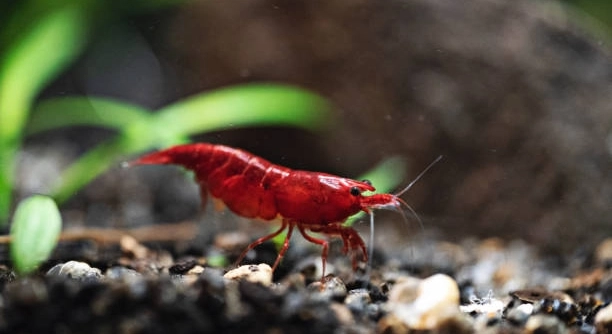
Do you ever notice shrimp in your tank gathering in one corner, leaving the rest of the space almost empty? This odd behavior can seem harmless but often signals changes in their environment or health.
Shrimp tend to pile into one corner primarily due to environmental stressors such as poor water quality, insufficient oxygen levels, or sudden temperature changes. This clustering behavior is a protective response and indicates potential issues needing prompt attention.
Observing their behavior closely can help identify underlying problems early. Understanding these patterns ensures your shrimp remain healthy and comfortable in their habitat.
Understanding Shrimp Behavior
Shrimp often cluster in one corner when their tank conditions are less than ideal. Changes in water temperature, pH levels, or oxygen concentration can make them seek safety in a single area. Even subtle shifts can cause stress, and shrimp respond quickly. They are sensitive creatures, and movement or activity in the tank may influence their choice of resting spots. Uneven lighting or strong currents can also affect where they gather. Monitoring these environmental factors regularly helps prevent unnecessary stress. Shrimp also exhibit this behavior when molting, as they feel more vulnerable and prefer hiding in one spot. Providing enough hiding places and consistent water quality can reduce the frequency of clustering. Overcrowding can amplify this effect, making shrimp pile together in a corner for protection. Careful observation and small adjustments to their environment can encourage more even distribution and reduce stress over time.
Observing patterns in their movement can help identify whether changes are temporary or signal a serious problem.
When shrimp pile together, it is often a combination of environmental stress and instinctual behavior. Adjusting water parameters gradually, maintaining proper filtration, and ensuring a stable temperature can improve their comfort. Hiding spots like plants or decorations provide security and reduce competition for space. Overfeeding can also affect water quality, leading shrimp to seek areas with better oxygen or less disturbance. Watching how they react to these adjustments helps determine which factors are most impactful. Regular testing of water parameters is essential, as shrimp are highly sensitive to changes that might not be immediately visible. By making incremental changes rather than sudden ones, shrimp can adapt without increased stress. Even lighting and gentle water flow help encourage natural movement and prevent constant clustering. Over time, observing and responding to these cues ensures shrimp remain healthy and display more typical behaviors across the tank, creating a more balanced and comfortable environment for all inhabitants.
Common Environmental Triggers
Poor water quality is the main reason shrimp gather in one corner.
Shrimp respond quickly to drops in oxygen, sudden temperature shifts, or chemical imbalances. Even small changes can make them group together for security. Regular maintenance and monitoring are key to preventing this behavior from becoming a persistent issue. Overcrowding, strong currents, or insufficient hiding spaces can also contribute, making them feel exposed. Addressing these factors helps maintain a healthy, balanced tank environment.
Oxygen Levels and Water Circulation
Shrimp cluster in corners when oxygen levels drop. Stagnant water or blocked filters can reduce circulation, making certain areas more comfortable than others. Proper aeration and gentle water flow help distribute oxygen evenly, encouraging shrimp to move freely throughout the tank.
Low oxygen in the tank forces shrimp to seek areas where water is better aerated, often in corners near filters or surfaces with movement. Even small fluctuations can trigger this behavior. Ensuring adequate filtration, using air stones, and maintaining gentle currents allows shrimp to access oxygen consistently. Regular water changes also help remove waste that can deplete oxygen, improving overall tank health and encouraging more natural swimming patterns.
Water circulation impacts more than oxygen. Poor flow can create dead zones where debris accumulates, causing shrimp to avoid these areas. Providing consistent but gentle currents helps keep water clean and oxygenated. Decorations and plants should be arranged to allow free movement while creating safe hiding spots. Observing how shrimp distribute themselves after adjusting circulation helps determine if conditions have improved. Over time, a well-balanced flow promotes healthier, more active shrimp and reduces stress-related clustering.
Temperature Sensitivity
Shrimp gather when water temperatures fluctuate or fall outside their comfort range. Consistent heating and monitoring help prevent this behavior.
Even slight temperature changes can stress shrimp, leading them to seek corners or sheltered areas. Using reliable heaters and thermometers ensures stable conditions. Rapid fluctuations can affect metabolism, molting, and activity. Keeping the tank within recommended temperature ranges for the specific shrimp species helps maintain normal behavior.
Temperature affects shrimp physiology and behavior directly. Stress from cold or warm water can cause slower movement, hiding, or clustering. Sudden shifts may trigger molting difficulties or increased susceptibility to disease. Ensuring a gradual acclimation when introducing new shrimp or adjusting heaters helps minimize these risks. Consistent room temperature and tank insulation reduce environmental fluctuations. By monitoring water regularly and responding to early signs of stress, shrimp can remain active, healthy, and evenly distributed throughout their habitat, improving overall tank balance.
Overcrowding Issues
When too many shrimp share a tank, they naturally gather in corners to find space and feel safe. Overcrowding increases stress and competition for food, hiding spots, and oxygen. Reducing population or providing larger tanks can help them spread out more evenly.
High density also makes water quality harder to maintain. Waste accumulates faster, oxygen decreases, and stress rises. This combination encourages clustering behavior.
Feeding Patterns
Uneven feeding can cause shrimp to gather where food is more abundant. They learn to expect meals in certain areas, resulting in repeated clustering. Regular, evenly distributed feeding helps maintain balanced movement and reduces stress.
Tank Decorations and Hiding Spots
Shrimp pile up near decorations or plants because they provide shelter. These areas feel safer, especially during molting or stress periods. Arranging decor thoughtfully can encourage movement across the tank and reduce constant corner gatherings.
Disease and Parasites
Illness or parasites can cause shrimp to isolate in one corner. Sick shrimp often seek calmer, less exposed areas to recover. Observing behavior and addressing health issues promptly can prevent worsening conditions and maintain overall tank balance.
Why are my shrimp gathering in one corner even though the water looks fine?
Even if the water appears clean, small changes in parameters like pH, ammonia, nitrite, or nitrate levels can stress shrimp. They are highly sensitive, and even minor imbalances may prompt them to seek a single area where conditions feel more stable. Sudden environmental changes, such as room temperature shifts or new tank decorations, can also influence their behavior. Observing their movement and testing water regularly helps identify subtle issues.
Could low oxygen be causing my shrimp to cluster?
Yes, oxygen levels are a common reason shrimp gather in one spot. Areas with better water movement, near filters or aeration points, provide more oxygen. Stagnant zones can feel uncomfortable, prompting clustering. Increasing aeration, adjusting flow, or adding air stones helps maintain consistent oxygen distribution and encourages normal movement throughout the tank.
Is overcrowding affecting their behavior?
Overcrowding creates stress, reduces hiding spots, and increases competition for food. When shrimp feel cramped, they naturally gather in corners to feel safer. Reducing the number of shrimp or upgrading to a larger tank can provide enough space for comfortable swimming. Proper tank management ensures they spread evenly rather than huddling.
Do temperature changes make shrimp gather in corners?
Shrimp are highly sensitive to temperature fluctuations. Even small shifts can affect their metabolism, activity, and comfort. Cooler or warmer areas may push them to cluster where temperatures feel more stable. Maintaining consistent water temperature with reliable heaters or cooling measures reduces stress and encourages normal distribution across the tank.
Can feeding patterns influence clustering?
Yes, shrimp tend to gather where food is consistently placed. If meals are unevenly distributed, they learn to go to certain spots repeatedly. Spreading food evenly and maintaining a feeding schedule can help shrimp move around more naturally and reduce repetitive corner gatherings.
Do decorations and plants impact where shrimp gather?
Shrimp use hiding spots for safety, especially when molting or stressed. Corners with plants, rocks, or other decor feel secure. Proper tank arrangement can encourage exploration while still providing safe retreats. Avoid overcrowding one side with too many hiding places to maintain balanced distribution throughout the tank.
Could illness or parasites cause clustering?
Yes, sick shrimp often isolate themselves in calmer, less exposed areas. Clustering can indicate stress from disease or parasites. Observing behavior, checking water quality, and monitoring for visible signs of illness help address health issues promptly and prevent worsening conditions. Early intervention ensures the tank remains balanced and shrimp recover more quickly.
Is molting a reason for piling together?
Molting shrimp are vulnerable and often seek safety. Corners with cover provide protection from other tank mates or disturbances. Ensuring adequate hiding spaces and reducing stressors during molting periods helps shrimp feel secure and minimizes excessive clustering.
Can water current influence where shrimp gather?
Strong or uneven currents may push shrimp toward calmer areas, often corners. Adjusting flow to create gentle, even circulation helps distribute shrimp more evenly. Monitoring how shrimp move after changes allows you to find the right balance between aeration, water quality, and comfort.
How do I know if clustering is a serious issue?
Occasional clustering is normal, especially during feeding or molting. Persistent gathering combined with sluggish movement, loss of appetite, or discoloration signals stress or poor water conditions. Regular observation, water testing, and habitat adjustments help determine whether intervention is needed to maintain shrimp health.
This FAQ addresses the most common reasons shrimp cluster and provides practical steps for creating a balanced, stress-free tank environment. Proper monitoring, gentle adjustments, and attentive care help ensure shrimp remain active and comfortable throughout the habitat.
Shrimp clustering in one corner of a tank is often a signal that something in their environment needs attention. It is easy to overlook small changes in water quality, temperature, or oxygen levels because the tank may look clean and well-maintained. However, shrimp are highly sensitive creatures, and even subtle shifts can create stress. Observing their behavior closely can reveal patterns that help identify underlying issues. Addressing these early prevents long-term problems and ensures shrimp remain healthy and active. Proper care includes maintaining stable water parameters, providing adequate hiding spaces, and ensuring consistent feeding and gentle water flow. Even small adjustments, such as rearranging decorations or checking filters, can make a noticeable difference in how evenly shrimp distribute themselves across the tank.
Environmental factors like overcrowding, poor circulation, or uneven lighting often contribute to clustering behavior. Overcrowding increases competition for food and space, while areas with low oxygen or limited water movement become uncomfortable for shrimp. Decorations and plants can offer safety, but if concentrated in one corner, they may unintentionally encourage piling. Providing balanced coverage of hiding spots throughout the tank can help shrimp feel secure while promoting natural movement. Temperature fluctuations also play a critical role, as shrimp are vulnerable to stress from sudden changes. Maintaining consistent heating and monitoring with reliable thermometers reduces risk and supports normal behavior. Regular water testing for ammonia, nitrites, nitrates, and pH ensures that small imbalances are corrected before they affect shrimp activity. By paying attention to these details, shrimp owners can prevent persistent clustering and create a more balanced habitat.
Health and molting patterns are additional reasons shrimp may gather in corners. Sick or parasitized shrimp often seek calm, sheltered areas, while molting shrimp instinctively hide to protect themselves during vulnerable periods. Observing these behaviors and responding appropriately is crucial for their well-being. Ensuring adequate hiding spaces, gentle water flow, and stable conditions helps shrimp feel safe during these times. Feeding practices also influence movement, as shrimp tend to return to corners where food is consistently available. Spreading food evenly and maintaining a steady schedule encourages exploration and reduces repetitive clustering. Overall, careful observation, consistent care, and small, thoughtful adjustments create a healthier environment that allows shrimp to move naturally and remain active. By understanding the reasons behind their behavior, owners can provide the right conditions for a thriving tank where shrimp are comfortable, balanced, and less prone to stress-induced clustering.

Hello,
If you enjoy the content that we create, please consider saying a "Thank You!" by leaving a tip.
Every little bit helps us continue crafting quality advice that supports the health, happiness, and well-being of pets around the world, for pets of all shapes, sizes, and species.
We really appreciate the kindness and support that you show us!