
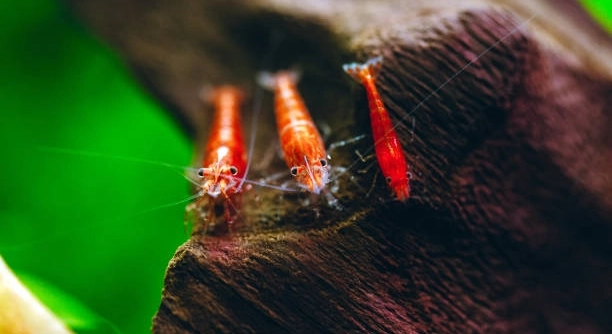
Have you noticed your cherry shrimp spending all their time near the middle or top of the tank? It can be worrying when they rarely touch the substrate, leaving the bottom almost empty. Observing their behavior closely often reveals subtle patterns.
Cherry shrimp avoiding the bottom is commonly linked to water quality issues, stress, or unsuitable substrate conditions. Poor water parameters, strong currents, or lack of hiding spaces can discourage shrimp from exploring or staying at the tank floor.
Understanding why they avoid the bottom can improve your shrimp’s health and comfort. Knowing these factors helps create a more balanced and safe environment for them to thrive naturally.
Water Quality and Tank Conditions
Water quality plays a huge role in where cherry shrimp spend their time. If the water has high ammonia, nitrites, or nitrates, shrimp will avoid the bottom because it is often the most stagnant area. Temperature fluctuations can also make them uncomfortable, leading them to stay near areas with better circulation. The substrate itself matters, too. Rough or sharp gravel can make them feel exposed or unsafe, while smooth sand or fine gravel allows them to forage without harm. Hiding spaces like moss, plants, and decorations give them security and encourage bottom activity. Even lighting intensity can influence their behavior; bright lights can push them higher in the tank. Regular water testing, careful cleaning, and ensuring stable temperature can make the bottom more inviting. Over time, shrimp adjust to healthy, well-maintained conditions and start exploring areas they previously avoided.
Stable water conditions are essential for shrimp comfort and health. Even small improvements encourage natural behaviors.
Paying attention to the tank’s chemical balance and substrate type can prevent avoidance issues. Combining good filtration with hiding spots ensures shrimp feel safe. Proper lighting and gentle water flow make the bottom a place they trust. Observing gradual changes in their behavior helps you confirm if adjustments are effective. By maintaining consistent care, shrimp become more active and confident in all areas, improving both their health and the tank’s overall balance. A well-planned setup reduces stress and promotes natural foraging and interaction.
Stress and Environmental Factors
Stress can cause shrimp to avoid the bottom. Sudden changes in water, aggressive tank mates, or loud vibrations make them seek safety elsewhere.
Shrimp are sensitive to their surroundings. Crowded tanks or fast-moving fish can scare them off the substrate. Even repeated tapping or sudden movements outside the tank can trigger avoidance behavior. Providing peaceful conditions, a gentle flow of water, and plenty of hiding spots helps reduce stress. Observing their behavior during feeding or after cleaning gives clues about environmental stressors. Simple changes, like relocating decorations or adjusting lighting, can restore confidence in bottom areas. Stress management ensures shrimp remain active and display natural behaviors, making your aquarium a calmer, healthier habitat.
Feeding Habits and Bottom Access
Cherry shrimp often avoid the bottom when food is primarily floating or suspended. They naturally forage on surfaces, so if flakes or pellets remain at the top, shrimp will spend most of their time there, neglecting the substrate.
Adjusting feeding methods can encourage bottom activity. Offering sinking foods, algae wafers, or blanched vegetables allows shrimp to feed closer to the substrate. Spreading food evenly across the tank helps them explore all levels. Observing how quickly the bottom food is consumed can indicate whether they feel safe enough to venture down. Rotating between floating and sinking foods maintains balanced nutrition and encourages natural foraging behavior.
Even with proper food placement, shrimp may initially hesitate if the bottom environment feels exposed. Adding moss, small plants, or decorative hiding spots creates security. This encourages shrimp to move freely along the substrate while feeding, promoting healthier activity patterns. Over time, consistent feeding routines and environmental enrichment help them become more comfortable and explore the bottom naturally.
Tank Mates and Interaction
Aggressive or fast-moving fish can drive cherry shrimp away from the bottom. They instinctively hide to avoid being chased or eaten.
Choosing peaceful tank mates is essential for shrimp comfort. Small, slow fish or invertebrates that do not compete aggressively for food reduce stress and allow shrimp to forage naturally. Observing interactions and adjusting stocking levels can prevent intimidation and promote bottom exploration.
Shrimp feel more secure when tank mates are predictable and calm. Large or territorial fish make the substrate risky, encouraging shrimp to stick to mid-level areas or cling to plants. Providing dense planting or driftwood lets shrimp escape potential threats while still accessing the bottom. Gradually, with compatible companions and safe zones, shrimp regain confidence to forage along the substrate, improving both activity levels and overall health. Maintaining a balanced population ensures shrimp are not constantly stressed, which is key to promoting natural behavior and a stable aquarium environment.
Substrate Type and Comfort
Cherry shrimp avoid sharp or coarse substrates that can hurt their delicate bodies. Fine gravel or sand provides a softer, safer surface for foraging and exploring.
Adding smooth substrate allows shrimp to feel more secure and reduces stress. It encourages natural bottom activity and helps maintain their health.
Lighting and Tank Environment
Bright lighting can make the bottom area feel exposed, causing shrimp to stay in shaded or higher regions. Moderate or adjustable lighting helps them feel safer and encourages movement across all tank levels. Providing shaded areas with plants or decorations improves comfort.
Water Flow Impact
Strong currents near the bottom can deter shrimp from settling there. Gentle, evenly distributed flow ensures they can forage and move safely, promoting natural behaviors without constant stress or hiding.
Observation and Adjustment
Careful observation of shrimp behavior helps identify stressors or discomfort. Small environmental changes, such as rearranging plants or adjusting flow, can restore bottom activity and encourage healthier, balanced habits.
FAQ
Why are my cherry shrimp always at the top of the tank?
Cherry shrimp spend more time at the top when the bottom feels unsafe or unappealing. Poor water quality, strong currents, or rough substrate can make the lower areas uncomfortable. Adjusting these conditions and providing hiding spots encourages them to explore the bottom naturally.
Can water temperature affect their behavior?
Yes, cherry shrimp are sensitive to temperature changes. Sudden drops or spikes can stress them, causing them to avoid the bottom. Maintaining a stable, suitable temperature range helps them feel comfortable and encourages natural foraging at all tank levels.
Does the type of substrate matter?
Substrate type is very important. Rough or sharp gravel can injure their delicate bodies and make them stay higher in the tank. Fine sand or smooth gravel allows shrimp to walk, forage, and feel secure, making bottom activity more likely.
How do tank mates influence bottom activity?
Aggressive or fast-moving tank mates make shrimp feel unsafe near the bottom. Peaceful species or slow-moving companions reduce stress, allowing shrimp to explore freely. Adding dense plants or decorations provides escape routes and encourages confidence in bottom areas.
Can feeding habits change where shrimp spend their time?
Yes, if food stays at the top, shrimp naturally remain there. Providing sinking foods, algae wafers, or vegetables encourages them to forage on the substrate. Spreading food evenly ensures balanced nutrition and promotes exploration of the bottom.
How does lighting affect bottom exploration?
Bright light can make the bottom feel exposed, pushing shrimp to higher or shaded areas. Moderate or adjustable lighting, combined with plants or decorations, creates safer zones that encourage natural movement along the substrate.
Is water flow a factor in avoidance behavior?
Strong currents near the bottom make shrimp feel unsafe. Gentle, evenly distributed flow allows them to move and feed comfortably. Adjusting filter output or adding plants to break currents can help shrimp feel more secure at the tank floor.
How long does it take for shrimp to adjust to new conditions?
Adjustment time depends on the level of stress and environmental changes. Some shrimp adapt within days, while others may take weeks. Consistent water quality, gentle flow, and secure hiding areas speed up their return to natural bottom activity.
Are there signs of illness causing bottom avoidance?
Illness can make shrimp lethargic or fearful of moving to the bottom. Look for discoloration, unusual swimming, or inactivity. Maintaining clean water and a balanced diet helps prevent disease and keeps shrimp active throughout the tank.
What can I do to encourage shy shrimp to explore the bottom?
Adding fine substrate, hiding spots, and gentle water flow creates a safe environment. Offering sinking food and minimizing disturbances allows shrimp to feel confident enough to move freely and forage along the substrate.
Do all cherry shrimp avoid the bottom for the same reasons?
No, each shrimp may react differently. Stress, water quality, substrate, lighting, and tank mates all play a role. Observing behavior closely helps identify specific factors and allows tailored adjustments to encourage bottom activity.
Can seasonal or environmental changes affect their behavior?
Yes, changes in room temperature, light cycles, or water conditions can influence shrimp behavior. Keeping tank conditions consistent, including temperature, filtration, and feeding schedules, helps maintain bottom activity year-round.
Is it normal for shrimp to spend time off the bottom sometimes?
Yes, cherry shrimp naturally explore mid-level areas or cling to plants. Occasional top-level activity is normal as long as water quality is good and they appear healthy. Consistent bottom avoidance, however, signals a potential issue to address.
How can I make the bottom more appealing for shrimp?
Smooth substrate, plants, moss, and hiding spots make the bottom feel safer. Sinking foods and gentle water flow encourage foraging. Gradually, shrimp become comfortable exploring and feeding at the tank floor.
What small changes can I make immediately to improve bottom activity?
Adjust lighting, add soft substrate, rearrange decorations for cover, provide sinking food, and ensure water flow is gentle. Observing shrimp response helps confirm which changes are effective and encourages natural behavior quickly.
Do cherry shrimp communicate stress through avoidance?
Yes, avoiding the bottom is often a stress signal. They seek safer areas, reduce exposure, and minimize risk. Recognizing these behaviors helps in creating an environment that reduces stress and encourages normal activity patterns.
Can water testing prevent bottom avoidance?
Regular testing for ammonia, nitrites, nitrates, and pH ensures water remains safe. Maintaining stable, clean water prevents discomfort, promotes bottom exploration, and supports overall shrimp health.
How often should I monitor shrimp behavior?
Daily or frequent observation helps identify changes early. Watching how they interact with the substrate, food, and tank mates provides clues to environmental or health issues that might cause bottom avoidance.
Will adding plants alone fix bottom avoidance?
Plants help by providing cover and breaking currents, but they may not solve underlying problems like poor water quality or strong flow. Combining multiple adjustments ensures shrimp feel safe and encouraged to explore the bottom consistently.
Are there behavioral signs that indicate improvement?
Shrimp moving to the substrate to forage, interacting with hiding spots, and exploring new areas signal comfort. Gradual increase in bottom activity shows your environmental adjustments are effective and that stress levels are decreasing.
Is it necessary to change feeding schedules to help bottom activity?
Consistent feeding, including sinking foods, promotes substrate exploration. Adjusting timing to reduce competition with tank mates or spread food evenly across the tank encourages shrimp to forage naturally on the bottom.
Can substrate cleaning impact their behavior?
Yes, over-cleaning or disturbing the substrate can temporarily stress shrimp. Gentle cleaning maintains hygiene without making the bottom seem threatening, helping shrimp feel safe to explore and feed.
How important is observation compared to adjusting tank conditions?
Observation is critical. It identifies behavior patterns, stressors, or issues that need correction. Adjusting tank conditions based on careful monitoring ensures changes are effective and supports long-term health and bottom activity for cherry shrimp.
Do baby shrimp behave differently regarding the bottom?
Juvenile shrimp often stay in shaded or planted areas for safety. They may avoid open substrate until they grow more confident. Providing small hiding spots and gentle water flow encourages gradual bottom exploration as they mature.
How do I know if avoidance is temporary or persistent?
Temporary avoidance usually resolves after minor adjustments in water quality, flow, or lighting. Persistent avoidance, lasting weeks despite improvements, suggests ongoing stress, unsuitable substrate, or tank mate issues that need focused attention.
Can adding more shrimp influence bottom exploration?
Adding shrimp can create social activity that encourages movement, but overcrowding increases stress. A balanced population promotes foraging and natural behavior without pushing shy individuals away from the substrate.
Are certain shrimp varieties more likely to avoid the bottom?
Some varieties may be slightly more timid or sensitive to environmental changes. Observation and creating a secure, enriched habitat ensures all types feel comfortable exploring the substrate.
Is it helpful to provide multiple feeding spots?
Yes, spreading food across different tank levels encourages movement and reduces competition. Multiple feeding spots allow shrimp to feel safe accessing the bottom without being chased or crowded.
Does tank size affect bottom avoidance?
Smaller tanks can increase stress if hiding spots are limited, while larger tanks without sufficient cover make the bottom feel exposed. Adequate space combined with plants and substrate improves safety and encourages exploration.
How long should I expect to see changes after adjustments?
Changes can be seen within days for minor issues, but significant adjustments may take weeks. Continuous monitoring ensures shrimp gradually return to normal bottom activity. Patience and consistent care are key.
Are there behavioral cues indicating discomfort besides avoiding the bottom?
Shrimp may cling to plants, remain motionless, or show unusual swimming patterns. These behaviors, combined with avoidance, suggest stress or environmental issues that need correction to encourage comfort and substrate exploration.
Can chemical treatments in the tank affect bottom activity?
Yes, certain treatments, even safe ones, can temporarily stress shrimp and discourage substrate use. Always follow guidelines carefully and observe their behavior closely after any treatment to ensure they return to normal activity.
Does water hardness influence bottom exploration?
Water hardness affects molting and overall comfort. Extremely soft or hard water can cause stress, reducing bottom activity. Maintaining appropriate parameters supports health and encourages shrimp to explore all areas safely.
Are there seasonal care tips to prevent avoidance?
Keeping temperature, lighting, and water quality consistent through seasonal changes prevents stress. Sudden shifts in these factors often push shrimp away from the substrate, so consistent conditions help maintain normal bottom behavior year-round.
Can noise or vibrations affect their behavior?
Yes, vibrations or loud movements near the tank stress shrimp, making them avoid open areas like the bottom. Placing the tank in a stable, quiet location encourages natural activity and reduces avoidance.
Is molting related to bottom avoidance?
Shrimp may hide during molting, which can temporarily increase bottom avoidance. Providing secure hiding spots ensures they remain safe and reduces stress during this vulnerable time, supporting healthy growth and behavior.
Do seasonal plant changes influence shrimp activity?
Changing or trimming plants can alter hiding spots, temporarily affecting bottom use. Gradual adjustments and maintaining sufficient cover help shrimp feel secure and encourage exploration.
How do I know if my interventions are working?
Gradual increases in bottom activity, foraging, and interaction with plants indicate positive results. Continuous observation helps confirm whether adjustments in substrate, flow, lighting, or feeding are effective for long-term comfort.
Can adding driftwood or rocks help?
Yes, these provide shelter and reduce exposure, making the bottom more inviting. Arranging them to create pathways and hiding spots encourages exploration and decreases stress, promoting natural foraging and activity patterns.
Are there signs that indicate the bottom environment is ideal?
Shrimp actively foraging, molting safely, and exploring all areas show the bottom environment meets their needs. Consistent comfort, minimal stress behaviors, and natural activity patterns confirm successful tank setup.
Does water pH affect bottom behavior?
Extreme or fluctuating pH can stress shrimp, discouraging bottom activity. Keeping pH stable within recommended levels supports overall health and encourages natural substrate use, promoting comfortable movement and feeding.
Can regular observation replace water testing?
Observation helps detect behavior changes, but testing water ensures chemical parameters are safe. Both are necessary to maintain a healthy environment and encourage consistent bottom activity for cherry shrimp.
How do I balance tank decorations and open space?
Providing hiding spots while leaving some open substrate allows shrimp to feel secure and forage freely. Overcrowding can stress them, while too much open space feels unsafe. Balance creates an inviting bottom habitat.
Are sinking foods more effective than floating foods for bottom activity?
Sinking foods directly encourage shrimp to explore the substrate. Floating foods can keep them near the surface, reducing bottom activity. Alternating feeding types ensures balanced nutrition while promoting natural behavior across all tank levels.
Do cherry shrimp prefer certain plant types?
Dense mosses, carpeting plants, and broad-leaf species provide ideal cover and encourage substrate exploration. They offer safe foraging areas and reduce stress, supporting natural behavior at the bottom of the tank.
Can frequent tank maintenance stress shrimp?
Yes, excessive cleaning or rearranging can make the bottom feel unsafe. Gentle maintenance preserves water quality without causing disruption, helping shrimp maintain confidence in exploring the substrate naturally.
Does substrate depth influence bottom use?
Very shallow or very deep substrate can deter shrimp. A moderate layer allows safe foraging, hiding, and molting, making the bottom a comfortable and attractive area for activity.
How do I know if tank mates are too aggressive?
Shrimp hiding excessively or staying away from the bottom indicates stress from tank mates. Observing interactions and adjusting stocking levels or species can restore safety and encourage normal bottom behavior.
Is gradual change better than sudden adjustments?
Yes, sudden changes can increase stress and prolong avoidance. Gradual modifications in water, substrate, flow, or lighting allow shrimp to adjust comfortably and explore the bottom naturally.
Do shrimp ever ignore ideal conditions?
Occasionally, some shrimp may explore higher levels due to curiosity or preference. As long as water quality is stable and they appear healthy, occasional mid or top-level activity is normal.
Can shrimp personalities differ in bottom use?
Yes, some are naturally more cautious while others are bold. Observing each individual helps tailor environmental improvements and feeding strategies to encourage consistent bottom activity for all shrimp.
Are seasonal light cycles important?
Maintaining a consistent day-night cycle reduces stress and encourages natural foraging and substrate exploration. Sudden light changes can push shrimp away from the bottom, so predictable lighting supports healthy behavior.
Can introducing new shrimp affect bottom activity?
New additions may initially hide and avoid the substrate. Gradually integrating them and providing cover allows all shrimp to feel secure, promoting normal bottom exploration over time.
Does tank size limit exploration?
Very small or very large tanks can impact behavior. Adequate space with hiding spots and balanced stocking encourages comfortable movement and substrate use, regardless of tank size.
How do I balance water flow for all shrimp?
Distributing flow evenly and using plants or decorations to break currents prevents strong pockets that scare shrimp. Gentle, consistent flow supports foraging and bottom exploration.
Is water hardness critical for behavior?
Yes, extreme hardness can stress shrimp, reducing substrate use. Maintaining appropriate levels supports molting, comfort, and natural activity along the bottom.
Do shrimp communicate discomfort through movement?
Yes, avoiding the bottom, clinging to plants, or remaining motionless signals stress. Observing these cues helps identify and address environmental or social factors affecting comfort and behavior.
Can seasonal temperature changes impact activity?
Sudden temperature shifts stress shrimp and push them away from the bottom. Maintaining stable tank temperature ensures comfort, encourages foraging, and supports consistent activity.
How do I know if bottom avoidance is resolved?
Gradual, consistent exploration of the substrate, foraging, and interaction with decorations indicates improvement. Continued observation confirms the environment supports healthy, natural behavior for all shrimp.
Is it normal for some shrimp to avoid the bottom longer?
Yes, timid or new shrimp may take more time to explore. Providing hiding spots, gentle conditions, and sinking food helps them gradually gain confidence and use the substrate regularly.
Are plants the best solution for shy shrimp?
Plants provide safety, but combined adjustments—substrate, flow, lighting, and feeding—are more effective. A well-rounded approach ensures shrimp feel secure and encourages bottom exploration consistently.
Can chemical additives affect behavior long-term?
Some additives can temporarily stress shrimp, reducing bottom activity. Careful use and observation help prevent long-term impact and ensure shrimp maintain normal behavior patterns.
Is molting frequency linked to bottom use?
Shrimp often hide during molting, temporarily avoiding the substrate. Providing secure spaces reduces stress and supports normal molting while encouraging bottom activity once complete.
How can I track improvement effectively?
Record shrimp activity, substrate exploration, and feeding behavior. Noting changes after adjustments helps confirm which modifications improve bottom use and overall comfort.
Do shrimp prefer certain water parameters for bottom activity?
Stable pH, hardness, and low toxins create a safe environment. Proper parameters encourage confident foraging and interaction with the substrate, supporting healthy, natural behavior consistently.
Is continuous observation necessary?
Yes, frequent monitoring helps catch changes early. Observing behavior alongside water testing ensures interventions are effective, keeping shrimp active and comfortable on the bottom.
Are some shrimp naturally more surface-oriented?
Yes, minor individual differences exist. Some explore mid or upper levels more often, but consistent environmental support encourages regular substrate use across all shrimp.
Can rearranging decorations improve bottom activity?
Yes, providing cover and hiding spots along the substrate encourages exploration. Thoughtful placement reduces exposure and stress, helping shrimp feel secure while foraging.
Does feeding frequency influence bottom use?
Regular, evenly distributed feeding encourages foraging across tank levels. Sinking food ensures bottom exploration, while inconsistent feeding can lead to avoidance or over-crowding in safe zones.
How long after adjustments should I wait to see results?
Some changes show results in days; major adjustments may take weeks. Patience and consistent care allow shrimp to gradually feel safe and explore the bottom fully.
Can stress from outside the tank affect behavior?
Yes, vibrations, loud noises, and constant movement near the tank increase stress. Providing a stable, quiet environment encourages confidence and substrate use.
Are multiple hiding spots better than one?
Yes, multiple options allow shrimp to feel secure while exploring. It reduces stress, encourages movement, and supports natural foraging behavior along the substrate.
Can seasonal cleaning routines impact activity?
Over-cleaning or rearranging can temporarily make the bottom feel unsafe. Gentle maintenance preserves hygiene while maintaining a sense of security for shrimp to explore naturally.
Is gradual introduction of new elements better?
Yes, sudden changes can increase stress and avoidance. Gradually adding plants, decorations, or new shrimp allows adjustment and promotes confident substrate use.
Do shrimp avoid the bottom when sick?
Yes, illness can reduce activity and make the substrate seem risky. Observing for discoloration, lethargy, or abnormal behavior helps detect problems early and encourage recovery.
Can substrate color influence shrimp behavior?
Darker or natural-colored substrates make shrimp feel safer. Bright or reflective substrates may make them avoid the bottom due to increased exposure. Adjusting substrate color can encourage more exploration.
Do environmental factors outweigh feeding in bottom activity?
Yes, comfort, security, and water quality are primary factors. Proper feeding encourages substrate exploration, but environmental conditions must be suitable for shrimp to use the bottom naturally.
Can tank location affect shrimp behavior?
Yes, placing the tank in a high-traffic or noisy area can increase stress. A quiet, stable location encourages exploration, natural foraging, and substrate use.
How important is consistency in all factors?
Consistent water quality, lighting, flow, and feeding create a stable environment. Stability reduces stress, encourages bottom activity, and promotes long-term shrimp health.
Are there signs that shrimp are fully comfortable?
Regular foraging, confident movement across substrate, normal molting, and interaction with hiding spots indicate shrimp are comfortable and healthy in the tank environment.
Can substrate enrichment make a difference?
Yes, adding moss, plants, and small hiding places makes the bottom inviting. Enrichment encourages exploration, reduces stress, and supports natural behaviors consistently.
Do shrimp need time to learn safe areas?
Yes, cautious individuals gradually explore when they feel secure. Providing consistent hiding spots, gentle flow, and suitable substrate helps shrimp gain confidence and use the bottom regularly.
Can behavior differ between morning and evening?
Yes, shrimp may be more active during low-light periods. Observing activity at different times helps understand patterns and adjust tank conditions to encourage consistent bottom use.
Is gradual change in water parameters better than sudden?
Yes, sudden shifts can stress shrimp and increase bottom avoidance. Gradual adjustments maintain comfort, supporting healthy behavior and substrate exploration.
Do shrimp prefer certain areas for molting?
Shr
Cherry shrimp are small and delicate creatures, and their behavior can tell us a lot about the conditions of the tank. When they avoid the bottom, it often signals that something in their environment is not ideal. Water quality, substrate, lighting, water flow, and tank mates all play important roles in where shrimp feel comfortable. Poor water conditions or strong currents can make the bottom feel unsafe, while rough or sharp substrate can make them avoid touching it. Providing smooth sand or fine gravel, along with hiding spots like moss, plants, and decorations, can make the substrate more inviting. By observing shrimp behavior, it is possible to identify problems early and adjust the tank to meet their needs. Over time, these small improvements can encourage shrimp to explore and forage naturally along the bottom, creating a healthier and more balanced environment.
Feeding habits also influence where shrimp spend their time. If food is mostly floating or remains at the top of the tank, shrimp will naturally stay in higher areas. Introducing sinking foods, such as algae wafers or blanched vegetables, encourages them to forage on the substrate. Placing food in multiple locations ensures they feel safe while eating and reduces competition among tank mates. Consistent feeding routines combined with a comfortable bottom environment help shrimp feel confident and secure. They gradually learn to explore all areas of the tank, including the bottom, which supports natural behavior patterns. Observing how shrimp respond to these changes can provide insight into their comfort and overall health. This also allows hobbyists to fine-tune tank conditions and feeding strategies to suit their shrimp’s preferences and needs.
Stress and environmental factors are often overlooked but can have a significant effect on shrimp behavior. Aggressive or fast-moving tank mates can make the bottom feel dangerous, while sudden changes in lighting, vibrations, or water parameters can increase anxiety. Providing peaceful companions, gentle water flow, and a stable environment is essential to reduce stress. Shrimp need time to adapt, and gradual adjustments in tank conditions usually yield the best results. By creating a secure and balanced habitat, shrimp feel more confident exploring the substrate, foraging naturally, and interacting with their surroundings. Paying attention to their behavior and making small, consistent changes ensures that cherry shrimp remain active, healthy, and comfortable in the tank, promoting long-term well-being and natural activity patterns.

Hello,
If you enjoy the content that we create, please consider saying a "Thank You!" by leaving a tip.
Every little bit helps us continue crafting quality advice that supports the health, happiness, and well-being of pets around the world, for pets of all shapes, sizes, and species.
We really appreciate the kindness and support that you show us!