
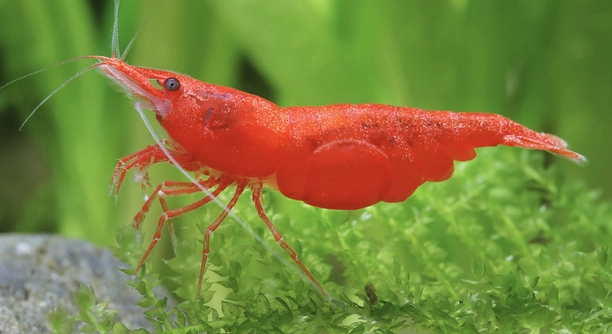
Have you ever noticed tiny changes in your aquarium that hint at new life? Shrimp are small and often quiet, but their behavior and appearance can reveal when they are adjusting well to their surroundings.
Shrimp settling into a tank can be identified by their regular movement, consistent feeding, molting patterns, color intensity, interaction with the environment, response to stimuli, and general health. Observing these factors provides a clear indication of their acclimation progress.
Recognizing these signs early helps you maintain a stable habitat and ensures your shrimp thrive in their new home.
Increased Activity Around the Tank
When shrimp start exploring more, it is often a sign they are feeling comfortable in their environment. You may notice them moving around decorations, plants, or the substrate more than before. Initially, they might hide a lot, especially in a new tank, but as days pass, their activity gradually increases. Some shrimp will swim along the glass or paddle through water, showing curiosity without stress. Regular feeding times can also make them more visible, as they start anticipating food. Watching them move in groups or individually can give you insight into their adaptation. Their movements tend to become smoother and more confident, with less hesitation. Observing these patterns consistently is a good indicator of settling behavior. Tank layout, water temperature, and water parameters all play a role in how quickly shrimp feel safe. Even small changes, like a new plant or hiding spot, can influence how actively they explore their environment.
Increased activity is often linked to a sense of safety. Shrimp that hide constantly may still be adjusting.
Gradual acclimation is key. Shrimp that feel secure show consistent movement throughout the tank. They interact with each other without aggression, explore all areas, and respond calmly to disturbances like water changes. Monitoring these behaviors helps maintain their health and stability.
Consistent Feeding Response
Shrimp that are settling in start showing a reliable reaction to food. They come out promptly when feeding begins and gather quickly around the offered food. This behavior reflects both comfort and recognition of routine.
Regular feeding response shows shrimp are adapting well to tank conditions.
When shrimp consistently respond to feeding, it indicates they have become familiar with the tank’s rhythm. They no longer hesitate or retreat, which can occur during the first few days in a new environment. Observing how they compete for food without signs of stress or aggression also provides clues about their well-being. Consistency in feeding helps reinforce their acclimation, reducing anxiety and promoting healthy growth. Over time, shrimp may even show preferences for certain food types, which further signals they feel safe enough to explore dietary options. Keeping a close watch on feeding behavior allows you to detect early health concerns, as sudden changes might indicate water quality issues or illness. Maintaining clean water and balanced nutrition ensures their response to feeding remains positive. By paying attention to these details, you support a thriving, active shrimp population that feels secure in the tank.
Molting Patterns
Regular molting is a strong indicator that shrimp are adapting well to their tank. You might notice exoskeletons left behind on the substrate or decorations. Healthy shrimp shed consistently without prolonged stress, showing they are growing and adjusting comfortably.
Molting reflects growth and proper environmental conditions. Shrimp that molt regularly are receiving adequate nutrients and experiencing stable water parameters. Missing or irregular molts can signal stress or poor acclimation. It is normal for shrimp to hide immediately before and after molting to protect their soft bodies. Providing plenty of hiding spots and gentle water flow helps them molt safely. Observing discarded shells can also give insight into their health, as damaged or incomplete molts may indicate dietary deficiencies or minor water quality issues.
Monitoring molting frequency ensures shrimp are thriving. Changes in water chemistry, food availability, or temperature can influence this process. By keeping the environment steady, shrimp can continue molting successfully, which supports growth, activity, and overall well-being.
Color Intensity
Shrimp that show vibrant, consistent coloration are generally settling well and are not stressed by their environment. Dull or faded colors can suggest discomfort or illness. Maintaining clean water and balanced feeding routines helps preserve natural color.
Coloration changes can indicate health and stress levels in shrimp. When shrimp adapt to a tank, their pigments develop fully, reflecting proper diet and low-stress conditions. Vibrant hues often appear after several days or weeks, once they have become accustomed to water parameters, lighting, and tank layout. Environmental stressors like high ammonia, low oxygen, or aggressive tank mates can dull color, so careful monitoring is important. Some species may naturally change intensity depending on age or molting cycle, but consistent vibrant coloration typically signals comfort and good nutrition. Observing patterns in color alongside behavior provides a clear picture of overall adaptation and well-being.
Stable water conditions and regular feeding contribute to healthy pigmentation. Shrimp with strong color tend to be more active and visible, exploring the tank confidently. Maintaining a balanced environment ensures that their natural coloration continues to develop without sudden fading, reflecting both physical health and environmental stability.
Interaction With Environment
Shrimp that are settling in start exploring plants, decorations, and substrate confidently. They may climb on leaves, swim around hiding spots, and inspect corners of the tank without hesitation, showing comfort with their surroundings.
Interaction with the environment reflects adaptation. Shrimp that avoid exploration may still feel insecure or stressed, signaling a need for stable conditions.
Response to Stimuli
Shrimp that respond calmly to changes, like water movement or nearby activity, are typically well-adjusted. Sudden disturbances may cause brief retreats, but they return quickly once the area stabilizes, indicating growing confidence and acclimation.
General Health
Healthy shrimp display clear eyes, intact antennae, and smooth shells. Their bodies appear proportional and active, without signs of injury, fungus, or discoloration, confirming they are thriving in the tank.
Social Behavior
Shrimp that are settling often interact gently with each other, sharing space without aggression or dominance struggles. This indicates comfort and a stable group dynamic.
How long does it take for shrimp to settle into a new tank?
Shrimp usually start showing signs of settling within a few days to a week. Initial hiding is normal, and it can take a few weeks for them to explore the entire tank confidently. Factors like water parameters, temperature, and tank layout influence how quickly they acclimate. Providing hiding spots, stable water conditions, and regular feeding routines helps them feel secure. Stressful conditions can slow adaptation, so monitoring behavior and adjusting the tank environment when needed is important.
Why are my shrimp hiding all the time?
Constant hiding often indicates stress, poor water quality, or insufficient hiding spaces. Shrimp feel vulnerable during molting or if water parameters fluctuate. Adding plants, moss, and other shelters can encourage them to venture out. Avoid sudden changes in lighting, water temperature, or introducing aggressive tank mates. Observing water parameters like pH, ammonia, nitrite, and nitrate is essential, as unstable levels make shrimp more likely to stay hidden. Healthy shrimp gradually spend more time exploring as they feel safe.
What does regular molting tell me about my shrimp?
Consistent molting is a clear sign that shrimp are growing and adapting well. Healthy shrimp molt in a stable environment and with proper nutrition. Missing or irregular molts can signal stress, dietary deficiencies, or poor water conditions. Providing soft surfaces and hiding spots during molting reduces risk of injury and improves survival. Monitoring discarded shells helps ensure the shrimp are completing the process fully, which reflects their overall health and comfort in the tank.
How do I know if my shrimp are eating properly?
Shrimp that are settling in tend to respond consistently to feeding. They gather quickly and consume food without hesitation. Uneaten food left for too long can indicate poor appetite or water quality issues. Balanced nutrition supports growth, molting, and vibrant color. Observing how they interact with food, including any preferences, provides insight into their acclimation and well-being. Avoid overfeeding, as leftover food can degrade water quality and stress the shrimp.
Why is shrimp color important?
Color intensity reflects health, comfort, and proper diet. Vibrant shrimp usually indicate low stress and optimal water conditions, while faded or dull colors can signal environmental issues or illness. Lighting, diet, and water quality all influence pigmentation. Maintaining clean water and a consistent feeding routine ensures shrimp maintain their natural color. Sudden changes in color often require checking for stressors or water parameter fluctuations to protect shrimp health.
What are the signs of a stressed shrimp?
Shrimp under stress often hide constantly, show dull coloration, eat less, or have irregular molting. Erratic swimming or lethargy can also indicate discomfort. Stress may come from poor water quality, aggressive tank mates, overcrowding, or sudden changes in temperature or pH. Providing hiding spaces, stable water conditions, and gentle handling helps reduce stress. Regular observation allows you to detect early signs and correct environmental issues before they affect health.
Can shrimp live with other tank mates while settling in?
Yes, but caution is necessary. Peaceful species are less likely to stress shrimp. Aggressive or fast-moving fish can intimidate them, causing hiding and poor feeding. Observing shrimp behavior around new tank mates helps gauge compatibility. Separating shrimp temporarily in a tank divider or acclimating them slowly to other species can reduce stress and improve settling success. Proper planning ensures shrimp feel safe while adjusting to a shared environment.
How often should I check water parameters during acclimation?
Frequent monitoring during the first few weeks is crucial. Daily checks of temperature, pH, ammonia, nitrite, and nitrate help ensure a stable environment. Even minor fluctuations can stress shrimp and slow acclimation. After they settle and show regular activity, monitoring can be reduced to a weekly routine. Maintaining consistent water quality supports feeding, molting, and overall health. Regular testing prevents potential problems before they affect shrimp.
What should I do if shrimp stop settling after several weeks?
If shrimp remain hidden or inactive for an extended period, evaluate water quality, tank conditions, and stressors. Check for ammonia spikes, temperature changes, or aggressive tank mates. Adjusting hiding spots, improving water stability, and ensuring proper feeding may help. Persistent issues may require temporary isolation or consultation with an experienced aquarist. Early intervention prevents long-term health problems and encourages shrimp to resume normal activity.
How do shrimp communicate or signal comfort?
Shrimp communicate subtly through movement and body language. Calm swimming, group clustering, and gentle exploration signal comfort. Retreating during disturbances, hiding during molting, or antenna waving helps them interact with the environment and each other. Observing these behaviors gives insight into stress levels and acclimation progress, guiding adjustments for a stable tank.
Shrimp are small, delicate creatures, and observing them closely can tell you a lot about how well they are adjusting to their tank. When they move confidently, explore their environment, and respond to food consistently, it shows that they are beginning to feel secure. Even small signs, like climbing on plants or swimming in open areas, are important indicators that your shrimp are adapting. It is easy to overlook these details because shrimp are quiet and unobtrusive, but paying attention helps ensure they stay healthy and active. By understanding their behaviors, you can provide an environment that supports their comfort and overall well-being.
Watching shrimp settle is not only about noticing their activity but also understanding their health and growth. Regular molting, vibrant coloration, and intact body features are clear indicators of a thriving shrimp population. Stress, poor water quality, or sudden changes in the tank can slow their acclimation and affect these signs. Providing stable water parameters, balanced nutrition, and plenty of hiding spaces helps them feel safe. Even the timing and response to feeding provide insight into their comfort level. Shrimp that respond promptly to food are generally more settled, while those that remain hidden may need a calmer or more stable environment. Consistent observation allows for early detection of problems and timely adjustments, making a noticeable difference in how quickly they adapt.
Ultimately, creating the right environment is key to helping shrimp feel at home. Stability in temperature, pH, and cleanliness allows them to display natural behaviors and develop trust in their surroundings. While some shrimp may take longer than others to fully settle, patience and careful attention usually lead to success. Understanding their habits, signs of stress, and ways to support them builds confidence in maintaining a healthy tank. Over time, settled shrimp become more active, colorful, and interactive, creating a balanced and lively aquarium. Observing them closely, adjusting their habitat when needed, and maintaining consistent care ensures that shrimp not only survive but thrive, making the tank a more enjoyable and rewarding space.

Hello,
If you enjoy the content that we create, please consider saying a "Thank You!" by leaving a tip.
Every little bit helps us continue crafting quality advice that supports the health, happiness, and well-being of pets around the world, for pets of all shapes, sizes, and species.
We really appreciate the kindness and support that you show us!