
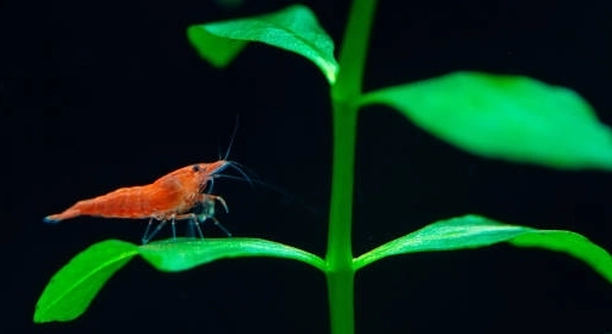
Cherry shrimp are delicate creatures that require careful care in their aquarium environment. Many shrimp owners notice changes in their pets’ behavior, especially after molting, which can be puzzling and concerning at first glance.
Cherry shrimp often stop eating after molting because their exoskeleton is soft and vulnerable. During this time, they focus on hardening their new shell, conserving energy, and avoiding potential predators or stress in the tank.
Observing these behaviors can help shrimp owners maintain a healthier, more supportive environment for their tiny aquatic companions.
Why Molting Affects Their Appetite
After molting, cherry shrimp experience a critical phase where their new exoskeleton is soft and sensitive. During this time, they naturally reduce activity and avoid eating. This behavior is instinctive, as consuming food or moving too much could make them vulnerable to injury or stress. Even in a calm tank, they will prioritize hardening their shell over feeding. Water quality, temperature, and stress levels also play a role, influencing how quickly they resume normal eating patterns. Many shrimp will hide or cling to plants and decorations until their exoskeleton becomes firm. Observing them during this period can help you understand normal behavior versus signs of illness or malnutrition. Providing a calm environment with stable conditions is essential. Some owners notice that adding calcium-rich foods or supplements can support the hardening process. Patience is key, as shrimp will typically return to their regular eating habits once their shell is fully hardened.
Molting can temporarily slow digestion, but it is usually a normal and healthy process.
Watching their behavior closely during molting can help prevent stress and ensure shrimp recover safely without interruption.
Supporting Shrimp During Molting
Offer a calm tank environment with gentle filtration and minimal disturbance.
Feeding should be adjusted during molting, as shrimp may not eat much. Avoid overfeeding, which can degrade water quality and create stress. Instead, provide easily digestible, small portions once they start showing interest in food again. Hiding places like plants, moss, or small decorations are important, as they provide security while shrimp’s exoskeleton is soft. Monitor water parameters closely, keeping ammonia and nitrite at zero, and ensure stable temperature and pH levels. Some aquarists add natural supplements like mineral stones or cuttlebone to support shell hardening. Maintaining a regular tank cleaning routine without disturbing molting shrimp is essential for their comfort. Observing shrimp behavior and understanding these care techniques can reduce the risk of stress-related issues. By providing a stable environment and appropriate food, shrimp can molt successfully and return to normal eating patterns efficiently, promoting healthy growth and activity.
Signs That Your Cherry Shrimp Is Not Eating
Cherry shrimp that stop eating after molting will often hide more than usual. They may cling to plants or decorations and remain mostly still. Their color can appear slightly dull until the exoskeleton hardens.
Other signs include reduced movement and less interaction with tank mates. They may ignore food entirely for a day or two. Some shrimp may even flick their antennae less often, signaling lower activity. Observing them closely during this time helps distinguish normal molting behavior from illness. Water quality, temperature fluctuations, and stress from tank changes can also impact appetite, so monitoring these factors is important.
While some shrimp resume eating quickly, others may take longer. Providing safe hiding spots and maintaining clean, stable water conditions encourages recovery. Avoid chasing or handling shrimp during this period, as disturbance can prolong their inactivity. Consistent observation allows you to respond appropriately if additional care is needed.
Tips to Encourage Eating Post-Molt
Offer small, soft foods in limited amounts.
Start with easily digestible foods like blanched vegetables or specialized shrimp pellets. Introduce them gradually, placing food near hiding spots to make it accessible. Avoid overfeeding, which can degrade water quality and stress molting shrimp further. Observing their interest in food over time helps you adjust feeding amounts. Removing uneaten food promptly keeps the tank clean and reduces harmful bacteria growth. Additionally, maintaining stable water conditions supports recovery and encourages shrimp to eat.
Providing minerals can also help strengthen the exoskeleton. Cut pieces of cuttlebone or mineral stones provide calcium, supporting shell hardening. Balance feeding with tank hygiene to avoid water issues. Shrimp may resume eating gradually, so patience is necessary. Watch for signs of renewed activity, such as antennae movement and climbing, which indicate readiness to eat normally. Combining careful feeding, mineral support, and a calm environment ensures healthier shrimp and reduces the risk of post-molt stress.
Common Mistakes During Molting
Overfeeding can harm shrimp during molting. Extra food can pollute water and stress soft-shelled shrimp.
Disturbing the tank is another mistake. Handling or rearranging decorations while shrimp molt can cause injury or delay shell hardening.
Ensuring Proper Water Conditions
Maintaining stable water parameters is essential for molting shrimp. Ammonia and nitrite should remain at zero, while temperature and pH should be consistent. Frequent fluctuations can stress shrimp and reduce appetite. Proper filtration, gentle water flow, and routine water changes support a healthy environment, helping shrimp recover quickly and resume eating. Adding minerals like calcium can strengthen their new exoskeleton, while hiding spots offer security during this vulnerable stage. Observing water quality and behavior ensures shrimp remain safe, comfortable, and ready to feed again without unnecessary stress.
Watching Recovery Progress
Monitor shrimp activity after molting closely to ensure they regain normal behavior and appetite.
FAQ
Why did my cherry shrimp stop eating after molting?
After molting, cherry shrimp have a soft, vulnerable exoskeleton. They naturally reduce movement and eating to focus on hardening their new shell. Stress, sudden water changes, or poor water quality can make them hide longer, but this behavior is generally normal and temporary.
How long will it take for them to start eating again?
The time varies depending on water conditions and the shrimp’s health. Most cherry shrimp resume eating within a few hours to a couple of days after molting. Ensuring stable temperature, clean water, and hiding places can help speed up their recovery.
Should I feed them while they are molting?
Feeding is not necessary during the initial hours after molting. Shrimp are likely to ignore food. Once you notice slight movement or interest in food, offer small, soft portions like blanched vegetables or shrimp pellets near their hiding spots.
Can poor water quality affect their appetite?
Yes. Ammonia, nitrite, or drastic pH changes can stress shrimp and prolong fasting after molting. Keeping water parameters stable is essential. Regular monitoring and gentle water changes maintain a safe environment, helping shrimp regain their appetite faster.
Is it normal for shrimp to hide after molting?
Yes. Hiding is an instinctive behavior to protect their soft exoskeleton from potential threats, even in a peaceful tank. Providing plants, moss, or small decorations gives them security and reduces stress during recovery.
Do I need to add supplements to help molting?
Mineral supplements like cuttlebone or mineral stones can aid shell hardening. While not strictly required, they provide calcium and other minerals that support healthy exoskeleton development and reduce the risk of soft shell problems in future molts.
What signs indicate a problem after molting?
If shrimp do not eat for several days, appear lethargic, or have discolored or malformed shells, these could indicate stress, disease, or mineral deficiencies. Immediate action, like testing water quality and adjusting diet or adding minerals, is recommended to prevent serious health issues.
Can stress from tank mates affect post-molt behavior?
Yes. Aggressive or fast-moving tank mates may intimidate molting shrimp, causing extended hiding or refusal to eat. Observing shrimp interactions and providing sufficient hiding spots reduces stress and promotes faster recovery.
How can I encourage shrimp to eat after molting?
Offer small portions of soft, nutritious foods near hiding spots. Ensure water parameters are stable and avoid sudden changes in temperature or tank layout. Patience is key, as shrimp gradually regain appetite as their exoskeleton hardens.
Is it safe to handle shrimp after molting?
No. Handling can injure their soft exoskeleton and stress them. Avoid disturbing molting shrimp or rearranging tank decorations until their shell is fully hardened, usually within 24 to 48 hours.
Can repeated molting problems indicate an underlying issue?
Yes. Frequent molting difficulties or prolonged fasting may signal inadequate diet, mineral deficiencies, or poor water conditions. Evaluating feeding practices, water quality, and tank environment can help identify and correct the issue.
Do all cherry shrimp behave the same after molting?
Individual shrimp may vary. Some eat within hours, while others hide for a day or two. Factors like age, health, tank conditions, and stress levels influence behavior, so observing each shrimp is important for proper care.
Are there foods that are better for post-molt recovery?
Yes. Soft foods like blanched spinach, zucchini, or commercial shrimp pellets provide easy nutrition. Avoid hard or large foods immediately after molting, as shrimp may struggle to consume them until their exoskeleton hardens.
Can temperature changes affect their eating habits?
Fluctuating temperatures can slow metabolism and delay appetite recovery. Maintaining stable, appropriate water temperature ensures shrimp remain active, eat normally, and harden their shells efficiently.
How often should I monitor molting shrimp?
Daily observation is enough. Watch for signs of activity, hiding, and gradual interest in food. Avoid over-checking, which can stress them, but ensure water quality and tank conditions remain stable to support healthy recovery.
This FAQ provides guidance for common concerns about cherry shrimp fasting post-molt, ensuring proper care, monitoring, and support for healthier shrimp.
Final Thoughts
Watching cherry shrimp go through molting can be a little stressful at first, especially if they suddenly stop eating. Their inactivity and hiding are normal behaviors, but it can still feel worrying. Molting is a natural process where the shrimp shed their old exoskeleton and grow a new one. During this time, their body is soft and delicate, making them more vulnerable. Most shrimp instinctively reduce movement and stop eating for a short period to protect themselves. This is why providing a calm and stable environment is so important. Avoid sudden changes in the tank, like moving decorations, adding new shrimp, or overfeeding, because these actions can increase stress and slow recovery. Observing them without disturbing their space gives you a better understanding of their behavior and helps you determine whether they are molting normally or if there could be another issue.
After molting, cherry shrimp usually start eating again within a few hours to a couple of days. The exact timing depends on water quality, temperature, and their overall health. Keeping the tank clean, monitoring water parameters, and offering hiding spots encourages faster recovery. Providing small, soft foods like blanched vegetables or shrimp-specific pellets can help them regain energy once they show interest in eating again. Sometimes, adding mineral sources like cuttlebone or mineral stones supports shell hardening and overall health. Each shrimp may behave differently; some resume eating quickly, while others remain hidden longer. Patience is important, as forcing food or disturbing them can make the fasting period last longer. Watching for normal signs of recovery, such as renewed movement, antennae activity, and gradual feeding, is the best way to ensure your shrimp are returning to normal behavior.
Understanding molting behavior helps you care for cherry shrimp more effectively. By keeping water conditions stable, providing suitable food, and giving them safe hiding places, you can reduce stress and support healthy growth. Observing shrimp closely without interfering lets you notice subtle changes in behavior that indicate whether they are healthy or need extra attention. Remember that fasting after molting is usually temporary and part of their natural cycle. The more you pay attention to their needs during this sensitive period, the better chance they have to thrive in the tank. With proper care and patience, cherry shrimp will regain their appetite, harden their exoskeleton, and continue living an active and healthy life. Providing a calm, supportive environment during and after molting is key to helping them remain strong and vibrant.

Hello,
If you enjoy the content that we create, please consider saying a "Thank You!" by leaving a tip.
Every little bit helps us continue crafting quality advice that supports the health, happiness, and well-being of pets around the world, for pets of all shapes, sizes, and species.
We really appreciate the kindness and support that you show us!