
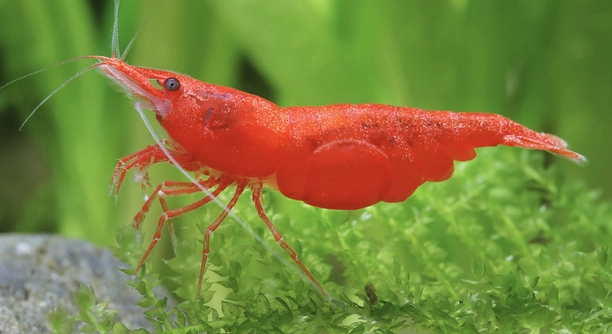
Do you ever notice your cherry shrimp moving around their tank and wonder how light affects them? These tiny creatures are fascinating to watch, and their behavior often changes depending on their environment and lighting.
Cherry shrimp are generally sensitive to bright light and tend to avoid it. Excessive illumination can stress them, causing them to hide or reduce activity. Proper lighting helps maintain a balanced habitat and supports their natural behaviors.
Understanding how light influences their activity and comfort can improve your shrimp keeping experience and ensure a healthier, more balanced aquarium environment.
How Light Affects Cherry Shrimp Behavior
Cherry shrimp respond strongly to changes in light. When their tank is brightly lit, they often retreat to plants, decorations, or shaded corners. This behavior is a natural instinct to protect themselves from perceived threats. Too much light can cause stress, which may reduce feeding and movement. Gradual changes in lighting help them adapt without sudden stress. Observing their patterns during different times of day can give insights into their comfort levels. Some shrimp are more active during low light or at night, so having areas with gentle illumination can encourage natural activity. Overexposure to light can lead to color fading, as stress impacts their pigment. Maintaining a balanced light schedule supports both their health and the overall tank ecosystem. Shrimp seem to prefer subtle, diffused light, which mimics their natural habitat under plants or rocks. Adjusting brightness gradually helps maintain a stable environment for them to thrive.
Careful lighting management improves shrimp activity and reduces stress effectively in aquariums.
Light not only influences behavior but also affects breeding patterns and feeding habits, making it essential for their overall care and well-being.
Signs Your Shrimp Are Stressed by Light
Shrimp hiding or clustering in corners often indicates light stress.
Stress from bright light can lead to inactivity, reduced appetite, and color fading. Observing these signs early allows for quick adjustments, like adding plants or dimming lights, which can improve their comfort. Bright or sudden lighting changes cause them to seek shelter immediately. Chronic stress can even affect molting cycles, making it harder for shrimp to grow properly. Providing shaded areas with floating plants or decorations allows them to retreat when needed. Using a timer to simulate a natural day-night cycle reduces sudden exposure. Subtle changes in tank lighting also help prevent stress-related illnesses, ensuring healthier shrimp over time. Monitoring behavior daily helps you gauge if your lighting setup meets their needs, encouraging a balanced and safe environment.
Maintaining proper light levels is key for their activity, color, and overall health, ensuring your shrimp remain active and vibrant.
Adjusting Tank Lighting for Cherry Shrimp
Too much light can make shrimp hide, while too little slows their activity. Adjusting light gradually helps them adapt. Adding plants or decorations gives them shaded areas.
Proper lighting balance encourages natural behavior. Soft, diffused light mimics their natural habitat and reduces stress. Using a timer ensures a consistent day-night cycle, which helps shrimp stay active during appropriate times. Gradual transitions between light and dark prevent sudden stress. Plants, driftwood, or ornaments create natural hiding spots. Monitoring shrimp behavior helps identify whether the current lighting is suitable. Overly bright tanks can cause color fading and inactivity, while dim areas allow them to explore comfortably. Observing their movement and activity patterns guides further adjustments.
Choosing the right spectrum is also important. Cooler or neutral light tones are gentler on shrimp than harsh, bright white lights. This ensures they remain visible without feeling threatened. Strategic placement of lights can reduce hotspots, letting shrimp move freely while staying protected. Creating a mix of shaded and illuminated zones supports both health and natural behaviors.
Using Plants and Decorations to Reduce Stress
Plants and decorations provide essential hiding spots for shrimp, reducing stress from light. Dense foliage helps them feel secure.
Having plants and decorations in the tank creates multiple shaded areas. Floating plants diffuse light, while tall or bushy plants offer retreat spaces. Rocks and driftwood provide vertical and horizontal hiding zones. These elements mimic natural environments, letting shrimp choose safe areas without disturbing their activity. They can explore open spaces at their own pace and retreat when needed. Decor also improves water quality by supporting beneficial bacteria growth, indirectly benefiting shrimp health. A well-decorated tank allows shrimp to display natural behaviors like grazing and molting safely. Strategic placement ensures light is filtered, preventing direct exposure and minimizing stress. Observing how shrimp use these areas guides adjustments to their environment.
Timing Your Tank Lights
Consistent light schedules help shrimp feel secure. Using a timer ensures predictable day and night cycles.
Limiting light exposure to 8–10 hours daily reduces stress. Sudden changes can cause hiding or inactivity. Gradual transitions make shrimp more comfortable and maintain natural behavior.
Effects of Light on Molting
Bright light can interfere with molting cycles, causing delayed growth or failed molts. Shrimp need shaded, calm areas to molt safely. Proper lighting supports healthy exoskeleton development and prevents unnecessary stress during this vulnerable time. Observing their hiding behavior during molts helps identify if adjustments are needed.
Nighttime Lighting Options
Soft, low-intensity lights allow observation without disturbing shrimp activity. These lights help maintain natural rhythms.
FAQ
Do cherry shrimp prefer bright or dim light?
Cherry shrimp generally prefer dim or soft light over bright illumination. In natural habitats, they live under plants and rocks, which filter sunlight. Bright light can make them hide or reduce activity, while softer lighting encourages normal grazing, swimming, and social behaviors without stress.
How long should aquarium lights stay on for shrimp?
A consistent schedule of about 8–10 hours of light per day is ideal. Using a timer helps maintain this schedule and prevents sudden light changes that may stress shrimp. Too much light can cause hiding, color fading, and reduced feeding, while too little light slows their activity.
Can sudden changes in light harm shrimp?
Yes, abrupt changes can trigger stress responses. Shrimp may retreat to hiding spots, stop feeding, or even experience slowed growth. Gradual adjustments in lighting intensity help them acclimate and maintain regular behavior patterns without fear or confusion.
What kind of light is best for cherry shrimp tanks?
Soft, diffused lights in neutral or cool tones are ideal. Harsh white lights can make them feel exposed. Floating plants or decorations help diffuse light further, giving shrimp shaded areas to feel secure while still allowing observation.
Do shrimp hide only because of light?
Hiding can be caused by multiple factors, including stress, water quality, tank mates, or recent molting. Light is one of the main triggers, but ensuring proper water parameters, plants, and hiding spots is equally important to keep shrimp comfortable and active.
Can light affect breeding in cherry shrimp?
Yes, light intensity and duration influence breeding behavior. Excessively bright tanks may inhibit mating or stress females, delaying egg-laying. Gentle lighting with consistent schedules promotes natural behaviors, supporting reproduction and healthier shrimp populations in the tank.
Is nighttime lighting necessary for shrimp?
Nighttime lighting isn’t necessary but can be useful for observing shrimp activity without disturbing them. Soft, low-intensity lights allow them to move naturally and maintain normal rhythms. Avoid bright night lights, which can interrupt their sleep-like periods and cause stress.
How do I know if my shrimp are stressed by light?
Signs include hiding in plants or decorations, reduced movement, faded colors, or irregular feeding. Stress can also affect molting and reproduction. Adjusting lighting gradually, providing shaded areas, and observing behavior closely help identify and reduce light-related stress.
Does light affect shrimp molting?
Yes, bright or sudden light can make shrimp seek shelter during molting, which is a vulnerable time. Stress during molting can lead to incomplete or failed molts. Providing shaded areas and stable lighting supports safe molting and healthy growth.
Can plants help manage light stress?
Absolutely. Plants offer natural shade and diffuse light, giving shrimp areas to retreat when needed. Floating plants, mosses, and dense foliage reduce exposure to direct light while enhancing the tank environment, improving both comfort and water quality.
Should I adjust light based on shrimp activity?
Observing shrimp patterns helps. If they are mostly hiding, it may indicate excessive light or stress. Adjusting brightness, adding shaded zones, or shortening light duration encourages more natural movement and interaction, improving overall well-being.
Does the type of tank glass affect lighting for shrimp?
Yes, glass type and tank orientation affect light intensity inside. Clear glass allows full brightness, while tinted or frosted glass softens it. Positioning the tank away from direct sunlight also prevents sudden light spikes that could stress shrimp.
How often should I monitor light effects on shrimp?
Daily observation is best. Watch their activity, feeding, and hiding patterns. This helps identify any stress caused by lighting and allows timely adjustments. Consistent monitoring ensures a healthy, comfortable environment for shrimp growth and reproduction.
Are LED lights suitable for shrimp tanks?
LED lights are suitable if adjusted correctly. They produce less heat and can be dimmed or scheduled with timers. Choosing softer tones and avoiding overly bright LEDs ensures shrimp remain comfortable and active while supporting plant growth.
What’s the safest way to increase light gradually?
Increase light intensity in small increments over several days. This gives shrimp time to adapt without causing sudden stress. Pair gradual changes with shaded areas and plants to maintain safe zones for hiding and natural behavior.
Can light affect shrimp color?
Yes, prolonged exposure to intense light can cause color fading. Proper lighting, shaded areas, and balanced day-night cycles help maintain vibrant pigmentation, which reflects both health and comfort.
Is it necessary to adjust light seasonally?
Adjusting light seasonally isn’t critical if using a timer and consistent indoor lighting. However, natural sunlight changes can be compensated by adjusting blinds or adding shade to maintain stable conditions year-round.
Do shrimp become more active under dim lighting?
Yes, dim lighting often encourages grazing and exploring. They feel safer and move more naturally when not exposed to bright, direct light, which reduces hiding and stress.
How can I combine light and plants for optimal shrimp health?
Use a mix of floating and rooted plants to diffuse light. Place decor strategically for shaded zones. Maintain consistent light schedules and adjust intensity based on observed shrimp behavior to ensure activity, comfort, and safe molting.
What are long-term effects of poor lighting on shrimp?
Poor lighting can lead to chronic stress, faded color, reduced feeding, molting issues, and decreased reproduction. Stable, balanced light, combined with plants and hiding areas, prevents these problems and supports healthy, active shrimp populations.
Final Thoughts
Cherry shrimp are small creatures, but their needs are specific. One of the most important factors in keeping them healthy is the lighting in their tank. Too much bright light can make them feel exposed, causing stress that affects their behavior, color, and overall health. On the other hand, too little light can slow their activity and make it harder for them to feed or interact naturally. Finding a balance in lighting is essential. Soft, diffused light that mimics the shaded areas of their natural habitats works best. It allows shrimp to explore comfortably, graze on algae, and move freely without feeling threatened. Using a timer to create consistent day and night cycles helps maintain their natural rhythms, making the tank a more comfortable environment for them. Gradual transitions between light and dark also prevent sudden stress and allow them to adjust naturally.
Providing plants and decorations plays a key role in helping shrimp cope with light. Dense foliage, floating plants, and hiding spots made from rocks or driftwood give them places to retreat when they feel exposed. These shaded areas reduce stress and encourage natural behaviors like grazing, molting, and exploring. Watching how shrimp use these spaces can help you understand their comfort level and whether adjustments to lighting or tank layout are needed. Well-placed plants not only provide shelter but also improve water quality by supporting beneficial bacteria. Over time, creating a mix of shaded and illuminated zones will help shrimp feel secure while still giving them space to be active. Attention to these details ensures they remain healthy, vibrant, and less likely to show signs of stress.
Maintaining proper lighting is not just about comfort; it impacts their growth and reproduction. Stress from poor lighting can lead to molting problems, reduced appetite, and faded color. Balanced, soft lighting encourages normal molting cycles, regular feeding, and even breeding behavior. Monitoring shrimp behavior, activity levels, and color over time allows you to make small adjustments to improve their environment. Using a combination of timer-controlled lighting, shaded areas, and gradual intensity changes ensures that shrimp can thrive without unnecessary stress. By paying attention to their reactions and providing a balanced habitat, you support their well-being and create a tank that is both healthy and visually appealing. Consistent care, including proper lighting, makes it possible to enjoy watching these tiny creatures display their natural, lively behavior every day.

Hello,
If you enjoy the content that we create, please consider saying a "Thank You!" by leaving a tip.
Every little bit helps us continue crafting quality advice that supports the health, happiness, and well-being of pets around the world, for pets of all shapes, sizes, and species.
We really appreciate the kindness and support that you show us!