
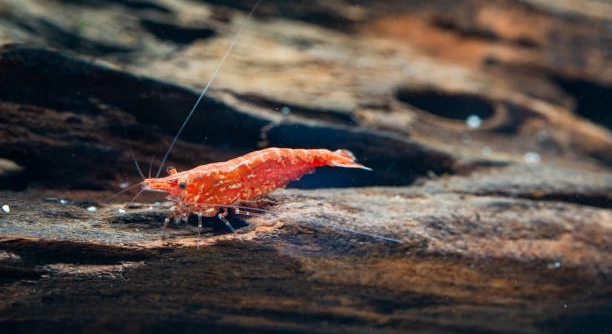
Shrimp in home aquariums sometimes gather around heater cords more than other areas. This behavior can seem puzzling to many hobbyists. Observing their movement closely reveals patterns connected to their environment and comfort.
Shrimp are attracted to heater cords because the warmth creates a stable microenvironment and encourages biofilm growth, which provides food. The consistent temperature along the cord is comforting, especially in cooler parts of the tank, promoting congregation.
Understanding why shrimp prefer these spots can help improve tank management and overall shrimp well-being, ensuring a healthier and more balanced aquatic environment for your pets.
Why Shrimp Are Attracted to Warm Spots
Shrimp often gather near heater cords because they instinctively seek stable temperatures. In many aquariums, water temperature fluctuates slightly depending on tank location, and the heater cord provides a consistent, warm spot. This warmth is especially important for species like cherry shrimp, which are more active and feed more efficiently in slightly warmer conditions. Warm areas also promote bacterial and algae growth, which becomes a convenient food source for shrimp. Observing them closely shows that shrimp do not simply cluster randomly; they often pick specific spots along the cord where biofilm forms and water movement is minimal. Even when the tank is properly heated overall, the heater cord creates a small, comforting microclimate. This microclimate is particularly appealing to juvenile shrimp, which are more sensitive to temperature changes. In addition, the cord’s structure gives a surface to cling to while they graze, providing safety from stronger currents or larger tank mates. Over time, shrimp tend to establish routines around these areas, returning repeatedly to feed and rest.
Shrimp gathering on heater cords is largely due to the warmth and available food on the cord’s surface. They are instinctively drawn to stable, comfortable microenvironments.
Observing these patterns helps aquarium owners understand shrimp behavior better. It also provides insight into how tank layout and equipment placement influence activity. Proper heater placement and careful monitoring ensure shrimp have access to warmth without crowding, allowing for healthier feeding and growth patterns across the tank.
The Role of Biofilm in Shrimp Behavior
Biofilm naturally forms on heater cords and other surfaces submerged in water.
Biofilm is a thin layer of microorganisms that serves as a primary food source for shrimp. It includes bacteria, algae, and detritus that accumulate on surfaces over time. Shrimp spend significant amounts of time grazing on these surfaces, and heater cords provide a reliable place for this activity. In tanks where other surfaces are less productive or heavily trafficked, heater cords become preferred spots. The combination of warmth and food availability makes these cords ideal microhabitats. Over weeks, shrimp learn to revisit these areas consistently, often forming small groups. For aquarists, encouraging healthy biofilm growth on surfaces other than the heater cord can reduce crowding. Methods include adding driftwood, plants, or specialized feeding spots to distribute grazing areas evenly. It’s also important to maintain tank hygiene without fully removing beneficial biofilm. This balance allows shrimp to thrive, minimizes stress, and promotes natural behaviors while maintaining a visually clean and healthy aquarium. Observing how shrimp interact with biofilm along heater cords offers insight into their feeding habits, social patterns, and environmental preferences. Properly managing these factors supports their overall health and enhances tank stability over time.
Tank Placement and Water Flow
Heater cords are often placed in areas with gentle water flow, which shrimp prefer. Strong currents make it harder for them to feed or rest, so calmer areas near the cord become natural gathering points.
Water flow affects shrimp behavior by influencing feeding efficiency and energy use. In areas with strong currents, shrimp expend more energy swimming and have difficulty grazing on biofilm or detritus. Heater cords usually create small pockets of reduced flow, giving shrimp a convenient spot to eat and rest without being swept away. These calmer zones also reduce stress, which is critical for molting and overall health. Placement of decorations, plants, and substrate can alter flow patterns, potentially changing shrimp behavior. Observing where shrimp cluster helps identify areas of the tank that may need adjustment. Even subtle changes in current can shift shrimp activity. For example, adding a sponge filter or repositioning a heater slightly can redistribute these calm zones. By managing water flow thoughtfully, aquarists can encourage more balanced shrimp movement throughout the tank, reducing overcrowding near heater cords and promoting healthier grazing habits.
Shrimp naturally gravitate toward areas where biofilm and warmth combine with gentle currents. These conditions create comfort and stability, allowing them to feed and move with ease while minimizing stress and energy expenditure.
Temperature Stability and Shrimp Health
Consistent temperature is crucial for shrimp metabolism and molting cycles, making heater cords attractive.
Temperature stability directly affects shrimp activity and growth. Sudden fluctuations can stress shrimp, leading to decreased feeding, molting issues, and even health problems. The heater cord provides a consistent thermal environment, which is especially beneficial in larger tanks where temperature can vary across different zones. This steady warmth supports digestion and encourages shrimp to explore and feed more actively, while reducing energy spent on regulating body functions. In addition, juvenile shrimp and delicate species are more sensitive to changes, so access to slightly warmer areas near the cord is vital for survival. Proper monitoring ensures the cord’s warmth does not create excessively hot zones. Combining consistent temperature with healthy biofilm growth allows shrimp to maintain regular feeding routines. Observing shrimp near heater cords can reveal how temperature preferences affect their movement and social interactions, guiding aquarists in arranging tanks for optimal shrimp health and consistent behavior patterns.
Shrimp Safety Around Heater Cords
Shrimp often cling to heater cords because they provide a sense of security. The cord’s structure offers surfaces to grip while they feed or rest, keeping them stable in the water.
Heater cords are usually insulated, so shrimp rarely get harmed. Their small size and careful movements allow them to use these cords safely as resting or feeding spots.
Lighting and Shrimp Behavior
Lighting influences shrimp activity and biofilm growth. Brighter areas encourage algae growth, while dimmer spots make shrimp feel safer, often near heater cords.
Seasonal Changes in Shrimp Activity
Temperature fluctuations and natural light changes affect shrimp behavior. Seasonal variations can alter where they gather and how active they are in the tank.
Managing Shrimp Distribution
Encouraging plants, driftwood, and alternative feeding areas helps distribute shrimp more evenly across the tank. This reduces crowding near heater cords and promotes healthier grazing habits.
FAQ
Why do shrimp always gather on the heater cord?
Shrimp gather on heater cords because the warmth creates a stable, comfortable microenvironment. They also feed on biofilm that forms on the cord, combining warmth and food in one spot. Calm water near the cord makes it easier for them to rest and graze without stress.
Is it dangerous for shrimp to stay on the heater cord?
In most cases, it is not dangerous. Heater cords are insulated and designed for aquarium use. Shrimp are small and move carefully, so they rarely get harmed. However, it is important to ensure the cord is fully covered and not damaged, as exposed wires could pose a risk.
Can I stop shrimp from clustering on the cord?
You can reduce clustering by creating alternative grazing spots. Adding plants, driftwood, or flat stones encourages shrimp to explore and feed elsewhere. Distributing biofilm by gently introducing food in other areas also helps. Proper water flow management can make other parts of the tank equally comfortable.
Does clustering indicate poor tank conditions?
Not necessarily. Clustering often happens due to preference for warmth, calm water, and food availability rather than poor water quality. However, if shrimp are lethargic, losing color, or showing molting problems, it may indicate a water quality issue that needs attention.
Do all shrimp species behave this way?
Most freshwater shrimp, like cherry shrimp or Amano shrimp, show this behavior, but species preferences differ. Some species prefer cooler or shaded areas, while others are more active throughout the tank. Observing the species’ habits helps understand their specific needs and tendencies.
How can I encourage shrimp to explore more of the tank?
Introduce multiple grazing surfaces, such as plants, stones, and driftwood. Adjust water flow so calm areas exist throughout the tank. Feeding in different locations also encourages movement. Maintaining a stable temperature across the tank reduces dependence on a single warm spot like the heater cord.
Does the heater cord affect shrimp growth?
Yes, indirectly. Consistent warmth promotes proper metabolism and digestion, supporting growth and molting. Juvenile shrimp especially benefit from stable temperature zones. Ensuring access to biofilm and grazing areas on and off the heater cord helps maintain balanced growth.
Can overcrowding on the cord cause problems?
Overcrowding can increase stress and competition for food. Shrimp may have limited access to the best biofilm spots. Providing more surfaces and feeding areas reduces crowding and ensures all shrimp can graze efficiently.
Should I clean the heater cord if biofilm builds up?
It is not necessary to remove all biofilm, as it is a primary food source. Light cleaning can prevent excessive buildup that blocks heat or water flow, but leaving some biofilm allows shrimp to feed naturally while maintaining safety.
How often do shrimp return to the heater cord?
Shrimp often revisit the cord daily, especially after feeding or molting. They develop routines based on comfort, food availability, and warmth. Monitoring these patterns can help manage tank layout and ensure shrimp have access to safe, comfortable areas across the aquarium.
Does water temperature affect how often shrimp gather there?
Yes, in cooler tanks, the heater cord becomes more attractive. In tanks with uniform temperature, shrimp may spread out more. Ensuring consistent warmth throughout the tank reduces dependence on a single location.
Can lighting impact shrimp clustering near the heater cord?
Dimly lit areas near the cord often attract shrimp because they feel safer. Bright lighting elsewhere encourages algae growth, providing alternative food sources. Balancing lighting helps distribute shrimp activity across the tank while still offering comfort.
Will adding more heaters change shrimp behavior?
Adding heaters in multiple tank zones can reduce clustering by creating several warm areas. Shrimp then have multiple comfortable microhabitats, lowering stress and encouraging movement and grazing throughout the aquarium.
Is clustering more common in certain seasons?
Yes, seasonal temperature fluctuations or changes in natural light can affect shrimp activity. Cooler periods may increase cord usage, while stable, warmer seasons may allow shrimp to explore the entire tank more freely.
Shrimp gathering on heater cords is a normal and natural behavior in home aquariums. They are drawn to the warmth the cord provides, which creates a small, stable microenvironment in an otherwise variable tank. This warmth helps them regulate their body temperature, stay active, and feed efficiently. In addition, biofilm that grows on heater cords offers a reliable source of food. The combination of comfort, security, and nourishment makes the heater cord a favorite spot for shrimp, especially for juvenile shrimp or delicate species that are more sensitive to environmental changes. Over time, shrimp establish routines around these cords, often returning to the same spots multiple times a day to rest, feed, or graze.
While it may seem unusual to see clusters of shrimp along a heater cord, this behavior is generally harmless. Heater cords are designed to be insulated and safe for aquarium use, so shrimp rarely face any risk when using them. The cords also provide surfaces to cling to, which is useful in areas with gentle water flow. Calm water near the cord allows shrimp to conserve energy while feeding and reduces stress, making these spots even more appealing. Aquarists can observe shrimp behavior to gain insight into their preferences, noticing how they use different areas of the tank depending on water flow, temperature, and available biofilm. Understanding these patterns can help improve tank management and ensure shrimp are comfortable and healthy.
There are steps that can help balance shrimp activity throughout the tank without removing them from their favorite spots. Adding plants, driftwood, or smooth stones provides alternative grazing surfaces and encourages movement. Adjusting water flow to create multiple calm areas can make the tank more inviting overall. Feeding in different locations distributes shrimp more evenly, preventing overcrowding near the heater cord. Maintaining consistent water temperature across the tank supports overall health, reducing the shrimp’s reliance on a single warm spot. By paying attention to these factors, aquarists can ensure their shrimp remain active, healthy, and stress-free while still enjoying the warmth and food provided by the heater cord. This knowledge allows for a well-managed aquarium where shrimp thrive naturally.

Hello,
If you enjoy the content that we create, please consider saying a "Thank You!" by leaving a tip.
Every little bit helps us continue crafting quality advice that supports the health, happiness, and well-being of pets around the world, for pets of all shapes, sizes, and species.
We really appreciate the kindness and support that you show us!