
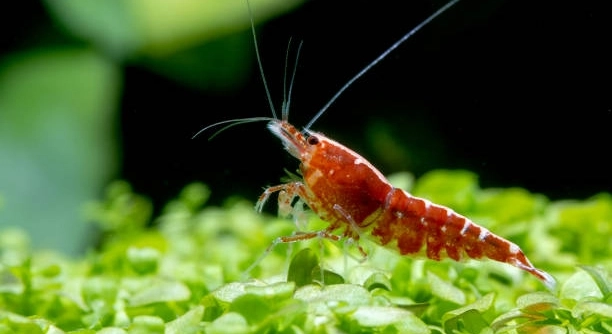
Have you ever spent time watching your cherry shrimp move around the tank and wondered what it thinks of you? These tiny creatures can show subtle signs of recognition and comfort in your presence. Observing them closely reveals their unique behaviors.
Cherry shrimp exhibit signs of attachment through behaviors such as following movements, approaching during feeding, and displaying relaxed body postures. These responses indicate familiarity, comfort, and a developing bond, which can be nurtured through consistent care and gentle interaction.
Recognizing these small signals can help you strengthen your relationship with your shrimp and create a more engaging and healthy tank environment.
Following Your Movements
Cherry shrimp often follow slow movements near their tank, showing curiosity and trust. When you approach, they may swim closer or linger around your hand. This behavior suggests they recognize you as a non-threatening presence. Over time, they may even anticipate feeding times, moving toward the front of the tank when you appear. Light tapping or gentle hand placement near the glass can encourage interaction, making them more comfortable with your presence. Observing their reactions helps you understand their moods and preferences.
This movement-following behavior is one of the clearest signs your shrimp feels secure and connected to their environment with you nearby.
Spending a few minutes daily near the tank helps shrimp become accustomed to your presence. They may initially retreat but gradually approach. Providing consistent, gentle interactions reinforces their trust. Feeding at predictable times and avoiding sudden movements increases the likelihood they will respond positively, creating a subtle yet meaningful bond between you and your shrimp over time.
Responding to Food
Cherry shrimp quickly learn to associate you with feeding. They may swim actively or cluster when food is introduced, indicating recognition and comfort.
When your shrimp respond eagerly to food, it reflects their growing trust and awareness of your care. Regular feeding at consistent times strengthens this bond.
Feeding time offers a chance to interact without stress. Observing how they react to different foods reveals their preferences and comfort levels. Some shrimp may approach immediately, while others take their time, showing individual personalities. Offering small amounts prevents overfeeding and keeps them healthy. Over time, they begin to anticipate food, moving closer to the glass or even waiting near your hand. This behavior is not just about hunger—it reflects recognition and familiarity. Combining feeding with calm interaction, such as gentle hand movements near the tank, reinforces their sense of safety. Monitoring their reactions over several weeks allows you to identify patterns in behavior and adjust care accordingly. Through patience and observation, feeding becomes a shared routine that deepens your connection with these tiny creatures.
Spending Time Near the Tank
Cherry shrimp often adjust their behavior when you spend time near the tank. They may explore more or stay close to areas you linger, showing comfort and familiarity. Regular presence helps them feel secure, strengthening their recognition of you over time.
Consistently spending time by the tank encourages shrimp to associate you with calm and safety. Shrimp may gradually move closer to the glass, observing your actions without fear. Over several days, they learn routines like when you refill water or feed them. This consistent presence reduces stress, making shrimp more active and interactive. They may even swim toward the front when they see you approaching, a subtle but clear sign of recognition. Maintaining calm movements and avoiding tapping the glass helps them remain comfortable. Quiet observation and gentle interaction reinforce their trust and make them more willing to respond to your actions.
Being patient and observing patterns is key. Some shrimp take longer to feel comfortable, while others react quickly. Differences in personality, size, and age influence how they respond to your presence. Younger shrimp may be more curious, while older shrimp can be cautious. Environmental factors like water temperature, tank decorations, and hiding spots also affect behavior. Providing predictable routines, such as feeding and maintenance at the same time, increases confidence. Over time, you notice small gestures: hovering near your hand, swimming alongside movements, or exploring new tank areas when you’re near. These interactions may seem minor, but they reflect a meaningful level of comfort and trust.
Gentle Hand Movements
Cherry shrimp respond to slow, calm hand movements near the glass. Quick or sudden actions may startle them, but gentle gestures encourage curiosity and interaction.
Introducing your hand slowly allows shrimp to associate it with non-threat and potential food. Repeated exposure without sudden disturbances builds trust.
Using hand movements strategically helps shrimp become accustomed to human interaction. Begin by placing your hand just outside the tank, moving it slowly side to side. Some shrimp will approach cautiously, exploring the area near your fingers. Over days, they may hover or swim along the hand, indicating comfort. Avoid sudden taps or rapid motions that can trigger retreating behavior. Combining hand presence with feeding or observing them creates a positive experience. This method also helps shrimp feel more confident in their environment, reducing stress-related hiding and inactivity. By consistently practicing gentle movements, you enhance the shrimp’s ability to recognize and respond to you, creating a subtle bond that grows over time.
Hovering Around Plants
Cherry shrimp often hover near plants when they feel comfortable. They may stay close to areas you frequent, showing recognition and a sense of safety. Observing them here can reveal their moods and trust levels.
Hovering behavior near plants also indicates they are relaxed. When they feel secure, they explore without hiding.
Cleaning or Grazing
Shrimp spend time grazing on surfaces, algae, or decorations. This behavior is normal and shows they are comfortable in their environment. Consistent, calm observation allows you to notice changes and patterns in their activity.
Quick Movements When Approached
Some cherry shrimp respond with sudden movements if they feel startled. Over time, repeated gentle interactions reduce these reactions, showing growing trust and familiarity with your presence.
Relaxed Posture
A relaxed posture, such as floating calmly or gently swaying, signals contentment. When shrimp are at ease, it reflects comfort with their surroundings and your presence.
How can I tell if my cherry shrimp likes me?
Cherry shrimp show signs of comfort and recognition through small behaviors. They may follow your movements outside the tank, approach the glass during feeding, or hover near areas you frequent. Relaxed postures, gentle swaying, and calm grazing are also signs they feel safe with your presence. Observing these behaviors over time helps you understand their level of trust.
Why does my shrimp swim toward me during feeding?
Shrimp learn to associate you with food. When they swim toward you during feeding, it shows recognition and comfort. Consistent feeding schedules strengthen this connection. Over time, shrimp may anticipate your presence and respond quickly, signaling growing familiarity and a subtle bond with you.
What does it mean when my shrimp hides?
Hiding is normal and can indicate several things. Shrimp retreat when stressed, frightened, or molting. Frequent hiding does not always mean they dislike you. Ensure water conditions are stable, and provide safe spaces in the tank. Gradual, gentle interactions encourage shrimp to feel secure and reduce hiding behavior over time.
Can cherry shrimp recognize individual humans?
Shrimp respond to consistent routines and presence. While they may not recognize humans individually in the way pets like cats do, they do respond to familiar movement patterns, feeding times, and calm hand gestures. This recognition shows growing trust and comfort in your presence.
How can I bond with my cherry shrimp?
Bonding involves consistency and patience. Spend time near the tank, use slow hand movements, and feed at predictable times. Avoid tapping the glass or making sudden gestures. Over time, shrimp learn that your presence is safe and may swim closer, explore more, and even hover near you during feeding.
Is it normal for some shrimp to be shy?
Yes, shrimp have individual personalities. Some are naturally cautious, while others are curious. Shy shrimp may take longer to approach or explore. Providing hiding spaces, maintaining stable water conditions, and practicing gentle, calm interactions encourages them to feel more comfortable over time.
Why does my shrimp react differently to me than others?
Reactions vary due to personality, age, and past experiences. Younger shrimp may be more curious, while older or timid shrimp move slowly or hide. Regular, predictable care, including calm movements and gentle feeding, helps all shrimp gradually respond positively to your presence.
Can shrimp feel stressed by my presence?
Yes, sudden movements, tapping, or leaning heavily on the tank can stress shrimp. Signs include rapid swimming, hiding, or clinging to surfaces. To reduce stress, move slowly near the tank, maintain consistent routines, and create safe areas within the tank.
How long does it take for shrimp to get used to me?
The timeline varies. Some shrimp may show recognition within days, while others take weeks. Consistency in feeding, gentle hand presence, and calm observation encourages faster familiarity. Patience is key to building trust, and gradual interactions are more effective than forcing contact.
What are the signs my shrimp is comfortable around me?
Comfortable shrimp display calm swimming, hovering near the front of the tank, approaching during feeding, and relaxed grazing. They may follow slow movements outside the tank and explore more openly. Over time, these behaviors indicate they recognize your presence and feel secure.
Can I interact with shrimp without stressing them?
Yes, but interactions should be gentle and predictable. Place your hand slowly near the glass, avoid tapping, and maintain a calm presence. Feeding alongside these interactions helps shrimp associate you with positive experiences, increasing comfort without causing stress.
Do shrimp respond differently to multiple people?
Shrimp respond to consistency rather than individual identity. Multiple people who interact calmly and predictably may be equally recognized over time. Differences in reaction usually reflect approach speed, movement style, or routine rather than personal preference.
How do water conditions affect shrimp bonding?
Stable water conditions are crucial. Stress from poor water quality reduces shrimp activity and willingness to interact. Clean water, proper temperature, and hiding spaces create a safe environment where shrimp feel secure enough to respond to your presence and engage more openly.
Can feeding habits improve shrimp trust?
Yes, predictable feeding strengthens recognition. Shrimp associate your presence with food, increasing comfort and positive responses. Small, consistent meals prevent stress and encourage interaction. Observing their eagerness or timing during feeding helps you gauge their level of trust and comfort around you.
What if my shrimp never approaches me?
Some shrimp remain cautious despite gentle interaction. This is normal and can result from personality, age, or environmental factors. Focus on maintaining calm routines, providing hiding spots, and allowing shrimp to explore on their own terms. Over time, some may gradually become more interactive.
This FAQ section provides guidance on recognizing signs of comfort, building trust, and understanding individual behaviors in cherry shrimp. Observing patterns, being patient, and maintaining a calm, stable tank environment are key to fostering subtle but meaningful connections.
Cherry shrimp are small, delicate creatures, but they can show subtle signs of comfort and recognition when they feel safe in their tank. Spending time observing their behavior allows you to notice these little gestures, like following slow movements, hovering near plants, or swimming toward the glass during feeding. These actions may seem minor, but they indicate a level of trust and familiarity that can develop over time. Each shrimp behaves differently, and some may be more cautious while others are naturally curious. Understanding their personalities and responding with gentle care is important for building a positive relationship.
Consistent routines play a major role in helping shrimp feel secure. Feeding at the same times each day, providing stable water conditions, and interacting in calm, slow movements all contribute to a sense of safety. Shrimp respond well to predictability because it reduces stress and allows them to anticipate positive experiences. Over time, you may notice that they become more active when you are nearby, exploring the tank more freely and reacting less fearfully to your presence. Even small gestures, like placing your hand near the glass or watching quietly, can help them become more comfortable. These routines are not just about creating interaction; they also improve overall health and activity, as shrimp that feel safe are more likely to feed and move normally.
Patience is key when bonding with cherry shrimp. They do not form attachments in the same way pets like cats or dogs do, but they can recognize and respond to consistent care. Some shrimp may take days to respond, while others may take weeks or longer to show trust. Accepting these differences and providing a calm, stable environment allows each shrimp to adjust at its own pace. By observing patterns, responding gently, and maintaining proper care, you create an environment where shrimp feel secure and display natural, comfortable behaviors. Over time, these small signs of recognition—following movements, relaxing near plants, or responding to feeding—can form a meaningful connection between you and your shrimp, making their tank a more engaging and enjoyable space for both of you.

Hello,
If you enjoy the content that we create, please consider saying a "Thank You!" by leaving a tip.
Every little bit helps us continue crafting quality advice that supports the health, happiness, and well-being of pets around the world, for pets of all shapes, sizes, and species.
We really appreciate the kindness and support that you show us!