
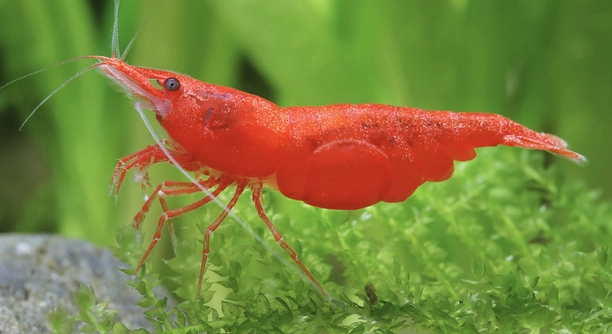
Have you ever noticed your shrimp hiding in the corners of their tank, avoiding interaction or moving only when absolutely necessary? Many shrimp owners find that their pets seem timid at first, making observation a challenge.
Shrimp can gradually become more comfortable with their environment through consistent care, proper tank setup, and gentle interactions. Creating stable water conditions, providing hiding spaces, and introducing food slowly can encourage shrimp to explore and behave less shyly over time.
Learning these small steps can improve your shrimp’s confidence and make them more visible in their tank. With patience, you can help them feel more at ease.
Setting Up a Comfortable Habitat
A calm, well-maintained tank is essential for helping shrimp feel secure. They respond to stable water conditions, appropriate temperature, and consistent lighting. Adding plants, rocks, and small hiding spots allows them to retreat when they feel threatened, which builds their confidence over time. Many beginners overlook the importance of gradual acclimation. Introducing shrimp too quickly into a new tank can increase stress, making them hide for longer periods. Observing water parameters like pH, ammonia, nitrite, and nitrate ensures their environment remains safe. Gentle filtration prevents strong currents that can scare shrimp. Even the placement of decorations can influence their comfort; taller plants and shaded areas give them a sense of security. Feeding should be done slowly, scattering food across different spots so shrimp can forage without feeling rushed. Over time, a carefully arranged tank encourages natural behaviors, making shrimp more active and visible.
Creating a safe habitat reduces stress and increases interaction. They respond quickly to consistent care.
Proper habitat setup impacts shrimp behavior and long-term health. By combining stable water, thoughtful decorations, and gradual feeding, shrimp slowly gain confidence. Over weeks, shy individuals begin exploring more, interacting with their surroundings, and feeding openly, which improves observation and enjoyment. Careful attention to each element—from hiding spots to gentle water flow—supports their natural instincts, allowing them to thrive in the tank environment.
Gentle Feeding Techniques
Consistent, slow feeding helps shrimp feel less threatened. They are more likely to come out when food is predictable and easy to reach.
Feeding in small amounts throughout the day encourages natural foraging. Avoid overfeeding, as leftover food can pollute the tank.
Shrimp are sensitive to sudden movements, so placing food in the same spot every day helps them anticipate feeding without stress. Breaking food into smaller pieces allows multiple shrimp to feed at once, reducing competition and promoting confidence. Observing how they respond to different foods can inform which types they prefer and feel safest eating. Rotating food occasionally adds variety, stimulating activity and curiosity. Over time, shrimp that were initially shy begin approaching the feeding area, exploring decorations, and interacting more with other tank mates. Feeding becomes not only nourishment but a way to gently build trust and improve visibility in the tank. Regular monitoring ensures the environment remains clean, further supporting a calm and confident shrimp population.
Minimizing Tank Disturbances
Shrimp are highly sensitive to sudden movements and vibrations. Minimizing activity around the tank helps them feel safe and encourages exploration.
Frequent tapping on glass or rearranging decorations can make shrimp retreat for hours. Even adjusting lighting too abruptly can startle them. Maintaining a calm environment with consistent conditions allows shrimp to gradually trust their surroundings. A stable routine in feeding, cleaning, and monitoring water parameters reassures them that no sudden changes are threatening. Over time, they learn to explore exposed areas and interact more freely. Small, predictable actions from the caretaker make a big difference in building their confidence and reducing shyness.
Limiting disturbances allows shrimp to develop normal behaviors faster. Observing them in a calm setting helps identify their comfort zones and preferred hiding spots, which guides future tank management.
Social Interaction and Observation
Shrimp learn from seeing other shrimp behaving confidently. Placing shy individuals with more active ones encourages them to explore the tank more.
Introducing compatible tank mates can reduce isolation and create a sense of safety. Watching others feed or move freely motivates shy shrimp to imitate these behaviors. Over time, timid individuals start venturing from hiding spots to forage, explore decorations, and swim openly. Social observation also provides cues about where food is safest to eat and which areas of the tank feel secure. Careful selection of companions prevents aggression or stress, ensuring a positive social environment that encourages activity and reduces anxiety.
Regular observation not only builds knowledge of shrimp behavior but also reinforces a consistent, gentle presence in the tank. By quietly watching their interactions and responses, it’s possible to adjust the habitat, feeding routines, and decorations to further support confidence, activity, and overall health. Shy shrimp benefit from both companionship and the stability created by attentive, consistent monitoring.
Gradual Light Adjustments
Shrimp are sensitive to bright or sudden lighting changes. Slowly increasing or decreasing light intensity helps them feel secure.
Using a timer to maintain consistent day and night cycles reduces stress. Shy shrimp respond better when lighting changes are predictable and gentle.
Adding Hiding Spots
Providing plants, rocks, and small decorations allows shrimp to retreat when stressed. This reduces fear and encourages exploration. Over time, shy shrimp become more comfortable leaving these safe zones to forage and interact.
A variety of hiding places helps balance security with visibility. Dense plants offer protection, while open areas encourage confidence. Shrimp can choose where to be based on comfort, which gradually improves their activity levels and reduces long-term shyness. Proper placement and gradual introduction of new decorations prevent sudden stress and create a stable environment that fosters natural behavior. Observing how shrimp use these spaces informs future tank arrangements for better confidence.
Gentle Water Flow
Strong currents can intimidate shy shrimp. Adjusting filters or using gentle flow settings allows them to move freely and explore without fear.
FAQ
How can I tell if my shrimp are stressed?
Shrimp that are hiding constantly, moving very little, or refusing food are often stressed. Frequent molting problems or unusual color changes may also indicate stress. Monitoring water quality, tank conditions, and interactions with other inhabitants can help pinpoint sources of discomfort.
Can shrimp really get used to human presence?
Yes. Shrimp gradually become more comfortable with regular, gentle activity around their tank. Avoid sudden movements or tapping on the glass. Over time, they will recognize your presence as non-threatening and may even approach food or decorations when you are nearby.
How often should I feed my shrimp?
Feeding small amounts once or twice daily works best. Overfeeding can pollute the tank, while underfeeding may cause stress or inactivity. Scattering food around multiple locations allows shy shrimp to find it safely without competition. Variety in food types can also stimulate activity and confidence.
Do hiding spots really help shy shrimp?
Absolutely. Shrimp use plants, rocks, or small decorations to feel safe. Multiple hiding spots allow them to retreat when needed while exploring at their own pace. Gradually, they will spend more time in open areas once they feel secure in the tank.
What water parameters should I watch closely?
Shrimp are sensitive to pH, ammonia, nitrite, nitrate, and temperature. Sudden fluctuations can increase shyness and stress. Keeping parameters stable and within the species’ recommended range supports confident, healthy shrimp that interact more openly with their environment.
Can shrimp become shy again after getting used to the tank?
Yes, changes such as new tank mates, decorations, or water conditions can make shrimp retreat. Maintaining a calm environment and reintroducing stability quickly helps them regain confidence without prolonged hiding. Observation during changes is key to minimizing stress.
Does tank size affect shrimp shyness?
Smaller tanks may cause stress due to limited space or stronger currents, while very large tanks may make shrimp feel exposed if hiding spots are sparse. A well-planned medium-size tank with enough decorations offers balance, helping shrimp explore safely without feeling threatened.
How long does it take for shrimp to stop being shy?
It varies. Some shrimp adjust in a few days, while others take several weeks. Consistent care, stable water conditions, gentle feeding, and proper tank setup gradually reduce shyness. Patience is essential, as pushing shrimp too quickly can delay progress.
Will shrimp interact with each other if they are shy?
Yes, but interactions may be limited at first. Observing other shrimp foraging or swimming can encourage shy individuals to explore. Group dynamics matter, so choosing peaceful, compatible shrimp can promote confidence and more natural social behavior over time.
Is it necessary to adjust light for shy shrimp?
Moderate lighting or gradual transitions from dark to light periods reduce fear. Sudden bright light can make shrimp retreat. Using a timer for day-night cycles and dimming lights slowly during changes helps them feel secure while encouraging movement and feeding.
Can I train shrimp to come out for food?
To some extent. Regular feeding routines in consistent spots help shrimp recognize safe opportunities to eat. Over time, they may approach food more quickly and venture out from hiding, especially if the environment feels stable and predictable.
Do shrimp recognize their tank mates?
Shrimp may not recognize individuals like mammals do, but they notice patterns and behaviors. Observing active shrimp can encourage shy ones to move more. Consistent tank mates help create a predictable social environment, reducing stress and fostering confidence.
Is water flow important for shy shrimp?
Yes, gentle water flow is ideal. Strong currents can scare them, causing prolonged hiding. Using filters with adjustable flow or strategically placing plants and rocks to break currents allows shrimp to navigate the tank comfortably. A calm flow encourages exploration and reduces fear-based behavior.
How do I know if my shrimp are finally comfortable?
Shrimp that venture into open areas, feed regularly, and interact without retreating show increased confidence. Observing gradual increases in activity and visibility indicates that your care routines, tank setup, and feeding strategies are effectively reducing shyness.
Are some shrimp naturally shy?
Yes. Species and individual personalities influence behavior. While care and environment can improve confidence, some shrimp will always prefer hiding more than others. Understanding their natural tendencies helps set realistic expectations for behavior in the tank.
What role does water temperature play in shrimp confidence?
Stable, species-appropriate temperatures reduce stress. Sudden changes make shrimp retreat and hide. Using a reliable heater or thermometer ensures consistency, which supports exploration, feeding, and general activity levels, helping shy shrimp feel safe and secure.
Can adding plants really change behavior?
Plants provide cover, reduce stress, and mimic natural habitats. They create microenvironments for shrimp to feel safe while exploring. Dense planting combined with open swimming spaces encourages shy shrimp to gradually leave hiding spots without feeling threatened.
How often should I clean the tank without stressing shrimp?
Partial water changes once a week are usually sufficient. Cleaning should be gentle, avoiding sudden movement or disturbing decorations too much. Gradual, consistent maintenance keeps water quality high while minimizing stress, helping shy shrimp maintain confidence.
Do shrimp respond differently to different types of food?
Yes, some shrimp prefer algae wafers, blanched vegetables, or specialized pellets. Introducing new foods gradually allows shy shrimp to feel safe while foraging. Observing preferences can improve feeding routines and encourage more active, confident behavior in the tank.
Is it possible to completely eliminate shyness?
Not entirely. Shyness is a natural behavior in shrimp. The goal is to reduce fear and encourage exploration. With consistent care, proper habitat, and gentle feeding, shy shrimp can become noticeably more active, visible, and engaged, even if some natural timidity remains.
This FAQ provides practical guidance for reducing shrimp shyness and supporting their well-being in a calm, structured environment.
Final Thoughts
Helping shrimp feel less shy takes patience and attention. Shy shrimp often hide in corners or under decorations, which is natural behavior. Over time, with stable water conditions, gentle feeding, and a calm environment, they can start to explore more openly. Small changes, like adding hiding spots or adjusting lighting, can make a noticeable difference. Observing their behavior helps you understand what makes them comfortable and what causes stress. By keeping routines consistent, shrimp gradually gain confidence and become more active in the tank, making them easier to enjoy and care for.
Every shrimp is unique, and some are naturally more cautious than others. Providing a variety of hiding places allows them to retreat when needed while still offering areas to explore. Food placement and feeding schedules are also important. Scattering food in multiple spots encourages shy shrimp to leave hiding without feeling threatened by competition. Gentle water flow and stable tank conditions are crucial as well. Sudden changes in water quality, temperature, or light can make shy shrimp retreat. Monitoring these factors carefully ensures that the tank environment remains safe and predictable, which is key for building confidence over time.
Consistency is the most important factor in helping shrimp become less shy. Over weeks and months, you will notice small improvements, such as shrimp moving into open areas, feeding more openly, and interacting with their tank mates. Even shy species can adapt to a well-maintained environment when they feel safe. Patience and observation are essential, as pushing shrimp too quickly can cause stress and setbacks. By focusing on gentle care, stable routines, and appropriate tank setup, you can help your shrimp gradually become more confident. The process may take time, but seeing shy shrimp become active and visible makes the effort worthwhile and contributes to a healthy, balanced tank ecosystem.

Hello,
If you enjoy the content that we create, please consider saying a "Thank You!" by leaving a tip.
Every little bit helps us continue crafting quality advice that supports the health, happiness, and well-being of pets around the world, for pets of all shapes, sizes, and species.
We really appreciate the kindness and support that you show us!