
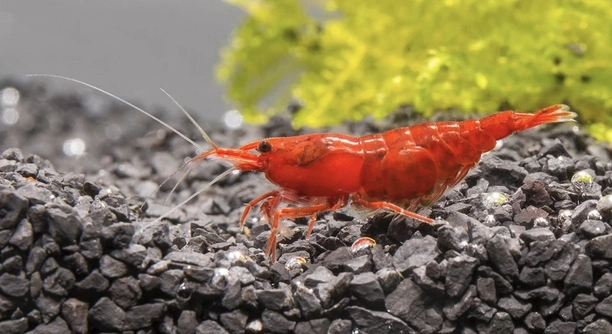
Many aquariums host a variety of shrimp, yet it is common to notice one shrimp dominating the others. Observing this behavior can be surprising, especially when all shrimp appear to share the same environment.
One shrimp often bullies the rest due to competition for food, territory, or mates. Dominant shrimp establish hierarchy by chasing or pinching others, ensuring access to resources and reducing threats from fellow tank inhabitants.
Recognizing these patterns can help maintain a healthier tank environment and reduce stress among all the shrimp in your care.
Understanding Shrimp Social Behavior
Shrimp naturally form social hierarchies, and it is normal to see one shrimp acting more aggressively than others. This behavior is not necessarily harmful if there is enough space and resources in the tank. Territorial disputes often arise when multiple shrimp compete for hiding spots, surfaces, or feeding areas. Observing your tank carefully can reveal patterns in how certain shrimp assert dominance. Dominant shrimp will often chase or nip at smaller or less assertive shrimp. Over time, other shrimp usually learn to avoid confrontations, establishing a balance in the tank. Environmental factors such as tank size, decorations, and food distribution also influence how often bullying occurs. By adjusting these factors, it is possible to reduce aggressive interactions and help all shrimp coexist more peacefully. Even minor changes, like adding extra hiding spots or spreading food around, can significantly impact the tank’s social dynamics. Understanding shrimp behavior allows for better care and a calmer aquatic environment.
Careful observation is key to identifying which shrimp are more dominant and how they interact with others in the tank.
Adjusting the environment to support all shrimp helps maintain harmony. Ensuring multiple hiding spots, even food distribution, and adequate space reduces bullying. Keeping water parameters stable and feeding regularly ensures less stress, which often lowers aggression. Overcrowding can worsen conflict, so monitoring the number of shrimp is essential. By combining observation with small changes, the tank becomes more balanced. It is possible to create a stable environment where shrimp establish their natural order without constant conflict. This approach helps prevent injuries, stress, and unusual deaths among the tank population.
Preventing and Managing Aggression
Providing enough space and hiding areas reduces aggressive behavior among shrimp.
Bullying can escalate if certain shrimp feel threatened or underfed. Regularly observe feeding times to ensure all shrimp get sufficient nutrition. Rearranging tank decorations occasionally can break established territories and reduce dominance struggles. Introducing plants, rocks, or small caves allows less dominant shrimp to find shelter and escape confrontations. Overcrowded tanks often increase aggression, so maintaining a proper population for your tank size is essential. Monitoring water quality is equally important, as stress from poor conditions can amplify territorial behavior. Temperature and pH stability also contribute to calmer interactions. Feeding small portions in multiple areas helps prevent competition and ensures every shrimp receives food. Careful attention to these details creates a balanced environment where bullying is minimized. Following these strategies consistently supports the overall health and wellbeing of all your shrimp while preserving the natural social order in the tank.
Signs of Shrimp Bullying
Shrimp chasing, pinching, or constantly cornering others are clear signs of bullying. Smaller shrimp may hide more often, lose weight, or show damaged tails or legs. Monitoring these behaviors helps determine if intervention is needed to maintain a healthy tank.
Aggressive shrimp often patrol their area, making smaller shrimp avoid open spaces. Food access can become unequal, with dominant shrimp eating first and leaving little for the others. Over time, weaker shrimp may show stress by staying hidden or moving less. Changes in coloration or damaged limbs are also common indicators. Observing feeding times and general tank activity provides insight into which shrimp are being bullied. Making small adjustments, like adding hiding spots or feeding in multiple areas, can help balance interactions. Maintaining a calm and stable environment reduces stress for all shrimp and prevents further aggressive incidents.
Tracking these signs consistently is crucial for tank health. Aggressive shrimp behavior rarely disappears on its own and may require proactive steps.
Environmental Factors Influencing Aggression
Tank size and decoration layout directly affect shrimp interactions. Smaller tanks with few hiding spots often increase competition, while spacious tanks reduce territorial disputes and stress among inhabitants.
Overcrowding is a major contributor to aggression, as limited space forces shrimp into close contact. Dense vegetation or rocks can either provide shelter or create contested territories, depending on placement. Uneven food distribution can also intensify bullying, as dominant shrimp consume more while others starve. Stable water parameters help reduce stress, which can worsen aggressive tendencies. Sudden changes in temperature, pH, or chemical balance may provoke disputes and lead to injury. Monitoring shrimp behavior alongside environmental conditions allows for timely adjustments, helping weaker shrimp find safe spaces and ensuring all individuals receive adequate nutrition. Proper tank management encourages natural hierarchy without excessive conflict.
Common Triggers for Bullying
Limited hiding spots often lead to one shrimp dominating the others. Food scarcity can also make aggression more frequent, as shrimp compete for access.
Introducing new shrimp without careful acclimation can trigger fights. Territorial disputes arise when space or resources are suddenly contested.
Feeding Practices to Reduce Aggression
Feeding shrimp in multiple locations reduces competition and ensures everyone gets enough nutrition. Using sinking pellets or small portions spread throughout the tank prevents dominant shrimp from taking all the food. Regular feeding schedules help shrimp establish routine behaviors and minimize stress-induced aggression. Observing shrimp during feeding also allows identification of weaker individuals and ensures they are eating properly. Combining proper feeding with adequate hiding spots and environmental stability encourages calmer social interactions. Even minor changes in feeding strategy can significantly reduce bullying incidents and help all shrimp thrive.
Adjusting Tank Layout
Rearranging rocks, plants, and decorations can break established territories and reduce bullying.
FAQ
Why is one shrimp always chasing the others?
Shrimp chase others mainly to establish dominance or protect territory. Dominant shrimp secure access to food, hiding spots, or potential mates. This behavior is normal but can become stressful if space is limited or resources are scarce. Adjusting the tank layout and providing multiple hiding spots often reduces chasing.
Can shrimp get hurt from bullying?
Yes, bullying can cause injuries such as torn tails, missing limbs, or damaged antennae. Stress from constant harassment can weaken the immune system, making shrimp more prone to disease. Observing interactions and providing adequate space and shelters helps prevent serious injuries.
How do I know if bullying is affecting my shrimp’s health?
Signs include constant hiding, reduced movement, weight loss, faded coloration, and damaged limbs. Stressed shrimp may eat less or stop molting properly. Monitoring behavior daily allows for early detection and corrective action before serious harm occurs.
Will adding more shrimp help reduce bullying?
Not always. Overcrowding can increase aggression and competition. Adding shrimp only helps if there is enough space, hiding spots, and evenly distributed food. Careful planning is needed to maintain a balanced social hierarchy in the tank.
Do certain shrimp species bully more than others?
Yes, some species are naturally more aggressive. For example, Amano shrimp are usually peaceful, while some Caridina varieties can be more territorial. Knowing the temperament of your shrimp species helps predict interactions and manage bullying effectively.
Does water quality affect shrimp aggression?
Poor water quality increases stress, which can trigger aggression. Stable temperature, pH, and ammonia levels are essential. Regular water changes and testing keep shrimp calmer and reduce fights. Stress-free shrimp are less likely to engage in bullying.
How can I protect weaker shrimp from bullies?
Provide plenty of hiding places such as plants, rocks, or decorations. Feeding in multiple locations ensures weaker shrimp get enough food. Rearranging the tank occasionally can break up established territories and give less dominant shrimp safer areas.
Is it normal for shrimp to nip each other during molting?
Yes, freshly molted shrimp are soft and vulnerable. Dominant shrimp may nip at them to assert dominance. Extra hiding spots and a stress-free environment help molting shrimp recover safely without constant harassment.
Can changing tank decorations reduce bullying?
Yes, rearranging plants, rocks, or caves disrupts established territories. This forces dominant shrimp to re-establish their zones, giving less aggressive shrimp a chance to explore and reduce stress. Regular minor adjustments maintain balance in the tank.
How often should I observe my shrimp for bullying behavior?
Daily observation is ideal. Watching interactions during feeding and routine activity helps spot aggressive shrimp early. Early intervention prevents injury, ensures all shrimp get enough food, and maintains a healthy, calm tank environment.
Does diet influence shrimp aggression?
Yes, consistent and sufficient feeding reduces competition and stress. Nutrient-rich foods that are spread evenly throughout the tank prevent dominant shrimp from monopolizing resources, helping maintain social harmony. Inadequate or uneven feeding often escalates bullying behavior.
Can separating aggressive shrimp help?
Temporarily isolating aggressive shrimp can protect weaker individuals. However, long-term separation may not be practical in small tanks. Adjusting tank layout, increasing hiding spots, and ensuring enough food often works better than permanent separation.
Are some shrimp naturally submissive?
Yes, individual temperament varies. Some shrimp tend to avoid confrontation and hide more often. Providing hiding areas allows these shrimp to thrive despite the presence of more dominant tank mates.
Will adding plants help reduce bullying?
Absolutely. Plants create natural barriers and hiding spaces, reducing direct contact and territorial disputes. Dense planting allows weaker shrimp to escape harassment and reduces stress for all tank inhabitants.
How long does it take for bullying behavior to stabilize?
It varies by species, tank size, and population. Some shrimp establish a hierarchy within days, while others take weeks. Providing stable conditions, ample hiding spots, and even feeding speeds up the process.
Does tank size matter for shrimp bullying?
Yes, small tanks increase conflict due to limited space and resources. Larger tanks allow shrimp to spread out, reducing encounters and making bullying less frequent. Proper space is crucial for maintaining a healthy social balance.
Can aggressive shrimp change behavior over time?
Sometimes. Changes in tank conditions, population, or environmental enrichment can influence aggression. Dominant shrimp may become less aggressive if stress is reduced, space increases, and food is abundant.
What is the best way to monitor shrimp interactions?
Observe during feeding, molting, and routine activity. Take note of which shrimp chase, nip, or dominate others. Video recording for short periods can help track patterns and identify aggressive individuals without constant direct observation.
How do I ensure all shrimp get enough food?
Feed small portions in multiple locations. Sinking pellets or flakes spread evenly prevent dominant shrimp from taking everything. Regular feeding schedules maintain calm behavior and reduce competition-related stress.
Are there signs that bullying is resolved?
Yes, shrimp explore freely, feed without interference, and injuries decrease. Dominant shrimp may still assert occasional dominance, but overall stress and hiding behavior reduce. Balanced interactions indicate a stable hierarchy and a healthy tank environment.
Final Thoughts
Shrimp are naturally social animals, and their interactions often include moments of dominance and submission. Observing one shrimp bullying others can be concerning, but it is usually a part of establishing a hierarchy. This behavior is not necessarily harmful if the tank environment is managed properly. Providing sufficient space, hiding spots, and evenly distributed food allows shrimp to interact without constant conflict. When shrimp have room to move and areas to retreat, aggressive behaviors tend to decrease, and the overall stress in the tank is reduced. Even minor adjustments to the environment can create a more balanced and calm habitat for all shrimp.
Monitoring shrimp behavior regularly is essential for maintaining a healthy tank. Signs of bullying include chasing, pinching, hiding, and damaged limbs. If these behaviors persist or lead to visible injuries, steps should be taken to minimize stress. Rearranging decorations, adding more plants, or creating multiple feeding zones can help redistribute territory and prevent one shrimp from dominating others. Observing feeding habits ensures that all shrimp receive adequate nutrition, which is important for growth, molting, and overall health. A stable water environment also plays a key role. Fluctuations in temperature, pH, or chemical balance can increase stress, making shrimp more likely to act aggressively. Maintaining consistency in water quality supports calmer interactions and reduces the chances of injuries.
Understanding shrimp behavior helps create a supportive and balanced environment. Aggression is a natural part of shrimp social structure, but it can be managed with careful observation and adjustments to the tank. By addressing factors like space, hiding spots, food distribution, and water stability, it is possible to reduce bullying and protect more vulnerable shrimp. These small changes improve the quality of life for all tank inhabitants and encourage healthier interactions. Over time, a well-managed tank allows shrimp to establish their natural hierarchy without constant stress, creating a calm and thriving aquatic environment. Regular care and attention ensure that shrimp remain active, healthy, and safe while coexisting peacefully in the same space.

Hello,
If you enjoy the content that we create, please consider saying a "Thank You!" by leaving a tip.
Every little bit helps us continue crafting quality advice that supports the health, happiness, and well-being of pets around the world, for pets of all shapes, sizes, and species.
We really appreciate the kindness and support that you show us!