
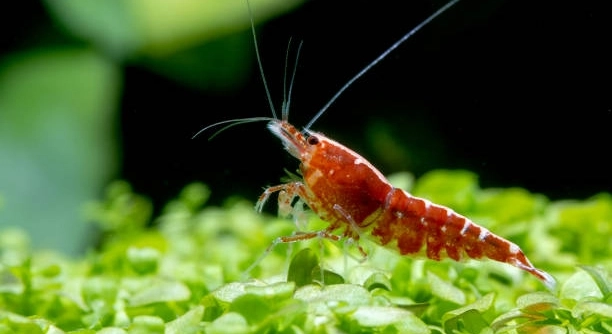
Cherry shrimp are small, lively creatures that add life to freshwater tanks. Observing their movements can be entertaining, but encouraging them to explore their environment takes thought and gentle care from their owner.
Providing a varied habitat with hiding spots, plants, and safe surfaces encourages cherry shrimp to move, forage, and interact with their environment. Enrichment techniques improve their activity levels and promote overall health in controlled aquarium settings.
Learning how to create a stimulating space for your shrimp will make your aquarium more engaging and enjoyable for both you and your tiny inhabitants.
Provide Hiding Spots and Plants
Cherry shrimp feel safer and more confident when there are plenty of places to hide. Live plants, moss, and small caves give them areas to explore without feeling threatened. Adding a variety of textures, such as smooth rocks and soft moss, encourages natural behaviors. Shrimp tend to forage more actively when they have cover to retreat to if startled. Floating plants can also create shaded areas that mimic their natural habitats, reducing stress. It is helpful to arrange decorations in layers so shrimp can climb and investigate different levels of the tank. By offering multiple hiding spots, shrimp are less likely to stay in one area, and you will notice more movement and exploration throughout the aquarium. Over time, they will appear more confident, and their behavior will show natural curiosity as they navigate both open spaces and sheltered zones. Properly designed environments support both safety and stimulation for these small creatures.
Adding hiding spots and live plants allows cherry shrimp to explore more freely. They move, forage, and display natural behaviors, improving overall activity and wellbeing.
A tank without sufficient cover can feel empty and stressful for shrimp. By including moss, plants, rocks, and small shelters, the environment becomes more dynamic. Shrimp are naturally cautious, and they will investigate more when they have options to hide. Layering decorations encourages climbing, foraging, and exploring different levels of the tank. Shaded areas and soft surfaces make movement feel safer. As you observe them over time, you will notice increased confidence and interaction. Environments that combine safety with stimulation lead to healthier and more active shrimp. They will spend less time hiding in one spot and more time investigating leaves, moss, and crevices. Watching shrimp explore multiple areas adds life to your tank and makes maintenance more rewarding. Thoughtful tank design benefits both their activity and mental well-being.
Introduce Safe Tankmates
Choosing tankmates carefully ensures shrimp feel secure and willing to explore. Peaceful species that do not chase or harm shrimp reduce stress.
Compatibility is key when selecting other fish or invertebrates for a tank with cherry shrimp. Fast-moving or aggressive species can limit shrimp movement and discourage natural behaviors. Opt for calm, small fish like certain tetras, rasboras, or snails, which coexist peacefully. Adding a few non-predatory species can create subtle activity that encourages shrimp to investigate without fear. Monitor interactions closely during the first days to ensure harmony. Avoid overstocking to prevent competition for food and space, as this can increase stress and reduce exploration. When shrimp feel safe with their companions, they are more likely to forage openly, climb decorations, and engage with their environment. Even a modest tank with carefully chosen mates can appear lively, with shrimp moving confidently through different areas. Properly managed, tankmates enhance both visual appeal and the overall health of your shrimp population.
Offer Varied Food Options
Cherry shrimp respond well to different types of food, which encourages exploration. Mixing algae wafers, blanched vegetables, and specialized shrimp pellets keeps them active and curious about their surroundings.
Providing a mix of foods ensures shrimp receive balanced nutrition while stimulating natural foraging behaviors. Blanched zucchini, spinach, and kale offer variety, while algae wafers and pellets encourage movement around the tank. Shrimp tend to investigate new items carefully, touching and nibbling before eating. Rotating foods daily or weekly keeps their environment dynamic and prevents boredom. Even small changes, like placing food in different tank areas, prompt exploration and climbing over rocks or moss. By observing their reactions, you can adjust feeding strategies to maintain engagement and health. Active shrimp are healthier, display brighter colors, and interact more confidently with their environment. Food variety is both a nutritional and behavioral tool for promoting activity and curiosity in cherry shrimp.
Arranging food in multiple locations encourages shrimp to leave hiding spots and explore. This simple practice creates natural movement patterns, helping them remain active and alert throughout the day.
Adjust Water Parameters Gradually
Stable water conditions help shrimp feel safe enough to explore, while sudden changes cause stress and hiding. Temperature, pH, and hardness need careful monitoring.
Cherry shrimp are highly sensitive to sudden shifts in water chemistry. Gradual changes prevent stress and allow them to adjust without retreating into shelters. Maintaining temperature around 72–78°F and a slightly acidic to neutral pH supports activity. Hardness and mineral content also influence shell growth and overall health, which indirectly affects exploration. Regular water testing and slow adjustments are essential. Frequent minor changes, such as partial water replacements with conditioned water, help maintain stability. Observing shrimp responses during these changes indicates whether they are comfortable or stressed. Consistency in water parameters allows them to forage and investigate freely. A calm, stable environment encourages natural behaviors while minimizing health risks, keeping shrimp active, vibrant, and engaged with their surroundings.
Add Gentle Water Flow
A mild current encourages shrimp to move and explore without causing stress. Using a sponge filter or gentle pump creates safe circulation in the tank.
Gentle water flow helps distribute food and oxygen, prompting shrimp to investigate different areas. Strong currents should be avoided, as they can overwhelm them and reduce activity.
Use Live Moss and Floating Plants
Live moss and floating plants create climbing opportunities and shaded areas. These additions encourage natural behaviors, like foraging and hiding. They also provide surfaces for biofilm growth, which shrimp feed on, increasing interaction with their environment.
Change Decorations Occasionally
Rotating rocks, plants, and other decorations stimulates exploration. Even small changes give shrimp new areas to investigate, keeping them active and curious.
How often should I feed my cherry shrimp?
Cherry shrimp do best with small, frequent feedings. Offering food once or twice a day is usually sufficient. Overfeeding can cause water quality issues, which stresses shrimp and reduces exploration. A pinch of algae wafer or a small piece of blanched vegetable is enough for a few shrimp at a time. Observing how quickly they consume food helps you adjust amounts. Uneaten food should be removed within a few hours to prevent decay. Rotating food types also encourages movement, as shrimp investigate new textures and flavors. Proper feeding supports healthy activity levels and keeps your shrimp curious about their surroundings.
Can cherry shrimp live with other fish?
Yes, but tankmates must be chosen carefully. Peaceful, small fish like tetras, rasboras, or small snails work best. Avoid aggressive or large species that may chase or eat shrimp. Compatibility encourages shrimp to explore without fear and allows natural behaviors. Observing interactions during the first days is important to ensure harmony. Providing hiding spots, such as moss and plants, helps shrimp feel secure even with tankmates present. Proper stocking density reduces stress and allows shrimp to forage and move freely. Thoughtful combination of species promotes activity and a balanced aquarium ecosystem.
What water parameters are ideal for exploration?
Cherry shrimp prefer stable conditions. Temperature should be 72–78°F, pH between 6.5–7.5, and moderate hardness. Sudden changes in water chemistry stress shrimp, causing them to hide. Slow adjustments during water changes maintain comfort. Monitoring with test kits ensures parameters stay within safe ranges. Stability encourages foraging, climbing, and interacting with decorations and plants. Gradual acclimation is essential when adding new shrimp or making environmental changes. Observing shrimp behavior during these adjustments helps detect stress early. Stable water promotes health, activity, and natural exploratory behavior, ensuring shrimp remain vibrant and confident in their environment.
How do I encourage shy shrimp to explore?
Shy shrimp benefit from gentle stimulation and gradual exposure to new areas. Adding plants, moss, and hiding spots gives them safe zones while exploring. Small food pieces placed around the tank motivate movement. Changing decoration layouts occasionally creates curiosity. Reducing bright light or using floating plants can make the environment feel less exposed. Gentle water flow encourages movement without overwhelming them. Observation helps determine which areas they prefer. Over time, shy shrimp will become more confident, leaving shelters and interacting with their surroundings. Consistent, calm care supports a more active and exploratory shrimp population.
Are live plants necessary for cherry shrimp activity?
Live plants are highly beneficial. They provide surfaces for biofilm growth, a natural food source, and create shaded areas that reduce stress. Moss and floating plants offer climbing opportunities, encouraging natural exploration. While not strictly necessary, planted tanks promote healthier, more active shrimp and more natural behaviors. Plants also improve water quality, which indirectly increases confidence and activity levels. Rotating plants or trimming them slightly keeps the environment dynamic and stimulates curiosity. Shrimp use plants to forage, hide, and interact with their surroundings, making them central to encouraging exploration and overall wellbeing in the tank.
How do I prevent boredom in a shrimp tank?
Boredom can be reduced by offering varied foods, rearranging decorations, and introducing gentle tankmates. Providing climbing structures like moss, rocks, and plants keeps shrimp moving. Rotating enrichment items, such as food locations or hiding spots, encourages investigation. Observing shrimp responses helps identify areas they favor or avoid. Gentle water flow, live plants, and shaded zones create a dynamic environment that stimulates natural behaviors. By maintaining diversity in habitat and diet, shrimp stay active, healthy, and curious. Consistent monitoring and small adjustments prevent stagnation, ensuring shrimp continue to explore and interact with their tank.
What signs indicate shrimp are comfortable exploring?
Comfortable shrimp move confidently across the tank, forage actively, climb decorations, and interact with plants and moss. Bright, consistent coloration and extended antennae indicate curiosity rather than stress. They leave hiding spots regularly and respond to new stimuli without panicking. Observing these behaviors shows they feel safe and stimulated. Shy or stressed shrimp remain hidden, have faded colors, or move only minimally. Adjusting water parameters, tank setup, and enrichment can increase activity. Tracking daily behavior helps maintain an environment that encourages natural exploration and wellbeing, supporting both mental and physical health for your shrimp.
Can I encourage exploration without stressing shrimp?
Yes, by making gradual, small changes rather than sudden ones. Rearranging decorations slightly, adding gentle water flow, and rotating foods encourages curiosity. Providing ample hiding spots and stable water parameters reduces stress. Observing shrimp during these changes ensures they remain confident. Gradual enrichment fosters natural behaviors without risk.
How important is tank size for exploration?
Tank size affects movement and confidence. Larger tanks provide more space to forage, climb, and investigate. Even small tanks benefit from vertical and horizontal layering of plants and decorations. Overcrowding reduces activity and increases stress. Designing the tank with varied surfaces and hiding areas maximizes usable space, encouraging exploration even in compact aquariums.
Can shrimp explore at night?
Cherry shrimp are active during both day and night. Low light or dim conditions often encourage foraging and climbing. Providing shaded areas or floating plants allows them to move safely in darker periods. Nighttime activity contributes to overall health and natural behavior patterns. Observation at different times shows how environment and enrichment influence movement.
What role does water flow play in shrimp exploration?
Gentle water flow improves oxygen distribution and simulates natural conditions. It encourages shrimp to move, forage, and investigate new areas. Strong currents, however, overwhelm them. Using sponge filters or adjustable pumps provides safe circulation. Observing shrimp reactions ensures flow remains stimulating, not stressful.
Are decorations necessary for active shrimp?
Yes, decorations provide climbing surfaces, hiding spots, and exploratory zones. Rocks, caves, moss, and plants create vertical and horizontal layers, increasing movement. Rotating or adding small items keeps the environment dynamic. Properly arranged decorations encourage natural behaviors and foraging, boosting confidence and curiosity.
How can I maintain long-term shrimp exploration?
Maintaining exploration requires stable water, varied foods, enrichment, and careful monitoring. Gradual changes, gentle tankmates, and rotating decorations keep shrimp active. Observing behavior allows adjustments to environment or feeding routines. Consistent care ensures shrimp remain healthy, confident, and engaged with their habitat over time.
Cherry shrimp are small, lively creatures that thrive in environments that feel safe and engaging. Providing a well-thought-out tank setup is key to encouraging exploration. Elements like live plants, moss, and rocks give them areas to hide and climb, which makes them more confident in moving around the tank. These additions also create spaces where shrimp can forage naturally, touching and nibbling on surfaces without feeling threatened. Even small changes, like rearranging decorations or adding a new plant, can spark curiosity and keep their behavior active and varied. By paying attention to how your shrimp respond to the layout, you can adjust the environment in ways that promote natural activity and ensure they remain comfortable and healthy.
Water quality plays a major role in how comfortable shrimp feel while exploring. Stable parameters, including temperature, pH, and hardness, reduce stress and allow shrimp to behave naturally. Sudden shifts in these conditions often cause hiding and reduced movement, so gradual adjustments are important. Feeding also impacts activity levels. Offering a variety of foods, such as algae wafers, blanched vegetables, and shrimp-specific pellets, motivates them to move and investigate. Placing food in different areas encourages climbing and foraging, which provides mental stimulation. Even gentle water flow or the presence of calm, compatible tankmates can encourage shrimp to move without causing fear. All these factors together create an environment that supports active exploration, natural behaviors, and long-term wellbeing.
Maintaining a dynamic and stimulating tank requires ongoing care and observation. Regularly monitoring water conditions, checking shrimp behavior, and updating decorations or food placement keeps the tank from becoming stagnant. Shy shrimp can become more confident when given safe spaces and opportunities to investigate gradually. Active, curious shrimp are not only healthier but also more visually engaging to watch. Simple efforts, like rotating plants, adding hiding spots, or slightly adjusting water flow, can make a big difference in encouraging movement. Over time, these small changes create an environment where cherry shrimp feel secure, supported, and motivated to explore freely. A consistent, thoughtful approach to tank management ensures your shrimp remain lively, engaged, and happy in their habitat, which benefits both their health and your enjoyment as an observer.

Hello,
If you enjoy the content that we create, please consider saying a "Thank You!" by leaving a tip.
Every little bit helps us continue crafting quality advice that supports the health, happiness, and well-being of pets around the world, for pets of all shapes, sizes, and species.
We really appreciate the kindness and support that you show us!